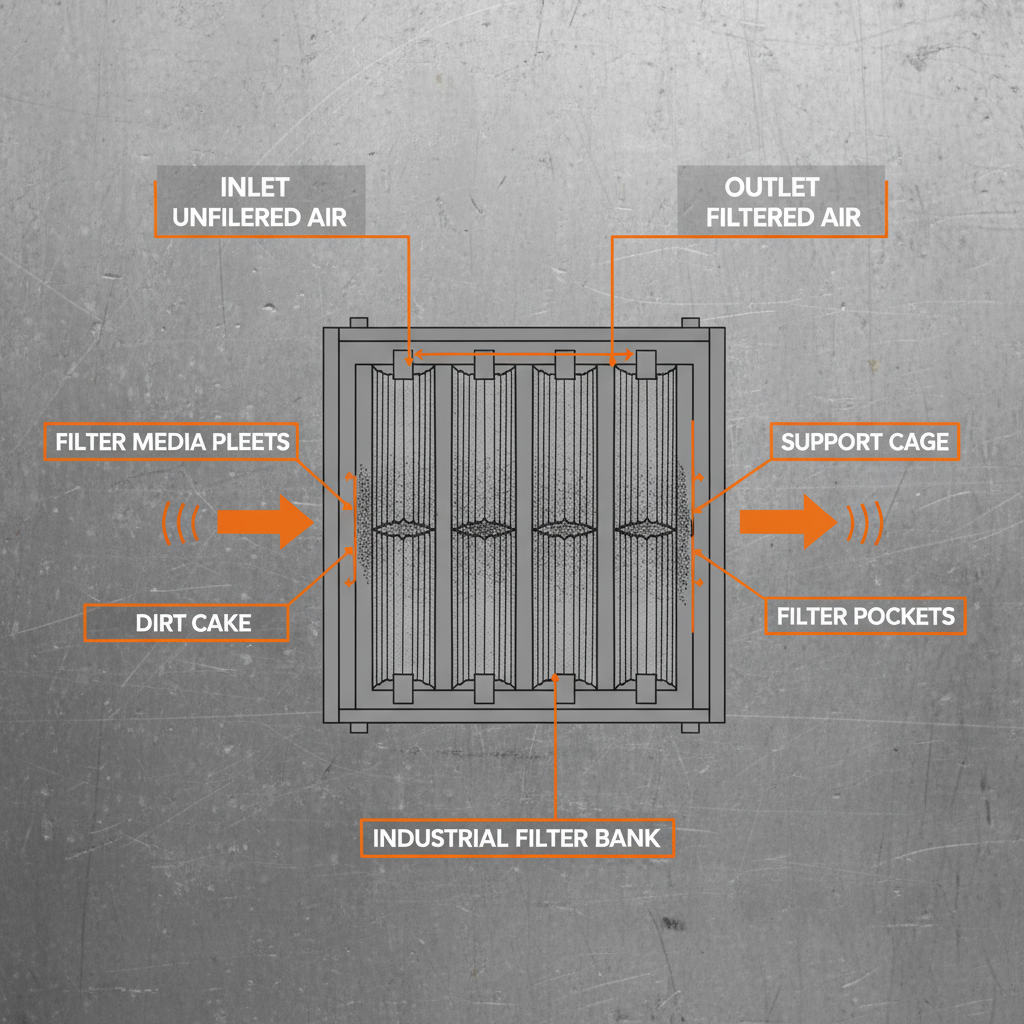
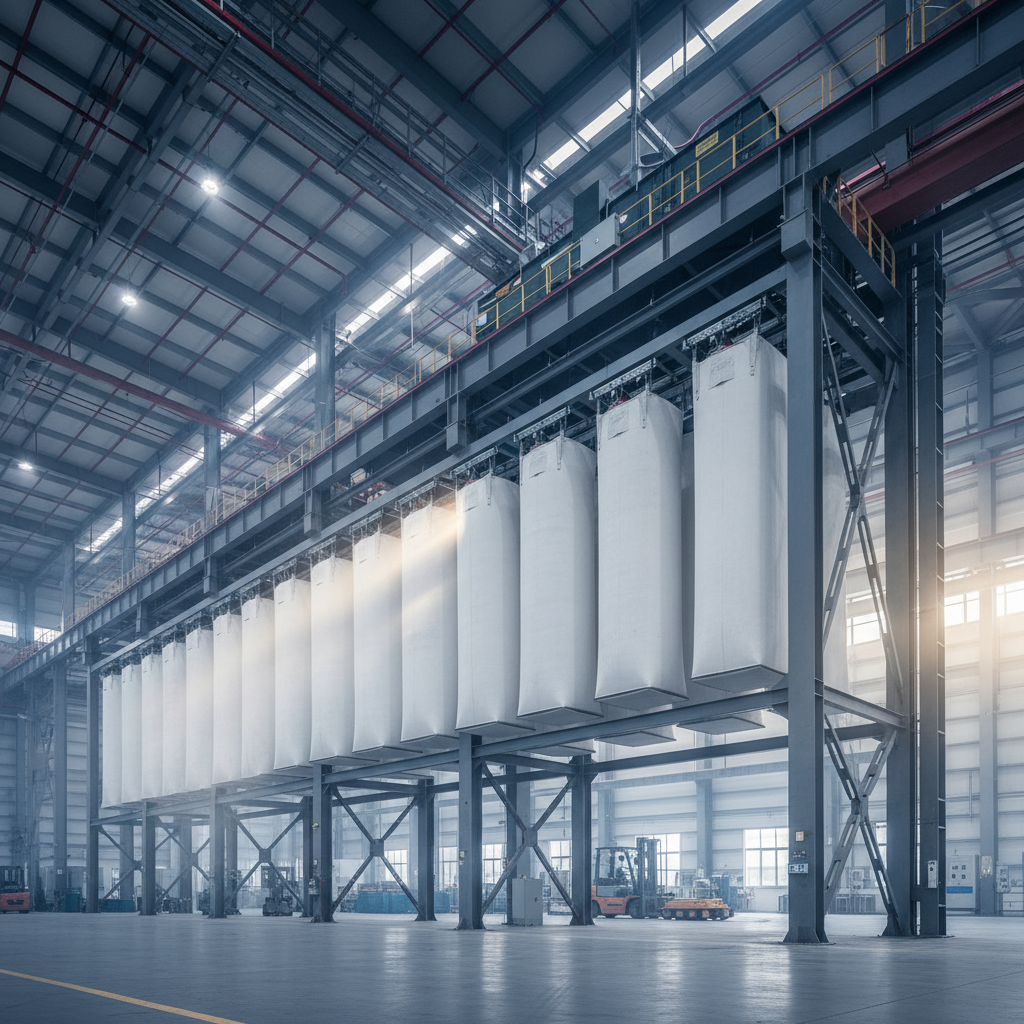
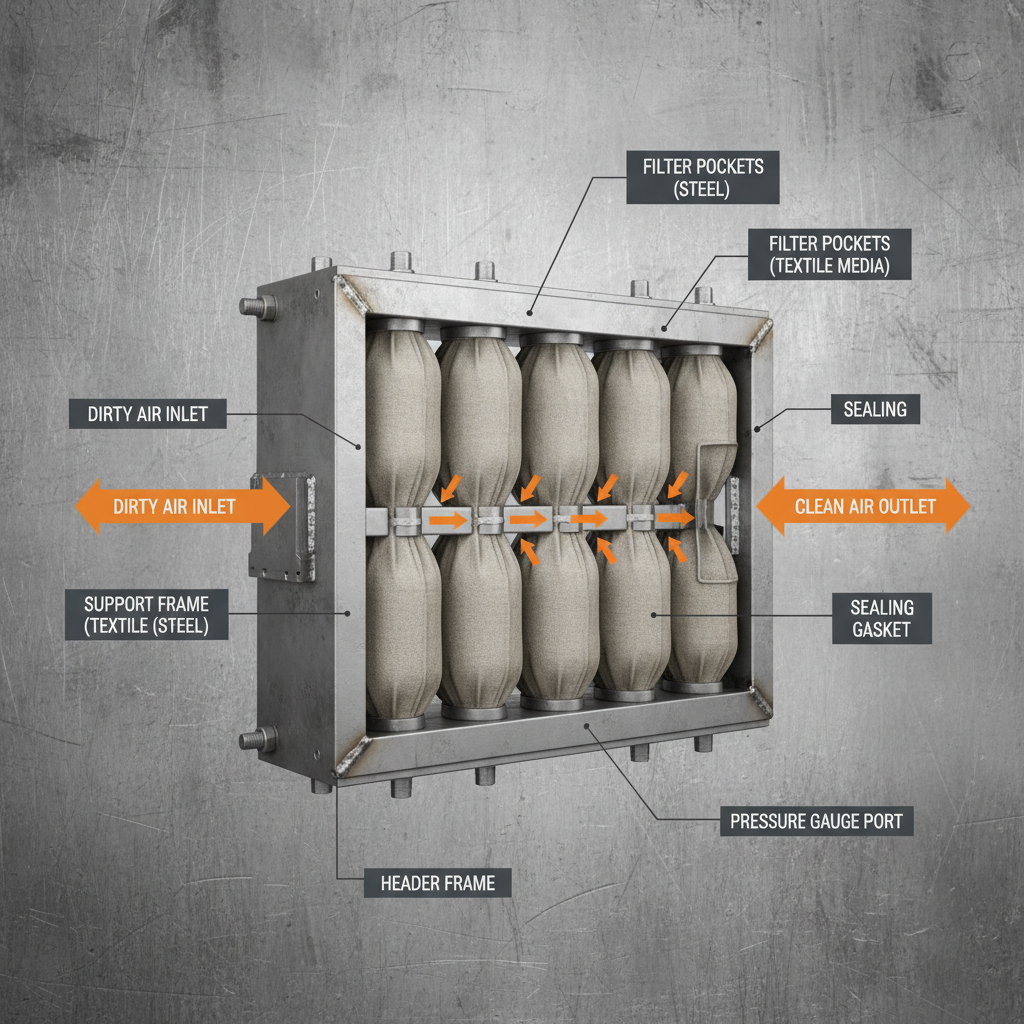
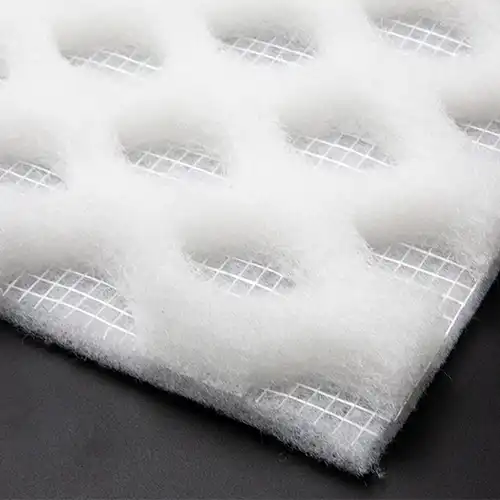
At the heart of many high-efficiency air handling units (AHUs) lies the pocket filter media. Unlike flat-panel filters, pocket filters (often referred to as bag filters) are designed with a series of extended pockets that significantly increase the surface area of the filtration material. This geometry allows for a higher dust-holding capacity and a lower pressure drop, which directly translates to energy savings and a longer service life for the HVAC system.
The design of these pockets ensures that air flows evenly across the entire surface. This prevents "blind spots" where dust might accumulate prematurely, choking the system. When choosing media for these pockets, engineers often look for materials that can maintain their shape under high velocity, preventing the pockets from flapping or collapsing, which would otherwise compromise filtration efficiency.
The transition from traditional fiberglass to non woven air filter media has revolutionized the industry. Non-woven materials are engineered through mechanical, thermal, or chemical processes that bond fibers together without weaving. This creates a complex, three-dimensional labyrinth that is exceptionally effective at trapping microscopic particles.
The primary advantage of non-woven technology is its versatility. By varying the fiber density and the bonding method, manufacturers can create media ranging from coarse pre-filtration layers to fine, high-efficiency membranes. Furthermore, non-woven synthetic fibers are inherently resistant to moisture and microbial growth. Unlike organic materials or certain glass fibers that may shed or degrade in humid conditions, non-woven synthetics remain stable, ensuring that the air remains clean and the media remains intact throughout its operational cycle.
In an era where "reduce, reuse, and recycle" has moved from a slogan to a corporate mandate, washable air filter media has gained significant traction. Historically, air filters were viewed as strictly consumable items—used once and then sent to a landfill. However, advancements in polymer science have led to the development of robust media that can withstand repeated cleaning cycles without a significant loss in filtration efficiency.
Washable media is particularly beneficial in environments with high concentrations of large-particulate dust, such as woodworking shops or textile mills. By allowing maintenance teams to vacuum or wash the filter media, companies can drastically reduce their annual procurement costs and minimize their environmental footprint. It is important to note, however, that while washable filters offer longevity, they must be maintained according to strict protocols to ensure that the "pressure drop" remains within acceptable limits and that no structural damage occurs during the cleaning process.
Industrial environments present a unique set of challenges that standard commercial filters simply cannot handle. This is where industrial air filter media comes into play. These materials are specifically designed to withstand extreme conditions, including high temperatures, chemical vapors, and heavy dust loading.
In industries such as pharmaceuticals, food processing, and electronics manufacturing, the "cleanliness" of the air is not just about comfort; it is a critical component of product quality and safety. Industrial-grade media often incorporates specialized coatings or "charged" fibers (electret) to capture sub-micron particles that could otherwise contaminate a sterile environment. Moreover, the durability of industrial media ensures that systems can run continuously for longer periods, reducing the frequency of costly shutdowns for filter replacements.
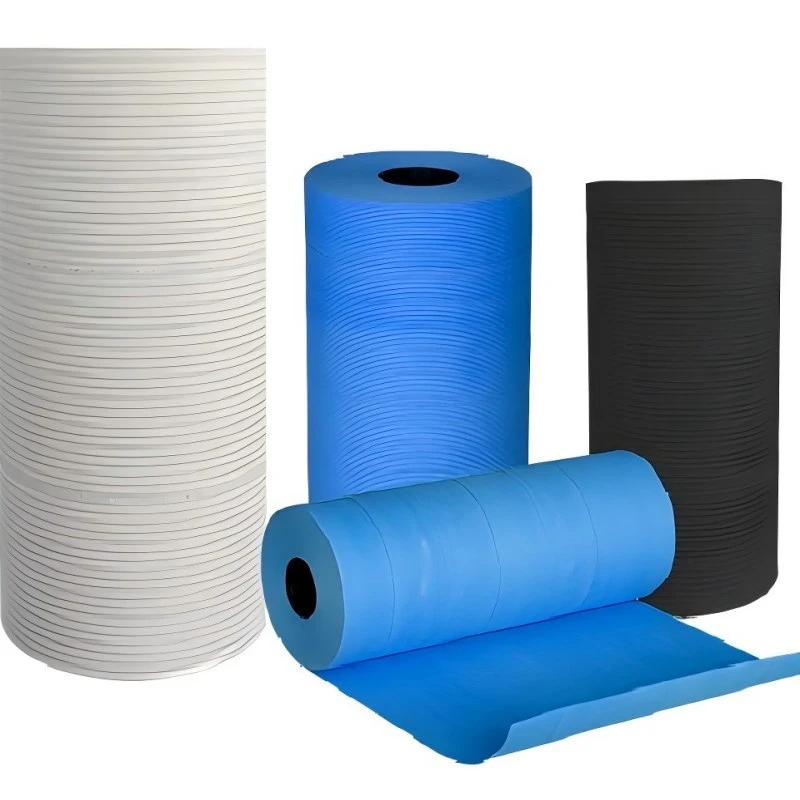
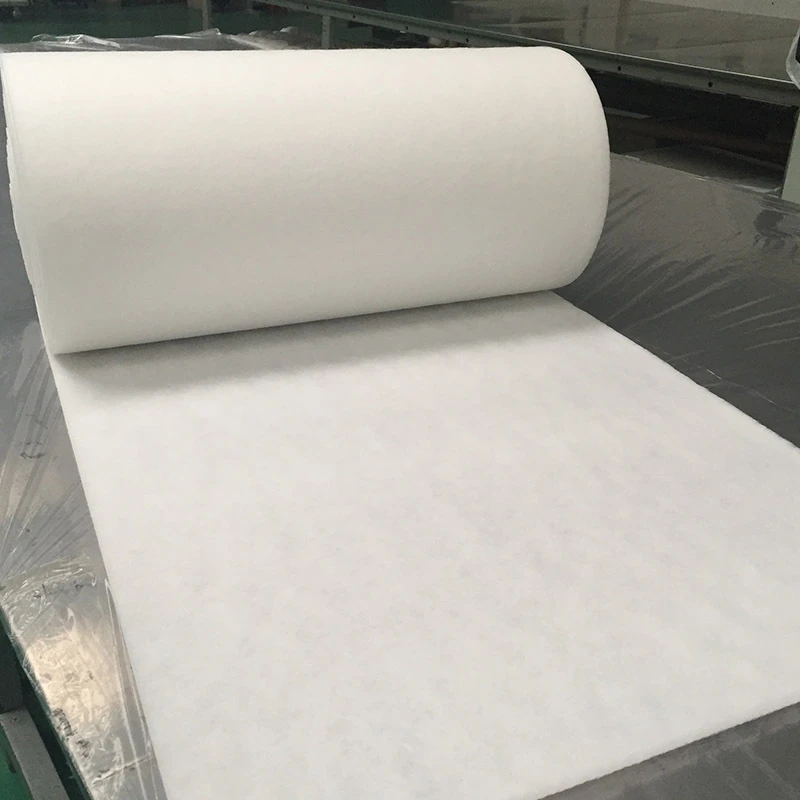
For large-scale operations, purchasing pre-cut filters is often less efficient than utilizing an hvac filter media roll. These rolls provide the ultimate flexibility for maintenance departments that manage a variety of different machine sizes and intake vents. By having a high-quality media roll on hand, technicians can custom-cut the exact dimensions needed, reducing waste and ensuring a perfect fit every time.
Using a media roll also simplifies inventory management. Rather than stocking dozens of different filter sizes, a facility can stock a few rolls of varying efficiencies. This approach is particularly effective for pre-filtration stages, where the media roll acts as the "first line of defense," protecting more expensive, high-efficiency final filters from being overwhelmed by coarse debris.
As we look toward the future, the integration of "smart" materials into air filtration is becoming a reality. We are seeing the emergence of nanofiber layers applied to non woven air filter media, which allow for even higher efficiency with almost no increase in air resistance. This is a critical development for energy-conscious organizations, as even a small reduction in the pressure required to move air through a filter can lead to thousands of dollars in electricity savings over the course of a year.
Furthermore, the rise of the "Green Building" movement (LEED certification) is pushing the demand for hvac filter media roll products that are made from recycled polymers. The industry is proving that high performance and environmental responsibility are not mutually exclusive.