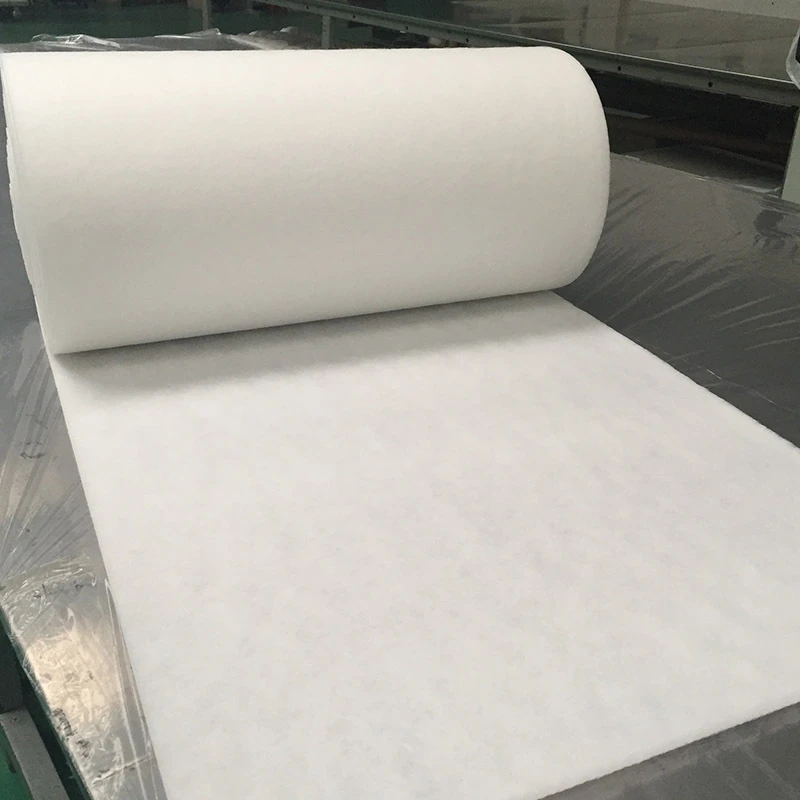
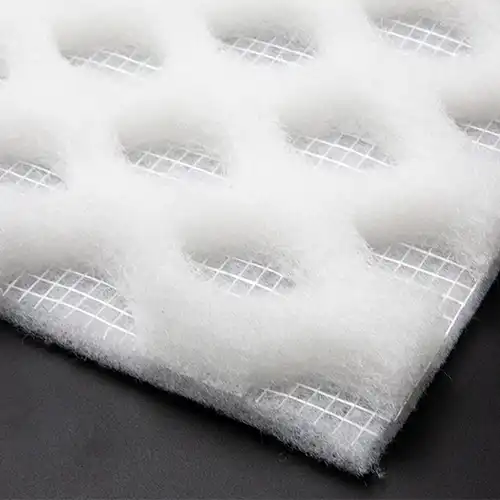
The automotive industry demands high-performance components, and at the heart of many systems lies the humble filter. Effective filtration is crucial for engine longevity, fuel efficiency, and overall vehicle performance. This leads to a significant demand for specialized automotive filter paper manufacturers. This article dives deep into the world of automotive filter paper, covering types, materials, manufacturing processes, quality standards, and key players in the industry. We’ll explore how choosing the right manufacturer can significantly impact the quality and reliability of your automotive filters.
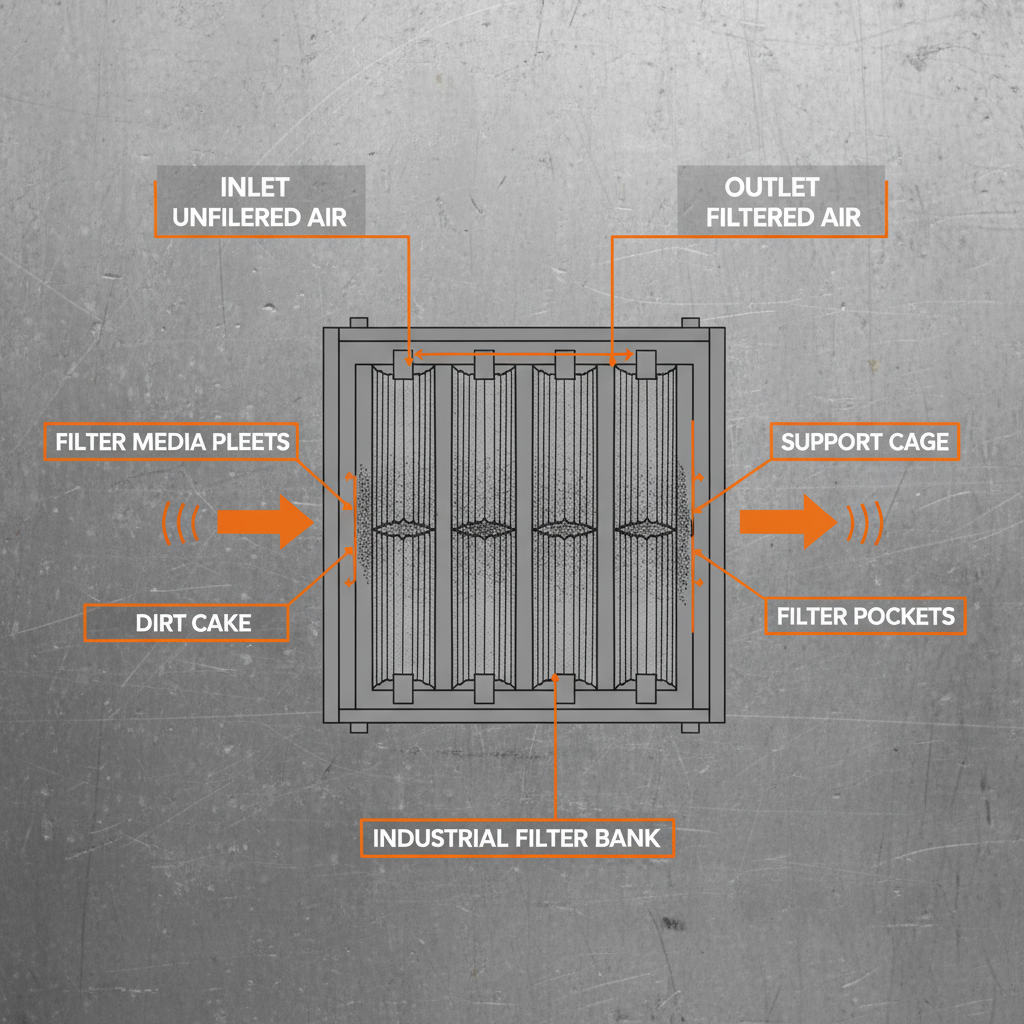
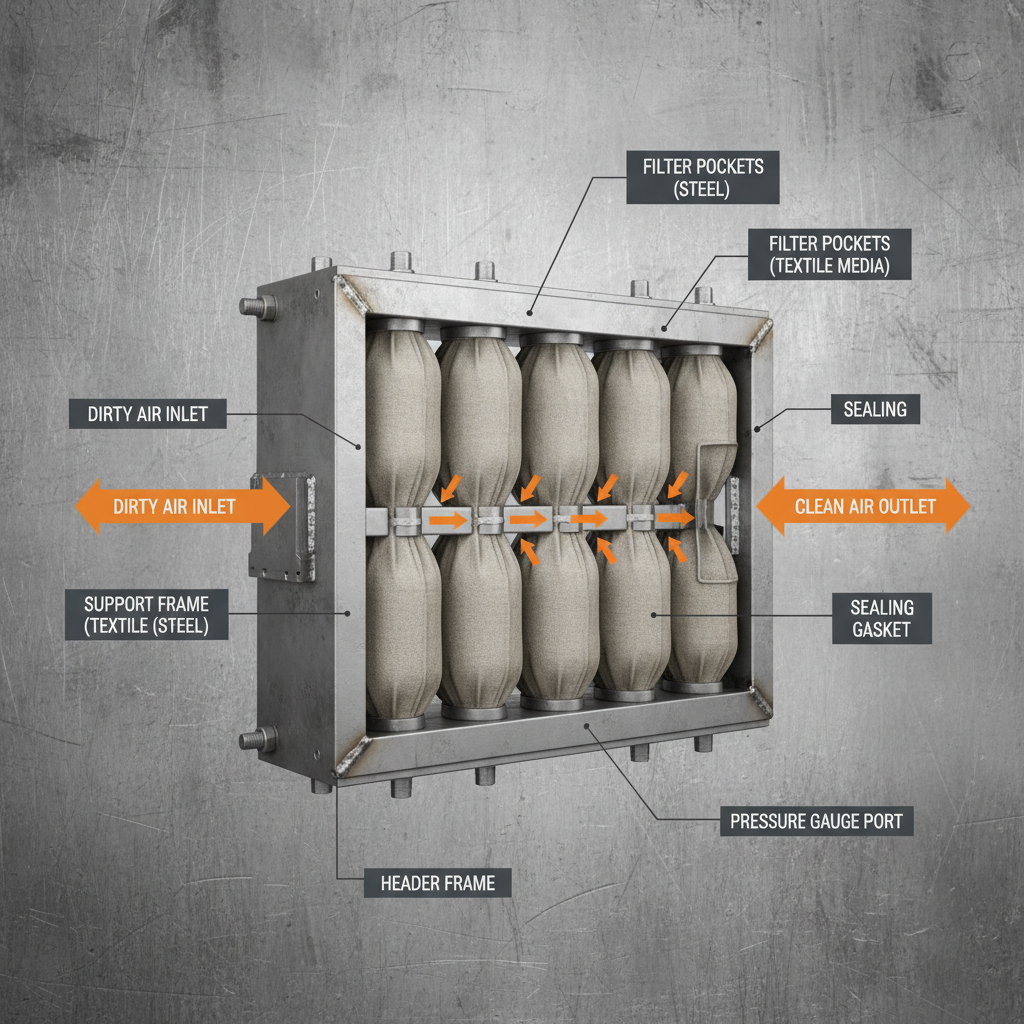
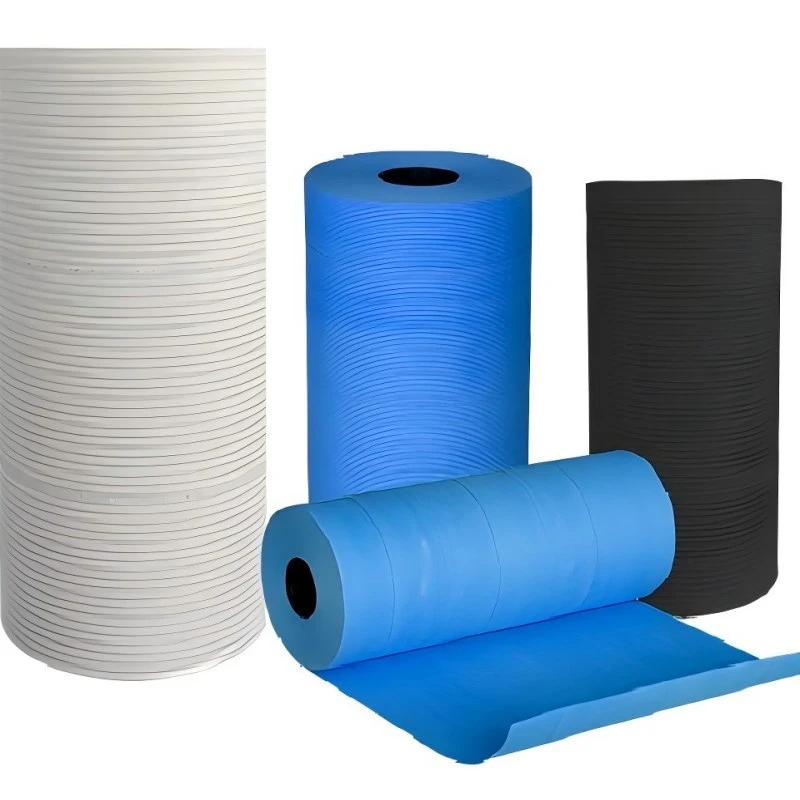
Automotive filter paper isn’t your everyday paper. It's a specifically engineered nonwoven material designed to capture contaminants while maintaining optimal airflow. Different filter types require different paper characteristics. Oil filters, for instance, need paper that resists degradation from oil, while air filters require high dust-holding capacity and low resistance to airflow. Key properties include pore size, filtration efficiency, airflow resistance, and structural integrity. The right paper selection ensures effective filtration and prolonged filter life. Selecting a reputable automotive filter paper manufacturer is paramount to achieving these properties.
Key Highlights: Engineered nonwoven material designed for optimal filtration and airflow. Different filter types demand specific paper characteristics, like oil resistance or high dust capacity.
The automotive industry employs a variety of filters, each with unique requirements. Here's a breakdown of common filter types and the specific properties their respective filter paper needs to possess:
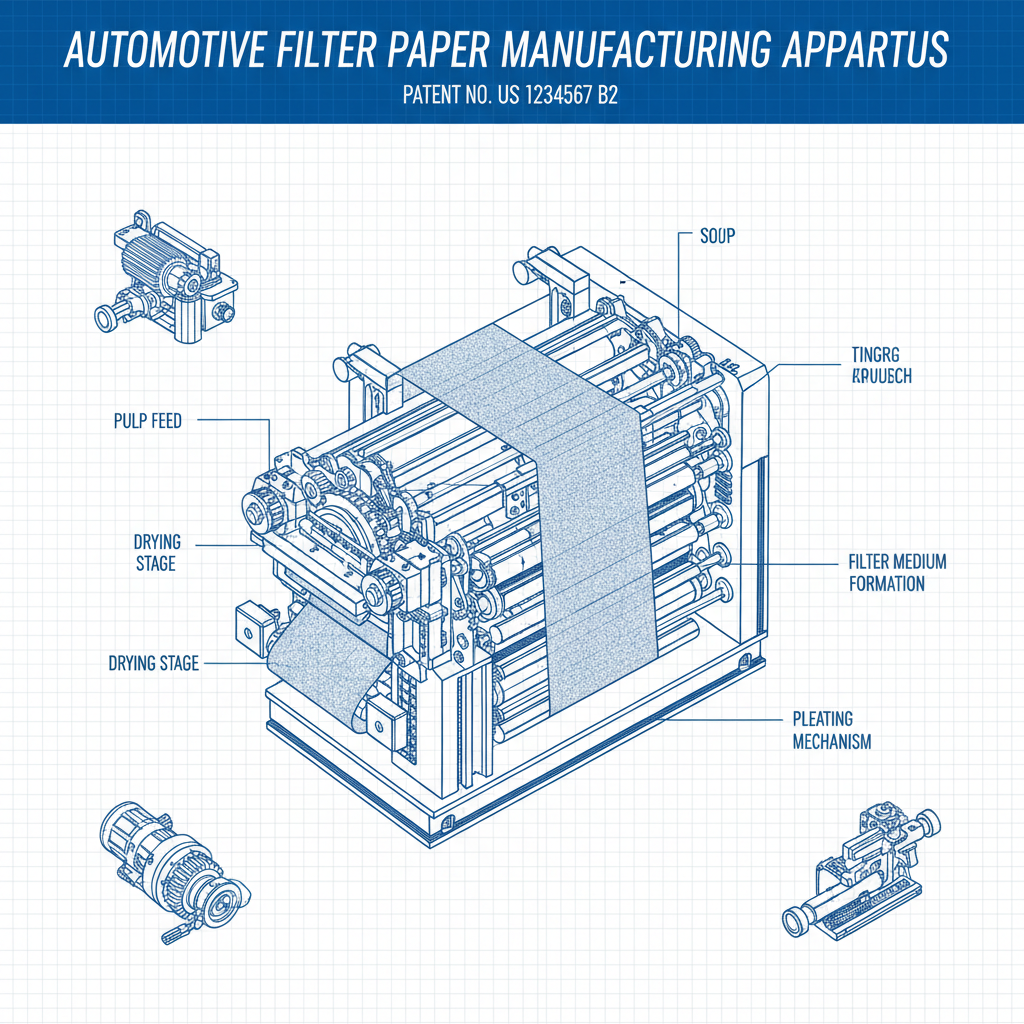
The production of automotive filter paper is a complex process involving several key stages. These typically include fiber preparation, web formation, bonding, calendering, and finishing. Fiber preparation involves selecting and processing raw materials like cellulose, synthetic fibers (polypropylene, polyester), and additives. Web formation utilizes techniques like air-laid, wet-laid, or spunbond to create a nonwoven fabric structure. Bonding methods such as thermal bonding, chemical bonding, or mechanical interlocking provide the necessary strength and integrity. Calendering controls the thickness and pore size, while finishing treatments enhance specific properties like oil resistance or water repellency. A skilled automotive filter paper manufacturer employs rigorous quality control throughout each stage.
Maintaining consistent quality is paramount. Automotive filter paper undergoes stringent testing to ensure it meets industry standards. Common tests include filtration efficiency testing (measuring the ability to capture particles of various sizes), airflow resistance testing, burst strength testing, and chemical resistance testing. Manufacturers often adhere to standards set by organizations like ISO, SAE, and ASTM. These certifications demonstrate a commitment to quality and reliability. A dedicated automotive filter paper manufacturer will readily provide documentation of their quality control processes and certifications.
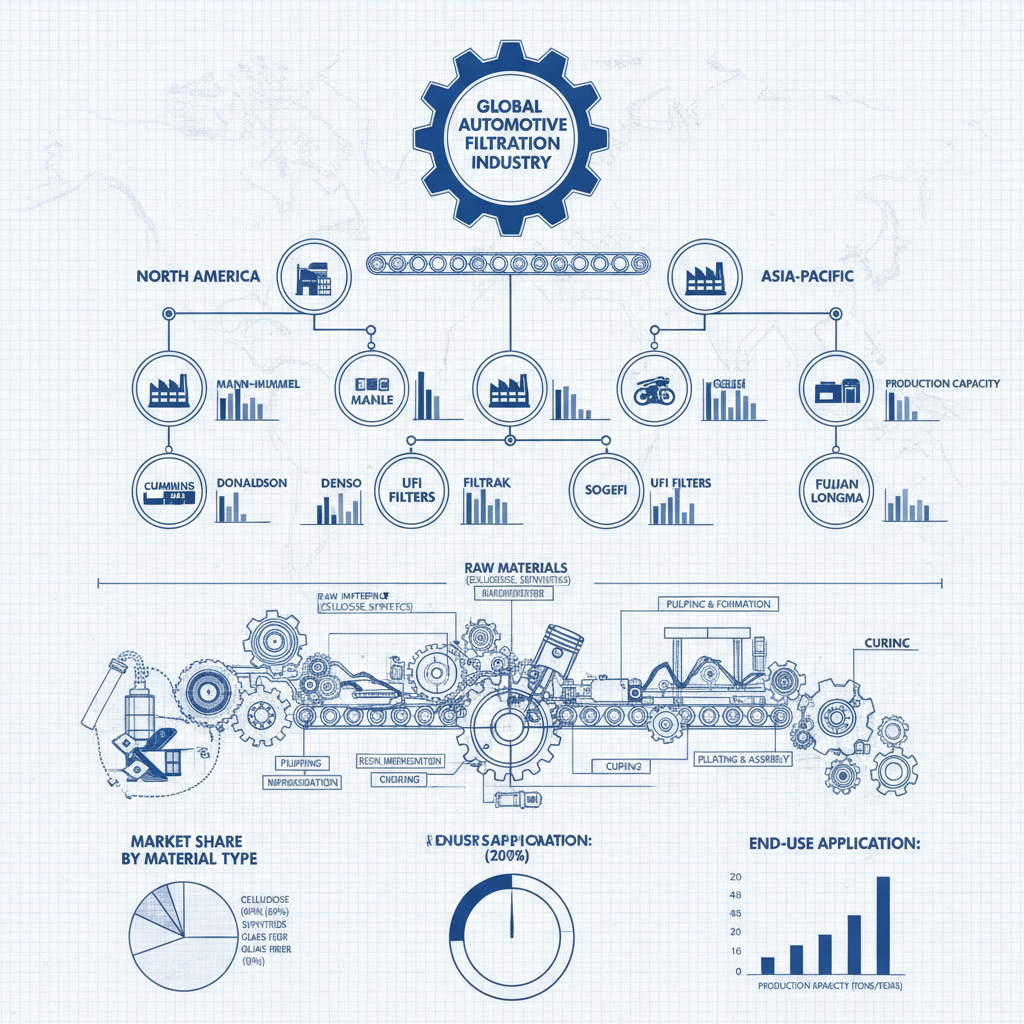
Selecting the ideal automotive filter paper manufacturer requires careful consideration. Factors to evaluate include manufacturing capabilities, product range, quality control systems, lead times, pricing, and technical support. Look for a manufacturer with a proven track record of delivering high-quality, consistent products. Their ability to customize filter paper to your specific requirements is also crucial. Strong technical support can assist with material selection and optimization. Consider their geographic location and shipping capabilities to minimize logistical challenges.
Choosing the right automotive filter paper is a critical decision impacting product performance and longevity. Filtersmaterials.com is dedicated to providing high-quality filter paper solutions tailored to your specific needs. We leverage advanced manufacturing processes, rigorous quality control, and a commitment to innovation to deliver superior performance. Don't compromise on filtration – partner with us for excellence.
Cellulose filter paper is a more traditional option, made from wood pulp. It’s cost-effective and offers good filtration for general automotive applications. Synthetic filter paper, typically made from polypropylene or polyester, provides superior oil resistance, higher temperature tolerance, and greater durability. Synthetic options are often preferred for demanding applications like oil filtration where longevity and performance are critical. The choice depends on the specific filter requirements and budget constraints.
Yes, many automotive filter paper manufacturers offer customization options. This includes adjusting the pore size, basis weight, thickness, and adding specific treatments for oil resistance, water repellency, or antimicrobial properties. Customization ensures the filter paper perfectly matches the application's performance requirements and maximizes filtration efficiency.
Basis weight refers to the mass of the filter paper per unit area (typically expressed in grams per square meter or GSM). A higher basis weight generally indicates a thicker, denser paper with greater dust-holding capacity and structural strength. However, it can also lead to increased airflow resistance. Selecting the appropriate basis weight involves balancing filtration efficiency, dust-holding capacity, and airflow requirements.
Airflow resistance is a critical factor. High resistance restricts airflow to the engine, potentially reducing performance and fuel efficiency. Filter paper needs to strike a balance between capturing contaminants and allowing sufficient airflow. Manufacturers optimize paper structure and pore size to minimize resistance while maintaining effective filtration. Low airflow resistance is particularly important in air filters and cabin air filters.