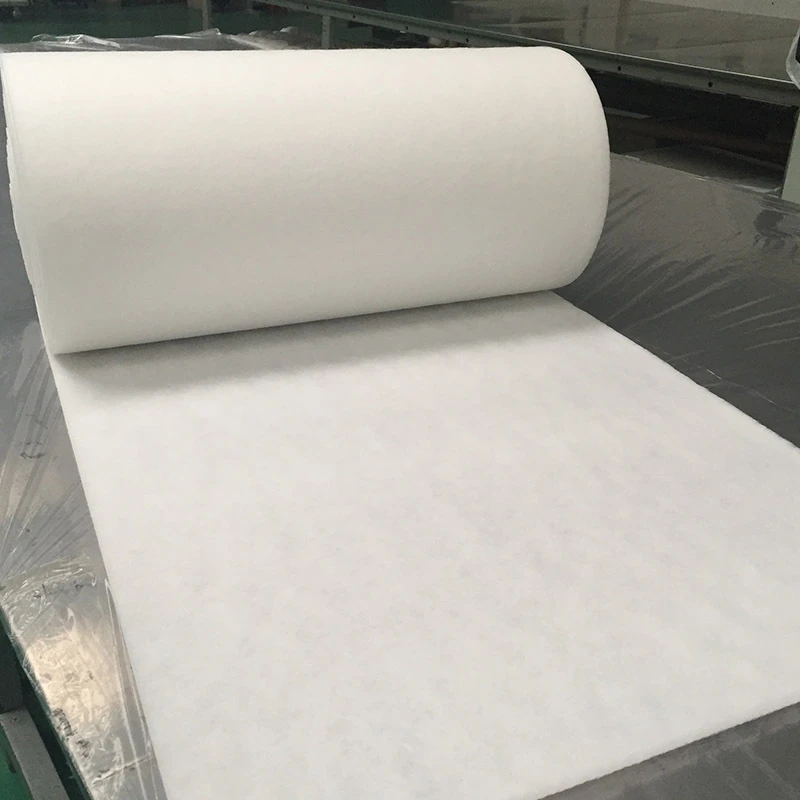
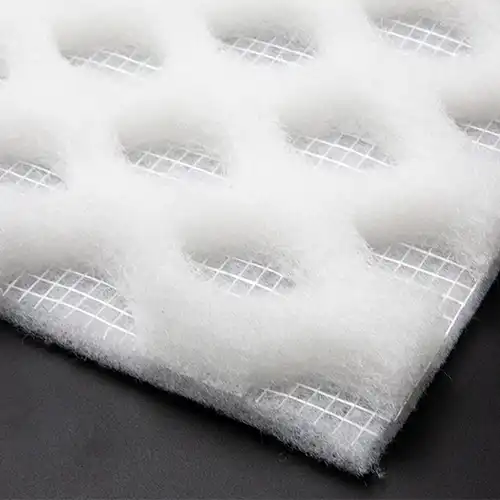
The foundational strength of high-efficiency filtration lies in the physical properties of fiberglass filter paper. This material is engineered from incredibly fine glass fibers that are randomly dispersed to create a non-woven web. The primary reason for selecting glass over organic fibers is its thermal and chemical stability. In laboratory and industrial settings where air streams may contain corrosive vapors or reach high temperatures, fiberglass remains inert and structurally sound.
Beyond its durability, the architecture of the fiber matrix is designed to leverage three primary filtration mechanisms: inertial impaction, interception, and diffusion. While larger particles are caught by the physical "sieve" of the fibers, the smallest particles—those moving in Brownian motion—are captured as they zig-zag through the dense labyrinth of the glass web. This multi-layered defense makes the media exceptionally effective at maintaining high flow rates while ensuring that virtually no hazardous dust or aerosols pass through the membrane.
Furthermore, the low moisture absorption of glass fibers ensures that the filter does not swell or lose integrity in high-humidity environments. This dimensional stability is a critical factor in maintaining a constant pressure drop, preventing the HVAC system from overworking and consuming excessive energy.
In analytical chemistry and environmental monitoring, the consistency of glass fibre paper is paramount. These filters are often used for gravimetric analysis and the collection of suspended solids in air and water. The manufacturing process involves a meticulous "wet-laid" technique, similar to traditional papermaking but with stringent controls on fiber diameter and binder content.
For high-end applications, "binder-free" versions are often preferred. By excluding organic resins, the media can be heated to temperatures exceeding $500^\circ\text{C}$ for sterilization or to remove volatile impurities without the risk of the filter itself contributing to the sample's weight. This level of purity is why glass-based media is the standard for monitoring PM2.5 and PM10 atmospheric pollutants.
The capillary action of the fibers also allows for specialized testing in the medical field. The inherent "wicking" ability of the glass matrix is utilized in rapid diagnostic tests, where the paper must transport fluids evenly while filtering out cellular debris. This versatility demonstrates that while the material is a powerhouse in heavy industry, its micro-level precision is equally vital in the palm of a researcher's hand.
When air quality requirements move from "clean" to "sterile," the industry turns to hepa filter paper. Achieving this is no small feat; it requires a specific density of glass microfibers that balances air resistance with trapping efficiency.
The beauty of HEPA-grade paper is its ability to protect against biological threats. In hospitals and biosafety labs, this media acts as the primary shield against airborne pathogens, including bacteria and viruses. Because the glass fibers are so densely packed, they create a tortuous path that even the most elusive microorganisms cannot navigate.
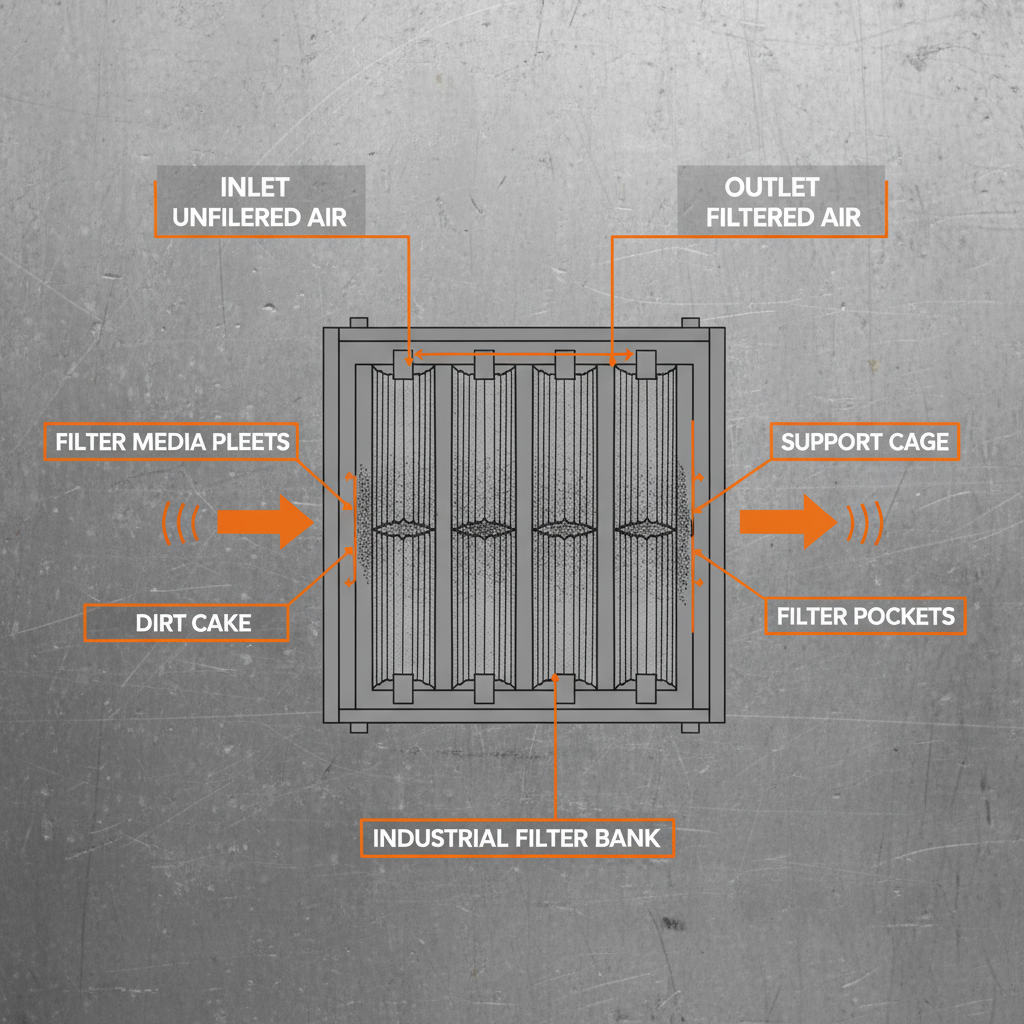
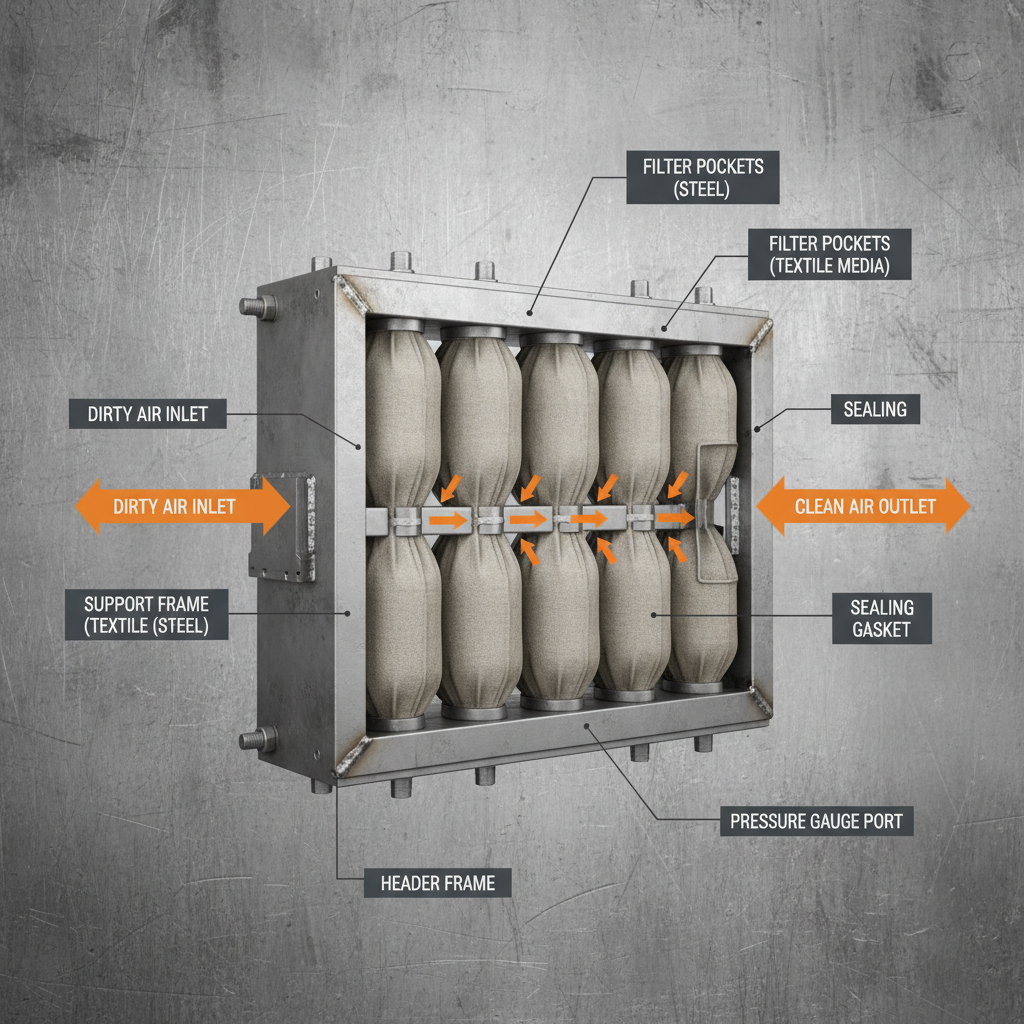
Modern developments have also introduced "mini-pleat" technologies for this media. By folding the paper into tight, uniform pleats separated by thermoplastic ribbons, manufacturers can fit an enormous surface area into a very small frame. This maximizes the life of the filter and ensures that the air velocity remains uniform across the entire face of the filtration unit, eliminating "hot spots" where leaks might occur.
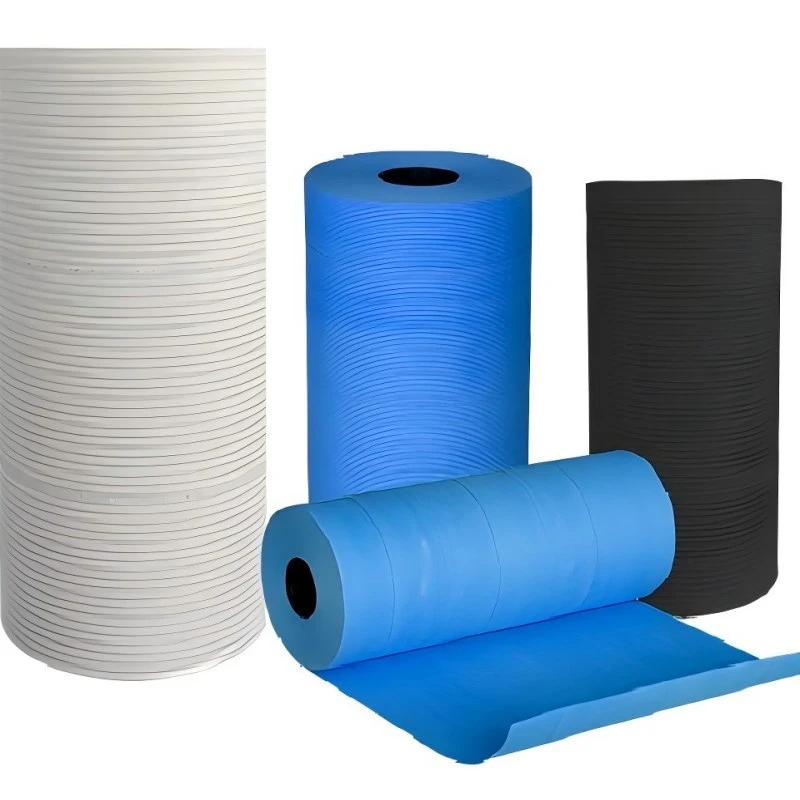
For large-scale manufacturing and the assembly of custom filtration units, the hepa filter paper roll offers the necessary scalability to meet global demands. These rolls allow for continuous automated pleating and assembly, which is essential for the mass production of vacuum cleaner filters, automotive cabin filters, and cleanroom ceiling modules.
The use of rolls allows for a high degree of customization in the "pleat pack" depth. Depending on the specific requirements of an air handling unit, a manufacturer can adjust the tension and cutting length from the roll to optimize the filter for either maximum airflow or maximum dust-holding capacity. This industrial flexibility ensures that the same high-quality borosilicate technology can be adapted for a household appliance or a nuclear power plant's exhaust system.
Moreover, the integration of a protective "scrim" or backing material onto the glass paper during the rolling process adds mechanical strength. This prevents the delicate glass fibers from shedding (media migration) into the clean air stream, a common concern in the electronics industry where a single stray fiber could short-circuit a microchip.
The future of hepa filter paper lies in the integration of nanofibers and electrostatic enhancements. By layering a thin veil of nanofibers over the traditional glass matrix, researchers are finding ways to reach ULPA (Ultra-Low Particulate Air) levels—capturing 99.999% of particles—without significantly increasing the energy required to push air through the filter.
As global air quality standards become more stringent, the reliance on high-performance glass media will only grow. From the depths of the ocean in submarine life-support systems to the vacuum of space in planetary rovers, these microfibers are the silent guardians of breathable air.