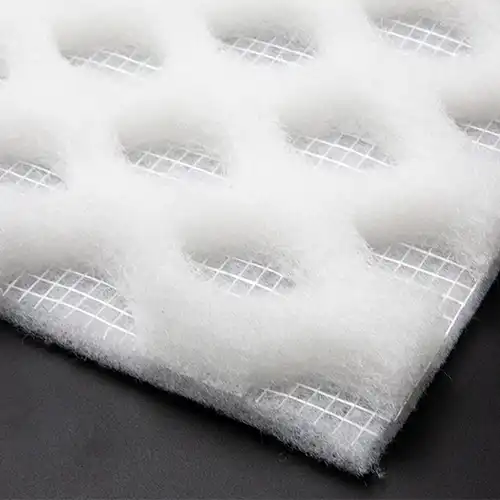
Choosing the right air filter media is crucial for maintaining air quality in a variety of applications, from HVAC systems to industrial processes. Washable air filter media offers a sustainable and cost-effective alternative to disposable filters. This article explores the benefits, applications, and considerations when selecting washable filter media, providing a detailed overview for both residential and commercial users. Understanding the advantages of reusable filters can lead to significant savings and a reduced environmental impact.
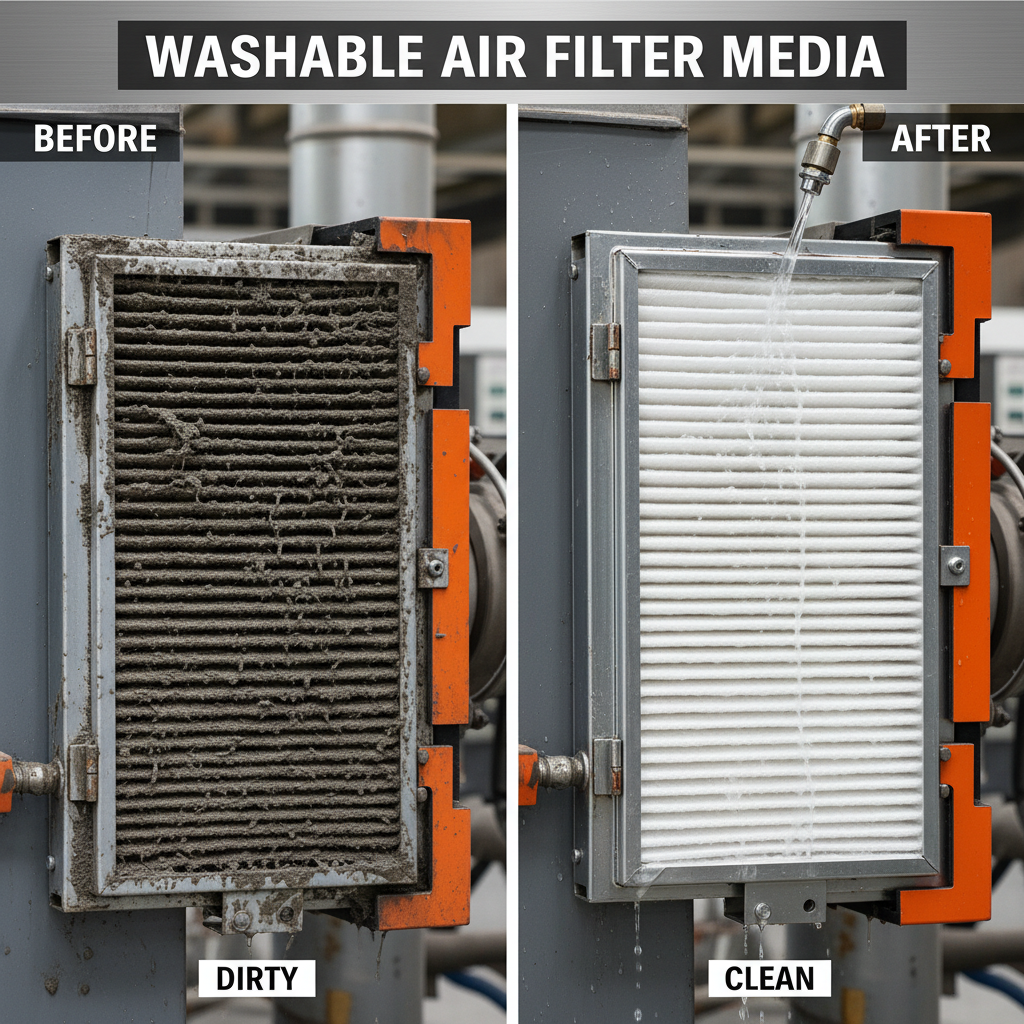
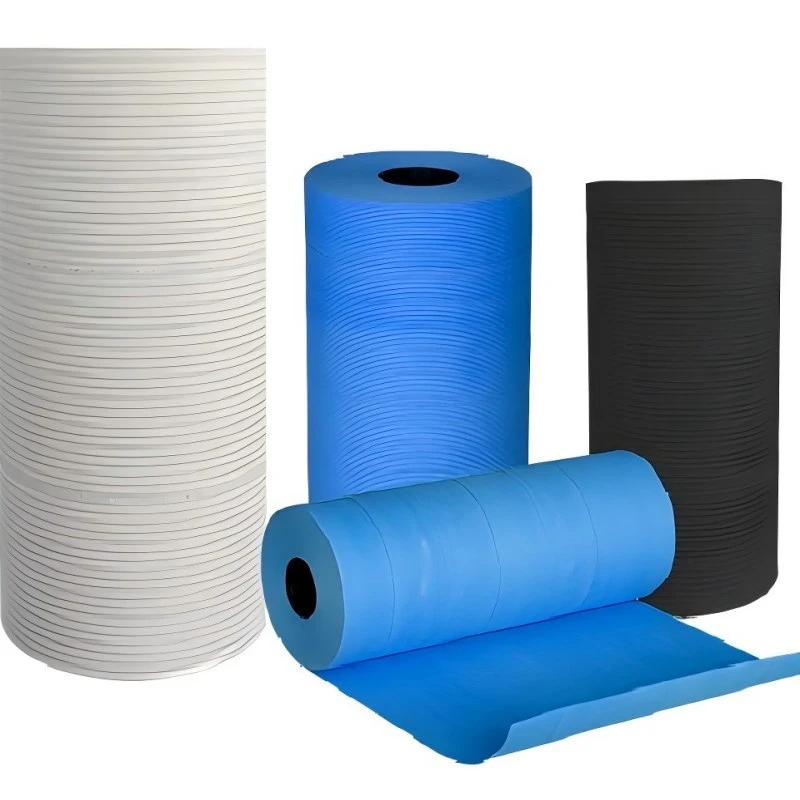
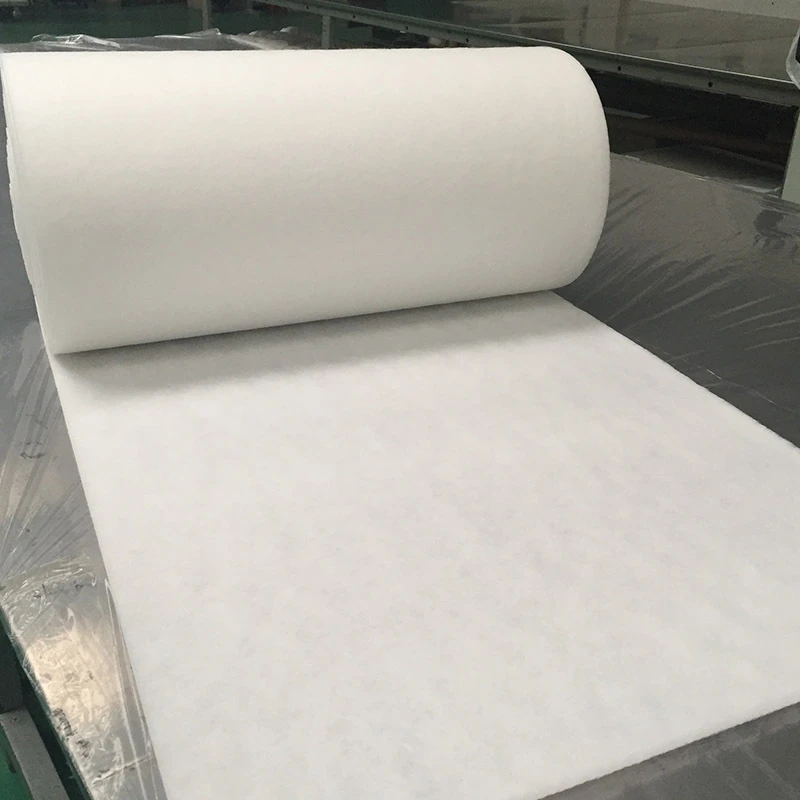
Washable air filter media is designed for repeated use. Unlike disposable filters that are thrown away after a certain period, these filters can be cleaned and reused multiple times. Typically made from materials like polyurethane foam or synthetic fibers, they effectively capture dust, pollen, and other airborne particles. Filtersmaterials.com offers a diverse range of washable air filter media suitable for various applications. This reusability not only reduces waste but also lowers long-term costs associated with filter replacements.
Key Benefits: Reduced waste, lower long-term costs, environmental sustainability, consistent performance after cleaning.
The benefits of opting for washable air filter media extend beyond cost savings. These filters often provide consistent filtration performance even after multiple cleaning cycles. They are particularly well-suited for individuals with allergies or respiratory sensitivities, as they effectively remove airborne irritants. Furthermore, the reduced frequency of filter replacements translates to less maintenance and disruption. This makes them a practical choice for both residential and commercial settings. Investing in quality washable air filter media from a reputable supplier like Filtersmaterials.com guarantees lasting performance and value.
Benefits at a Glance:
• Reduced environmental impact through less waste.
• Lower long-term costs compared to disposable filters.
• Consistent filtration performance.
• Improved indoor air quality for allergy and asthma sufferers.
Understanding the differences between washable and disposable air filters is essential for making an informed decision. While disposable filters are inexpensive upfront, the recurring cost of replacements can quickly add up. Washable filters require a higher initial investment but offer long-term savings. Disposable filters typically have a lower initial efficiency but may need to be replaced more frequently. Washable filters, when properly maintained, can provide consistent filtration performance over an extended period.
Washable air filter media finds application in a variety of settings. These include HVAC systems in homes and offices, dust collection systems in woodworking shops, and air purification units. They are also used in industrial settings to protect sensitive equipment from airborne contaminants. The versatility of these filters makes them a practical solution for a wide range of air filtration needs. Filtersmaterials.com provides solutions tailored to specific industrial applications.
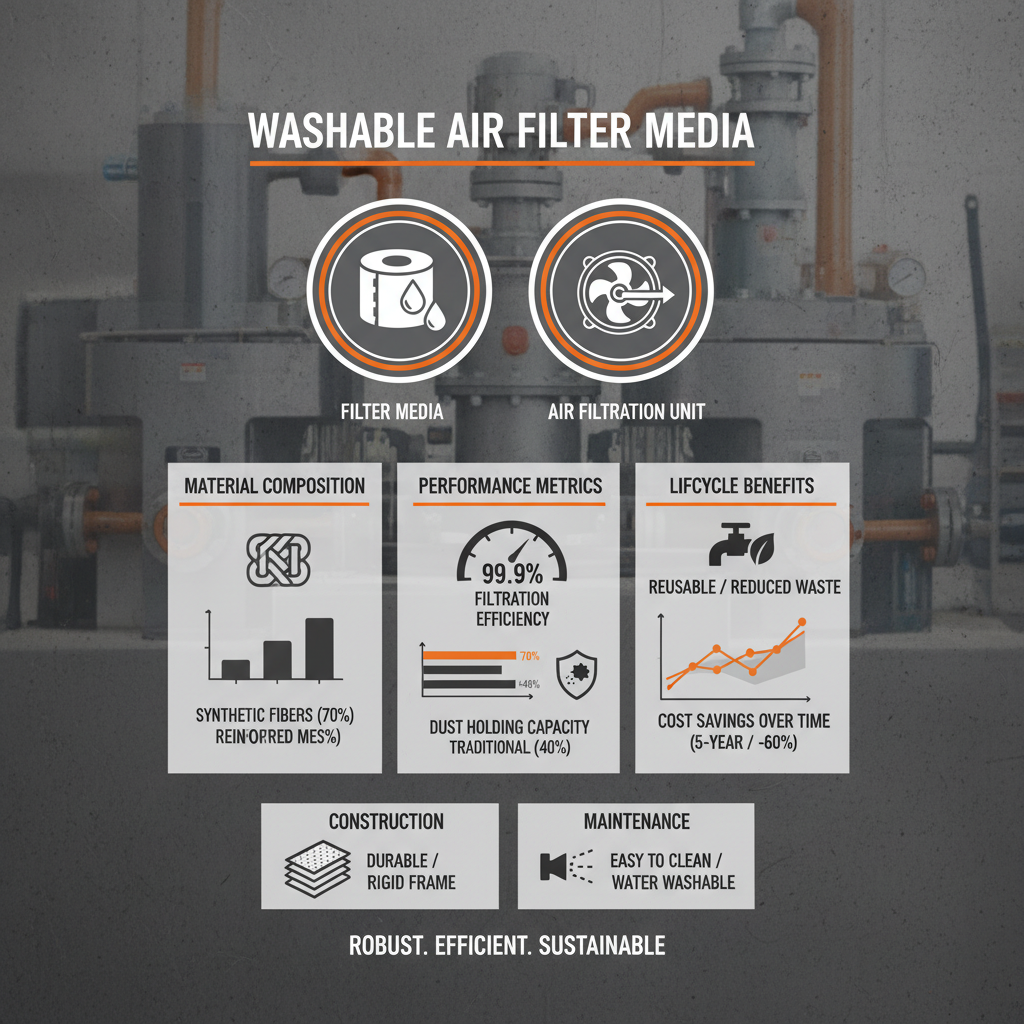
Choosing the appropriate washable air filter media depends on several factors, including the size of the filter, the type of contaminants being filtered, and the airflow requirements of the system. Consider the MERV (Minimum Efficiency Reporting Value) rating, which indicates the filter's ability to capture particles of different sizes. Higher MERV ratings indicate better filtration but may also restrict airflow. Filtersmaterials.com offers detailed product specifications and expert advice to help you select the optimal filter for your needs.
Investing in washable air filter media is a smart choice for those seeking a sustainable, cost-effective, and high-performing air filtration solution. By reducing waste, lowering long-term costs, and improving indoor air quality, these filters offer significant benefits for both residential and commercial applications. Explore the diverse range of options available at Filtersmaterials.com and make the switch today!
The cleaning frequency depends on your environment and the level of airborne contaminants. As a general guideline, inspect your filter monthly and clean it when it appears visibly dirty. In typical household settings, cleaning every 1-3 months is usually sufficient. In dusty or polluted environments, more frequent cleaning may be necessary. Always follow the manufacturer's instructions for cleaning, as improper cleaning can damage the filter and reduce its effectiveness. Avoid using harsh chemicals or abrasive cleaners, as these can degrade the filter material. Gently rinse the filter with water and allow it to dry completely before reinstalling.
The recommended cleaning method is to gently rinse the filter with lukewarm water. Avoid using soap or detergents, as these can leave a residue that attracts dust and reduces airflow. For heavily soiled filters, you can soak them in water for a few minutes to loosen the debris. After rinsing, allow the filter to air dry completely before reinstalling it. Do not use a hairdryer or other heat source to speed up the drying process, as this can damage the filter material. Ensure the filter is thoroughly dry to prevent mold and mildew growth.
Washable air filters can sometimes restrict airflow slightly more than a brand new disposable filter, particularly when they are dirty. However, a clean washable filter typically offers comparable airflow to a standard disposable filter. Choosing a filter with a lower MERV rating can help minimize airflow restriction. Regular cleaning is crucial to maintain optimal airflow. Also, consider the design of the filter media; some washable filters are specifically engineered for high airflow and efficient filtration.