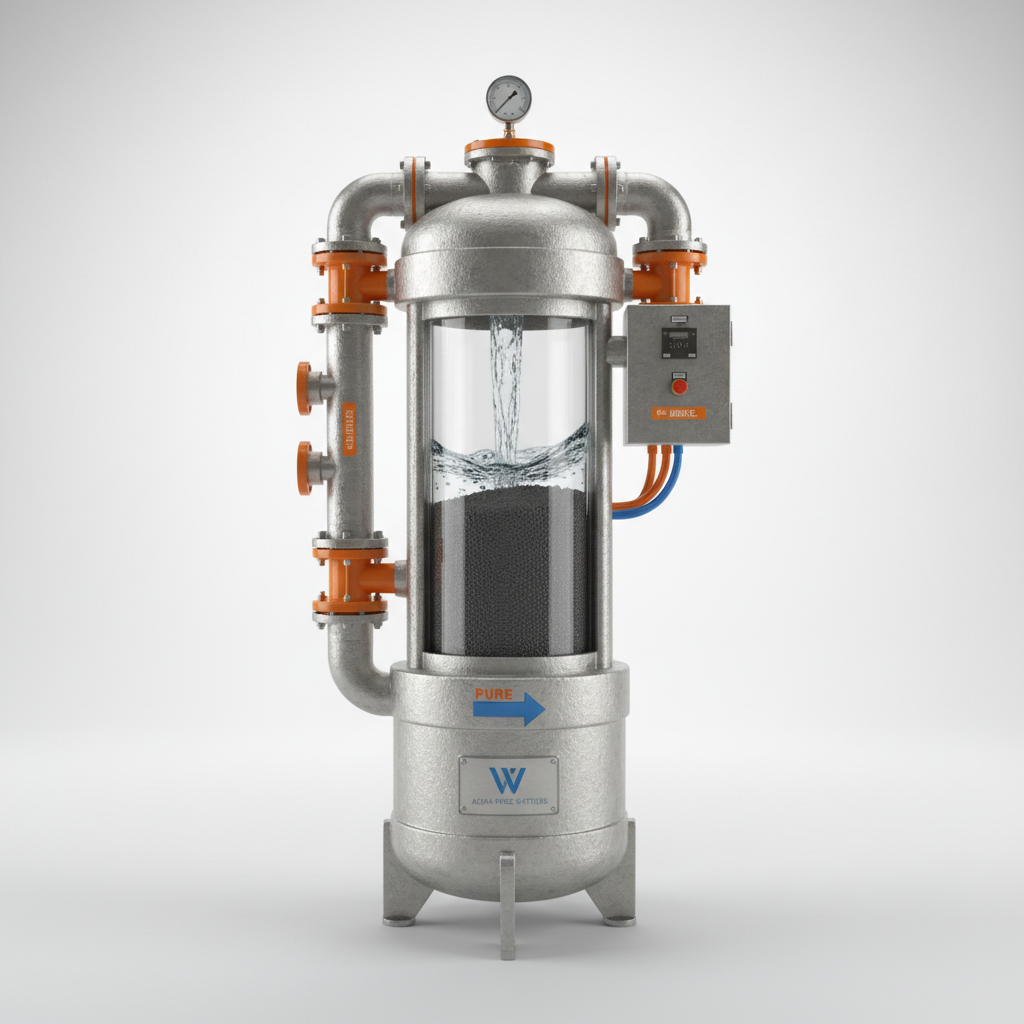
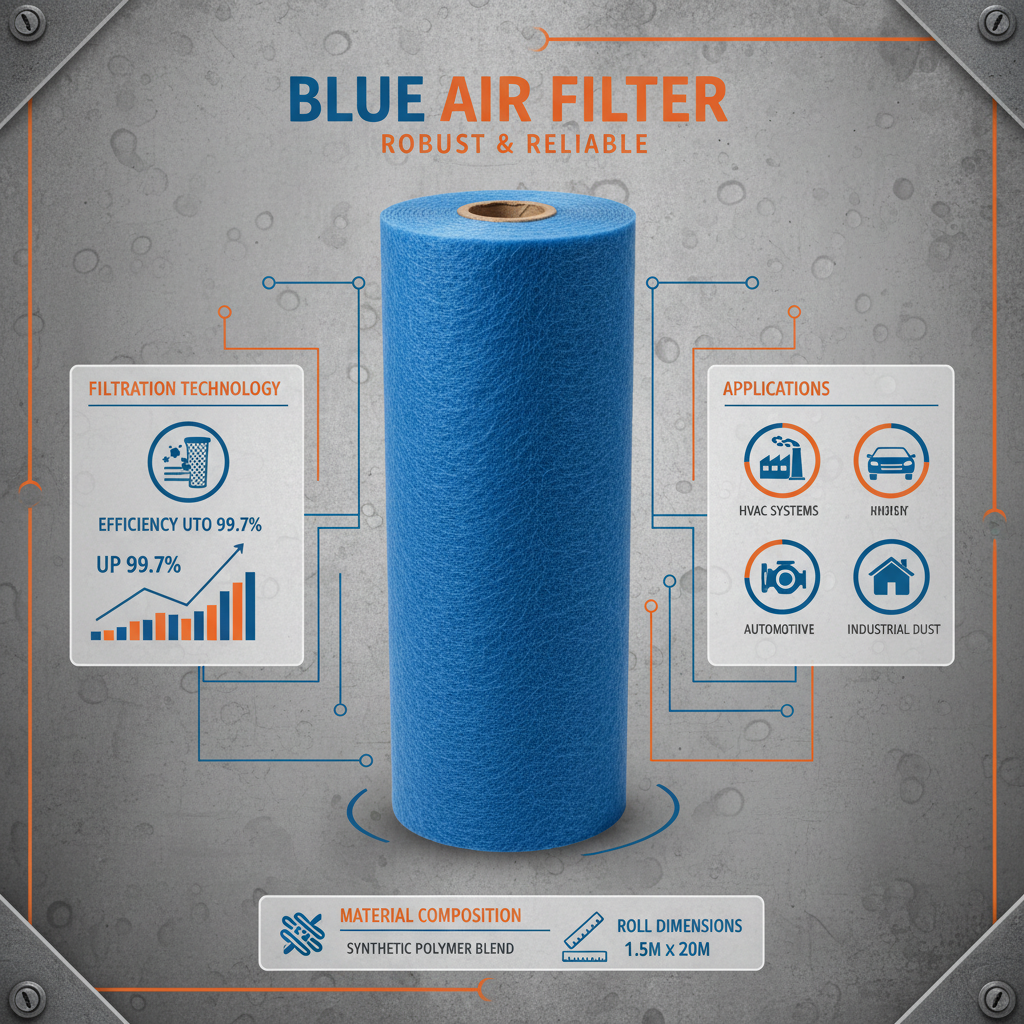
Look, I’ve spent the last fifteen years breathing dust on construction sites, getting to know materials from the ground up. I've seen a lot of filtration systems come and go, but when it comes to keeping air clean and processes running smoothly, you can’t beat a well-engineered f8 bag filter. It's not glamorous, but it's the backbone of so many industries – from cement production to power generation, even food processing. We’re talking about protecting workers, extending equipment life, and ensuring product quality, and the f8 bag filter does that day in and day out.
What sets these filters apart isn’t just the media itself, it’s the complete system. I've seen operators struggle with filters that are a pain to install, maintain, or dispose of. A good f8 bag filter system addresses all of those issues – a robust cage, efficient cleaning mechanisms, and a design that minimizes downtime. It’s about more than just stopping dust; it's about streamlining the entire process.
Honestly, too many folks think of filtration as an afterthought. They grab the cheapest option, and then end up paying for it in reduced efficiency, increased maintenance, and unhappy workers. Investing in a quality f8 bag filter – and a reliable supplier – is an investment in your entire operation. It's a pragmatic choice, and that’s what matters on the job site.
The Fundamental Role of f8 Bag Filters
Now, we’re talking about a crucial piece of equipment. An f8 bag filter is designed to remove particulate matter – dust, fumes, and other contaminants – from air or gas streams. It’s the workhorse of industrial air pollution control, keeping our air cleaner and our processes efficient. Think of a cement plant without them; it'd be a disaster.
From a practical standpoint, they're used everywhere: power plants, chemical processing, pharmaceuticals, food manufacturing…you name it. And the “f8” designation isn’t just a random number. It refers to the filter media's ability to capture particles of a specific size, generally meaning it can handle a fairly wide range of dust loads. This makes them a versatile and cost-effective solution for many applications.
Global Relevance and Industrial Impact
You're looking at a global market worth billions. The demand for effective air filtration is only increasing, driven by stricter environmental regulations – and rightfully so. Globally, the World Health Organization estimates that 99% of the population breathes air that exceeds WHO guideline limits, and industrial emissions are a significant contributor. F8 bag filters play a direct role in mitigating that.
The ISO standards for air quality, specifically ISO 16889, are central to how these filters are tested and rated. It’s not just about saying a filter works; it’s about proving it meets a defined performance level. And that impacts everything from permitting processes to operational efficiency. A plant that can demonstrate compliance with these standards is a plant that can stay open and operate responsibly.
The challenge is scaling up production and ensuring consistent quality across different manufacturers, especially in rapidly developing economies. You need a reliable supply chain and a partner who understands the regulatory landscape. That’s where experience and a strong reputation come into play.
Defining f8 Bag Filters: A Practical Perspective
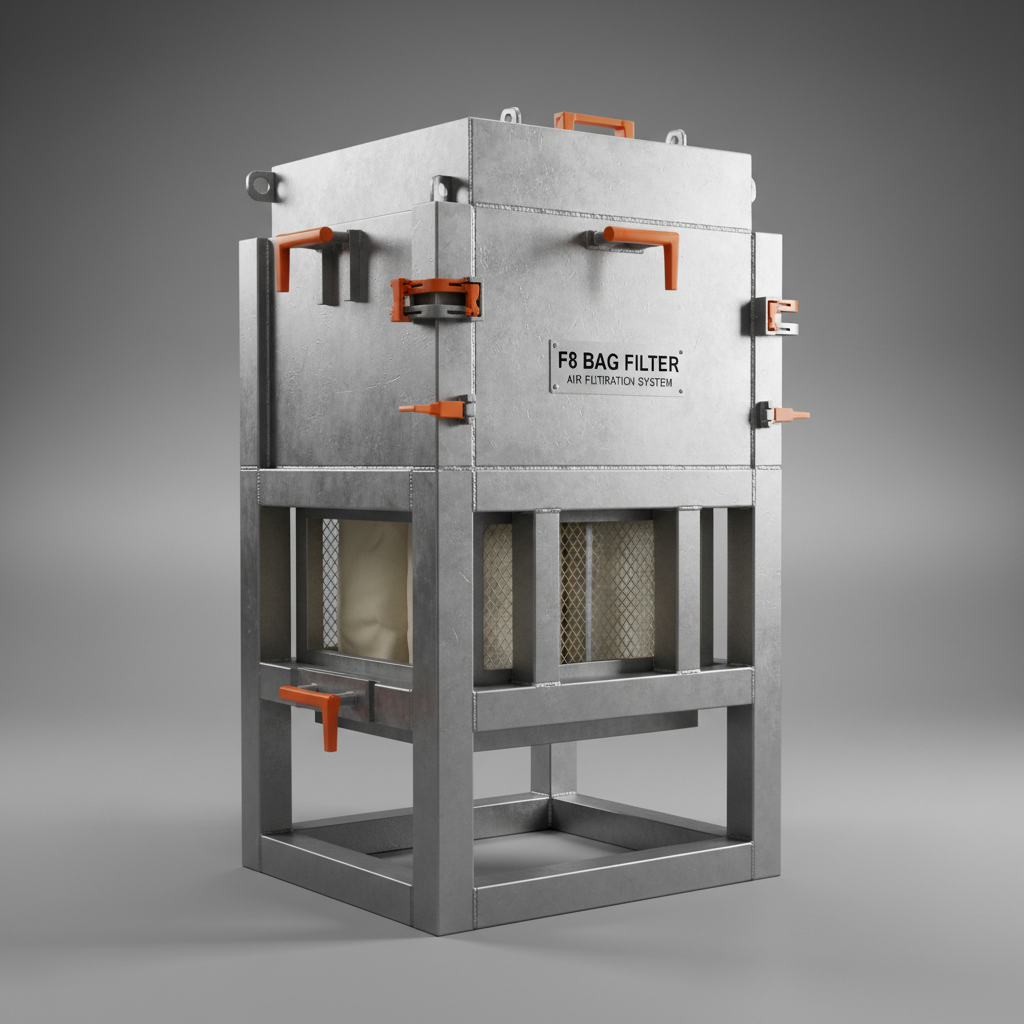
At its core, an f8 bag filter system consists of fabric filter bags suspended within a housing. Dirty air is forced through the fabric, and the particles are trapped, while clean air passes through. It sounds simple, but the devil is in the details – the fabric type, the bag shape, the cleaning mechanism, and the overall system design.
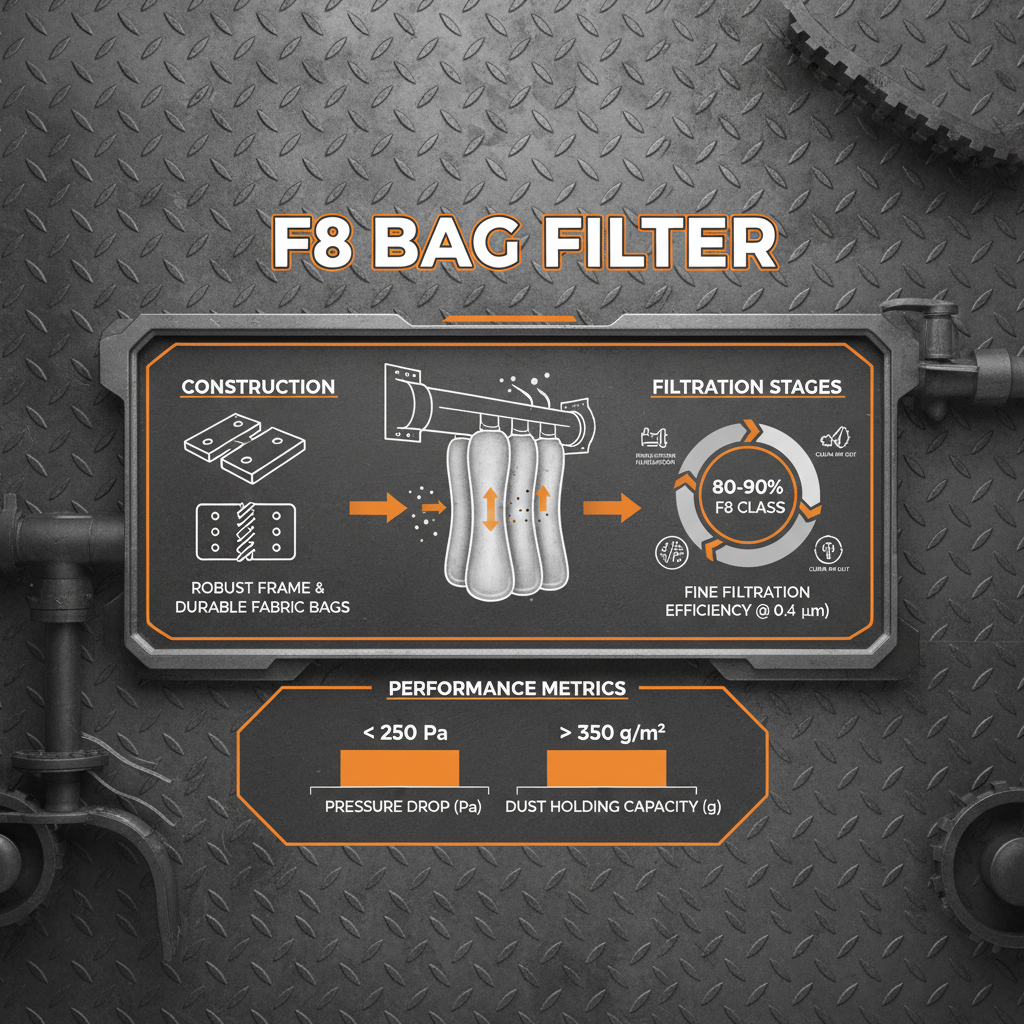
The “f8” rating signifies a specific level of filtration efficiency, indicating the filter can capture a significant percentage of particles within the 0.5 to 5 micron range. This makes them suitable for a wide range of industrial applications where moderate to high levels of dust control are required. Think of it as a standard benchmark that allows for consistent performance across different environments.
They're connected to modern industry and humanitarian needs because clean air is vital for worker safety and product integrity. In developing countries, where air pollution is often severe, effective filtration systems like these are essential for protecting public health and supporting sustainable industrial growth.
Key Factors Influencing f8 Bag Filter Performance
Alright, let's get down to brass tacks. Durability is huge. These filters take a beating – constant airflow, temperature fluctuations, exposure to corrosive materials. You need a fabric that can withstand those conditions. Then there's the cleaning mechanism – pulse-jet, reverse air, shaker – each has its pros and cons depending on the application.
Scalability is key too. A system that works great for a small workshop might not be suitable for a large-scale manufacturing facility. You need to be able to easily add or remove bags as your needs change. And cost-efficiency isn't just about the initial price of the filter; it's about the total cost of ownership – including maintenance, energy consumption, and disposal.
f8 Bag Filter Performance Metrics
Global Applications and Diverse Use Cases
In post-disaster relief operations, portable f8 bag filter systems are critical for creating safe breathing environments in areas affected by wildfires or industrial accidents. We’ve deployed them to sites where air quality was immediately dangerous to life and health.
In remote industrial zones – mining operations in the Andes, oil refineries in the Middle East – maintaining a reliable air filtration system can be a logistical nightmare. That’s where robust, easy-to-maintain f8 bag filters are absolutely essential.
Advantages and Long-Term Value Proposition
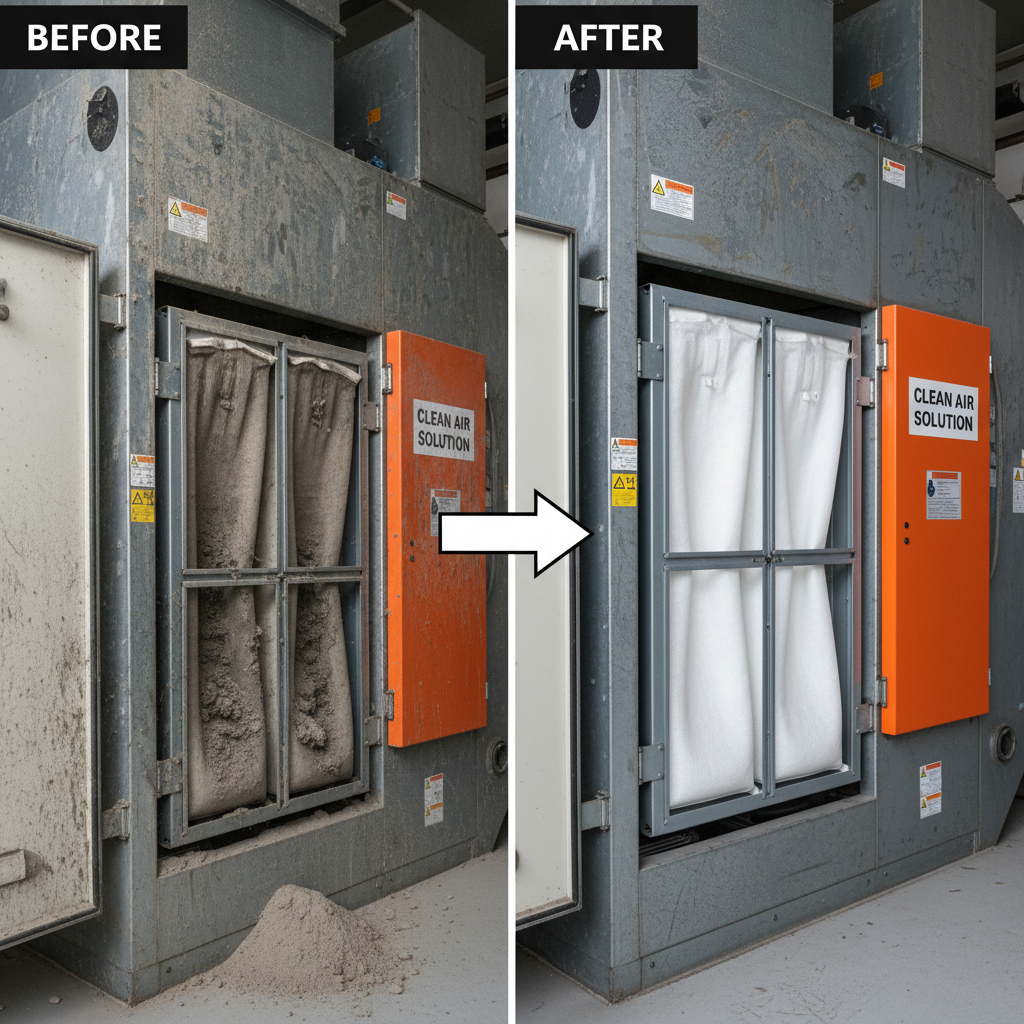
Tangible benefits? Lower maintenance costs, reduced energy consumption, increased equipment lifespan. But it goes beyond that. A properly functioning f8 bag filter system creates a safer work environment, leading to improved employee morale and reduced absenteeism.
It’s about trust. When operators know their air is clean, they can focus on their jobs without worrying about health risks. It's about innovation – constantly seeking ways to improve filtration efficiency and reduce environmental impact. And, let’s be honest, it's about peace of mind, knowing you're doing the right thing for your people and the planet.
Future Trends and Innovations in f8 Bag Filter Technology
We’re seeing a lot of development in nanotechnology for filter media, aiming to create filters with even higher efficiency and longer lifespan. Digital integration is also huge – sensors that monitor filter performance in real-time, predictive maintenance algorithms, and remote monitoring capabilities.
Sustainability is driving a move towards more biodegradable and recyclable filter materials. And with the growing emphasis on green energy, we’re seeing increased demand for filtration systems that can capture carbon emissions and other pollutants from renewable energy sources.
Automation plays a role too – automated cleaning systems, robotic filter replacement, and AI-powered optimization of filtration processes. It all comes down to making these systems more efficient, more reliable, and more environmentally friendly.
Overview of f8 Bag Filter Performance Analysis
| Filter Material |
Initial Pressure Drop (Pa) |
Filtration Efficiency (%) |
Lifespan (Months) |
| Polyester |
150 |
85 |
12 |
| Polypropylene |
120 |
90 |
9 |
| Aramid |
180 |
95 |
18 |
| Acrylic |
100 |
80 |
6 |
| P80 |
160 |
92 |
15 |
| Glass Fiber |
200 |
98 |
24 |
FAQS
The lifespan of an f8 bag filter in a cement plant can vary significantly depending on dust load, operating temperature, and filter material. However, a typical lifespan ranges from 12 to 24 months. Regular inspections and proper maintenance, such as pulse-jet cleaning, are crucial for maximizing filter life and preventing premature failure. Ultimately, it's about monitoring pressure drop and replacing the bags before they cause performance issues.
Preventative maintenance is key. Daily checks for visible damage, weekly inspections of the cleaning system, and monthly pressure drop measurements are a good starting point. Annual inspections by a qualified technician are also recommended to identify potential issues before they become major problems. Don’t skimp on maintenance—it’s cheaper than a full system breakdown.
For high-temperature applications, materials like Aramid (Nomex) and fiberglass are often the best choices. These materials can withstand temperatures up to 260°C (500°F) and offer excellent chemical resistance. Polyester and polypropylene are not suitable for these conditions as they will degrade rapidly at higher temperatures.
Determining the correct filter size involves several factors, including airflow rate, dust load, and available space. It’s best to consult with a filtration specialist who can perform a site assessment and recommend the appropriate filter size and configuration. Incorrect sizing can lead to reduced efficiency and premature filter failure.
F8 bag filters significantly reduce particulate matter emissions, contributing to improved air quality and reduced health risks. By capturing dust and fumes, they protect ecosystems and minimize the environmental impact of industrial processes. Choosing high-efficiency filters and implementing proper disposal practices further enhances these benefits.
Pulse-jet cleaning utilizes short bursts of compressed air to dislodge accumulated dust from the filter bags. A timer-controlled solenoid valve opens, releasing a pulse of air into the bag, causing it to shake and remove the dust cake. This process is automated and helps maintain consistent airflow and filtration efficiency. It's the most common cleaning method for industrial baghouses.
Conclusion
In the end, the f8 bag filter isn't just a component; it’s a critical part of a larger system, safeguarding operations, protecting the environment, and ensuring worker well-being. From its fundamental role in air pollution control to the ongoing innovations in materials and technology, these filters remain an indispensable asset across a diverse range of industries.
Looking ahead, investing in quality f8 bag filters and partnering with a knowledgeable supplier is a smart move. It’s about building a sustainable, efficient, and safe operation. Don’t cut corners – a little investment upfront can save you a lot of headaches (and money) down the road.