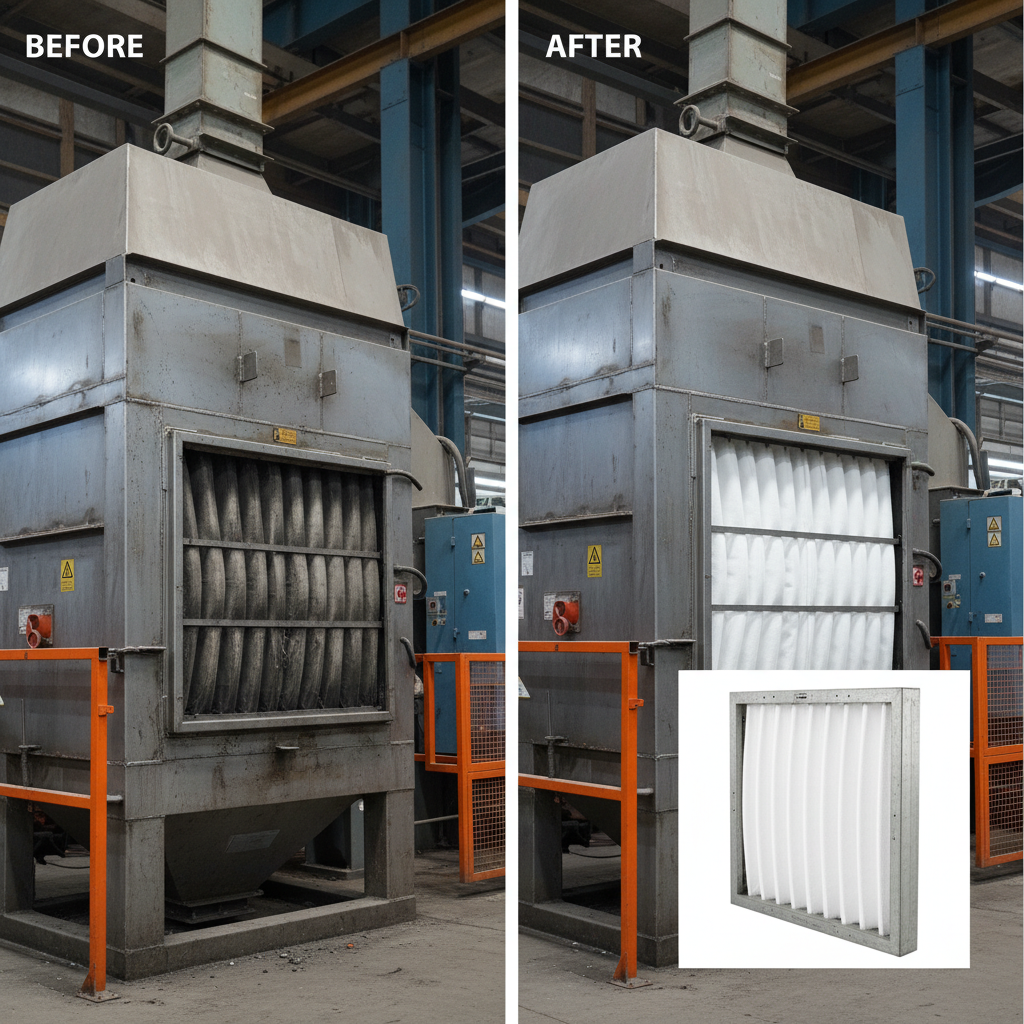
Look, I’ve spent the last fifteen years elbows-deep in construction, from bustling city builds to remote infrastructure projects. You learn a thing or two about what actually works out there, and what doesn’t. And lately, what’s been working – and what’s been crucial – is reliable filtration. We're talking about everything from dust control during demolition to clean water solutions on site. That’s where filter pockets come into play, and frankly, they’re a game changer. They’re no longer just an afterthought; they're integrated into the planning stages because uptime and safety depend on them.
It’s not just about meeting regulations, though that’s obviously important. It’s about keeping crews healthy, extending equipment life, and minimizing environmental impact. I’ve seen projects grind to a halt because of inadequate filtration, costing companies time and money. The demand for effective, adaptable, and robust solutions like filter pockets is only going to increase as environmental standards get stricter and project complexity grows. We're moving beyond basic filtration to systems that actively improve air and water quality, and that's where the smart money is going.
For years, we’ve been patching things together – using makeshift filters, constantly replacing worn-out components, and hoping for the best. Now, with advancements in filter pocket technology, we're seeing more durable, efficient, and cost-effective solutions. I’ve been involved in trials with several new designs, and the difference is noticeable. This isn't just about selling a product; it's about solving real-world problems for the people on the ground, the ones building our cities and infrastructure.
The Importance of Filter Pockets in Modern Construction
I've seen firsthand how crucial effective air and water filtration is on a construction site. It's not just about keeping dust down; it’s about protecting worker health, ensuring equipment longevity, and complying with increasingly strict environmental regulations. Filter pockets provide a versatile and scalable solution for managing these challenges, from HVAC systems to water treatment and dust collection.
The reality is, on a busy site, you need something that can handle a beating and consistently deliver. Cheap filters clog quickly, require constant replacement, and ultimately end up costing more in downtime and maintenance. Quality filter pockets are designed to withstand harsh conditions and maintain their efficiency over a longer lifespan, reducing both costs and headaches.
Defining Filter Pockets: Beyond the Basics
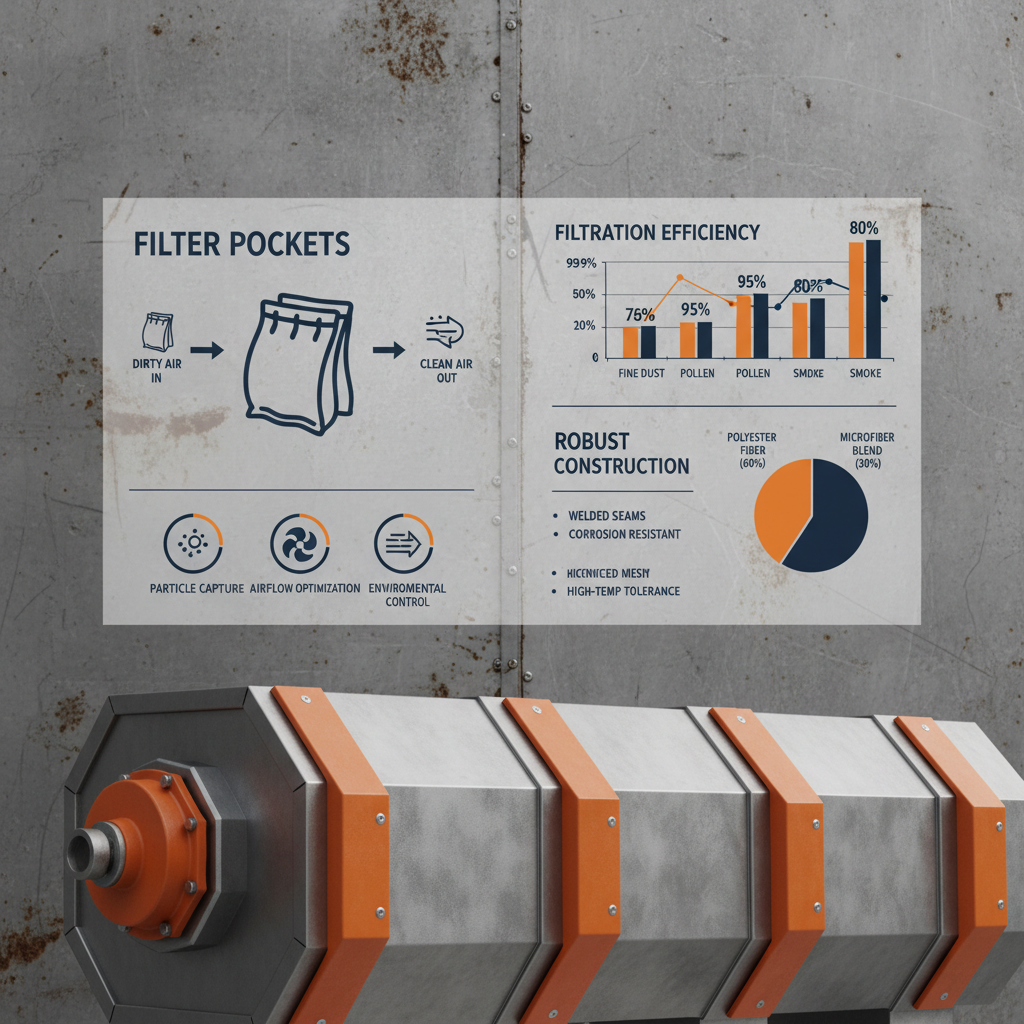
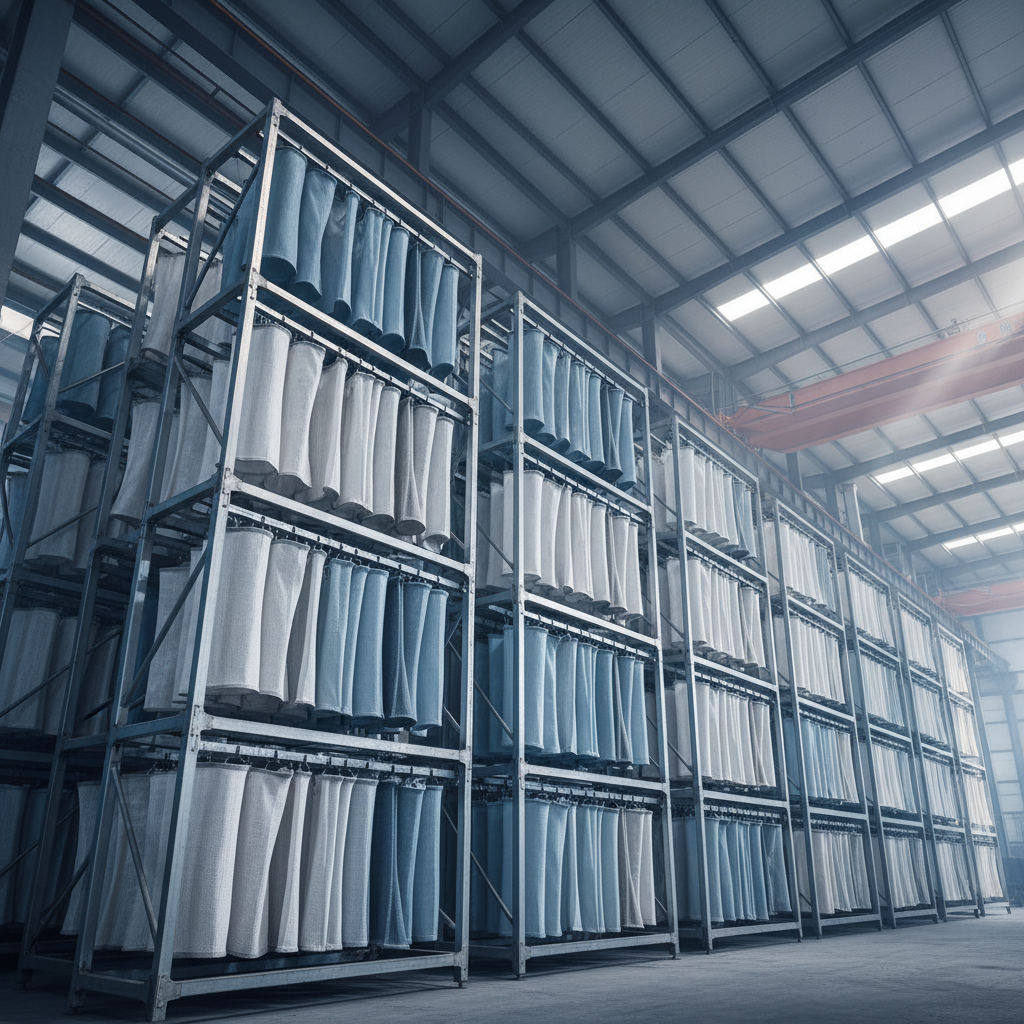
A filter pocket, at its core, is a containment system designed to capture particulate matter from air or liquids. But it’s evolved a lot. We're not just talking about simple fabric pouches anymore. Modern filter pockets incorporate advanced materials, multi-stage filtration layers, and robust frame designs for optimal performance. They can be customized to fit a wide range of applications and flow rates.
What sets them apart from traditional filters is their higher dust-holding capacity and lower initial resistance. This means less frequent changes, reduced pressure drop, and improved energy efficiency. I’ve seen sites move to progressive filter pockets – ones with increasing density layers – to capture everything from large debris to microscopic particles, maximizing filtration effectiveness.
It’s about understanding the specific needs of the project. Are we dealing with fine silica dust from concrete cutting? Large wood particles from demolition? Oil and grime from heavy machinery? The right filter pocket material and configuration are critical for achieving the desired level of cleanliness and air quality.
Key Factors in Filter Pocket Performance
Durability is paramount. A filter pocket that tears or collapses under pressure is worse than useless. The frame material, stitching quality, and overall construction need to be able to withstand the rigors of a construction environment.
Efficiency, measured by its MERV (Minimum Efficiency Reporting Value) rating, determines how effectively the pocket captures particles of different sizes. Higher MERV ratings mean better filtration, but also potentially higher resistance. Finding the right balance is key. We need to consider the air flow requirements of the system and the type of contaminants being filtered.
Cost-effectiveness isn’t just about the initial price tag. It's about the total cost of ownership, including replacement frequency, energy consumption, and potential downtime. A slightly more expensive, higher-quality filter pocket can often save money in the long run.
Global Applications and Diverse Use Cases
I've seen filter pockets used in everything from HVAC systems in high-rise buildings to dust control measures during road construction. In post-disaster relief operations, they're essential for creating clean air shelters and purifying water sources. They are deployed in remote industrial zones where air quality is often compromised by mining or manufacturing processes.
The applications are really quite broad. They’re critical in woodworking shops for capturing sawdust, in paint booths for removing overspray, and in pharmaceutical manufacturing facilities for maintaining sterile environments. Even in agricultural settings, they’re used to filter air and water for livestock and crop production.
We’re seeing increased demand in countries with rapidly developing infrastructure, particularly in Asia and Africa, where air and water quality are major concerns. The need for reliable and affordable filtration solutions is only going to grow as these regions continue to modernize.
Filter Pocket Performance Comparison
Advantages and Long-Term Value Proposition
The tangible benefits are clear: reduced maintenance costs, lower energy consumption, and improved air quality. But it goes deeper than that. A commitment to effective filtration demonstrates a commitment to worker safety and environmental responsibility – that builds trust with clients, employees, and the community.
A healthier workforce is a more productive workforce. Reducing exposure to dust and other airborne contaminants minimizes sick days and improves overall well-being. And a cleaner work environment simply feels better, boosting morale and creating a more positive atmosphere.
Future Trends and Innovations in Filter Pocket Technology
We're starting to see the integration of smart technology into filter pockets – sensors that monitor pressure drop, filter loading, and air quality in real-time. This data can be used to optimize filter replacement schedules and predict potential failures.
There's also a growing focus on sustainable materials – biodegradable filter media and recyclable frame components. As the construction industry moves towards greener practices, demand for eco-friendly filtration solutions will only increase. We’re even exploring self-cleaning filter pockets using electrostatic or ultrasonic technologies.
I also believe we’ll see more customized solutions tailored to specific applications and environments. The days of one-size-fits-all filtration are numbered.
Challenges and Practical Solutions
One of the biggest challenges is ensuring proper installation and maintenance. A poorly installed filter pocket is as good as no filter pocket at all. Proper training for site personnel is essential.
Another challenge is dealing with extreme conditions – high humidity, corrosive environments, or heavy dust loads. Choosing the right materials and regularly inspecting filter pockets for damage are crucial.
To overcome these challenges, we need to move towards more robust designs, user-friendly installation procedures, and proactive maintenance programs. The focus needs to be on making it easy for contractors to implement and maintain effective filtration systems.
Summary of Filter Pocket Challenges and Solutions
| Challenge |
Impact on Project |
Proposed Solution |
Implementation Cost (1-10) |
| Improper Installation |
Reduced Filtration Efficiency |
Comprehensive Training Programs |
4 |
| Harsh Environmental Conditions |
Accelerated Filter Degradation |
Use of Corrosion-Resistant Materials |
6 |
| Inadequate Maintenance |
Increased Downtime & Costs |
Scheduled Inspections & Replacements |
3 |
| Lack of Real-Time Monitoring |
Inefficient Filter Replacement |
Integration of Sensor Technology |
8 |
| High Initial Cost |
Budget Constraints |
Life Cycle Cost Analysis |
5 |
| Limited Material Options |
Difficulty Meeting Specific Needs |
Development of New Filter Media |
7 |
FAQS
High-efficiency filter pockets utilize more advanced materials and multi-layer designs to capture a wider range of particle sizes. They typically have a higher MERV rating, meaning they can remove smaller contaminants like bacteria and viruses. While more expensive upfront, they offer superior air quality and can reduce maintenance costs due to less frequent replacements.
Replacement frequency depends heavily on the environment and the type of contaminants. A good rule of thumb is to inspect pockets weekly and replace them when visibly dirty or when pressure drop exceeds recommended levels. In heavily dusty environments, monthly replacements might be necessary. Regularly monitoring performance is key to optimal filtration.
Yes, regulations vary by location, but most jurisdictions have standards for air quality and dust control on construction sites. OSHA in the US, for example, has requirements for silica dust exposure. Filter pockets play a critical role in complying with these regulations and protecting worker health. It's crucial to check local regulations.
Consider the type of contaminants you need to filter, the airflow rate of the system, and the operating environment. A higher MERV rating doesn’t always mean better performance – it can also increase resistance. Consulting with a filtration specialist can help you select the optimal pocket for your needs. Consider material compatibility with the environment.
High-quality filter pockets reduce the release of harmful particles into the atmosphere, improving air quality and protecting the environment. They can also help conserve energy by reducing pressure drop in HVAC systems. Furthermore, choosing sustainable filter materials and proper disposal practices minimizes environmental impact.
Most filter pockets are designed for single-use and should be replaced when they become clogged or damaged. Attempting to clean them can compromise their integrity and reduce their filtration efficiency. However, some specialized pockets with durable frames and washable media are available for limited reuse, but this is less common on construction sites.
Conclusion
Ultimately, filter pockets are no longer a "nice-to-have" on construction sites; they’re a necessity. From protecting worker health to ensuring regulatory compliance and minimizing environmental impact, their benefits are undeniable. Investing in quality filtration isn’t just about saving money in the long run; it’s about building a safer, more sustainable, and more responsible industry.
The future of filtration lies in innovation – smarter materials, integrated sensors, and customized solutions tailored to specific project needs. Staying ahead of the curve and embracing these advancements will be crucial for contractors looking to improve efficiency, reduce costs, and maintain a competitive edge. Visit our website at www.filtersmaterials.com to learn more about our comprehensive range of filter pocket solutions.