0%

Table of Contents

Pocket bag air filters are becoming increasingly critical across a wide range of applications, from maintaining indoor air quality in commercial buildings to protecting sensitive equipment in industrial environments. They offer a cost-effective and efficient solution for particulate filtration, addressing growing concerns about air pollution and its impact on health and productivity. As someone who's spent years walking job sites, seeing the dust and debris that builds up, you quickly realize how essential clean air is, not just for people but for keeping equipment running smoothly.

The demand for reliable air filtration is only going to increase as global urbanization continues and industrial activity expands. Regulations regarding air quality are becoming stricter, pushing businesses and governments to invest in solutions like pocket bag air filters. I’ve seen firsthand how a simple filter change can make a massive difference in worker comfort and a project's efficiency. The trick is finding the right filter for the job – it's not a one-size-fits-all kind of thing.

These filters aren't just about compliance; they’re about creating healthier and more productive spaces. They play a vital role in protecting both human health and the longevity of valuable assets. The construction industry is particularly reliant on effective filtration, from protecting sensitive electronics on site to mitigating dust exposure for workers. Understanding the nuances of pocket bag air filters is key to tackling these challenges.
Understanding Pocket Bag Air Filters for Enhanced Air Quality and Efficiency

The Core Principles of Pocket Bag Air Filters

Understanding Pocket Bag Air Filters for Enhanced Air Quality and Efficiency

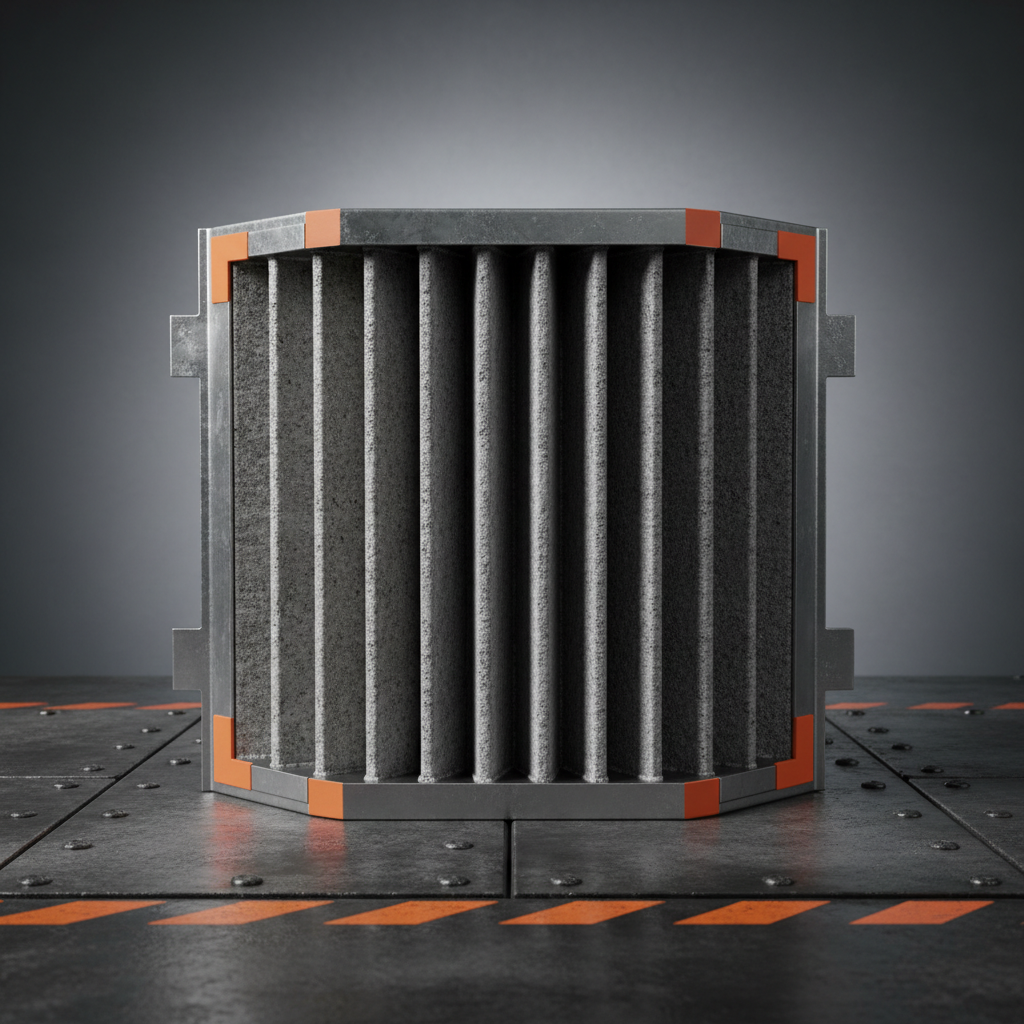
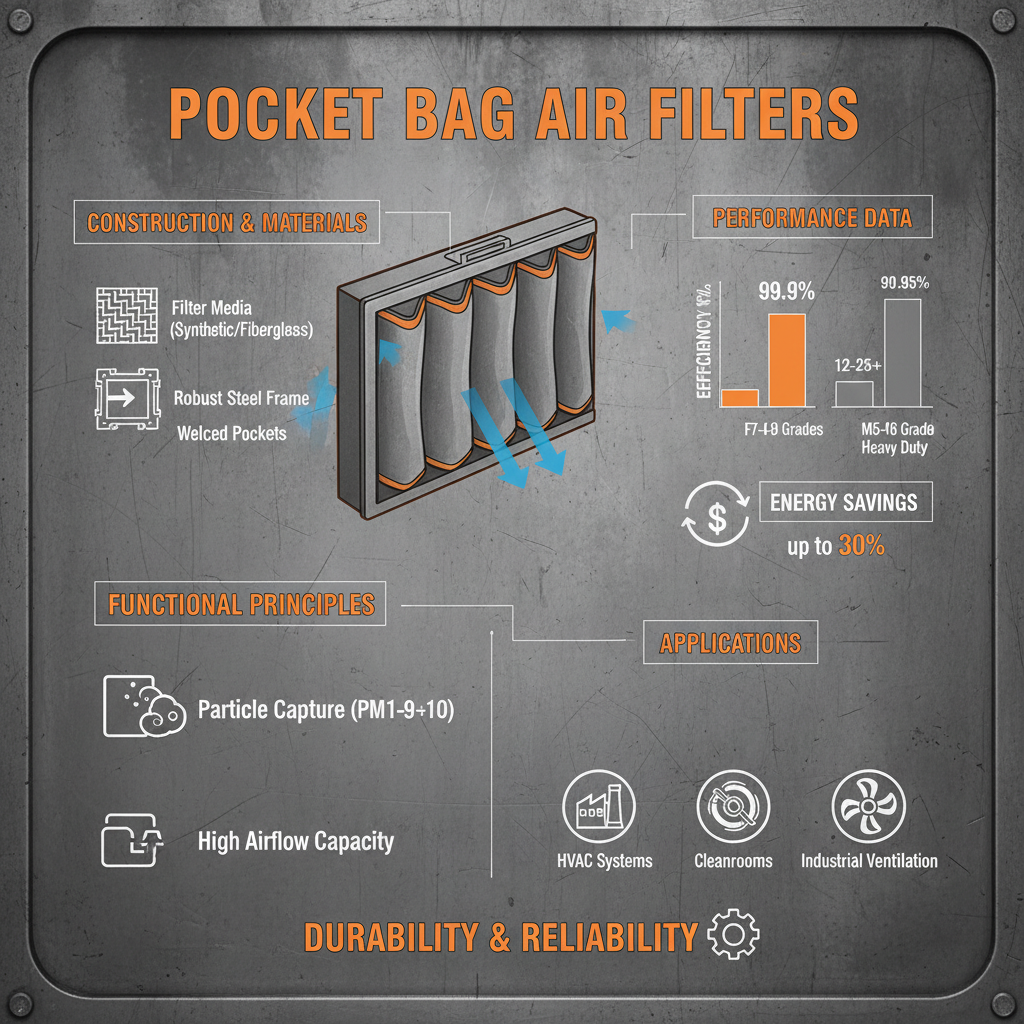
At their core, pocket bag air filters work on the principle of mechanical filtration. Air is forced through a series of woven or non-woven fabric pockets, trapping particulate matter of varying sizes. The effectiveness relies on the filter media’s construction – the density of the material, the shape of the pockets, and the overall surface area. I’ve seen cheap filters collapse under pressure, rendering them useless; the build quality matters.

What sets these filters apart is their ability to balance high efficiency with relatively low pressure drop. This means they can capture a significant amount of dust and debris without drastically reducing airflow, which is crucial in HVAC systems. If airflow drops, you're sacrificing efficiency and potentially damaging equipment. Finding that balance is key.

Global Relevance and Industry Standards

The need for effective air filtration is a global issue, exacerbated by increasing industrialization and urbanization in developing nations. The World Health Organization estimates that 99% of the global population breathes air that exceeds WHO air quality limits. This drives demand for solutions like pocket bag air filters to mitigate health risks and improve environmental conditions.

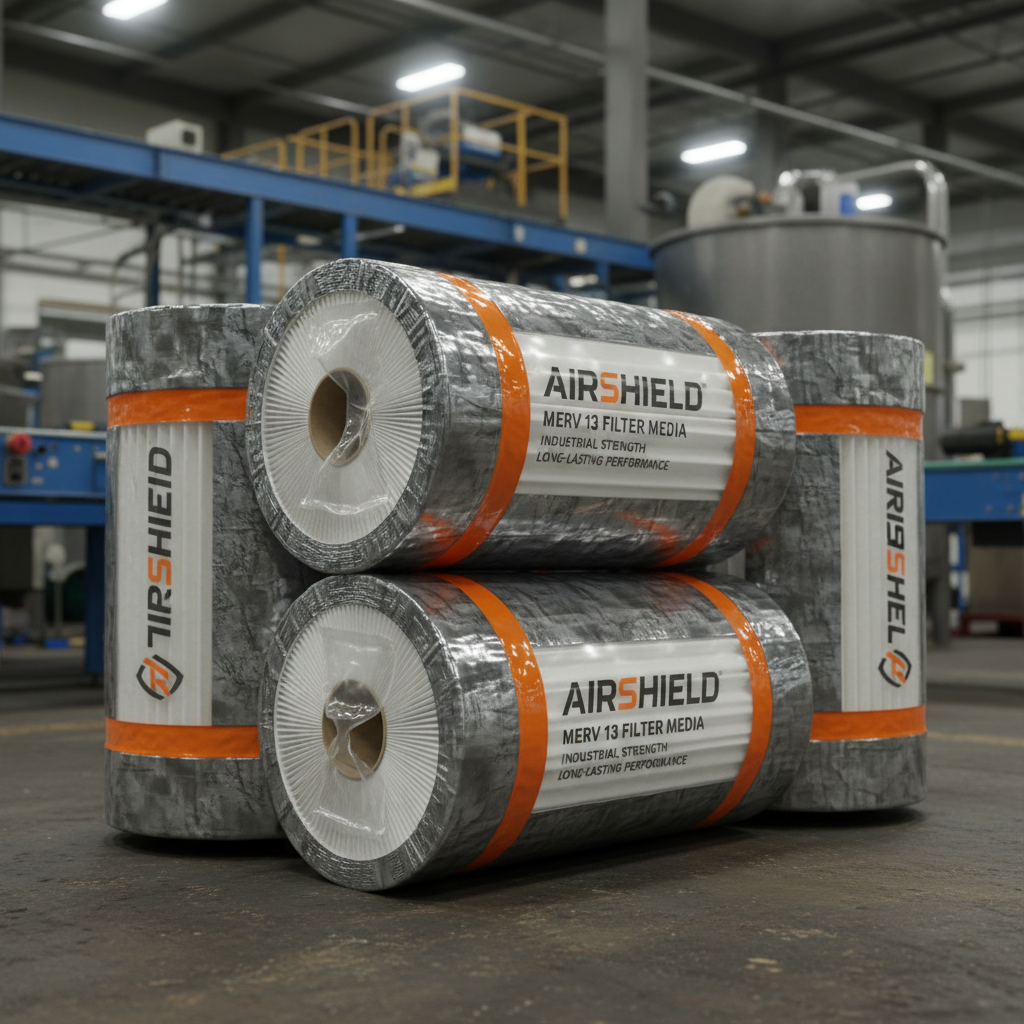
Internationally recognized standards, such as those established by ISO (International Organization for Standardization) and EN (European Norms), dictate performance criteria for air filters. These standards define MERV (Minimum Efficiency Reporting Value) ratings, which quantify a filter’s ability to capture particles of different sizes. Knowing these standards is vital for spec’ing the right filter for any project.

Regulations are also becoming stricter in many regions, requiring industries to implement advanced air filtration systems to comply with environmental regulations. This is especially true in sectors like manufacturing, pharmaceuticals, and healthcare, where maintaining a clean air environment is paramount.

Defining Pocket Bag Air Filters: A Practical Approach

Simply put, pocket bag air filters are constructed from layers of non-woven synthetic fibers formed into individual pockets. These pockets increase the surface area available for capturing airborne particles, resulting in higher filtration efficiency and longer filter life. I've seen these filters used everywhere from protecting expensive machinery to keeping dust out of cleanrooms.

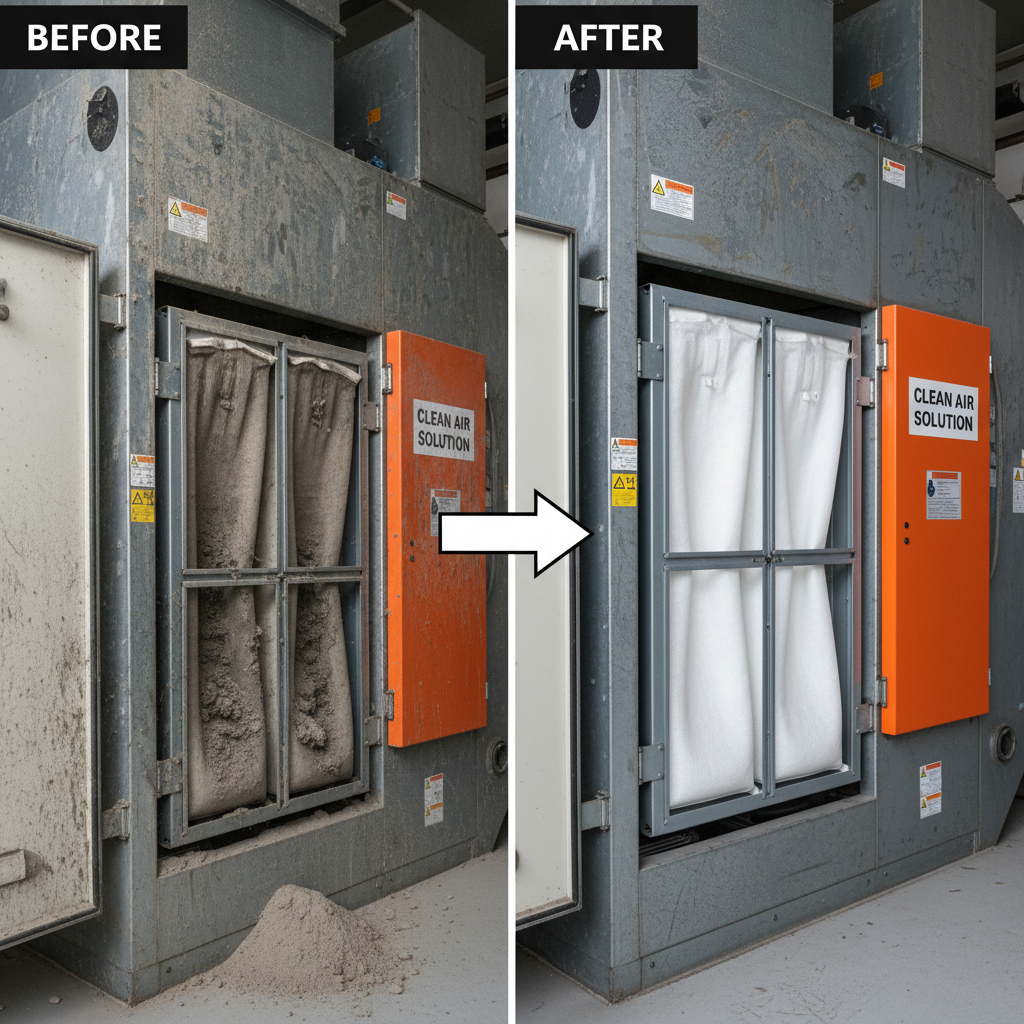
Unlike pleated filters that can become clogged quickly, the pocket design allows for more even distribution of dust and debris, extending the filter's usable life. This translates to lower maintenance costs and fewer filter changes – a big win for any project manager. It's a simple concept, but the execution is what matters.

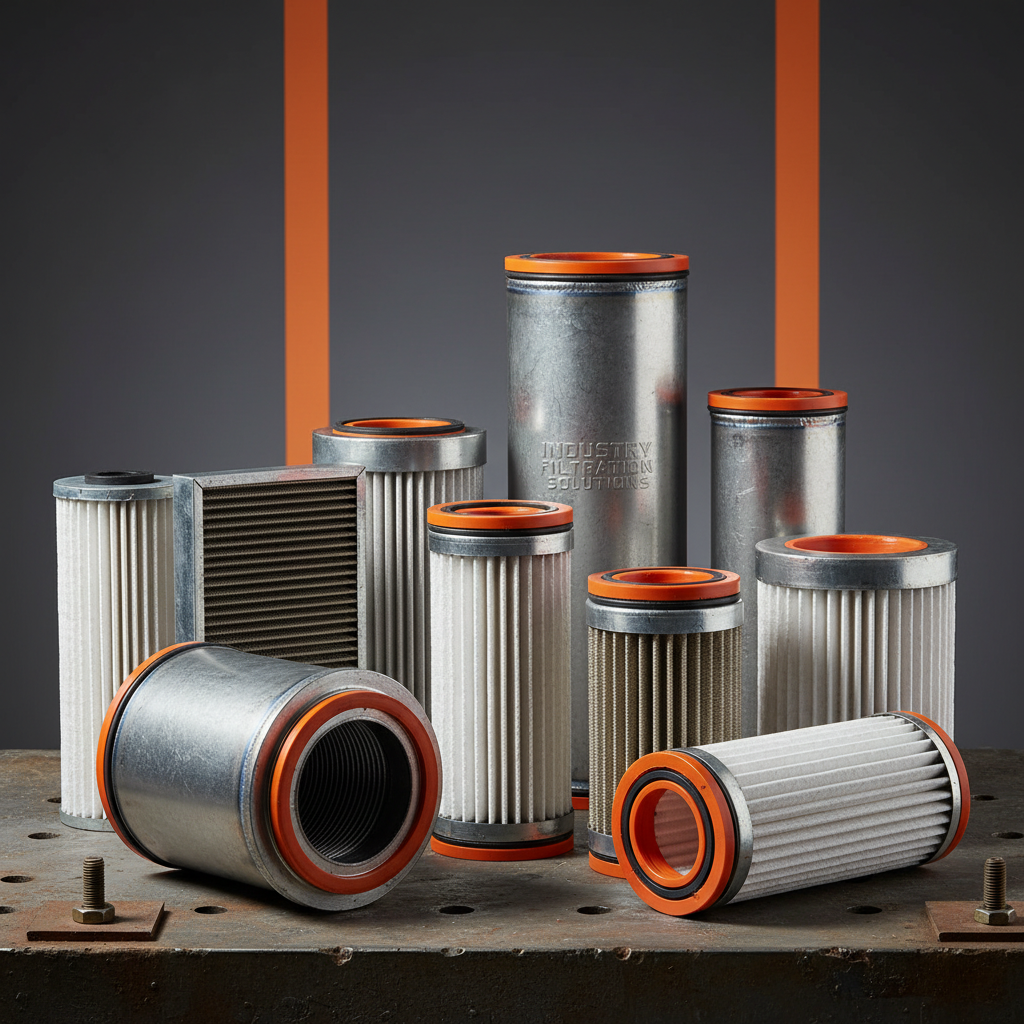
Their application extends beyond HVAC systems. They're also used in dust collection systems, paint booths, and even in respirators for personal protection. The versatility of pocket bag filters makes them a staple in many industries.

Key Characteristics of Effective Pocket Bag Filters

The durability of a pocket bag air filter is paramount. A filter that tears or loses its shape under pressure is useless. Look for filters with robust stitching and high-quality materials that can withstand consistent airflow and dust loading. I’ve learned the hard way that cheap filters often fail prematurely.

Scalability is another crucial factor. The ability to customize filter sizes and configurations to fit specific HVAC systems or equipment is essential. Not every system is the same, and a one-size-fits-all approach rarely works.

Pocket Bag Air Filter Performance Metrics


Real-World Applications of Pocket Bag Air Filters

I've seen pocket bag air filters used extensively in commercial HVAC systems, providing a cost-effective way to improve indoor air quality in offices, schools, and hospitals. They're a go-to for large buildings because of their efficiency and relatively low maintenance.

In industrial settings, they’re crucial for protecting sensitive equipment from dust and debris in manufacturing plants, food processing facilities, and pharmaceutical production environments. Keeping contaminants out of these processes is vital for maintaining product quality and preventing costly downtime.

Advantages and Long-Term Value Proposition

The cost-effectiveness of pocket bag air filters is a major draw. They offer a good balance between initial cost, filter life, and filtration efficiency. They're typically cheaper to purchase and replace than some of the more advanced filtration systems. This is a big factor for budget-conscious project managers.

Beyond cost, there's the sustainability aspect. Longer filter life means less waste, and many manufacturers are now exploring the use of recycled materials in their construction. This is increasingly important as companies strive to reduce their environmental impact.

Future Trends and Innovation in Air Filtration

We're starting to see the integration of smart technology into air filtration systems, with sensors that monitor filter life and air quality in real-time. This allows for predictive maintenance and optimized filter replacement schedules. Knowing when a filter actually needs changing, not just following a set schedule, saves money and improves performance.

The development of more advanced filter media, incorporating nanomaterials and antimicrobial coatings, is also on the horizon. These innovations promise to deliver even higher filtration efficiency and improved protection against airborne pathogens.

Summary of Pocket Bag Air Filter Challenges and Solutions

Challenge Impact Proposed Solution Implementation Cost (1-10)
Low Initial Awareness Suboptimal Filter Selection Educational Workshops and Online Resources 3
Filter Clogging Reduced Airflow & Efficiency Pre-Filters for Large Particles 2
Inconsistent Quality Premature Filter Failure Vendor Qualification & Quality Control 6
Pressure Drop Increased Energy Consumption Optimized Filter Selection & System Design 5
Lack of Monitoring Unscheduled Maintenance Pressure Sensors & Filter Life Indicators 7
Disposal of Used Filters Environmental Impact Recycling Programs & Sustainable Materials 4

FAQS

What is the typical lifespan of a pocket bag air filter?

The lifespan of a pocket bag air filter varies significantly based on factors like air quality, dust loading, and filter MERV rating. Generally, they last between 3 to 6 months in typical commercial HVAC applications, but can require more frequent changes in heavily polluted environments or industrial settings. Regularly checking the pressure drop across the filter is the best way to determine when it needs replacing.

How do I choose the right MERV rating for my application?

Choosing the right MERV rating depends on the type of particles you need to capture. Lower MERV ratings (1-4) are suitable for basic particulate removal, while higher ratings (8-13) are better for capturing smaller particles like pollen, dust mites, and mold spores. In industrial settings where fine dust is a concern, MERV 14-16 filters may be necessary. Consider the system's capacity and pressure drop limitations as well.

Are pocket bag air filters washable and reusable?

Generally, pocket bag air filters are not designed to be washable and reused. Washing them can damage the filter media, reducing its effectiveness and potentially releasing trapped particles back into the air. They are considered disposable filters. While some filters can be vacuumed gently to remove loose debris, this only offers a temporary extension of their lifespan.

What is the difference between a pocket bag filter and a pleated filter?

Pocket bag filters have a unique pocket design that distributes dust loading more evenly, resulting in a longer filter life and lower pressure drop. Pleated filters, while initially more efficient, tend to clog more quickly, increasing pressure drop and requiring more frequent changes. Pocket bag filters are often a more cost-effective choice in the long run, especially in high-dust environments.

How do I properly dispose of used pocket bag air filters?

Used pocket bag air filters should be disposed of according to local regulations. Depending on the contaminants they've captured, they may be considered non-hazardous waste. Sealing the filters in a plastic bag before disposal is recommended to prevent the release of dust and debris. Some manufacturers offer filter recycling programs.

Can pocket bag air filters help with allergy symptoms?

Yes, pocket bag air filters, particularly those with higher MERV ratings, can significantly reduce airborne allergens like pollen, dust mites, and pet dander. By capturing these particles, they can help alleviate allergy symptoms and improve indoor air quality. Using a filter with a MERV rating of 8 or higher is generally recommended for allergy sufferers.

Conclusion

Pocket bag air filters are a critical component in maintaining air quality across a diverse range of applications. From their cost-effectiveness and efficiency to their scalability and increasingly sustainable options, they offer a compelling solution to the growing need for cleaner air. Understanding their core principles, industry standards, and future trends is vital for making informed decisions and optimizing performance.

As technology advances and regulations tighten, the role of pocket bag air filters will only become more prominent. Investing in the right filters and implementing proactive maintenance strategies will not only improve indoor air quality but also contribute to a healthier, more productive, and sustainable future. For more information and to explore our range of pocket bag air filters, visit our website: www.filtersmaterials.com

Daniel Wilson

Daniel Wilson

Daniel Wilson is the Application Engineer for Hebei Fangyu Filter Material Technology Co., Ltd, focused on supporting customers with technical expertise. He assists clients in selecting the optimal filter media for their specific applications – whether it’s a pre-filter non-woven fabric for dust removal or a glass microfiber filter for
Previous Optimizing Air Quality with High Efficiency Pocket Bag Filter Systems
Next Reliable Filter Pockets Revolutionizing Construction Filtration Systems