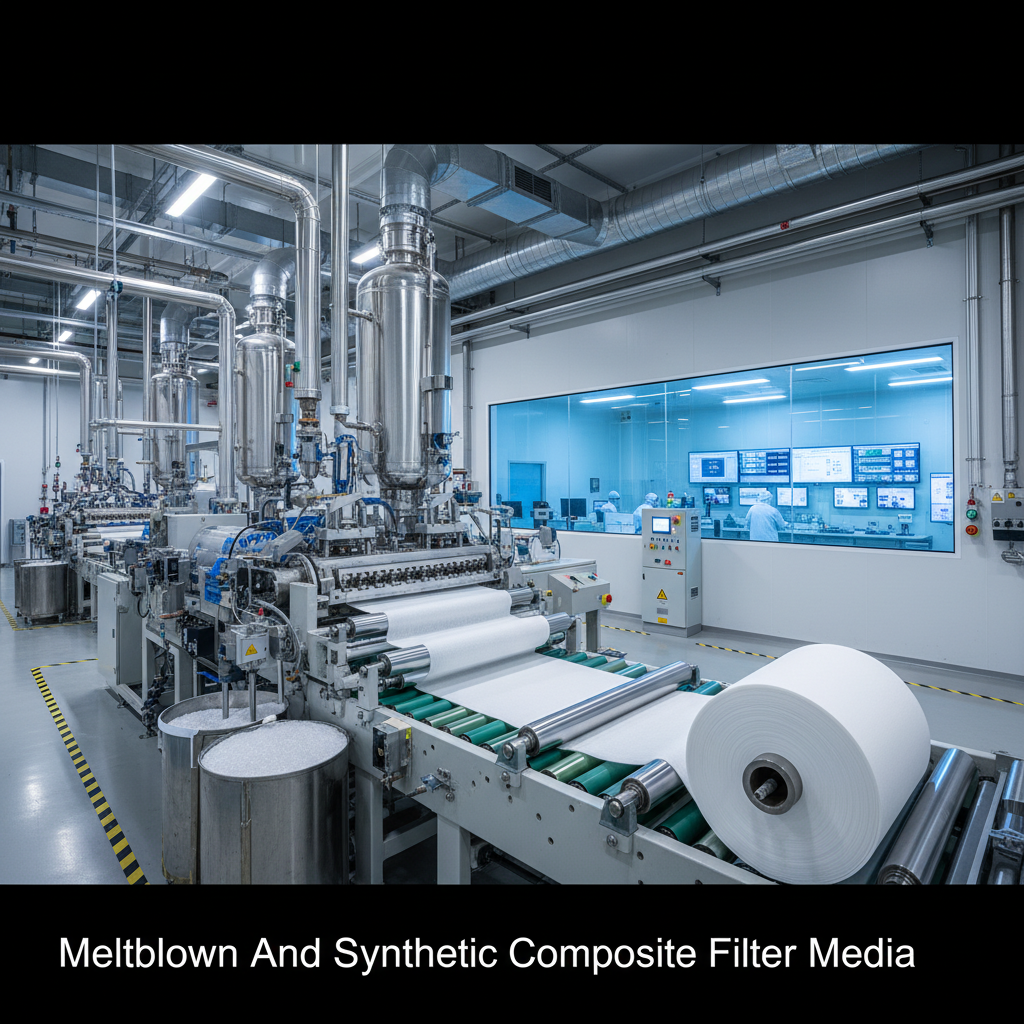
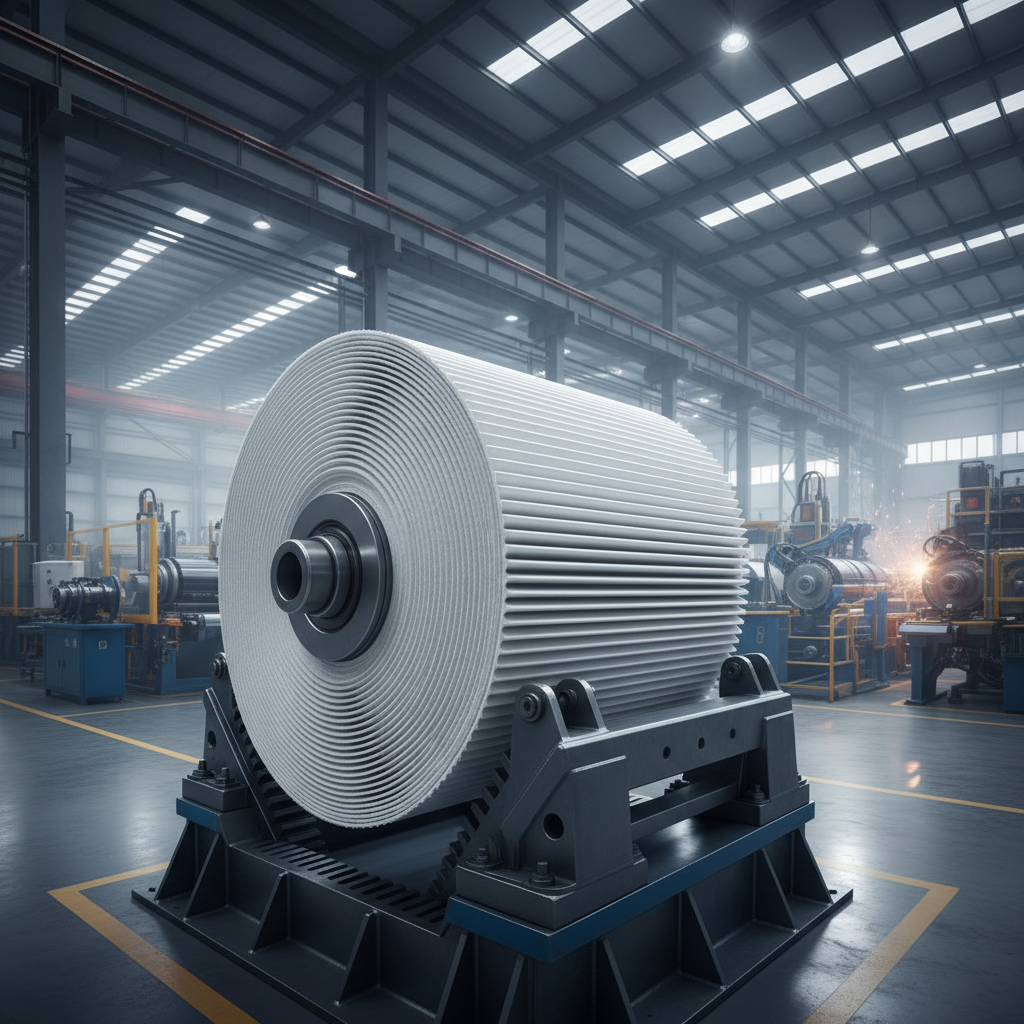
Nonwoven fabrics represent a dynamic and rapidly evolving field within materials science, impacting a vast range of industries globally. From healthcare and hygiene to agriculture and civil engineering, these versatile materials offer unique properties that address critical needs in diverse applications. Understanding the principles behind nonwoven fabric production, characteristics, and applications is crucial for innovators, manufacturers, and consumers alike, driving advancements and fostering sustainable solutions.
The global demand for nonwoven fabric is substantial and continues to grow, fueled by increasing population, rising hygiene standards, and a growing awareness of sustainable materials. According to industry reports, the market is projected to reach significant values in the coming years, demonstrating its resilience and adaptability. This expansion is particularly noticeable in emerging economies, where demand for affordable and effective materials is high.
Nonwoven fabrics are not simply alternatives to traditional textiles; they are often superior solutions when considering cost-effectiveness, specific performance requirements, and scalability. Their unique production methods allow for tailored properties, addressing challenges that conventional fabrics cannot effectively meet. This makes them integral to numerous sectors and a key driver of innovation.
Introduction to nonwoven fabric
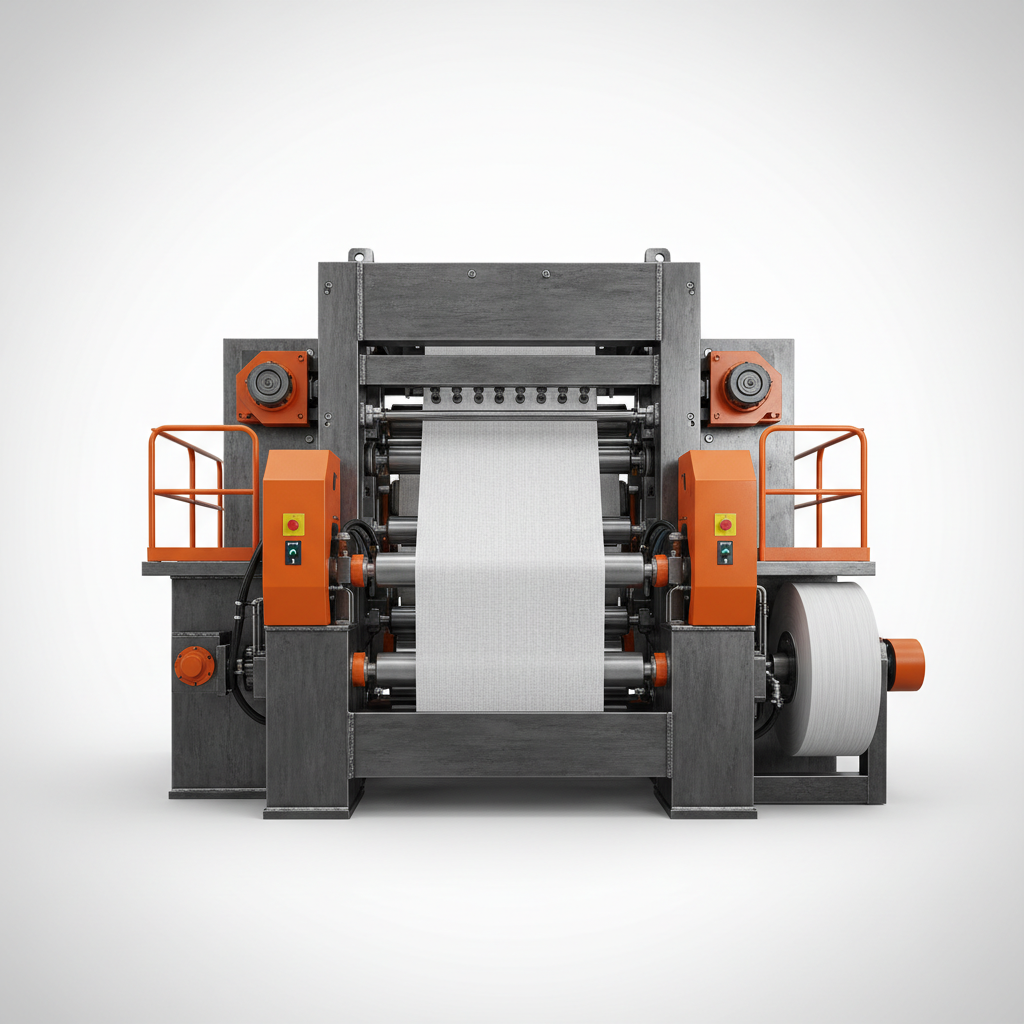
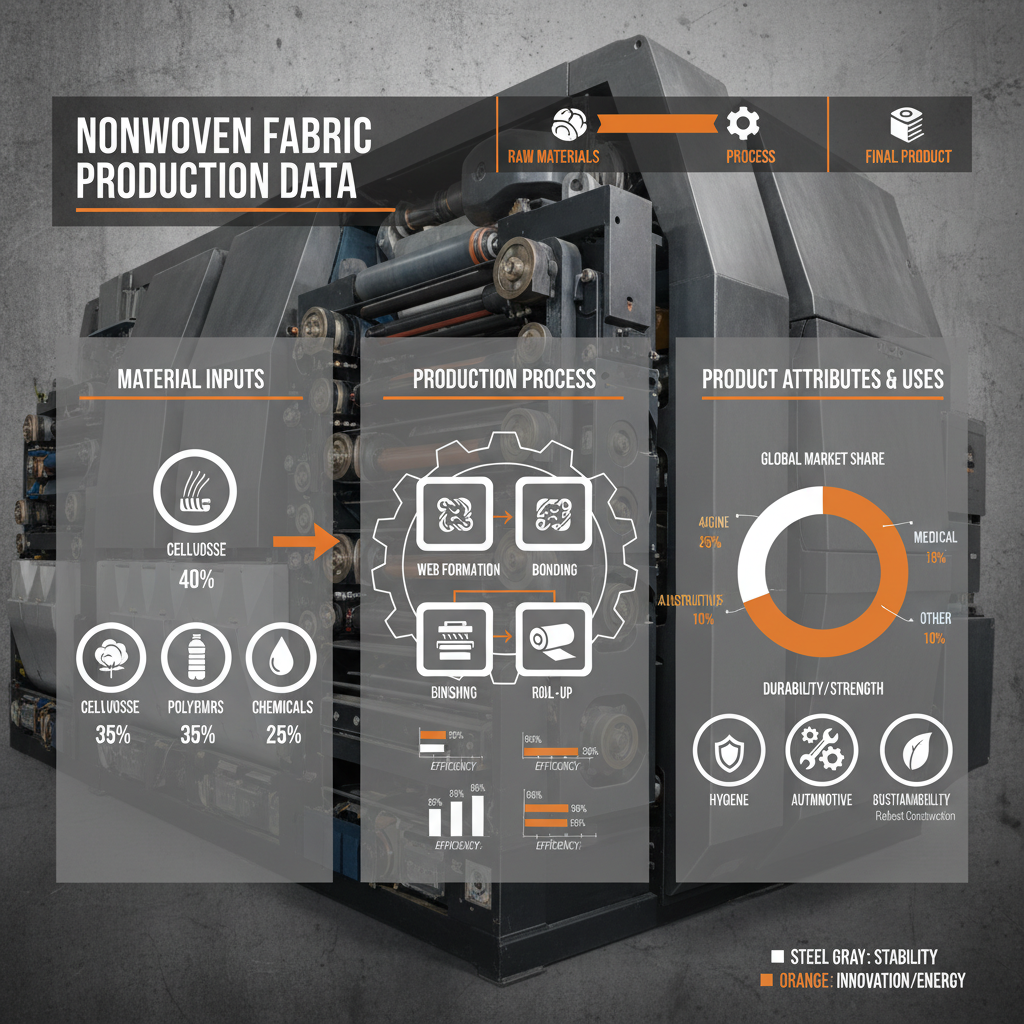
Nonwoven fabrics distinguish themselves from traditional woven or knitted textiles through their manufacturing process. Instead of interlacing yarns, they’re produced by bonding fibers together using mechanical, chemical, thermal, or a combination of these methods. This unique process results in materials with exceptional properties tailored to specific applications.
The absence of a traditional weave structure grants nonwoven fabrics inherent advantages in terms of cost-effectiveness, production speed, and design flexibility. This has propelled their adoption across industries like healthcare, where sterile barriers and surgical drapes are essential, and agriculture, where ground covers and plant protection fabrics play a vital role.
Defining Nonwoven Fabric
At its core, a nonwoven fabric is a sheet-like material made from fibers. Unlike woven fabrics where yarns are interlaced, and knitted fabrics where loops are formed, nonwovens are bound together through entanglement, adhesion, or a combination of techniques. This bonding process creates a material with unique characteristics that set it apart from traditional textiles.
The development of nonwoven fabrics has been instrumental in addressing modern industrial and humanitarian needs. Their versatility allows for the creation of materials that are lightweight, strong, absorbent, and cost-effective, making them ideal for applications where traditional fabrics are insufficient or impractical. The availability of diverse fiber types – including synthetic polymers, natural fibers, and recycled materials – expands their applicability even further.
The industry definition, as per ISO standards, emphasizes the process of fiber bonding rather than yarn construction. This focus on the bonding mechanism allows for a broader categorization, encompassing a wide range of materials with diverse properties all falling under the umbrella of "nonwoven fabric."
Key Characteristics of nonwoven fabric
Durability is a crucial characteristic of many nonwoven fabrics, stemming from the robust bonding of fibers. This inherent strength allows them to withstand significant stress and abrasion, making them suitable for demanding applications such as filtration media and geotextiles. Different bonding methods and fiber compositions can significantly influence the level of durability achieved.
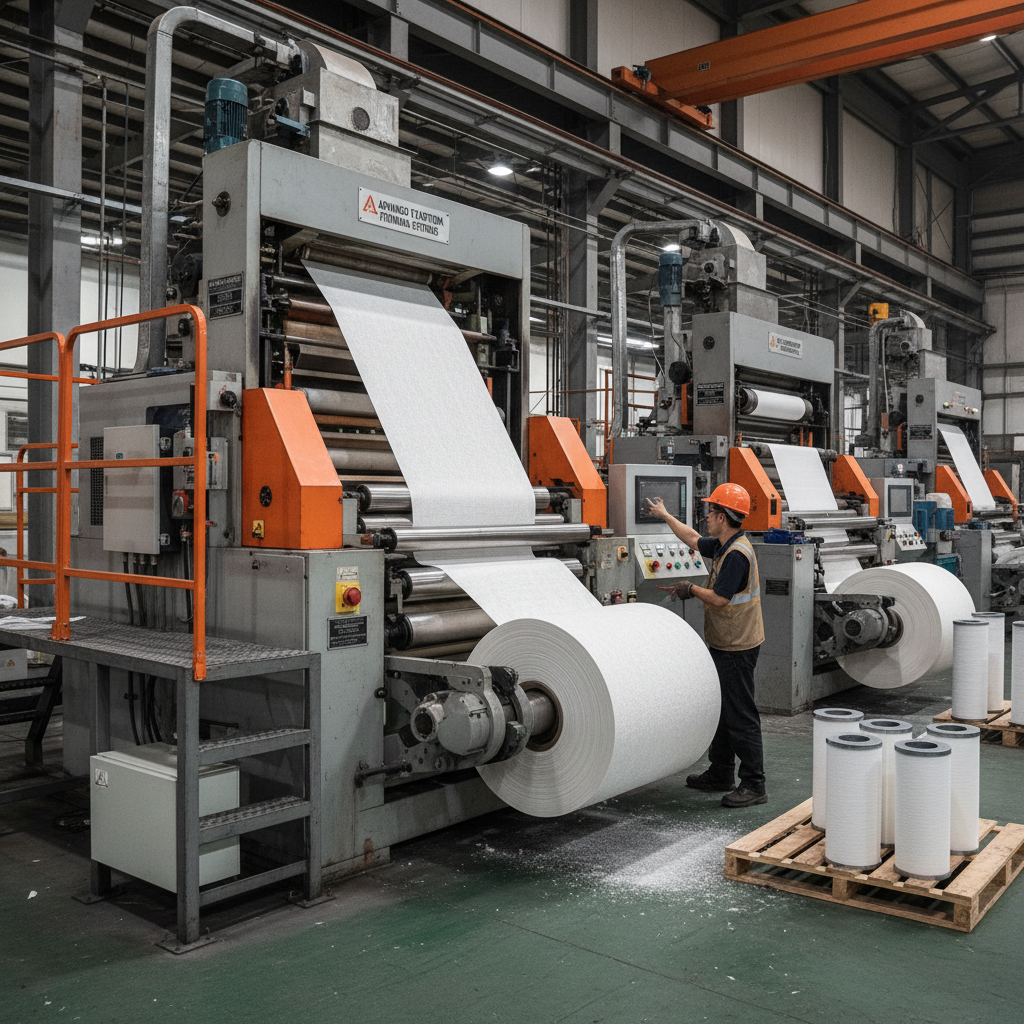
Scalability is another defining feature. The manufacturing processes used for nonwoven fabrics are inherently scalable, allowing for high-volume production to meet large-scale demands. This is particularly important in industries such as healthcare and hygiene, where consistent and readily available supply is critical. The continuous nature of many nonwoven production lines enables efficient manufacturing.
Cost efficiency is a significant advantage offered by nonwoven fabrics. The streamlined production processes and the use of readily available fibers contribute to lower manufacturing costs compared to traditional textiles. This affordability makes them attractive for a wide range of applications, from disposable hygiene products to agricultural covers.
The Versatility of Applications
The applications of nonwoven fabric are incredibly diverse. In healthcare, they are used extensively for surgical gowns, masks, drapes, and wound dressings, providing barrier protection and maintaining sterile environments. The automotive industry utilizes nonwovens in car interiors for sound dampening and insulation.
Agricultural applications include crop covers that protect plants from frost and pests, weed control fabrics, and soil stabilization materials. Geotextiles, a specialized type of nonwoven fabric, are used in civil engineering projects for drainage, filtration, and soil reinforcement.
In post-disaster relief operations, nonwoven shelters and blankets provide immediate and essential protection to affected populations. In remote industrial zones, durable nonwoven materials serve as protective clothing and filtration systems. The adaptability of nonwoven fabrics makes them invaluable across a spectrum of environments and needs.
Comparative Performance of Nonwoven Production Methods
Advantages and Long-Term Value
The advantages of using nonwoven fabrics extend beyond initial cost savings. They often offer superior performance characteristics tailored to specific applications, leading to increased efficiency and longevity. Their lightweight nature reduces transportation costs, while their resistance to tearing and abrasion minimizes waste and replacement frequency.
From a sustainability perspective, nonwoven fabrics can be manufactured using recycled materials and are often recyclable themselves. Moreover, their production processes can be optimized to reduce energy consumption and waste generation. This aligns with growing consumer demand for eco-friendly products and responsible manufacturing practices.
Future Trends in Nonwoven Technology
The future of nonwoven fabric lies in the development of bio-based and biodegradable materials, reducing reliance on fossil fuels and minimizing environmental impact. Research into new fiber technologies, such as advanced cellulose fibers and biopolymers, is rapidly expanding the possibilities for sustainable nonwovens.
Digital transformation and automation are also playing a key role, enabling more precise control over production processes, improved quality control, and customized material properties. The integration of smart textiles and sensors into nonwoven fabrics opens up opportunities for innovative applications in areas like wearable technology and healthcare monitoring.
Challenges and Innovative Solutions
One of the main challenges facing the nonwoven fabric industry is the management of end-of-life disposal. While recycling technologies are improving, there is still a need for more efficient and cost-effective methods for recovering and repurposing nonwoven materials.
Another challenge is the development of nonwoven fabrics with enhanced barrier properties while maintaining breathability. Innovative solutions include the use of nanocomposites and multilayer structures to achieve optimal performance characteristics. Furthermore, reducing the reliance on chemical binders in favor of more sustainable bonding methods is a key area of research.
Collaboration between material scientists, engineers, and policymakers is crucial for addressing these challenges and unlocking the full potential of nonwoven fabrics. Investing in research and development, promoting circular economy principles, and establishing clear regulatory frameworks will drive innovation and ensure the long-term sustainability of the industry.
Summary of Challenges and Solutions in Nonwoven Fabric Production
| Challenge |
Impact Severity (1-10) |
Potential Solution |
Implementation Cost (1-10) |
| End-of-Life Disposal |
8 |
Advanced Recycling Technologies |
7 |
| Barrier vs. Breathability |
7 |
Nanocomposite Materials |
6 |
| Chemical Binder Reliance |
6 |
Bio-based Bonding Agents |
5 |
| Production Energy Consumption |
5 |
Optimized Manufacturing Processes |
4 |
| Fiber Sourcing Sustainability |
7 |
Increased Use of Recycled Fibers |
6 |
| Cost of Biodegradable Materials |
8 |
Economies of Scale in Biopolymer Production |
7 |
FAQS
Spunbond nonwoven fabric is produced by extruding molten polymer filaments and laying them in a web, then bonding them mechanically or thermally. It is known for its strength and durability. Meltblown, on the other hand, uses high-velocity air to blow molten polymer into fine fibers, creating a web with excellent filtration properties. Meltblown is generally softer and less durable than spunbond, but offers superior barrier properties making it ideal for applications like masks and air filters.
The fiber used dramatically impacts the final characteristics of the nonwoven fabric. Polypropylene provides good strength and chemical resistance, making it suitable for hygiene products. Polyester offers excellent durability and UV resistance, ideal for outdoor applications. Rayon provides softness and absorbency, often used in medical applications. The choice also affects cost and environmental impact.
The environmental friendliness of nonwoven fabrics varies. While traditionally reliant on synthetic polymers, increasing use of recycled materials and biodegradable fibers like cellulose and polylactic acid (PLA) is making them more sustainable. Proper disposal and recycling infrastructure are also crucial. Life cycle assessments are important to compare the environmental impact of nonwovens with traditional textiles.
Common bonding methods include mechanical point bonding, thermal bonding (using heat to melt fibers together), chemical bonding (using adhesives), and hydroentanglement (using high-pressure water jets). Each method imparts different properties to the fabric. Mechanical bonding is cost-effective but can reduce strength, while thermal bonding offers good strength but can affect softness.
Applications requiring disposable or single-use materials, such as hygiene products (diapers, wipes) and medical supplies (surgical gowns, masks), significantly benefit from nonwoven fabrics due to their cost-effectiveness and hygiene. Other areas include filtration, geotextiles, and agricultural covers where specific performance characteristics outweigh the need for traditional weaving or knitting.
ISO standards, particularly ISO 9001 and specific standards related to nonwoven properties and testing, ensure consistent quality, performance, and safety. They provide a framework for manufacturers to adhere to best practices and demonstrate compliance with industry requirements. These standards are critical for international trade and building trust with customers.
Conclusion
In conclusion, nonwoven fabrics are a versatile and rapidly evolving material with a significant impact across numerous industries. Their unique manufacturing processes, diverse properties, and cost-effectiveness have established them as essential components in healthcare, agriculture, civil engineering, and beyond. Understanding the underlying principles of nonwoven technology is critical for fostering innovation and addressing emerging challenges.
Looking ahead, continued research into sustainable materials, advanced bonding techniques, and efficient recycling processes will be crucial for maximizing the long-term benefits of nonwoven fabrics. Investing in these areas will not only enhance their performance but also minimize their environmental impact, paving the way for a more sustainable and innovative future.