Pocket bag filters are integral components in modern air filtration systems, playing a crucial role in maintaining indoor air quality across a wide spectrum of applications. These filters, known for their efficiency in capturing particulate matter, are increasingly important in industries ranging from HVAC to pharmaceutical manufacturing and even in everyday home use. Understanding the nuances of pocket bag filter technology is vital for optimizing filtration processes and ensuring environmental and health standards are met.
The global demand for effective air filtration solutions is driven by growing concerns about air pollution, rising industrialization, and the need to prevent the spread of airborne diseases. The market for pocket bag filter is experiencing consistent growth, fueled by stricter regulations on emissions and a heightened awareness of the impact of air quality on human health and productivity. The ability of these filters to provide cost-effective and reliable performance makes them a cornerstone of air purification strategies.
From industrial settings where worker safety is paramount to residential environments seeking improved comfort, the pocket bag filter provides a versatile solution. Its ease of installation, relatively low maintenance requirements, and ability to handle high airflow rates contribute to its widespread adoption. The ongoing development of more advanced filter materials promises even greater efficiency and longevity for this essential technology.
The Fundamentals of Pocket Bag Filters
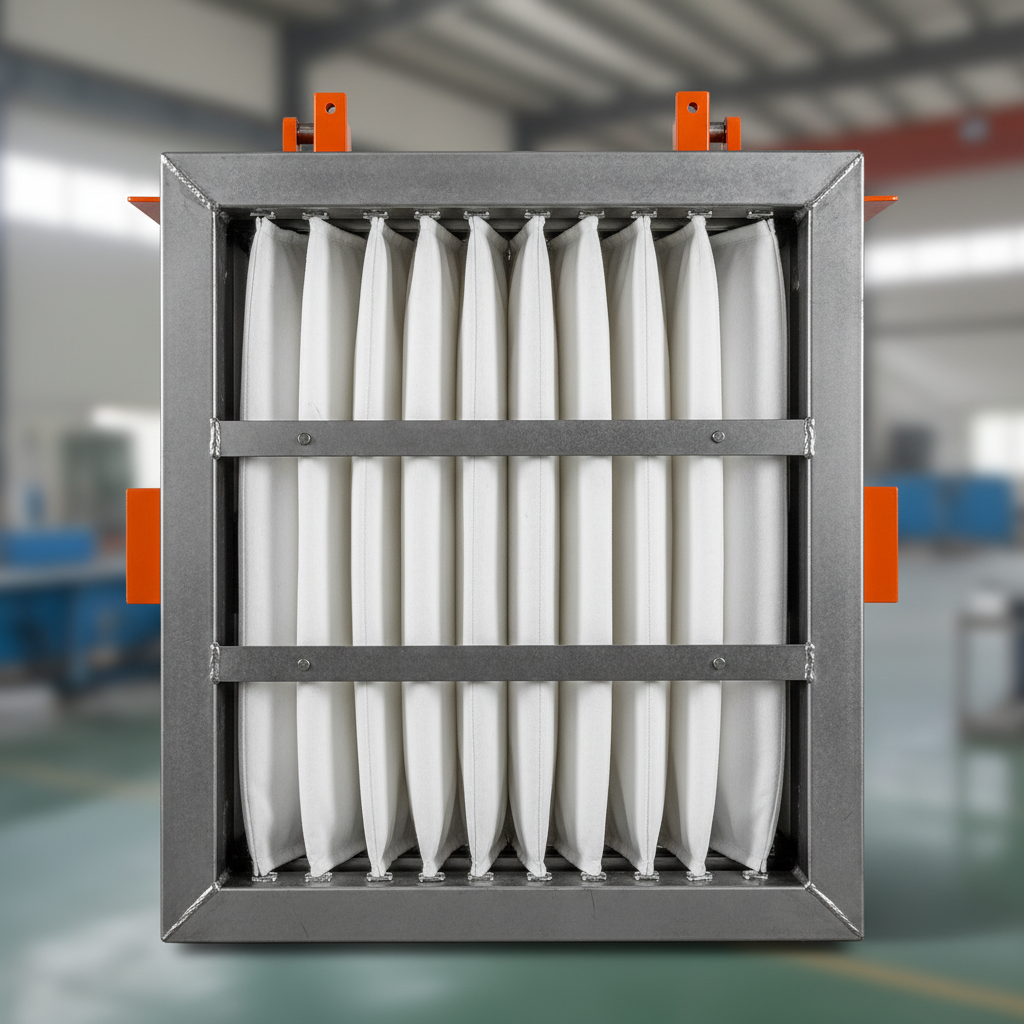
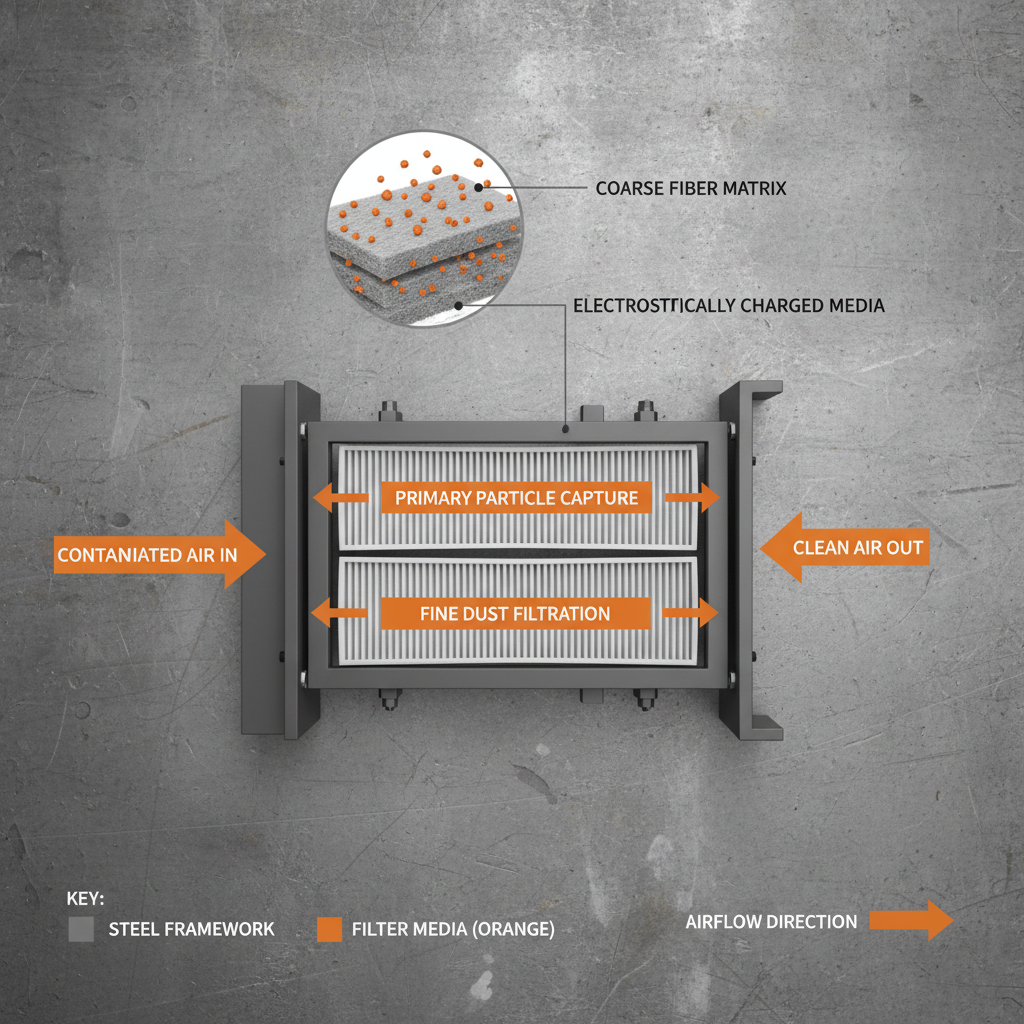
At their core, pocket bag filters are designed to remove particulate matter from air streams. They utilize a layered construction, typically comprised of non-woven fabric formed into pockets, which significantly increases the surface area available for filtration. This design maximizes dust-holding capacity and minimizes pressure drop, contributing to efficient and long-lasting performance. The effectiveness of a pocket bag filter hinges on the quality of the filter media and the precise engineering of the pocket configuration.
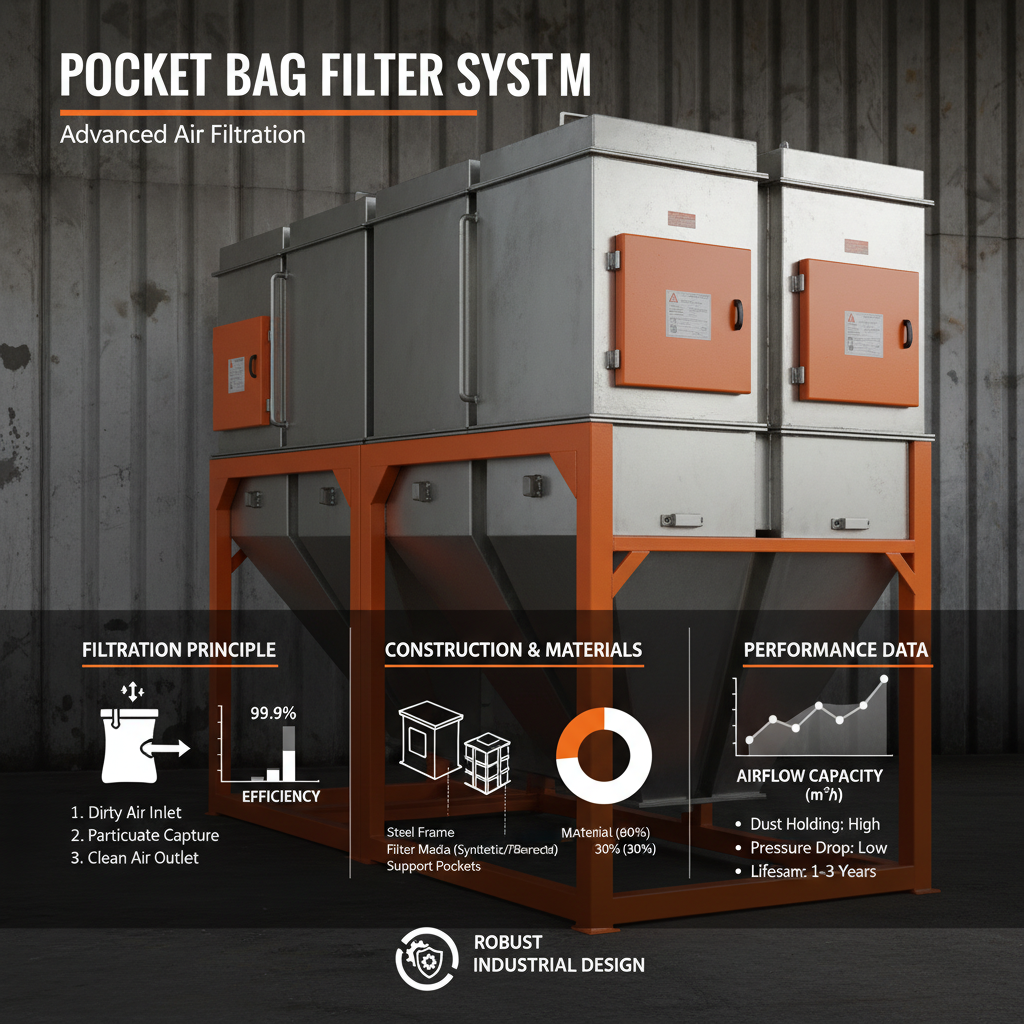
The principle behind their function is straightforward: air is drawn through the filter media, and particles are trapped within the fibers of the fabric. The pocket structure enhances this process by creating a tortuous path for the airflow, increasing the probability of particle capture. Different grades of pocket bag filter are available, categorized by their Minimum Efficiency Reporting Value (MERV) rating, which indicates their ability to capture particles of varying sizes.
Defining Pocket Bag Filters: A Core Component
A pocket bag filter is a type of air filter constructed from multiple layers of filter material, stitched or otherwise bonded together to create a series of individual pockets. These pockets provide a large surface area for capturing airborne particles, offering a balance between high airflow and efficient filtration. They are a crucial component in many HVAC (Heating, Ventilation, and Air Conditioning) systems, serving as pre-filters or final filters depending on the specific application and MERV rating.
The connection to modern industry is profound; from protecting sensitive equipment in manufacturing facilities to maintaining sterile environments in pharmaceutical labs, pocket bag filter technology is essential. Furthermore, in addressing global air quality concerns, these filters contribute to creating healthier indoor environments in schools, hospitals, and homes, directly impacting public health and well-being.
Their ability to effectively remove dust, pollen, mold spores, and other airborne contaminants makes them indispensable for both industrial processes and maintaining a comfortable and healthy living space. This widespread applicability underscores their significance in safeguarding both human health and industrial operations across the globe.
Key Characteristics of High-Performance Pocket Bag Filters
One key characteristic of a high-performance pocket bag filter is its efficiency rating, typically measured by MERV. Higher MERV ratings indicate a greater ability to capture smaller particles, providing superior air quality. Another critical factor is the pressure drop – a measure of the resistance to airflow caused by the filter. Lower pressure drop equates to reduced energy consumption and improved system performance.
Durability is also paramount. High-quality pocket bag filters are constructed from robust materials that can withstand high airflow rates and maintain their structural integrity over extended periods. The choice of filter media, whether it’s synthetic fibers, fiberglass, or a blend, significantly impacts durability and resistance to moisture and temperature fluctuations.
Finally, dust-holding capacity is a crucial element. Filters with higher dust-holding capacity require less frequent replacement, reducing maintenance costs and downtime. This is directly related to the surface area of the filter media and the density of the pocket structure. Proper selection and regular monitoring ensure optimal performance and cost-effectiveness.
Diverse Applications of Pocket Bag Filters Across Industries
The versatility of pocket bag filter makes them applicable across a broad range of industries. In the HVAC industry, they are commonly used as pre-filters to protect more expensive downstream filters, extending their lifespan and improving overall system efficiency. They are also frequently employed in commercial buildings, hospitals, and schools to maintain indoor air quality and protect occupants from airborne contaminants.
Manufacturing facilities, particularly those involved in the production of electronics, pharmaceuticals, and food products, rely heavily on pocket bag filters to maintain sterile environments and prevent product contamination. In the automotive industry, they are used in paint booths to capture overspray and ensure a clean finish. Even in residential settings, high-efficiency pocket bag filter are becoming increasingly popular for improving indoor air quality and alleviating allergy symptoms.
Pocket Bag Filter Efficiency Comparison
The Advantages and Long-Term Value of Using Pocket Bag Filters
The advantages of utilizing pocket bag filter are multifaceted. They offer a cost-effective solution for improving air quality, reducing energy consumption, and protecting valuable equipment. The high dust-holding capacity translates to less frequent filter replacements, minimizing maintenance costs and downtime. From a sustainability perspective, the extended lifespan of these filters contributes to reduced waste.
The long-term value extends beyond immediate cost savings. By maintaining cleaner air, pocket bag filters contribute to improved employee health and productivity, reduced sick leave, and a more comfortable work environment. In industrial processes, they protect sensitive equipment from damage caused by airborne particles, preventing costly repairs and downtime. Investing in high-quality pocket bag filter is an investment in long-term operational efficiency and sustainability.
Future Trends and Innovations in Pocket Bag Filter Technology
The future of pocket bag filter technology is focused on enhancing efficiency, sustainability, and integration with smart building systems. Research and development are ongoing to create new filter media with even greater particle capture capabilities and lower pressure drops. Nanotechnology is being explored to impart antimicrobial properties to filter materials, further improving air quality.
Another key trend is the development of smart filters equipped with sensors that monitor filter performance in real-time. This data can be used to optimize filter replacement schedules, reduce energy consumption, and provide valuable insights into air quality trends. The integration of pocket bag filter data with building automation systems will enable more proactive and efficient air quality management.
Challenges and Solutions in Pocket Bag Filter Implementation
Despite their numerous advantages, implementing pocket bag filter systems can present certain challenges. Proper filter selection is crucial; choosing a filter with an inappropriate MERV rating can lead to reduced efficiency or excessive pressure drop. Incorrect installation can also compromise performance and lead to premature failure.
To address these challenges, it's essential to work with experienced filtration professionals who can assess specific application requirements and recommend the optimal filter solution. Proper installation training for maintenance personnel is also vital. Regular filter inspections and maintenance, combined with the use of smart filter technology for real-time performance monitoring, can help ensure long-term efficiency and reliability.
Addressing concerns regarding filter disposal and promoting the use of recyclable filter materials are also crucial steps towards a more sustainable future for air filtration technology.
Summary of Pocket Bag Filter Implementation Challenges and Solutions
| Challenge |
Impact |
Solution |
Long-Term Benefit |
| Incorrect MERV Rating |
Reduced efficiency, increased energy consumption |
Professional assessment and filter selection |
Optimal air quality and energy savings |
| Improper Installation |
Reduced performance, premature failure |
Training for maintenance personnel |
Extended filter lifespan and reliability |
| Lack of Monitoring |
Inefficient filter replacement schedules |
Smart filter technology with real-time data |
Proactive maintenance and cost reduction |
| High Disposal Costs |
Environmental impact, increased expenses |
Utilizing recyclable filter materials |
Reduced environmental footprint and costs |
| Filter Media Degradation |
Reduced efficiency, shorter lifespan |
Choosing durable, high-quality filter materials |
Increased longevity and consistent performance |
| System Compatibility Issues |
Pressure drop, airflow restrictions |
Consulting with filtration experts for proper sizing |
Optimal system performance and energy efficiency |
FAQS
The lifespan of a pocket bag filter varies depending on the air quality, the filter’s MERV rating, and the system it’s installed in. Generally, they need replacing every 3-6 months in typical commercial settings. Regular inspection is recommended to determine when replacement is necessary, as indicated by increased pressure drop or visible dirt accumulation. Consistent monitoring extends performance and cost effectiveness.
Determining the appropriate MERV rating requires considering the size of particles you need to capture and the airflow requirements of your system. Lower MERV ratings (1-4) capture larger particles like dust and pollen, while higher ratings (8-13) capture smaller particles like bacteria and viruses. Balancing filtration efficiency with pressure drop is crucial; higher MERV ratings create more resistance. Consulting a filtration professional will ensure optimal performance.
Most pocket bag filters are designed for single-use and are not washable or reusable. Washing can damage the filter media and reduce its efficiency. Attempting to reuse a dirty filter compromises air quality. While some specialty filters may be washable, it’s generally more cost-effective and efficient to replace disposable pocket bag filters at regular intervals.
Pressure drop refers to the resistance to airflow caused by the filter. Higher pressure drop forces the HVAC system to work harder, increasing energy consumption and potentially reducing airflow. Choosing a filter with an appropriate MERV rating that minimizes pressure drop is essential for maintaining system efficiency and reducing operating costs. Regular filter replacement also helps to prevent excessive pressure drop.
Both pocket bag and pleated filters are effective air filtration solutions, but they differ in construction and performance characteristics. Pleated filters generally offer a higher surface area and higher MERV ratings, but at a higher cost and greater pressure drop. Pocket bag filters provide a good balance between efficiency, cost, and airflow, making them suitable for a wider range of applications.
Sustainability in pocket bag filter usage involves choosing filters made from recyclable materials, properly disposing of used filters, and selecting filters with extended lifespans. Longer filter lifespans reduce the frequency of replacements, minimizing waste. Supporting manufacturers committed to eco-friendly production processes contributes to a more sustainable air filtration industry.
Conclusion
In conclusion, pocket bag filter are a crucial component of modern air filtration, offering a versatile and cost-effective solution for a wide range of applications. Their ability to remove particulate matter, improve air quality, and protect sensitive equipment makes them indispensable in industries from HVAC to pharmaceuticals. Understanding the key characteristics, advantages, and future trends in pocket bag filter technology is vital for optimizing performance and ensuring environmental sustainability.
Looking ahead, continued innovation in filter materials, smart monitoring systems, and sustainable disposal practices will further enhance the value of this essential technology. By embracing these advancements and working with experienced filtration professionals, businesses and individuals can ensure cleaner air, improved health, and a more sustainable future. Visit our website at www.filtersmaterials.com to explore our comprehensive range of pocket bag filters and find the perfect solution for your specific needs.