Powder coating pocket filters are a crucial component in maintaining air quality across diverse industrial applications, from automotive manufacturing to chemical processing. Their ability to efficiently capture particulate matter safeguards sensitive equipment, protects worker health, and ensures compliance with stringent environmental regulations. Understanding the intricacies of these filters – their construction, performance characteristics, and appropriate applications – is paramount for optimizing filtration systems and minimizing operational downtime. This article provides a comprehensive overview of powder coating pocket filters, covering their definition, key factors, global applications, advantages, future trends, and common challenges.
Globally, the demand for effective air filtration solutions is steadily increasing, driven by growing industrialization, heightened environmental awareness, and stricter air quality standards. The powder coating industry, in particular, relies heavily on robust filtration systems to control emissions and maintain a safe working environment. Powder coating pocket filters are specifically designed to handle the unique challenges posed by this process, offering high efficiency in capturing fine powder particles. The market for these filters is projected to grow substantially in the coming years, with key regions including Asia-Pacific, North America, and Europe driving demand.
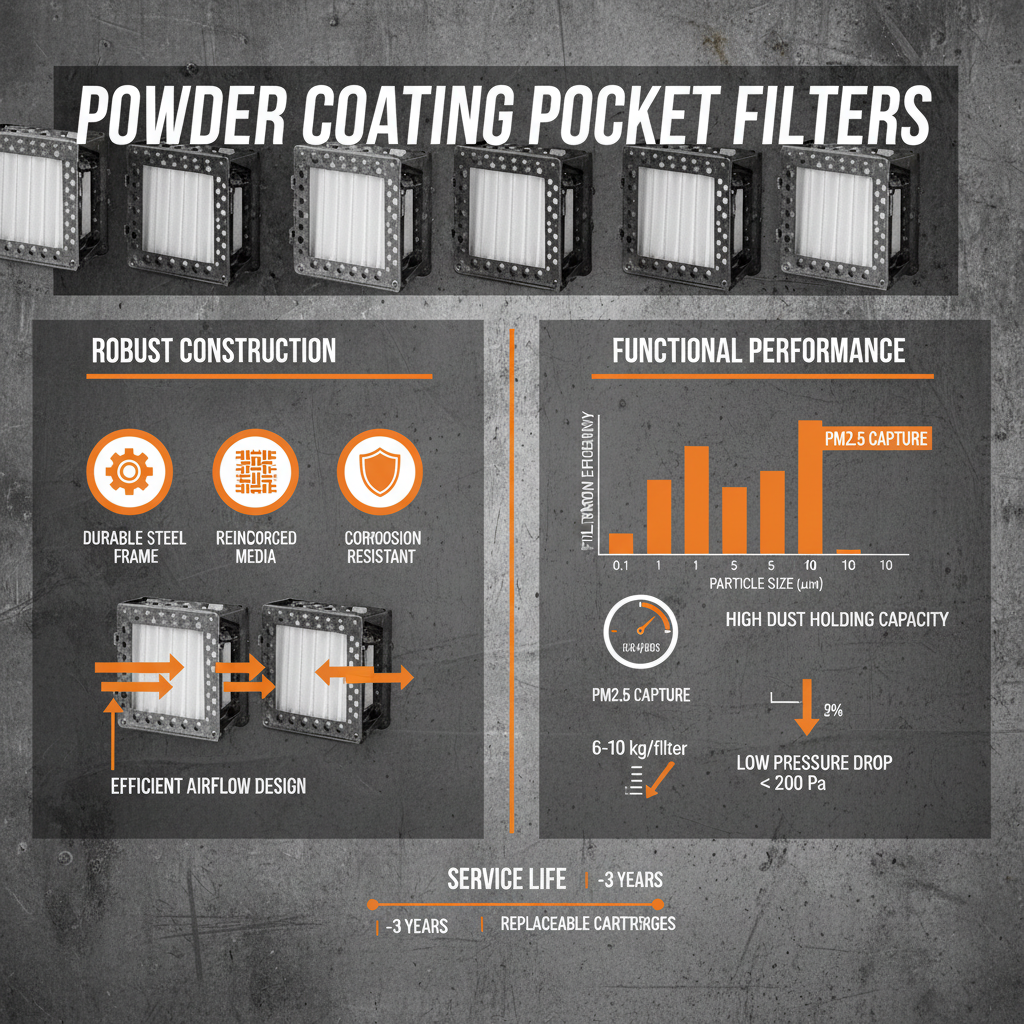
Powder coating pocket filters are a type of air filter commonly used in industrial settings to remove dust, pollen, and other airborne particles. They consist of a pocket-shaped filter media, typically constructed from synthetic fibers or a blend of materials, housed within a rigid frame. The pocket design increases the surface area available for filtration, resulting in higher dust-holding capacity and longer filter life. These filters play a vital role in protecting both equipment and personnel from the harmful effects of airborne contaminants, particularly in processes like powder coating, where fine particles are prevalent.
Introduction to powder coating pocket filters
Powder coating pocket filters represent a significant advancement in air filtration technology, specifically tailored for the demands of modern industrial processes. Their design prioritizes both efficiency and longevity, offering a cost-effective solution for maintaining air quality in challenging environments. These filters are not merely reactive components; they are proactive safeguards that contribute to a healthier workplace and more sustainable manufacturing practices.
The effectiveness of powder coating pocket filters hinges on their ability to capture a wide range of particle sizes, from large dust motes to microscopic powder particles. This comprehensive filtration capability is essential for preventing contamination of finished products, protecting sensitive equipment from damage, and ensuring compliance with environmental regulations. As industries increasingly adopt powder coating as a finishing method, the demand for high-performance filters like these will continue to rise.
Defining Powder Coating Pocket Filters
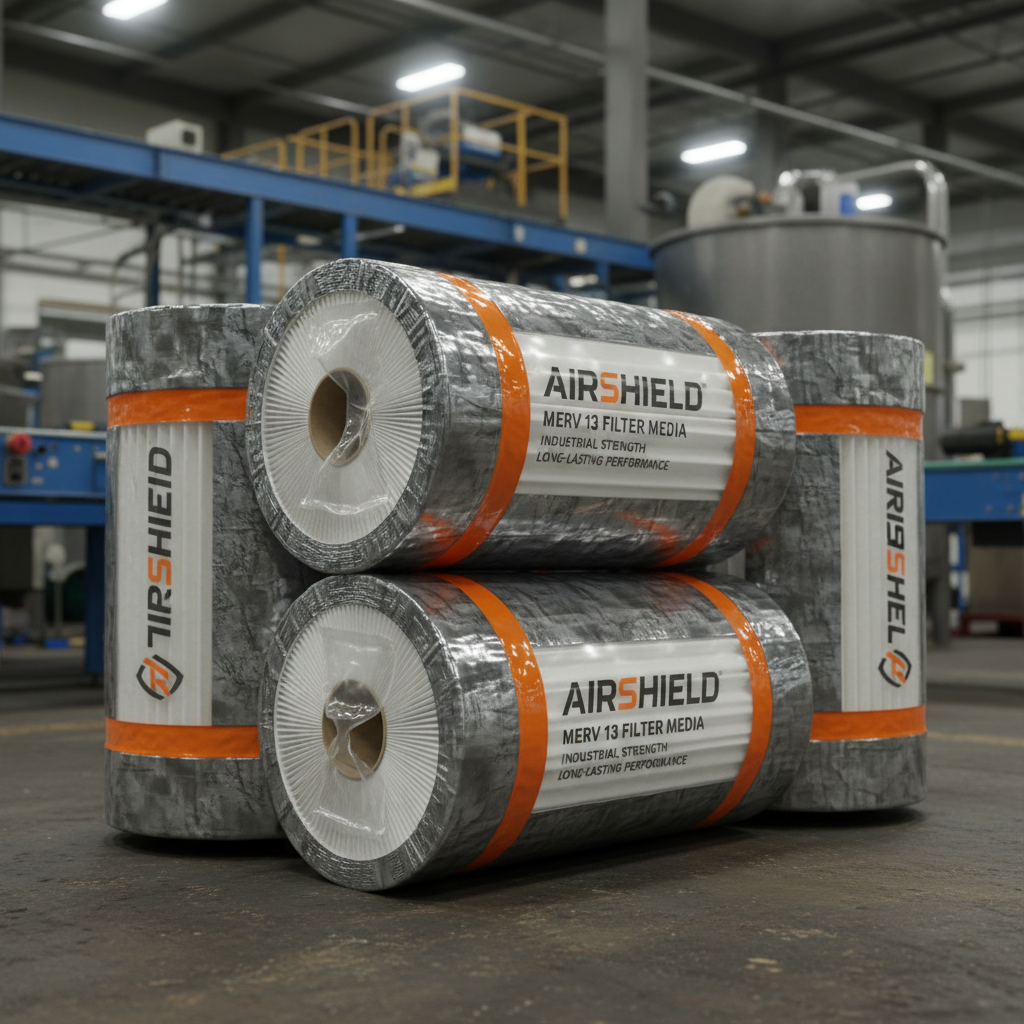
At its core, a powder coating pocket filter is a multi-layered filtration system designed to remove airborne contaminants. These filters are characterized by their pocket-shaped construction, which maximizes the surface area available for capturing particles. The filter media itself is typically made from polypropylene, polyester, or a blend of synthetic materials, chosen for their high efficiency, durability, and resistance to chemical degradation. The filter is then encased in a rigid frame, providing structural support and ensuring a secure fit within the air handling unit.
The connection to modern industry stems from the increasing prevalence of powder coating as a finishing technique. Unlike liquid paints, powder coating utilizes a dry finishing process that generates fine airborne particles. Without effective filtration, these particles can contaminate the surrounding environment, pose health risks to workers, and compromise the quality of finished products. Powder coating pocket filters provide a targeted solution to these challenges, enabling manufacturers to maintain a clean and safe working environment.
Their relevance extends beyond industrial applications, impacting public health and environmental sustainability. By effectively capturing airborne pollutants, these filters contribute to cleaner air quality, reducing respiratory illnesses and mitigating the harmful effects of industrial emissions. As regulations surrounding air quality become increasingly stringent, the importance of high-performance filtration solutions like powder coating pocket filters will continue to grow.
Key Factors Influencing Performance
Several key factors dictate the performance of powder coating pocket filters, impacting their efficiency, lifespan, and overall cost-effectiveness. These factors include the filter media's efficiency rating (measured in MERV – Minimum Efficiency Reporting Value), the filter's dust-holding capacity, its pressure drop characteristics, and its resistance to moisture and chemical exposure. Selecting a filter with the appropriate characteristics for a specific application is crucial for optimizing performance and minimizing operational costs.
Another critical aspect is the filter’s construction quality. A robust frame and well-sealed seams are essential for preventing bypass leakage, ensuring that all airflow passes through the filter media. The quality of the filter media itself also plays a significant role, with variations in fiber density, pore size, and material composition impacting its ability to capture fine particles. Regular inspection and replacement of filters are vital to maintain optimal performance.
Finally, the specific characteristics of the powder coating process itself influence filter selection. Factors such as the type of powder used, the coating application method, and the ventilation system design all impact the amount and type of airborne contaminants generated. A thorough understanding of these factors is essential for choosing the right powder coating pocket filter and ensuring optimal filtration efficiency.
Global Applications and Use Cases
Powder coating pocket filters find widespread application across a multitude of industries that employ powder coating as a finishing process. The automotive industry, for instance, utilizes these filters extensively in paint booths and coating lines to capture overspray and maintain a clean working environment. The appliance manufacturing sector also relies on powder coating pocket filters to control emissions and protect product quality.
Beyond manufacturing, these filters are employed in metal fabrication shops, furniture manufacturing facilities, and architectural coating applications. In post-disaster relief operations, portable powder coating systems are often deployed for rapid repair of metal structures, and powder coating pocket filters are essential for maintaining air quality in these temporary facilities.
Geographically, the demand for these filters is particularly strong in regions with a high concentration of manufacturing activity, such as Asia-Pacific (China, India, and Japan) and North America (United States and Canada). Europe also represents a significant market, driven by stringent environmental regulations and a commitment to sustainable manufacturing practices.
Powder Coating Pocket Filter Efficiency by Method
Advantages and Long-Term Value
The advantages of utilizing powder coating pocket filters extend beyond immediate air quality improvements. Cost efficiency is a significant benefit, as these filters offer a relatively low initial investment and a long lifespan, reducing the frequency of replacements. This contributes to lower operational expenses and minimizes downtime associated with filter changes.
Sustainability is another key advantage. By effectively capturing airborne particles, these filters help to reduce environmental pollution and protect natural resources. Many filters are also manufactured from recyclable materials, further minimizing their environmental impact. The resulting cleaner air quality creates a safer and healthier working environment, boosting employee morale and productivity.
Future Trends & Innovations in Filter Technology
The future of powder coating pocket filters is poised for innovation, driven by advancements in materials science and a growing emphasis on sustainability. Nanotechnology is being explored to enhance filter media performance, creating filters with even higher efficiency and dust-holding capacity. Smart filters equipped with sensors and data analytics are also emerging, providing real-time monitoring of filter condition and optimizing replacement schedules.
Digital transformation plays a key role, as connected filtration systems can integrate with building management systems to automate filter monitoring and control. Furthermore, the development of biodegradable filter materials is gaining momentum, offering a more environmentally friendly alternative to traditional synthetic fibers.
Challenges and Solutions in Application
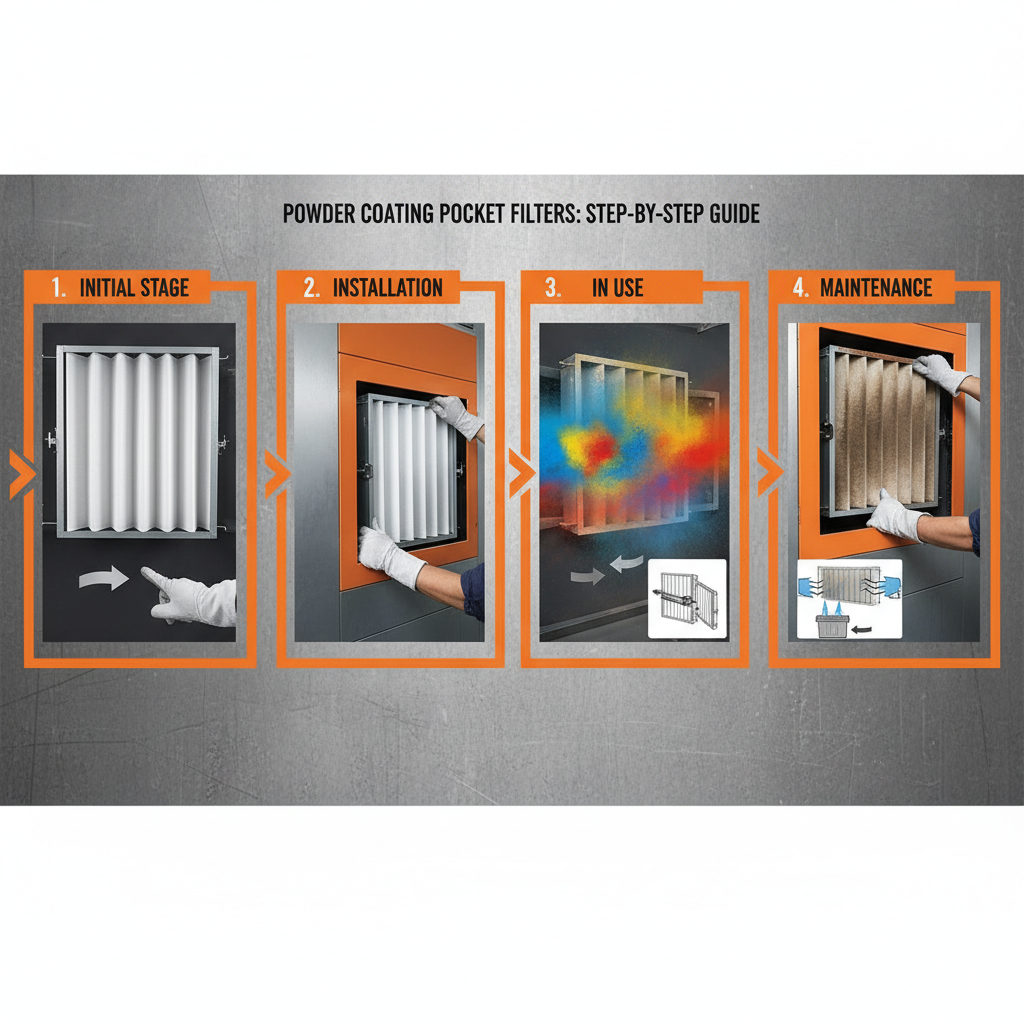
Despite their numerous advantages, powder coating pocket filters face certain challenges in real-world applications. One common issue is filter clogging, which can reduce airflow and increase pressure drop. Implementing a regular filter maintenance schedule, including periodic cleaning or replacement, is crucial for mitigating this problem.
Another challenge is ensuring proper filter fit and sealing within the air handling unit. Poor sealing can lead to bypass leakage, reducing filtration efficiency. Utilizing high-quality filters with robust frames and well-sealed seams is essential for addressing this issue. Furthermore, proper training for maintenance personnel on correct filter installation procedures is vital.
Finally, selecting the appropriate filter media for a specific powder coating process can be challenging. Consulting with filtration experts and carefully considering the characteristics of the powder used and the application method are key to choosing the optimal filter for the job.
Summary of Challenges and Solutions for Powder Coating Pocket Filters
| Challenge |
Impact on Performance |
Solution |
Implementation Cost (1-10) |
| Filter Clogging |
Reduced Airflow, Increased Pressure Drop |
Regular Maintenance/Replacement |
3 |
| Poor Filter Seal |
Bypass Leakage, Lower Efficiency |
High-Quality Filters, Proper Installation |
5 |
| Incorrect Media Selection |
Suboptimal Particle Capture |
Expert Consultation, Process Analysis |
4 |
| Frame Deformation |
Compromised Seal, Reduced Lifespan |
Durable Frame Material, Careful Handling |
6 |
| Media Degradation |
Reduced Efficiency, Chemical Sensitivity |
Chemically Resistant Media |
7 |
| Lack of Monitoring |
Unplanned Downtime, Inefficient Operation |
Pressure Drop Monitoring, Scheduled Inspections |
2 |
FAQS
The lifespan of a powder coating pocket filter varies depending on the operating environment, the type of powder coating used, and the filter's maintenance schedule. Generally, filters should be inspected monthly and replaced every 6-12 months. However, in heavily contaminated environments or with frequent use, more frequent replacements may be necessary. Monitoring the pressure drop across the filter is a key indicator of its remaining lifespan – a significant increase signals the need for replacement.
Selecting the appropriate MERV rating depends on the specific contaminants you need to remove and the sensitivity of your process. Higher MERV ratings indicate greater efficiency in capturing smaller particles. For powder coating applications, a MERV rating of 8-13 is typically recommended. Consult with a filtration specialist to assess your specific needs and determine the optimal MERV rating for your environment.
Multi-stage filtration, employing a combination of pre-filters and powder coating pocket filters, offers enhanced protection and extended filter life. Pre-filters capture larger particles, preventing premature clogging of the more expensive pocket filters. This approach reduces maintenance costs and ensures consistent filtration performance. It’s especially beneficial in environments with high dust loads.
While some filters can be lightly cleaned with compressed air to remove surface dust, it is generally not recommended to attempt extensive cleaning of powder coating pocket filters. Cleaning can damage the filter media and reduce its efficiency. It’s more cost-effective and reliable to replace the filter regularly according to the manufacturer's recommendations.
The proper disposal of used filters depends on the materials they are made from and local regulations. Many filters are not biodegradable and should be disposed of in accordance with hazardous waste guidelines. Check with your local waste management authority for specific instructions on how to properly dispose of used powder coating pocket filters.
High humidity can negatively impact the performance of powder coating pocket filters by causing the filter media to absorb moisture, reducing its porosity and efficiency. This can also lead to microbial growth and reduced filter lifespan. It's important to maintain appropriate humidity control in the filtration system and consider using filters with moisture-resistant media in high-humidity environments.
Conclusion
Powder coating pocket filters are an essential component of modern industrial air filtration systems, offering a robust and cost-effective solution for capturing airborne contaminants. Their ability to protect equipment, safeguard worker health, and ensure environmental compliance makes them a vital investment for any organization utilizing powder coating processes. By understanding the key factors influencing filter performance, embracing future innovations, and addressing common challenges, businesses can maximize the benefits of these filters and optimize their filtration systems.
Looking ahead, continued advancements in filter technology promise even greater efficiency, sustainability, and cost-effectiveness. Investing in regular filter maintenance, staying informed about the latest innovations, and collaborating with filtration experts will ensure that you remain at the forefront of air quality management. For comprehensive information and a wide range of high-performance powder coating pocket filters, visit our website: powder coating pocket filters.