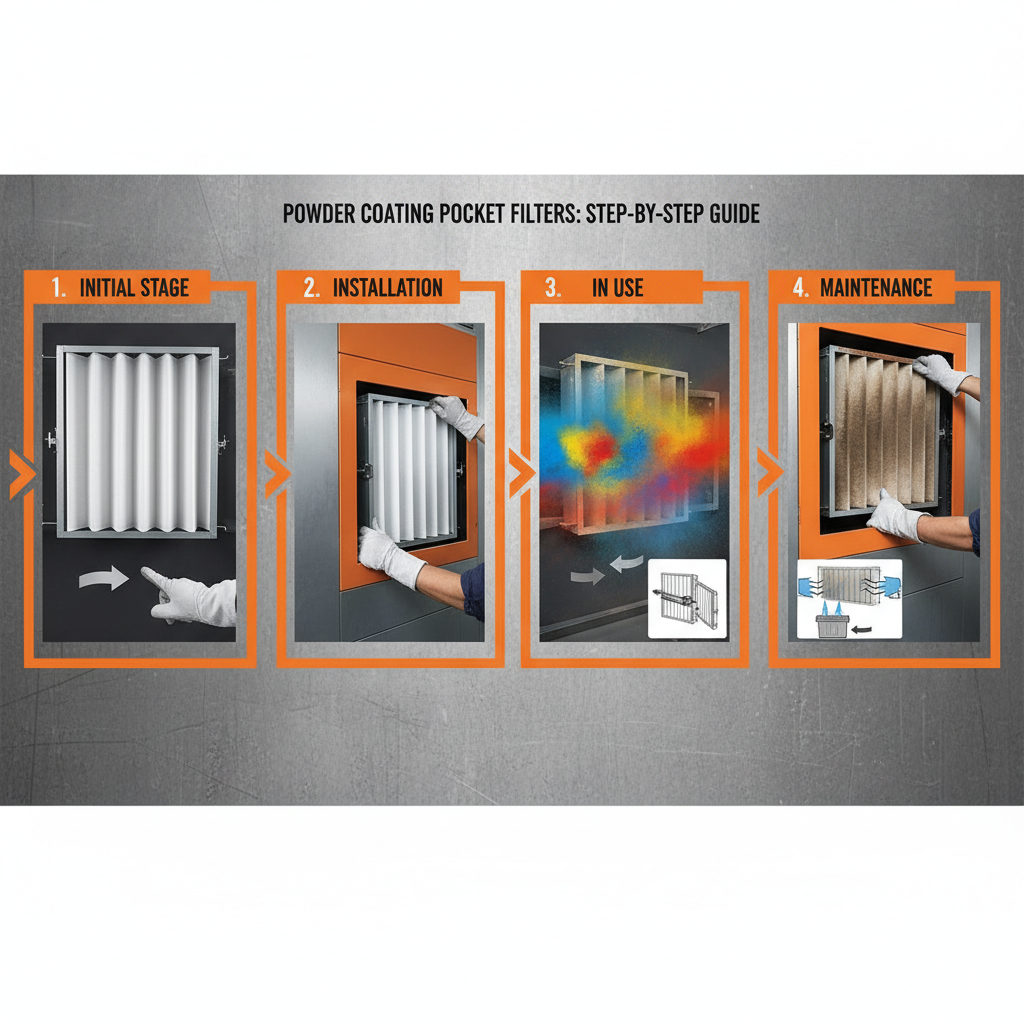
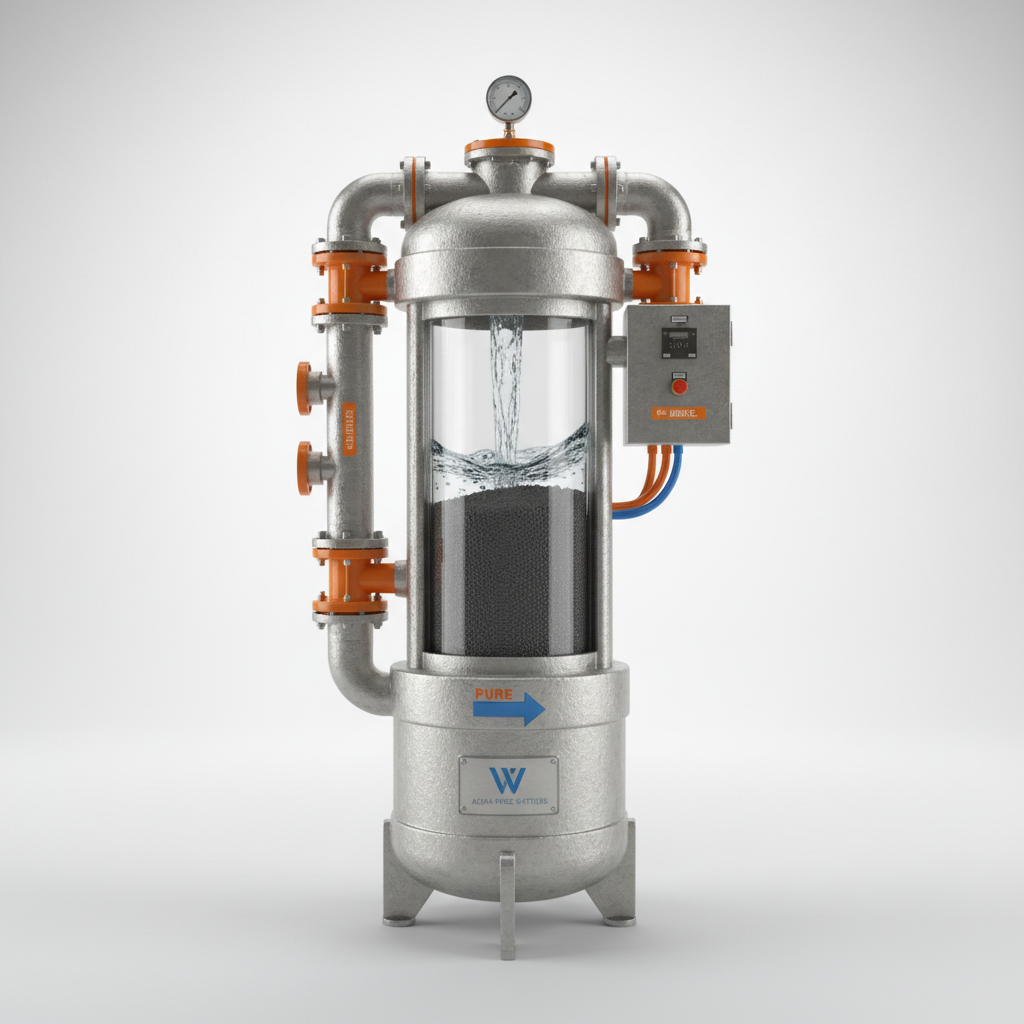
In the modern industrial landscape, the quality of air filtration is no longer just a matter of maintenance but a critical component of operational efficiency and human health. High-performance air filter media pads serve as the primary defense mechanism against airborne particulate matter, ensuring that critical machinery and sensitive environments remain uncontaminated. By utilizing advanced synthetic and composite materials, these pads can be tailored to meet specific filtration grades, from coarse pre-filtration to high-efficiency particulate air (HEPA) standards.
Globally, the demand for specialized filtration solutions has surged as environmental regulations become more stringent and urbanization increases the prevalence of atmospheric pollutants. The integration of air filter media pads into HVAC systems, industrial exhaust units, and automotive cabins is essential for reducing the carbon footprint of operations by optimizing airflow and reducing energy consumption. When chosen correctly, the right media can significantly extend the lifespan of downstream equipment and improve the overall air quality index (AQI) in enclosed spaces.
Understanding the technical nuances of various filter materials—ranging from meltblown fabrics to glass microfiber—allows engineers and procurement managers to balance the trade-off between filtration efficiency and pressure drop. This guide delves into the scientific composition, industrial applications, and emerging trends of air filter media pads, providing a comprehensive roadmap for those seeking to optimize their air purification strategies in an increasingly polluted world.
Global Relevance of Air Filter Media Pads
The global reliance on air filter media pads has grown exponentially as ISO standards for air quality (such as ISO 16890) have redefined how we measure filtration efficiency. In industrial hubs across Asia and Europe, the presence of volatile organic compounds (VOCs) and fine particulate matter (PM2.5) necessitates the use of high-grade composite pads that can trap microscopic pollutants without choking the system's airflow.
Failure to implement high-quality filtration media often leads to premature equipment failure and increased healthcare costs due to poor indoor air quality. By adopting standardized air filter media pads, industries can ensure consistent air purity, which is particularly vital in pharmaceutical cleanrooms and semiconductor fabrication plants where a single particle can ruin an entire production batch.
Technical Definition and Material Composition
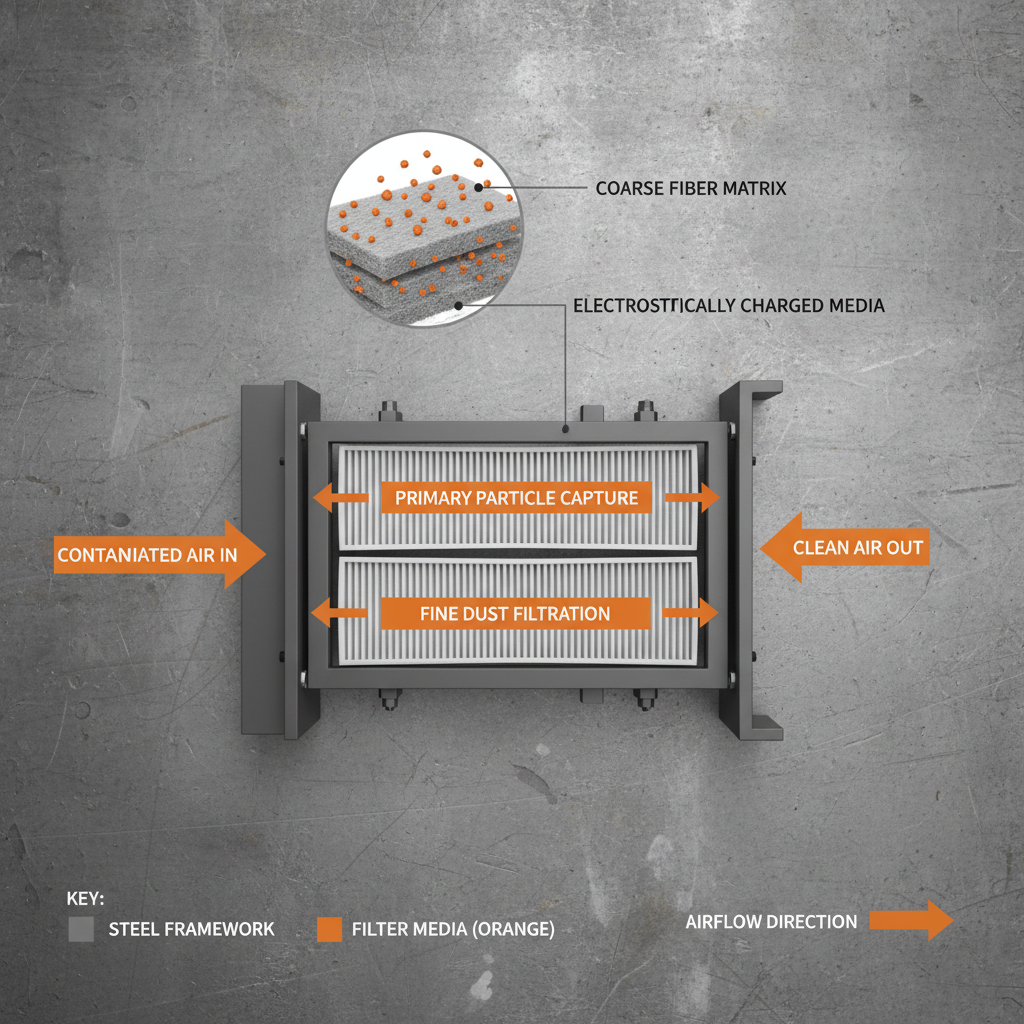
At its core, air filter media pads are porous materials designed to remove particles from an air stream through various mechanisms, including inertial impaction, interception, and diffusion. These pads are typically constructed from a variety of substrates, such as synthetic polymers, glass fibers, or cellulose, which are often layered or "laminated" to create a gradient density that captures particles of different sizes.
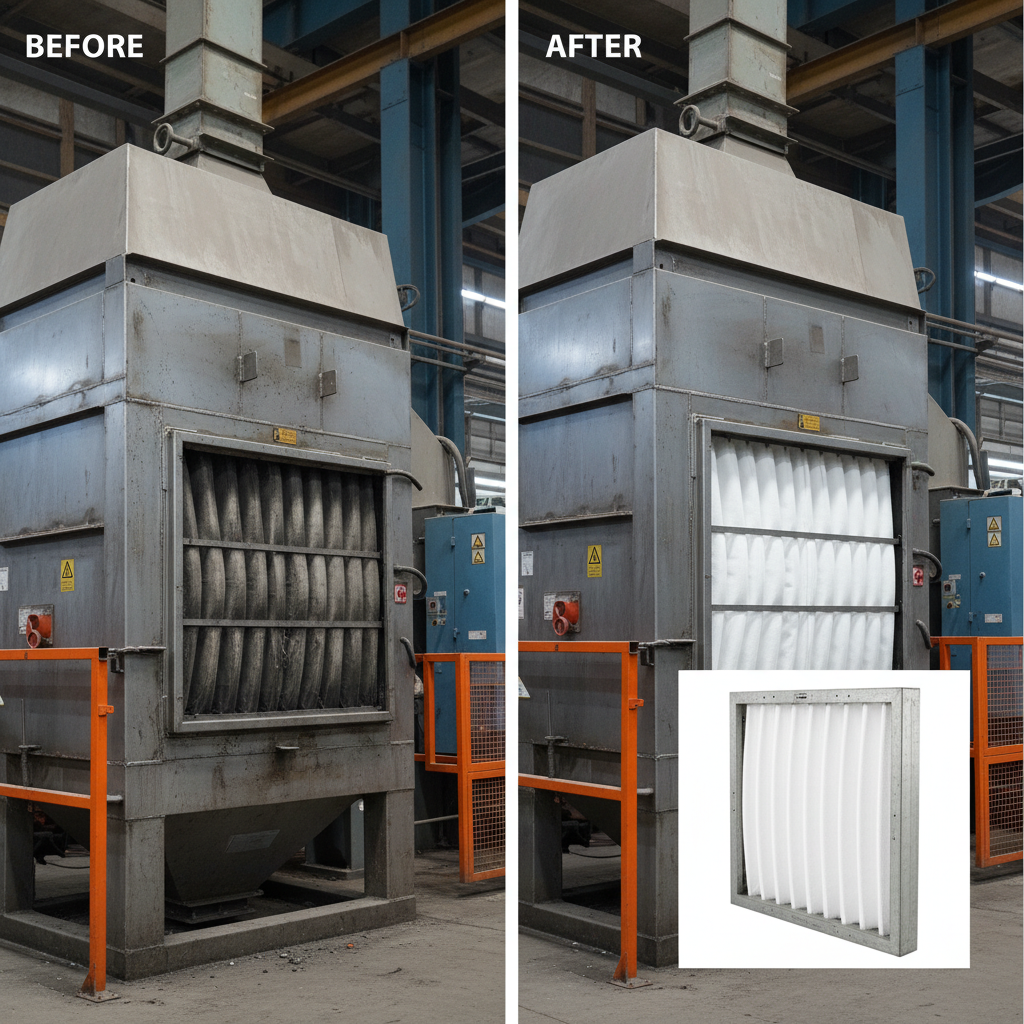
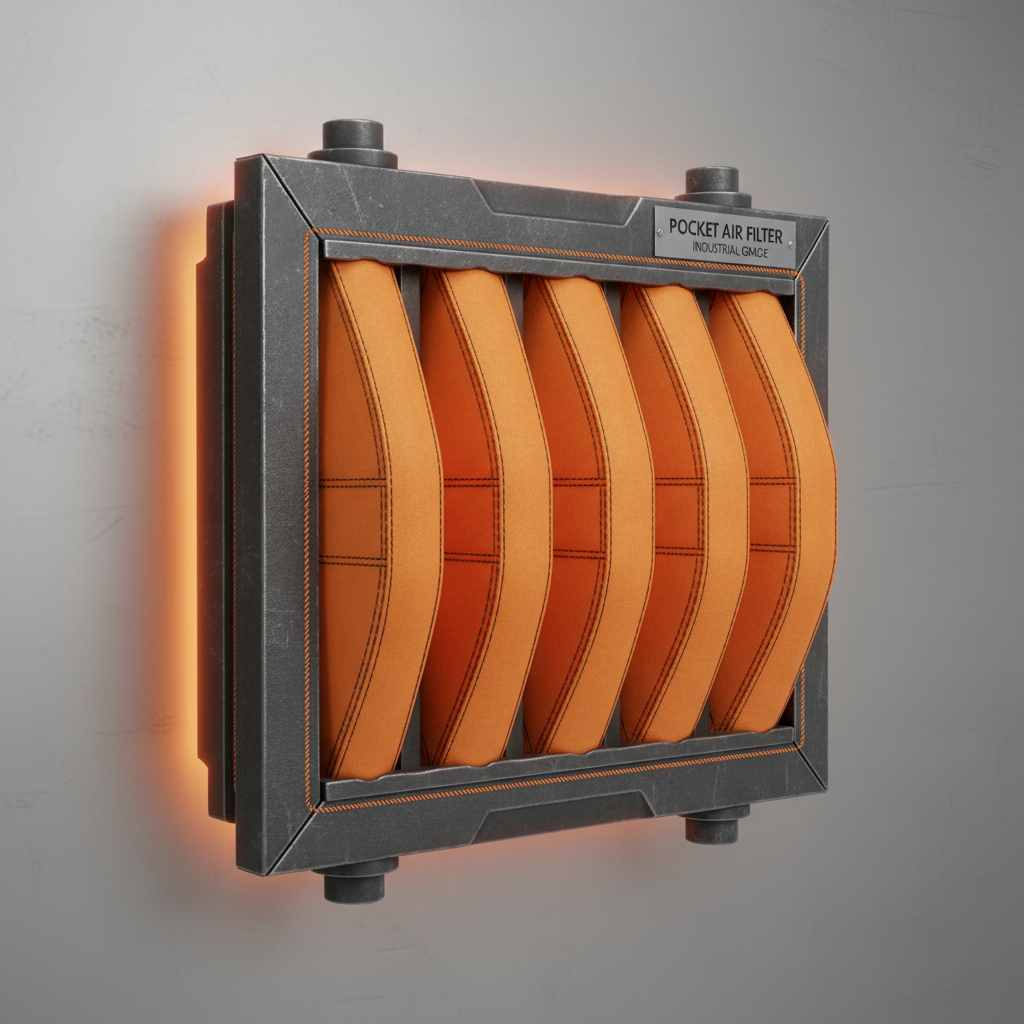
The composition often involves a blend of meltblown non-wovens and synthetic fibers to achieve a balance between mechanical strength and filtration efficiency. For instance, composite fiberglass filter paper is often used for high-temperature environments, while synthetic pocket filter media are preferred for high-volume air handling units due to their durability and resistance to moisture.
Modern air filter media pads may also include electrostatically charged fibers. This "electret" technology allows the pads to attract particles like a magnet, significantly increasing the dust-holding capacity without increasing the physical thickness of the media, thereby keeping the pressure drop low.
Core Performance Factors of Filtration Media
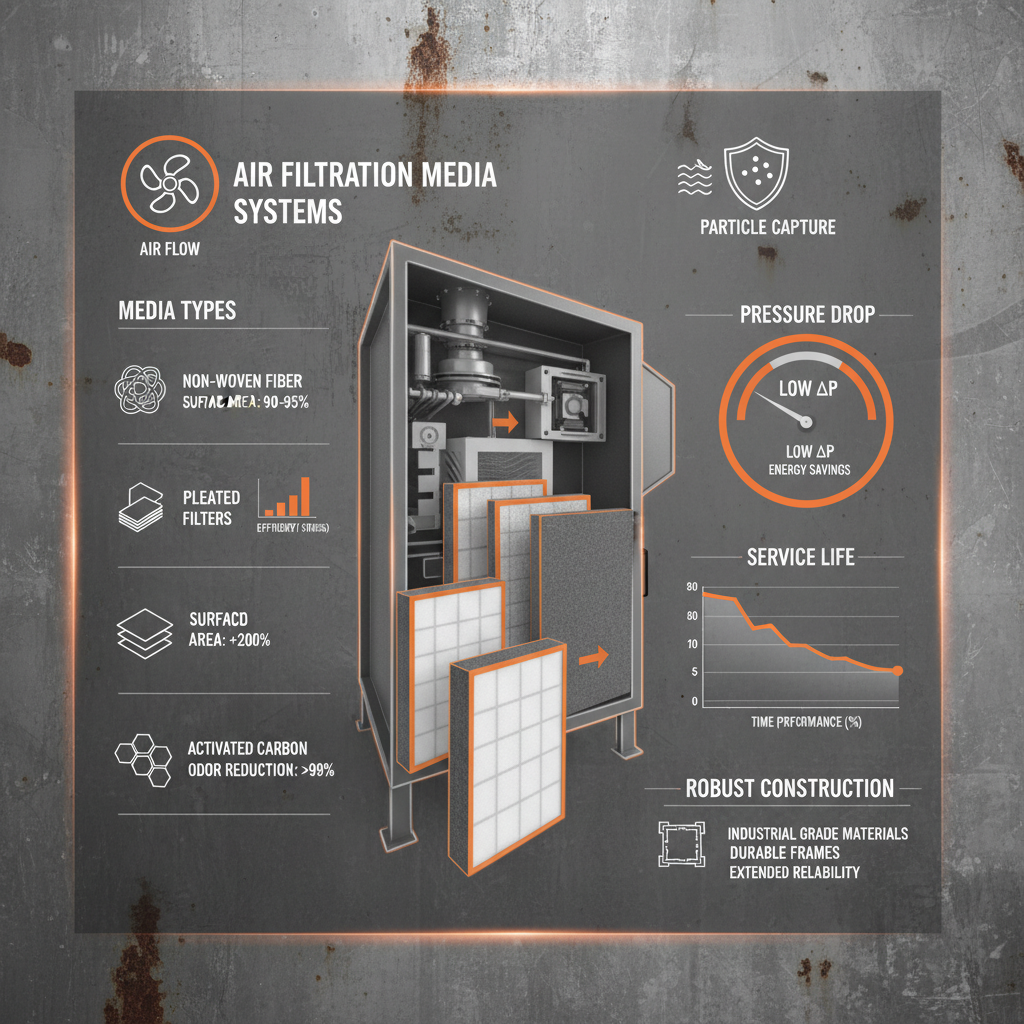
When evaluating air filter media pads, the first critical factor is the Filtration Efficiency. This refers to the percentage of particles of a specific size that are captured by the media. High-efficiency pads are essential for sterile environments, but they must be balanced with the air permeability of the material to avoid straining the ventilation fans.
The second key metric is Pressure Drop (Delta P). This is the resistance the air encounters as it passes through the air filter media pads. A lower pressure drop means less energy is required to move air through the system, directly translating to lower operational costs and a reduced carbon footprint for the facility.
Finally, Dust Holding Capacity (DHC) determines how long a filter can operate before it becomes saturated and requires replacement. Materials with a gradient density structure are superior in this regard, as they capture larger particles on the surface and smaller particles deeper within the media, maximizing the usable volume of the pad.
Global Industrial Applications and Use Cases
The application of air filter media pads spans across diverse sectors. In the automotive industry, specialized filter papers are used in cabins to protect passengers from smog and allergens, while industrial-grade pads are used in paint spray booths to capture overspray and protect the environment. In the HVAC sector, synthetic roll filters are deployed in large-scale commercial buildings to maintain air hygiene in offices and malls.
Beyond standard commercial use, these materials are vital in specialized zones. For example, in remote mining operations in Australia or industrial complexes in the Middle East, ruggedized air filter media pads are used to protect heavy machinery from extreme dust ingress, preventing catastrophic engine failure and reducing downtime in harsh climates.
Performance Comparison of Air Filter Media Pads Types
Long-Term Value and Sustainability Benefits
Investing in high-quality air filter media pads provides significant long-term economic value. While the initial cost of composite or laminated media may be higher than basic options, the extended service life reduces the frequency of replacements. This not only lowers labor costs but also minimizes the volume of waste sent to landfills, aligning with corporate ESG (Environmental, Social, and Governance) goals.
Furthermore, the reliability of professional-grade filtration media ensures the safety and dignity of workers in industrial settings. By effectively removing hazardous particulates and fumes, air filter media pads mitigate the risk of respiratory diseases, fostering a healthier workplace and building trust between the employer and the workforce through a commitment to safety innovation.
Future Trends in Filter Media Innovation
The future of air filter media pads is leaning heavily toward "smart" materials and nanotechnology. We are seeing the development of nano-fiber coatings that can capture viruses and bacteria with almost zero increase in air resistance. These innovations allow for the creation of ultra-thin pads that outperform traditional thick mats, enabling more compact and efficient filter housing designs.
Sustainability is also driving a shift toward biodegradable and recyclable filter media. Researchers are exploring bio-based polymers and natural fibers that maintain high filtration efficiency but can be composted after use. This transition is crucial as global policies move toward a circular economy, reducing the reliance on petroleum-based synthetic plastics in industrial filtration.
Additionally, the integration of IoT sensors within air filter media pads is becoming a reality. Real-time monitoring of pressure drop and particle loading allows for "predictive maintenance," where filters are replaced exactly when needed rather than on a fixed schedule, further optimizing energy use and material waste.
Common Challenges and Engineering Solutions
One of the primary challenges in using air filter media pads is the "trade-off" between efficiency and pressure drop. As the pores become smaller to catch more particles, the air finds it harder to pass through, which can lead to increased energy costs or system failure. To solve this, engineers are employing "gradient density" structures, where the pad's porosity varies from coarse to fine, spreading the particle load across the entire depth of the media.
Moisture and humidity can also degrade the performance of certain media, particularly cellulose-based papers. The solution lies in the use of synthetic composites or hydrophobic coatings that prevent water droplets from clogging the pores of the air filter media pads, ensuring consistent performance even in high-humidity environments like coastal regions or steam-heavy industrial plants.
Lastly, the issue of "filter bypass"—where air leaks around the edges of the pad—often undermines the efficiency of high-grade media. This is addressed through improved framing and the use of laminated mesh supports that provide structural rigidity to the pads, ensuring a tight seal within the filter frame and forcing all air to pass through the active filtration area.
Comparative Analysis of Air Filter Media Pads Material Properties
| Media Material |
Efficiency Grade |
Pressure Drop |
Service Life |
| Synthetic Non-woven |
Medium |
Low |
High |
| Glass Microfiber |
Very High |
Medium-High |
Medium |
| Meltblown Composite |
High |
Low-Medium |
Medium-High |
| Cellulose Paper |
Low-Medium |
Very Low |
Low |
| Laminated Mesh-Composite |
Medium-High |
Low |
Very High |
| Electrostatic Media |
High |
Very Low |
Medium |
FAQS
Synthetic pads are generally more durable, washable in some cases, and better for high-humidity environments. Fiberglass pads typically offer higher filtration efficiency for smaller particles and can withstand much higher temperatures, making them ideal for industrial ovens or high-spec cleanrooms, though they are more fragile than synthetic alternatives.
Replacement frequency depends on the dust load and the pressure drop threshold. Most facilities monitor the "Delta P" (pressure difference) across the pad. Once the pressure drop reaches a predetermined limit (e.g., double the initial resistance), the pads should be replaced to prevent energy waste and protect the fan motor.
It depends on the material. Certain synthetic and metal-supported pads can be vacuumed or lightly rinsed. However, meltblown and glass microfiber pads are usually "disposable" because cleaning them can destroy the delicate fiber structure and the electrostatic charge, leading to a massive drop in filtration efficiency.
Gradient density refers to a structure where the fibers are loosely packed on the upstream side and become increasingly dense toward the downstream side. This allows larger particles to be caught on the surface and smaller ones deeper inside, preventing the filter from "blinding" or clogging quickly on the surface.
They are often more "efficient per unit of pressure drop." By using electrical attraction to pull particles out of the airstream, they can achieve high filtration rates without needing a very dense physical mesh, which keeps the airflow high and energy costs low.
Start by identifying the primary pollutant (e.g., coarse dust, pollen, or microscopic fumes). Consult ISO 16890 or MERV ratings to match the media to your needs. Ensure that your existing HVAC blower is powerful enough to handle the pressure drop associated with the efficiency grade you choose.
Conclusion
In summary, air filter media pads are indispensable tools for maintaining air purity and equipment longevity across global industries. From the technical selection of synthetic and composite fibers to the strategic management of pressure drops and dust-holding capacities, the right filtration choice directly impacts operational costs, energy efficiency, and human health. By balancing the trade-offs between efficiency and permeability, businesses can create safer, more sustainable environments.
Looking ahead, the shift toward nano-materials and biodegradable substrates promises a future where air filtration is both more effective and environmentally benign. As we move toward smarter cities and greener factories, the role of advanced air filter media pads will only grow in significance. We encourage facility managers and engineers to stay updated on the latest material innovations to optimize their air quality strategies. Visit our website for professional guidance: www.filtersmaterials.com.