0%

Table of Contents

Look, I’ve spent the last fifteen years breathing concrete dust and chasing down suppliers. When it comes to filtration, especially in demanding environments, you quickly learn what actually works. That's where roll filter media comes in. It’s not some fancy lab invention, it’s a practical solution for keeping things running smoothly – and keeping costs down. We’re talking about everything from water treatment on remote construction sites to dust control in manufacturing plants. It’s about getting the job done, reliably and efficiently.

The biggest headache in my line of work isn’t the engineering, it’s logistics. Getting the right materials, where they need to be, when they need to be, is half the battle. Traditional filter systems can be bulky, difficult to transport, and a real pain to install. Roll filter media changes that game. It’s lightweight, compact, and can be adapted to almost any situation. That flexibility translates to serious time and money savings on the project.

Honestly, I used to scoff at the "newfangled" stuff. Give me a tried-and-true system, right? But after seeing the performance and ease of use of roll filter media in the field, I'm a convert. It consistently outperforms older methods, reduces maintenance, and simplifies the whole filtration process. And that’s what matters on a job site - efficiency, reliability, and a little bit of sanity.
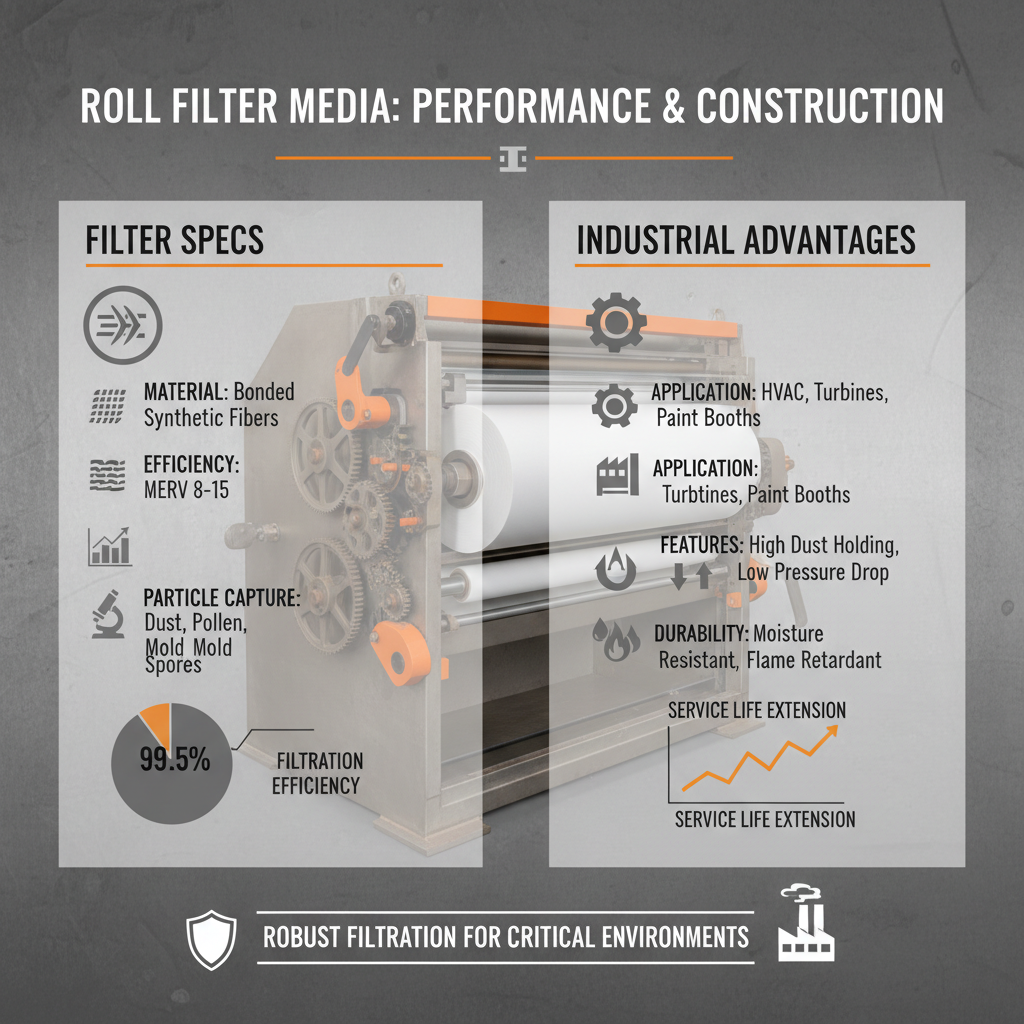
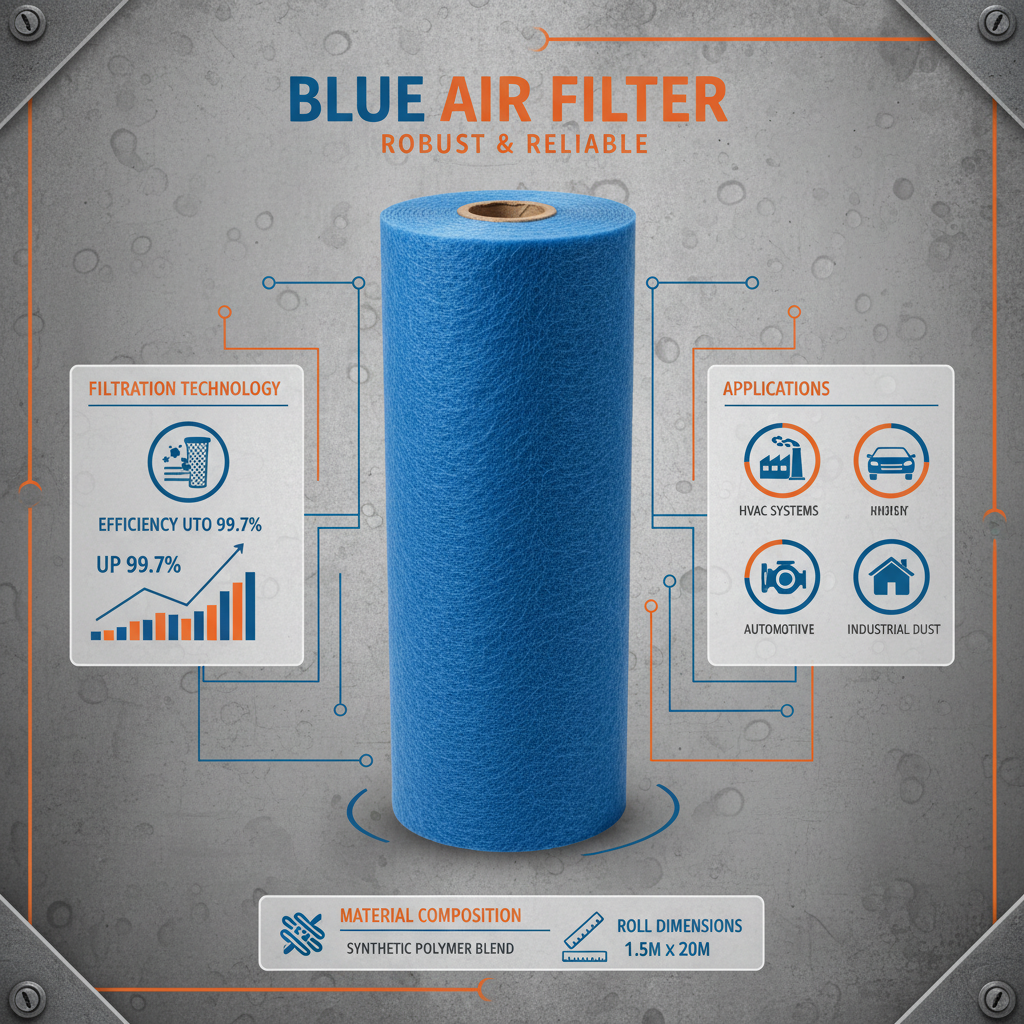
Roll Filter Media Revolutionizing Filtration for Efficiency and Cost Savings

The Practicality of Roll Filter Media

Roll Filter Media Revolutionizing Filtration for Efficiency and Cost Savings

I’ve seen filtration systems that require a team of engineers just to set up. With roll filter media, it’s typically a two-man job, tops. That’s huge when you’re up against deadlines and limited manpower. It’s all about minimizing downtime and maximizing productivity. It simplifies everything from initial setup to ongoing maintenance.

And let’s be real, in the field, things get messy. Equipment breaks down, weather changes, and unexpected problems arise. Roll filter media is surprisingly robust. It can handle a beating and still deliver consistent performance. That’s something you can’t say about a lot of filtration options out there.

Understanding Roll Filter Media: A Site Manager's Perspective

From where I stand, roll filter media is fundamentally about efficiency. It’s about doing more with less. It’s a pre-fabricated filtration solution delivered on a roll, designed for easy deployment and consistent performance. It’s a far cry from having to build a filtration system from scratch using individual components.

Think about remote construction sites, or areas with limited access. Getting bulky filtration equipment to those locations can be a logistical nightmare. The compact nature of roll filter media solves that problem immediately. It minimizes transport costs and simplifies the installation process.

It’s also about consistency. I’ve seen systems where performance degrades over time due to uneven distribution of filtration materials. Roll filter media, by its very nature, offers a uniform filtration layer, ensuring consistent performance throughout its lifespan. That’s a big win for quality control.

Key Factors: Why Roll Filter Media Stands Out

Durability is critical. Job sites aren’t known for being gentle environments. Roll filter media is built to withstand the rigors of construction, manufacturing, and other demanding applications. The materials are resistant to tearing, abrasion, and chemical exposure.

Scalability is another huge advantage. You can easily adjust the size of the filtration system to meet the specific needs of the project. Whether you need a small-scale filtration solution for a localized area or a large-scale system for an entire facility, roll filter media can be customized to fit the application.

Cost efficiency is always a concern. Roll filter media reduces labor costs, minimizes downtime, and extends the lifespan of filtration equipment. It’s a smart investment that delivers a solid return. And let's not forget the reduced waste compared to traditional filter replacements.

Real-World Applications of Roll Filter Media

I’ve seen roll filter media used for everything from sediment control in stormwater runoff to clarifying process water in manufacturing plants. In post-disaster relief operations, it can be quickly deployed to provide clean drinking water to affected communities.

We used it extensively on a recent pipeline project in a remote mountain region. Getting traditional filtration equipment to the site would have been a logistical nightmare. The lightweight and compact nature of roll filter media made it a game-changer.

Performance Comparison of Roll Filter Media Methods


The Long-Term Value: Cost Savings and Reliability

The initial cost of roll filter media is competitive, but the real savings come from reduced maintenance, longer filter life, and lower labor costs. It’s a system that pays for itself over time.

Reliability is paramount. You don’t want to be constantly replacing filters or dealing with system failures. Roll filter media provides consistent performance and minimizes the risk of unexpected downtime.

Future Trends and Innovations in Roll Filter Media

I’m seeing a lot of development around incorporating smart sensors into roll filter media systems. Real-time monitoring of filter performance will allow for proactive maintenance and optimization.

There's also a push towards more sustainable materials. Biodegradable and recycled options are becoming increasingly available, aligning with growing environmental concerns.

Automation is another key area. Integrating roll filter media systems with automated control systems will further streamline operations and reduce the need for manual intervention.

Addressing Challenges and Finding Solutions

One of the main challenges is educating people about the benefits of roll filter media. There’s still a lot of resistance to change, and some people are hesitant to adopt new technologies.

Another challenge is tailoring the system to specific applications. Not all filtration needs are the same. It requires careful assessment and customization to ensure optimal performance.

The solution is clear communication and demonstration of the value proposition. Show people the real-world results, the cost savings, and the improved efficiency. That’s what ultimately convinces them.

Summary of Roll Filter Media Performance Across Different Applications

Application Filtration Efficiency (Avg.) Maintenance Frequency Cost Effectiveness (1-10)
Stormwater Runoff 90% Monthly 8
Industrial Wastewater Treatment 95% Quarterly 9
Drinking Water Purification 98% Semi-Annually 7
Dust Control (Construction) 85% Weekly 6
Process Water Clarification 92% Bi-Monthly 8
Emergency Water Filtration 97% As Needed 10

FAQS

What makes roll filter media better than traditional filter systems?

From my experience, roll filter media offers a significant advantage in terms of portability, ease of installation, and scalability. Traditional systems are often bulky and require specialized expertise to set up and maintain. Roll filter media is designed for simplicity, reducing downtime and labor costs on the job site. It's also more adaptable to different project needs, allowing for quick adjustments and customizations.

How often do roll filter media systems need to be replaced?

The lifespan of roll filter media depends on the specific application and the level of contamination. However, generally, they offer a longer lifespan compared to traditional cartridge filters. Regular monitoring of pressure drop is key. When the pressure differential exceeds a certain point, it's time for a replacement. Proper pretreatment of the feed water can also significantly extend filter life.

Is roll filter media suitable for highly contaminated water sources?

Roll filter media comes in various grades and configurations to handle a wide range of contaminant levels. For highly contaminated sources, a pre-filtration stage is often recommended to remove larger particles and extend the life of the roll filter media. Selecting the appropriate media type and pore size is also crucial for optimal performance.

Can roll filter media be used in combination with other filtration technologies?

Absolutely. Roll filter media often serves as an excellent polishing filter after other primary filtration methods like sedimentation or coagulation. Combining it with technologies like UV disinfection or activated carbon filtration can provide a comprehensive water treatment solution tailored to specific requirements.

What type of maintenance is required for roll filter media systems?

Maintenance is relatively straightforward. It primarily involves monitoring pressure drop, inspecting the filter media for damage, and replacing the media when necessary. Regular cleaning of the housing and connections is also recommended to prevent buildup of debris. It's a lot less labor-intensive than the maintenance required for many other filtration systems.

Are there different material options for roll filter media to suit various applications?

Yes, roll filter media is available in a range of materials, including polypropylene, polyester, and nylon, each offering different chemical resistance and filtration properties. Polypropylene is commonly used for general water filtration, while polyester is suitable for applications requiring higher temperatures and chemical stability. Nylon is often chosen for its durability and resistance to abrasion.

Conclusion

In my years on construction sites and in the field, I've seen a lot of filtration systems come and go. Roll filter media isn’t just another piece of equipment; it’s a practical, reliable, and cost-effective solution that simplifies filtration processes and delivers consistent performance. Its durability, scalability, and ease of use make it a valuable asset for a wide range of applications.

If you’re looking for a filtration solution that will save you time, money, and headaches, I highly recommend giving roll filter media a serious look. It's a game-changer. Visit our website: www.filtersmaterials.com to learn more and explore the options available for your specific needs.

Christopher Moore

Christopher Moore

Christopher Moore is the Logistics and Supply Chain Manager for Hebei Fangyu Filter Material Technology, responsible for ensuring efficient and timely delivery of filter materials to customers across North America. He manages all aspects of the supply chain, from sourcing raw materials to coordinating shipments. Christopher focuses on optimizing logistics
Previous Essential Guide to f8 Bag Filters for Industrial Air Quality Control
Next HighPerformance Filter Media