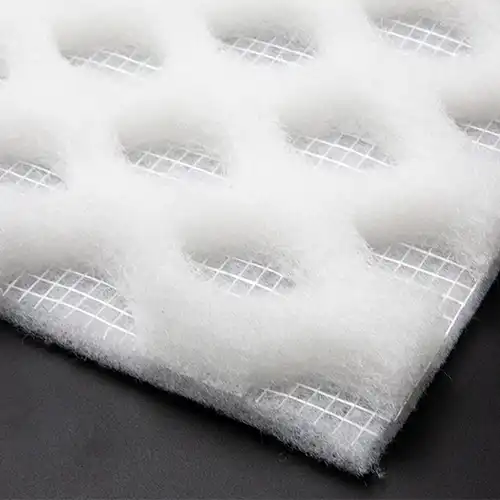
In today’s industrial landscape, maintaining air quality is paramount for operational efficiency, product integrity, and worker health. Selecting the appropriate filter air media is a crucial decision. This article provides a comprehensive guide to understanding different types of air filter media, their applications, and how to choose the best solution for your specific needs. We will explore the key factors to consider when evaluating air filter media, ensuring optimal performance and cost-effectiveness.
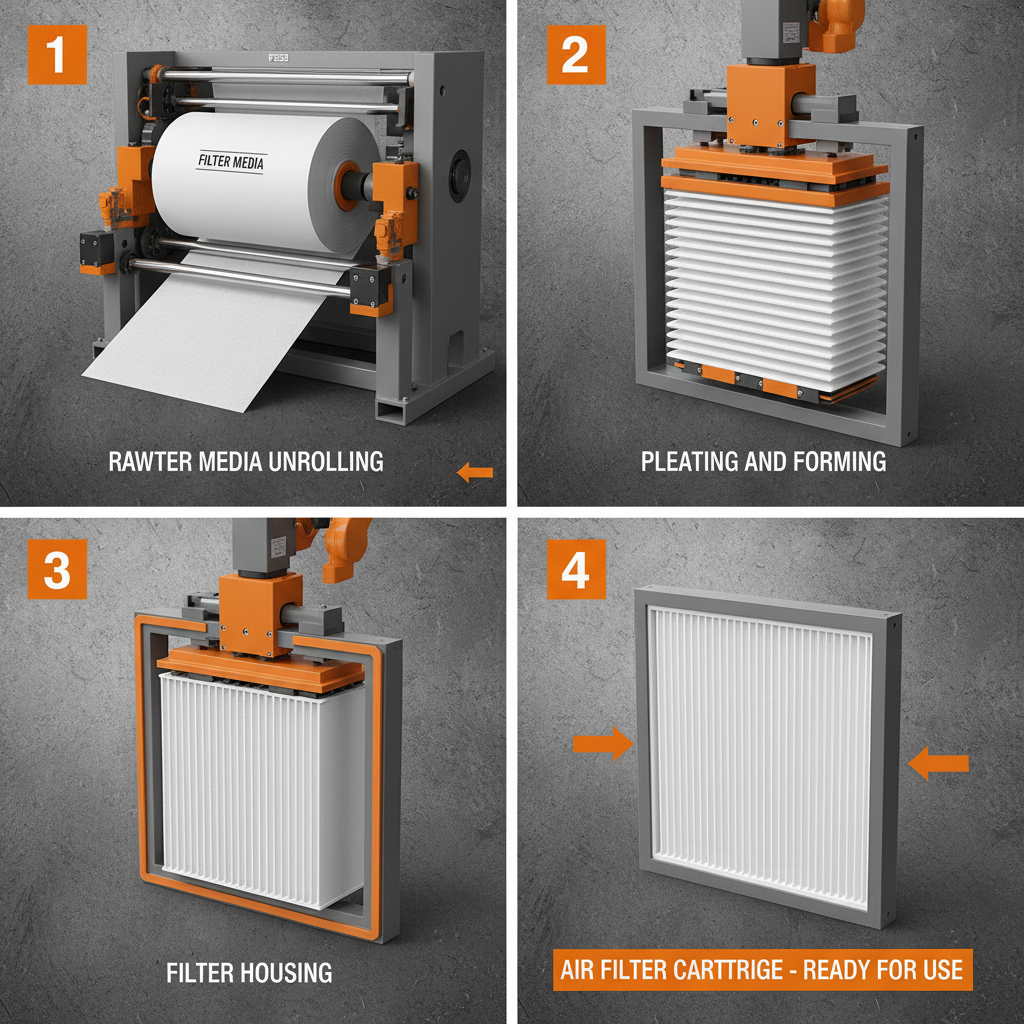
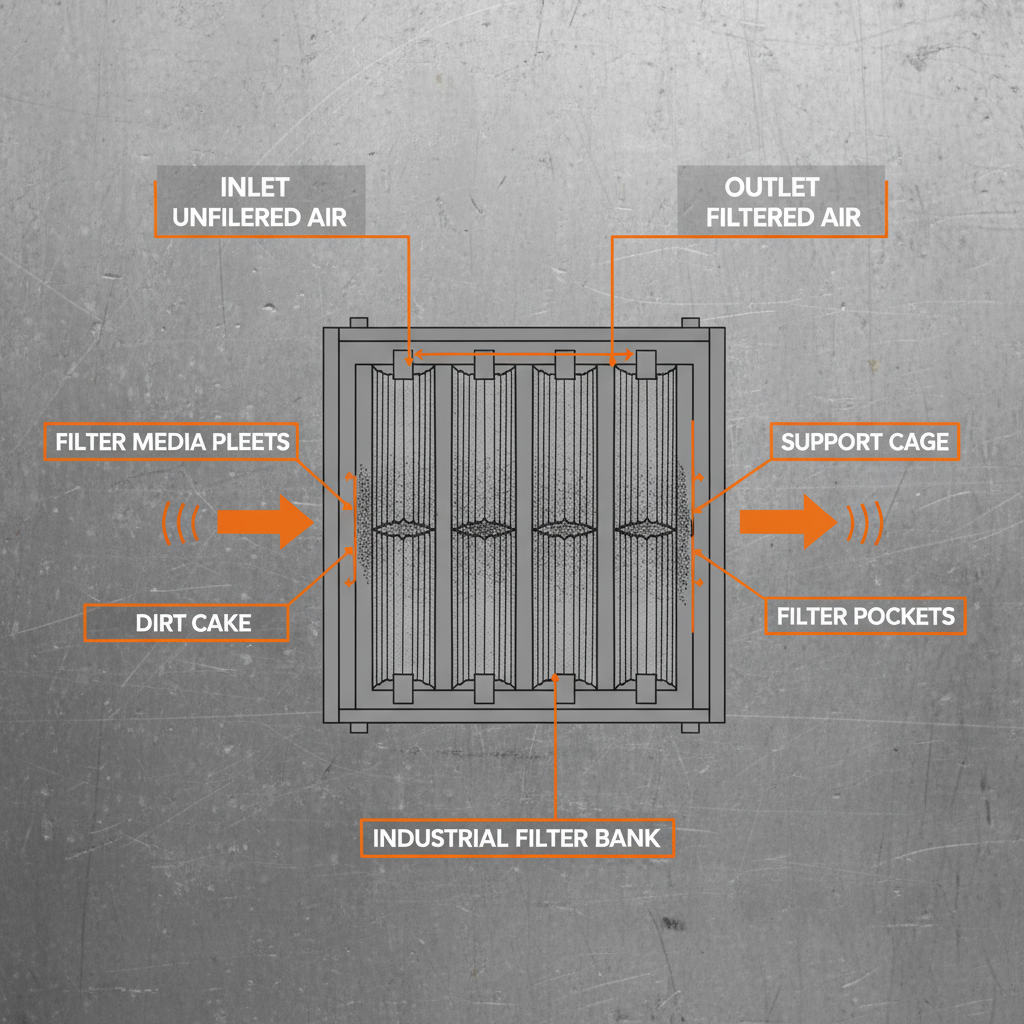
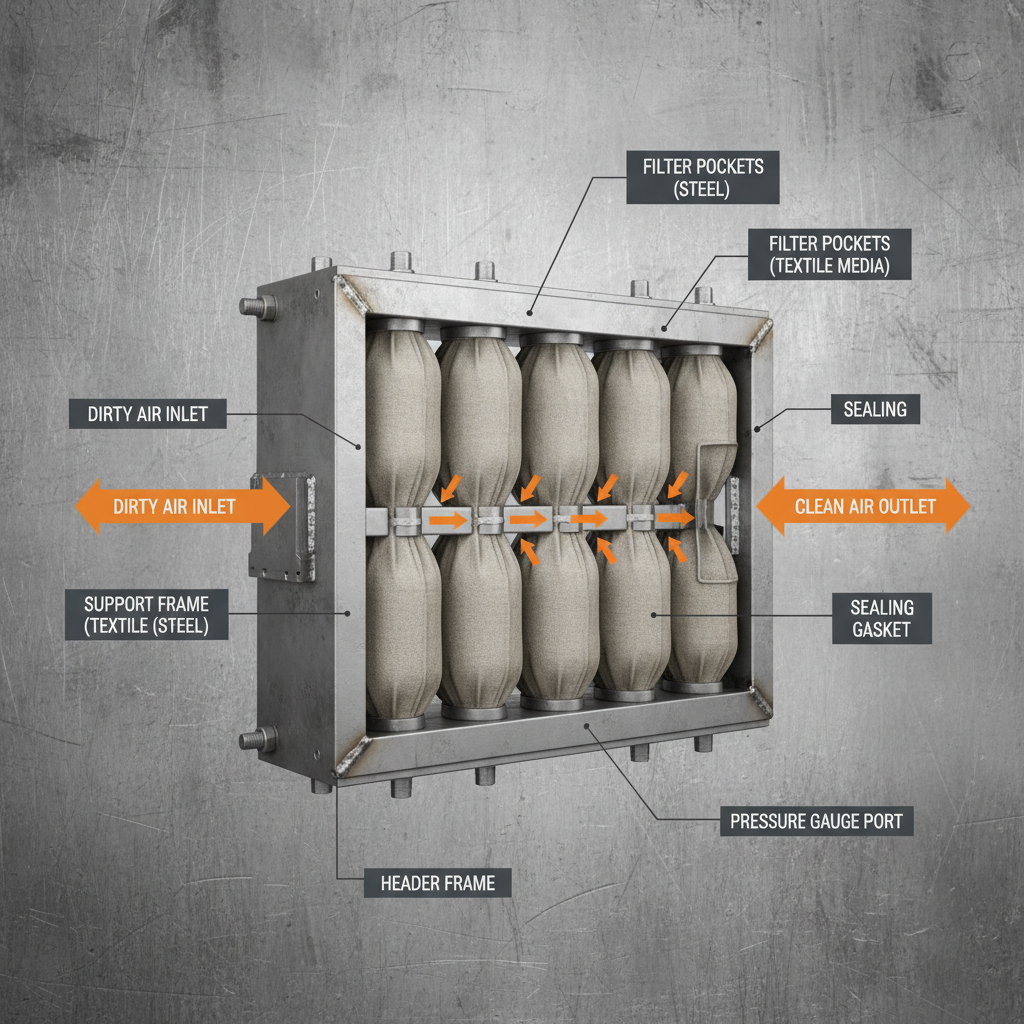
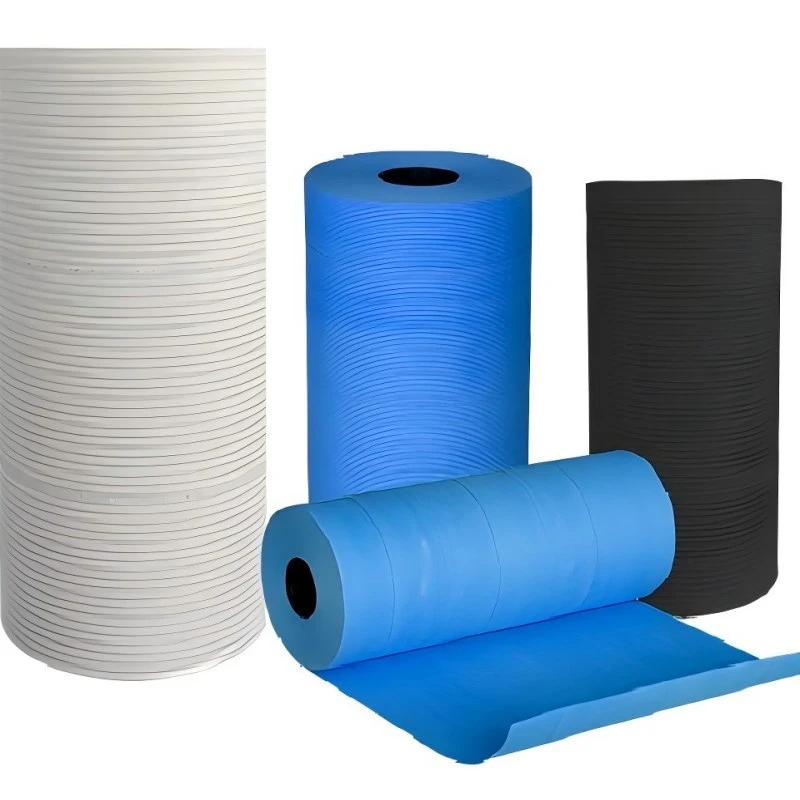
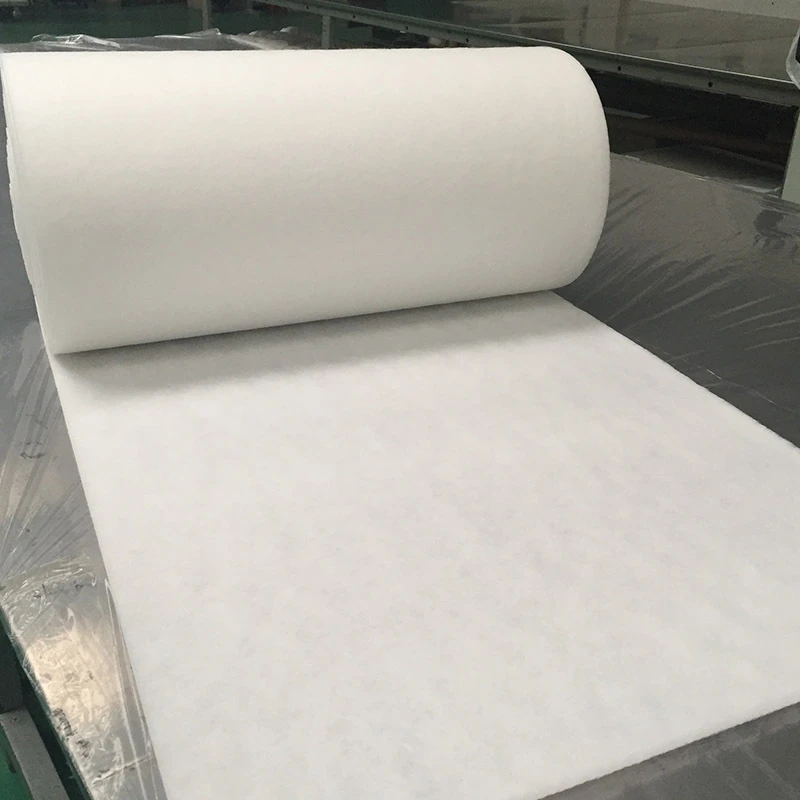
Air filter media come in a variety of materials, each with unique properties and suitability for different applications. Common types include synthetic media, fiberglass media, pleated media, and bag filters. Synthetic media, like polypropylene, offers good efficiency and resistance to moisture. Fiberglass media is typically used for lower-cost applications, while pleated media provides a larger surface area for increased dust-holding capacity. Bag filters, often constructed from polyester or polypropylene, are used in high-volume air filtration systems. The selection depends on factors such as particle size, airflow rate, and environmental conditions. Exploring options available on Filtersmaterials.com can provide further insight into different media types.
Key Considerations: Selecting the right filter air media hinges on understanding particle size, airflow, humidity, and the specific requirements of your application.
The Minimum Efficiency Reporting Value (MERV) rating is a crucial metric for evaluating air filter efficiency. MERV ratings range from 1 to 20, with higher numbers indicating greater efficiency in capturing smaller particles. A MERV 8 filter, for example, can capture pollen, dust mites, and mold spores, while a MERV 13 filter can remove bacteria, viruses, and smoke. Choosing the appropriate MERV rating depends on the specific air quality goals and the size of particles that need to be removed. Understanding these ratings is fundamental to effective filter air media selection.
MERV Rating Guide:
• MERV 1-4: Captures large particles like dust and pollen.
• MERV 5-8: Captures mold spores and dust mites.
• MERV 9-12: Captures fine dust, smog, and some bacteria.
• MERV 13-16: Captures viruses, smoke, and smaller bacteria.
• MERV 17-20: Captures microscopic particles, used in surgical settings.
Selecting the right media requires a comparison of available options. Below is a table highlighting key differences between common types. Understanding these differences will help tailor your choice to your specific needs.
Beyond MERV ratings and media types, several other factors influence the optimal choice. Airflow rate is critical; selecting a media with insufficient capacity will lead to reduced efficiency and increased pressure drop. Humidity levels can affect media performance, with some materials being more susceptible to moisture damage. Chemical exposure also needs consideration; specialized media are available for environments containing corrosive substances. Finally, total cost of ownership—including initial cost, replacement frequency, and energy consumption—should be factored into the decision. You can discover options suited to your specific situation at Filtersmaterials.com.
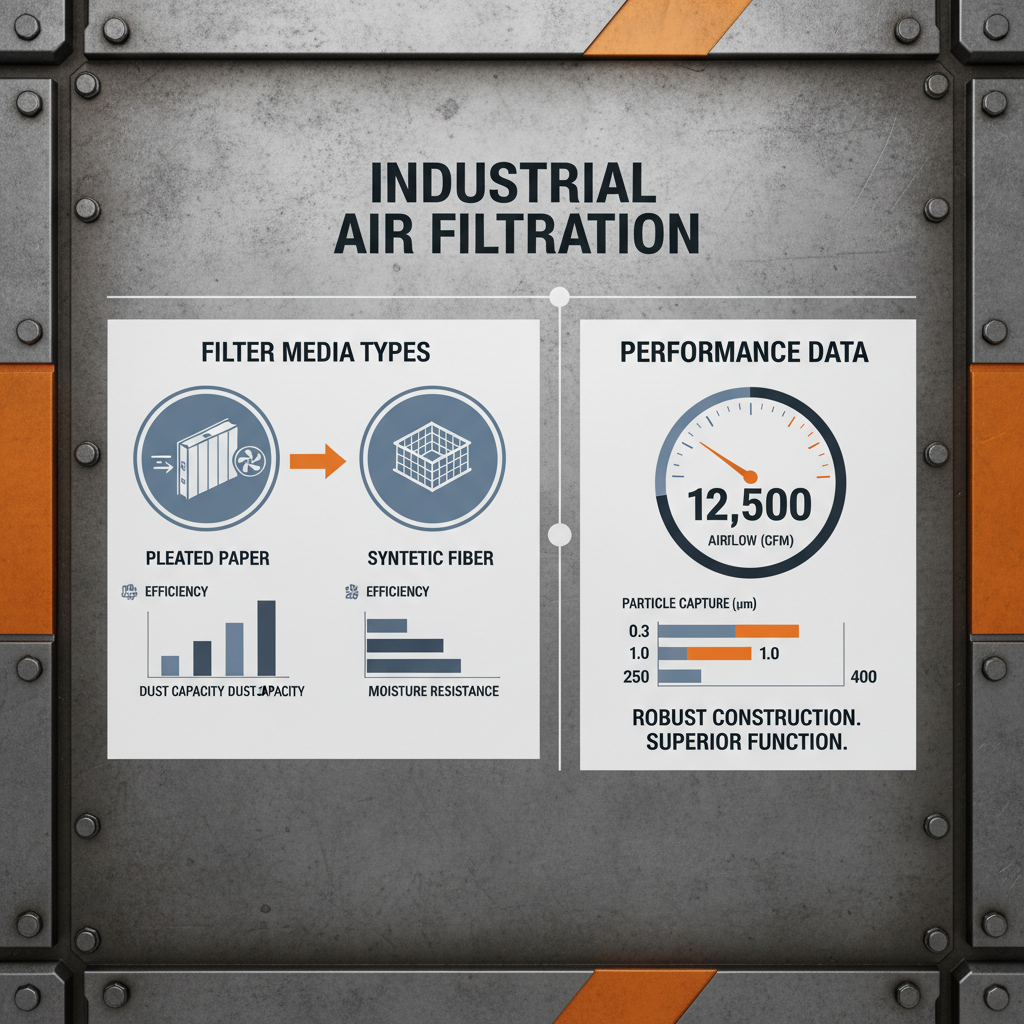
Selecting the right filter air media is a critical step in maintaining air quality, protecting equipment, and ensuring worker health. By understanding the different media types, MERV ratings, and influencing factors, you can make an informed decision that optimizes performance and cost-effectiveness. Don't hesitate to consult with experts and explore the comprehensive range of options available at Filtersmaterials.com to find the perfect solution for your specific application.
Pleated filters are generally used for lower airflow applications and offer a good balance of efficiency and cost. They are often found in residential and commercial HVAC systems. Bag filters, on the other hand, are designed for high-volume airflow applications in industrial settings. They offer a larger surface area for dust holding and are typically more durable. While pleated filters are available in higher MERV ratings, bag filters are often preferred for heavy-duty filtration needs.
The replacement frequency depends on several factors, including the MERV rating, the amount of dust in the environment, and the airflow rate. As a general guideline, it's recommended to check your filter monthly and replace it when it appears dirty or clogged. For standard 1-3 inch filters, replacement every 1-3 months is typical. Higher MERV filters and environments with heavy dust may require more frequent changes. Ignoring filter maintenance can reduce airflow and increase energy consumption.
Yes, absolutely. Using a filter with a MERV rating of 8 or higher can effectively capture pollen, dust mites, and other common allergens. This can significantly improve indoor air quality and alleviate allergy symptoms. HEPA filters (MERV 17-20) are particularly effective at removing even the smallest allergens. Regular filter replacement is also crucial to maintain optimal performance and allergen removal.
Filters with a MERV rating of 13 or higher are recommended for removing smoke particles. Activated carbon filters can also be used to absorb odors and gases associated with smoke. For heavy smoke conditions, a combination of a high-MERV filter and an activated carbon filter provides the best protection. Regularly changing the filter is essential when dealing with smoke, as it can quickly become saturated.