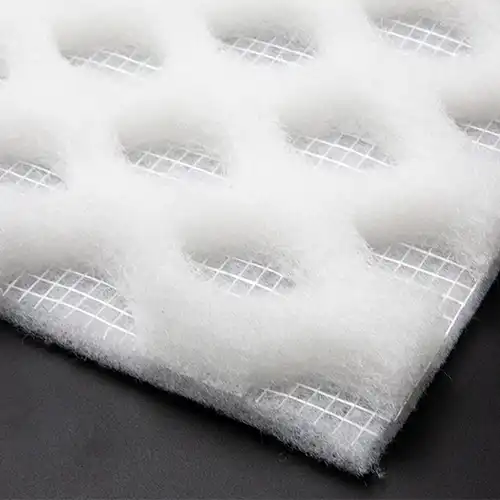
Choosing the right roll filter media is crucial for optimizing filtration systems across various industries. This article provides a detailed overview of roll filter media, its applications, benefits, and key considerations for selection. We will explore different types of media, their performance characteristics, and how to choose the best solution for your specific needs. Investing in quality roll filter media translates to improved efficiency, reduced costs, and enhanced system longevity.
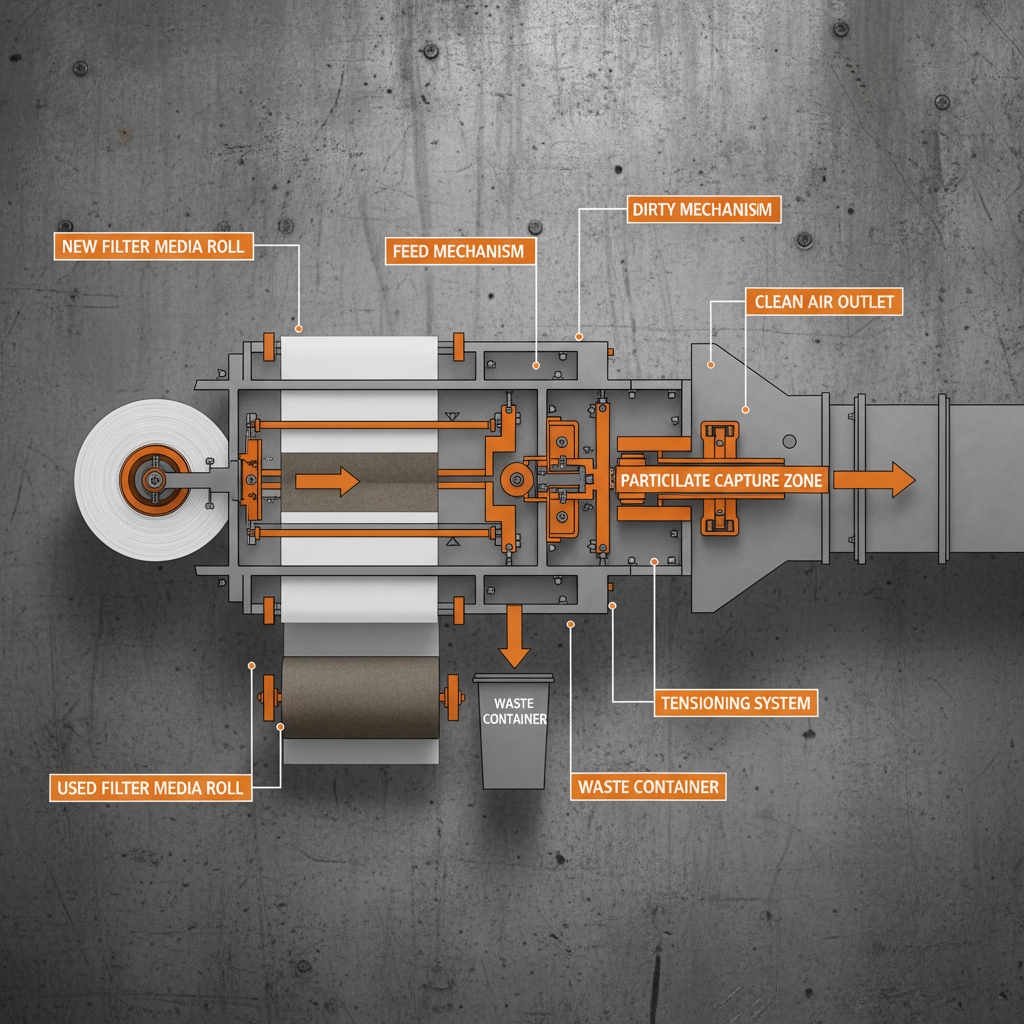
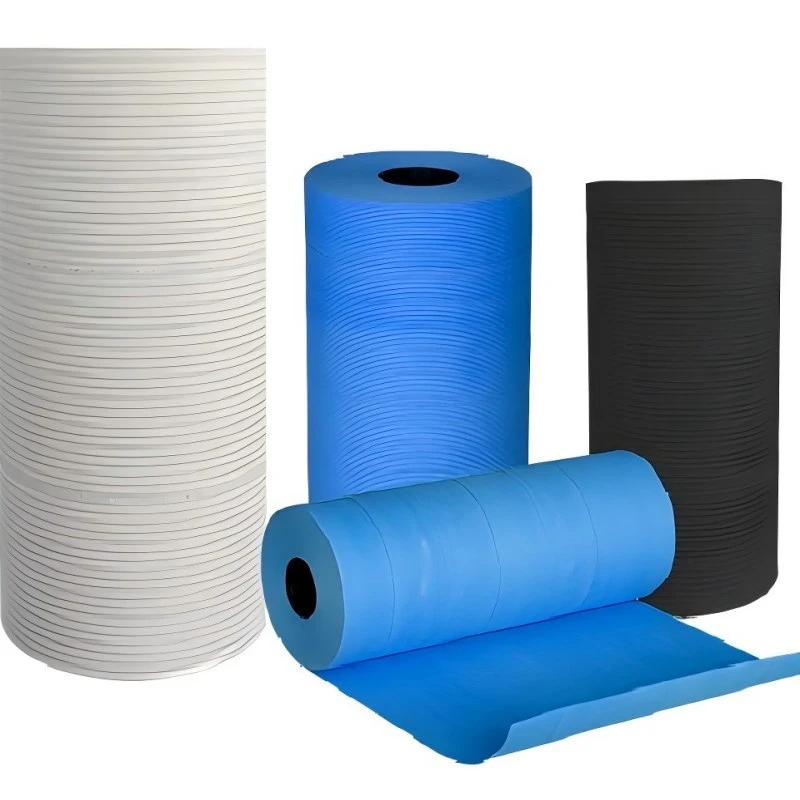
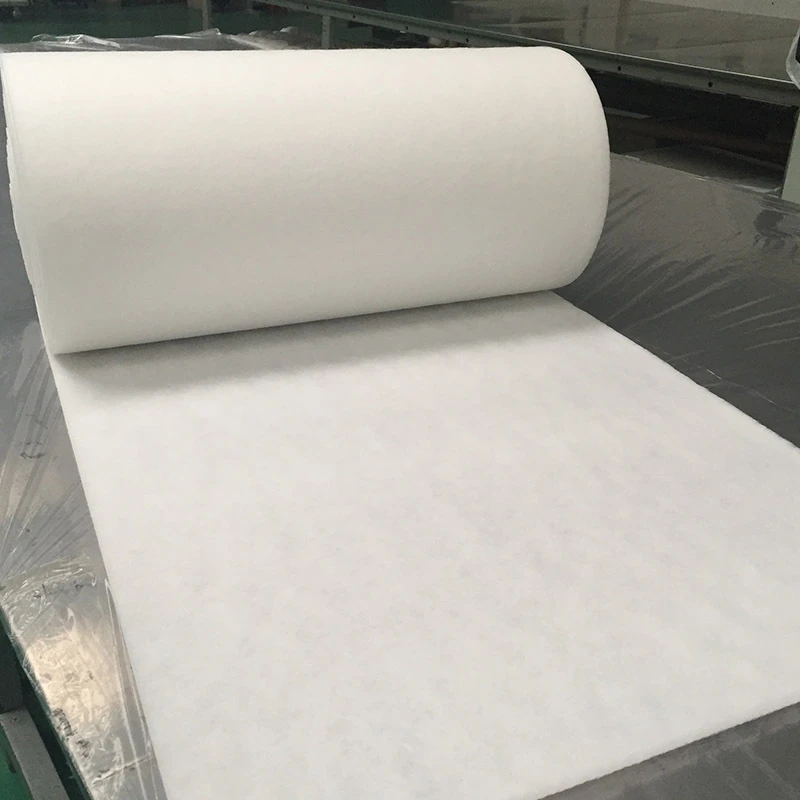
Roll filter media refers to filtration materials supplied in roll form, designed for easy installation and customization within various filtration systems. Unlike pre-cut filters, roll media allows users to cut the material to the precise size and shape needed, minimizing waste and maximizing efficiency. Common materials include polypropylene, polyester, and fiberglass, each offering unique properties suited for different applications. This versatility makes roll filter media ideal for industries requiring tailored filtration solutions, such as HVAC, automotive, and industrial manufacturing. Explore our range of roll filter media to find the right solution for your needs.
Key Benefits: Reduced waste, customizable sizing, cost-effective, diverse material options, ease of installation.
Various types of roll filter media cater to specific filtration needs. Polypropylene media is popular for its excellent chemical resistance and is frequently used in liquid filtration. Polyester media offers superior strength and temperature resistance, making it suitable for high-temperature applications. Fiberglass media provides high dust-holding capacity and is often employed in air filtration systems. Choosing the appropriate media depends on factors such as the type of contaminant, temperature, and flow rate. Roll filter media is widely used in pre-filtration, final filtration, and customized filtration setups.
Common Applications:
• HVAC Systems
• Liquid Filtration
• Automotive Filters
• Industrial Processes
Understanding the performance characteristics of different roll filter media is essential for optimal system design. Key parameters include particle size retention, airflow resistance, dust-holding capacity, and chemical compatibility. The following table provides a comparative overview of commonly used materials:
Choosing the optimal roll filter media requires careful evaluation of several factors. First, identify the specific contaminants you need to remove. Then, consider the operating temperature and pressure of your system. Evaluate the airflow or liquid flow rate to ensure adequate capacity. Finally, assess the chemical compatibility of the media with the fluids being filtered. Our expert team at Filtersmaterials.com can provide guidance on selecting the most suitable media for your application.
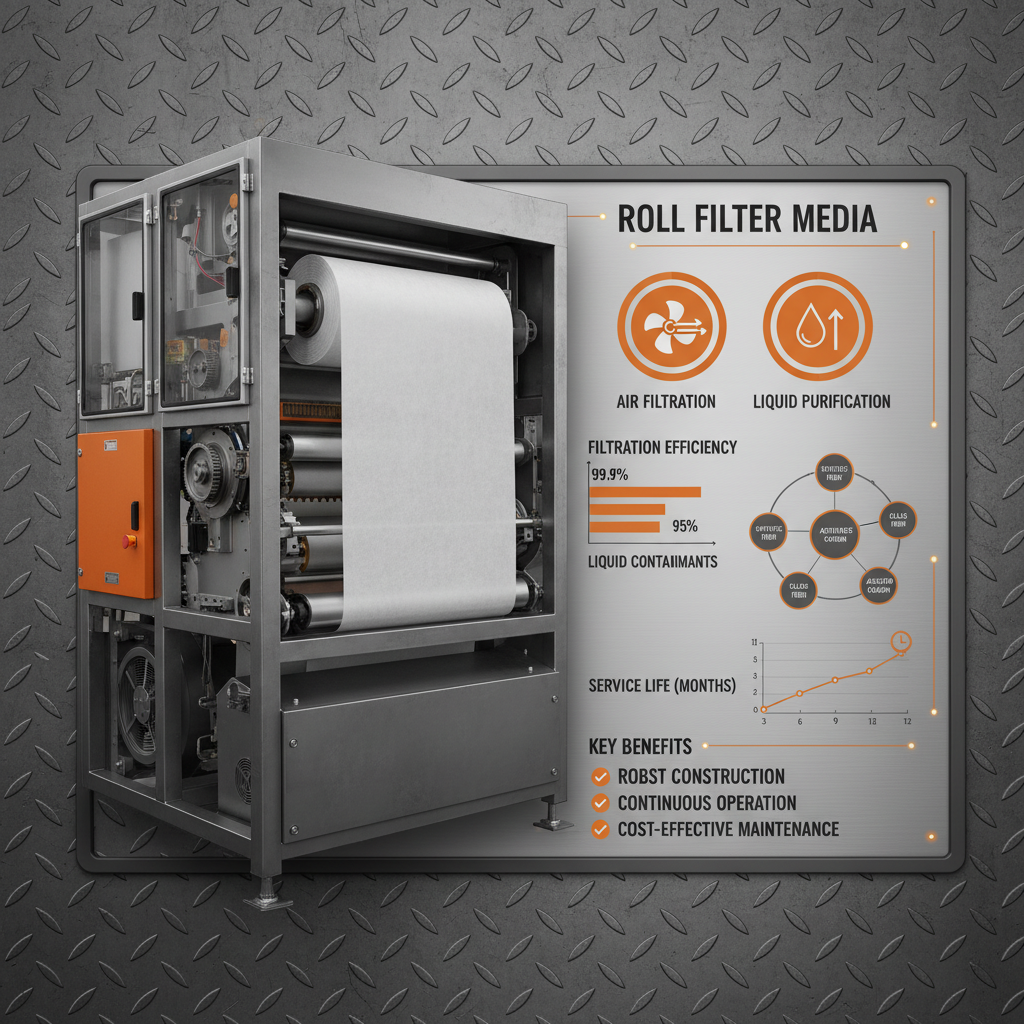
At Filtersmaterials.com, we offer a comprehensive selection of high-quality roll filter media, competitive pricing, and expert technical support. We are committed to providing customized solutions tailored to your unique needs. Our extensive inventory and fast turnaround times ensure you receive the materials you need, when you need them. We serve a wide range of industries, including HVAC, automotive, industrial manufacturing, and more.
Investing in the right roll filter media is essential for maintaining efficient and reliable filtration systems. By understanding the different types of media, their performance characteristics, and key selection criteria, you can optimize your system for maximum performance and cost-effectiveness. Partner with Filtersmaterials.com for high-quality products, expert guidance, and exceptional customer service.
The lifespan of roll filter media varies depending on factors like the contaminant load, flow rate, and media type. Generally, media should be replaced when it exhibits a significant pressure drop or becomes visibly dirty. Regular inspections are crucial for determining replacement frequency. As a rule of thumb, polypropylene media may last 3-6 months, while polyester and fiberglass media can last longer, potentially 6-12 months, depending on operating conditions.
Yes, one of the key advantages of roll filter media is its ability to be custom-cut on-site using standard cutting tools like scissors, utility knives, or rotary cutters. This allows for precise fitting into various filtration systems and minimizes waste. However, it's important to ensure clean cuts to avoid fraying or compromising the media's integrity.
Roll filter media offers several benefits over pre-cut filters, including cost savings due to reduced waste, the ability to customize filter sizes to fit specific applications, and greater flexibility in system design. It's also ideal for systems with non-standard filter dimensions. Pre-cut filters often require ordering multiple sizes, leading to unused inventory and increased costs.
The appropriate micron rating depends on the size of the contaminants you need to remove. Smaller micron ratings capture smaller particles, providing higher filtration efficiency but potentially increasing pressure drop. Consider the particle size distribution of the contaminants and choose a micron rating that effectively removes the majority of them without excessively restricting flow. Consulting with filtration experts at Filtersmaterials.com can help you determine the optimal micron rating for your specific application.