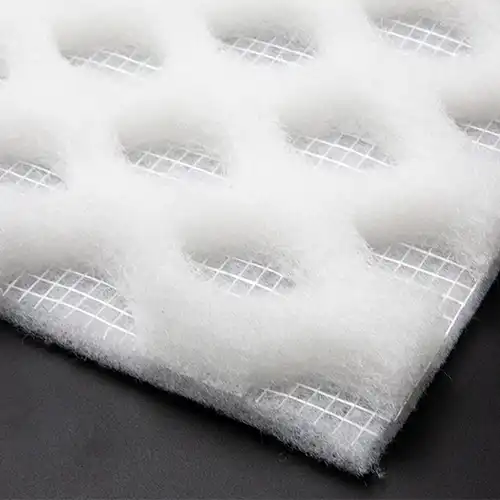
Pocket filters are a widely used air filtration solution across various industries. They are known for their efficiency in capturing particles and protecting sensitive equipment. This article provides a detailed look into pocket filters, exploring their functionality, applications, advantages, and how to choose the right filter for your specific needs. Whether you're involved in HVAC systems, manufacturing, or general air quality control, understanding pocket filters is crucial for maintaining optimal performance and a healthy environment. Explore our range of filtration materials today!
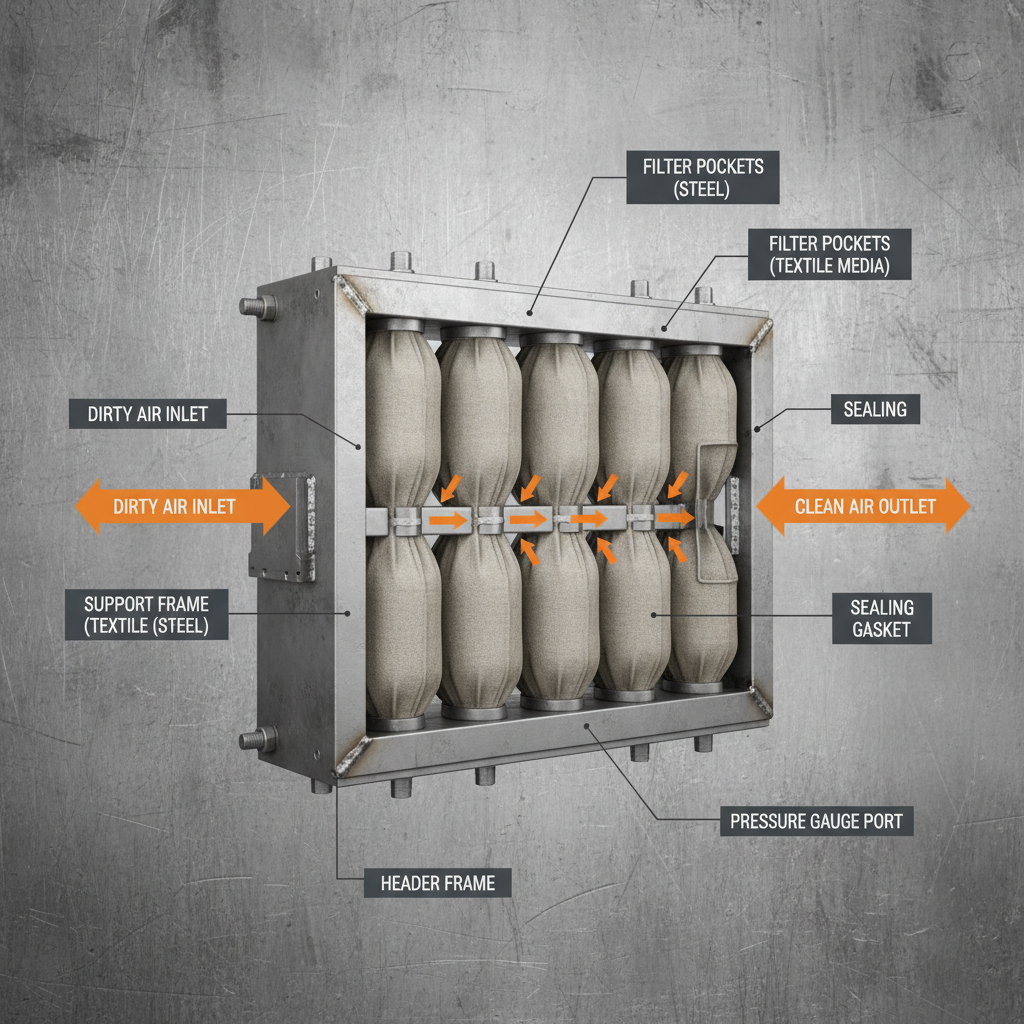
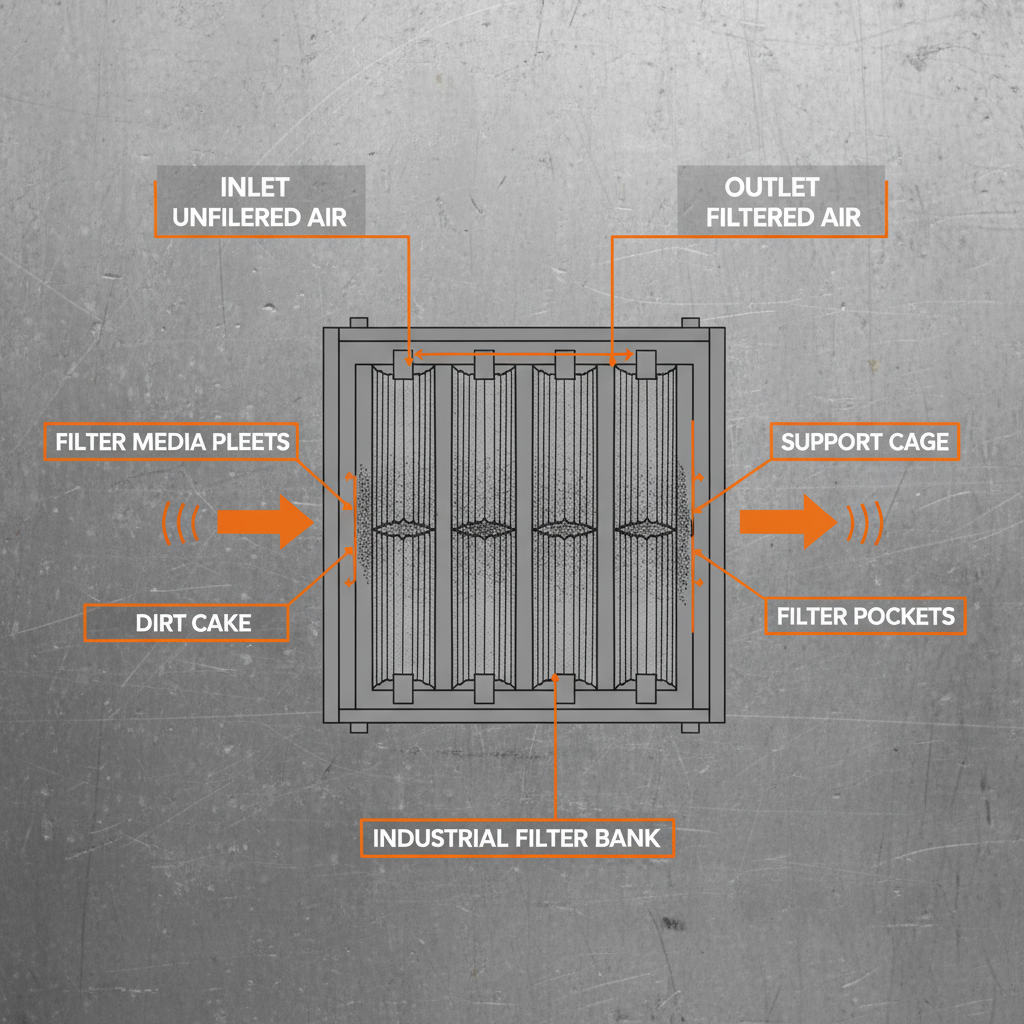
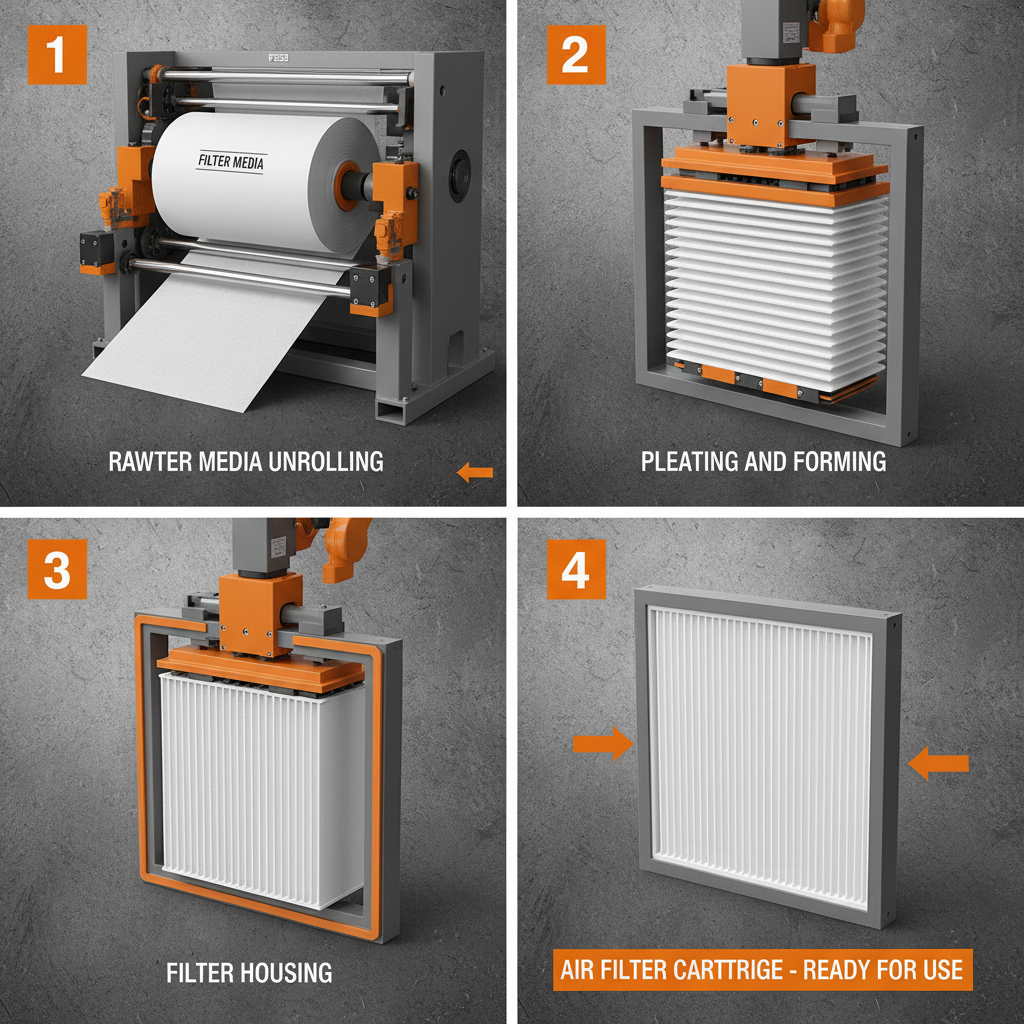
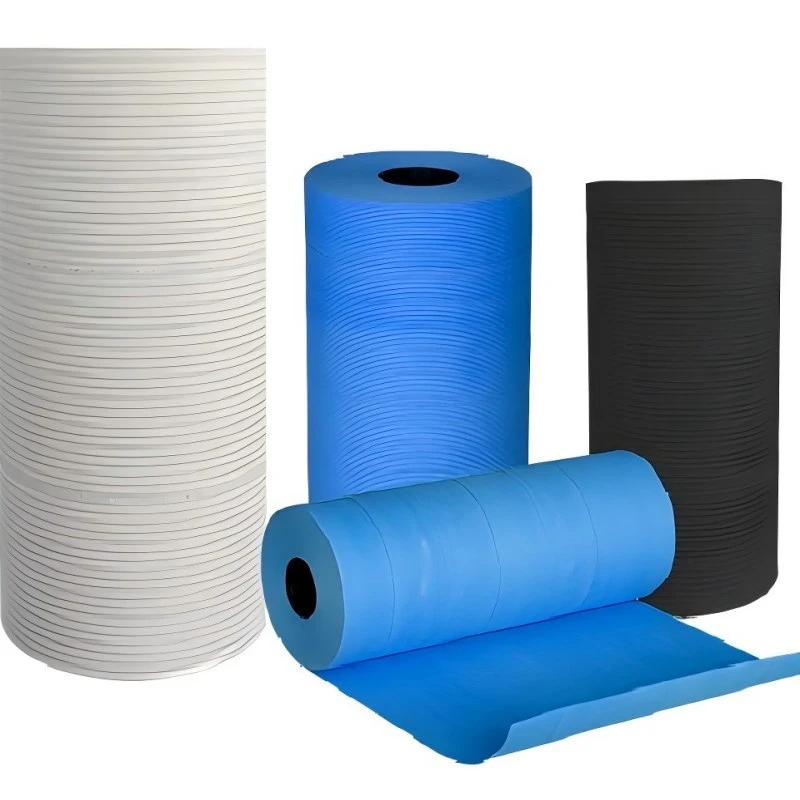
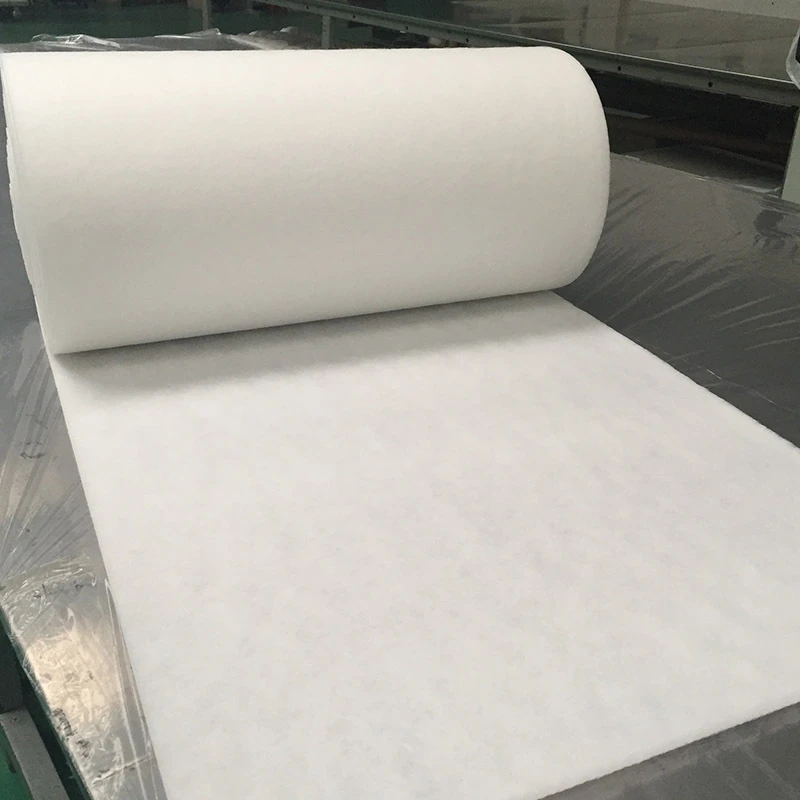
Pocket filters consist of a series of individually sewn pockets, creating a large filtration surface area. These pockets are typically made from synthetic materials like polyester, polypropylene, or a blend. Air is forced through these pockets, and particles are captured as they collide with the filter media. The pleated design increases the surface area, allowing for higher airflow and extended filter life. They are typically used as a pre-filter or secondary filter in HVAC systems, removing larger particles before they reach more sensitive filters. They are a cost-effective solution for improving air quality and protecting equipment.
Key Benefits: High dust holding capacity, low pressure drop, cost-effective, easy to install and replace.
Pocket filters are versatile and find application in diverse sectors. In HVAC systems, they protect coils and fans from dust accumulation. Manufacturing plants use them to filter out process contaminants, ensuring product quality. Hospitals and cleanrooms rely on them for maintaining sterile environments. Additionally, they are used in paint booths to capture overspray and in pharmaceutical facilities to control particulate matter. Their adaptability makes them a valuable component in maintaining clean and efficient operational environments. Find specialized filtration solutions for your industry!
Common Applications:
• HVAC Systems
• Manufacturing Facilities
• Hospitals & Cleanrooms
• Paint Booths
Selecting the appropriate pocket filter involves considering several factors. The first is the Minimum Efficiency Reporting Value (MERV) rating, which indicates the filter's ability to capture particles of different sizes. Higher MERV ratings mean better filtration but also higher pressure drop. The airflow requirements of your system are crucial; the filter must handle the volume of air without significantly restricting flow. The size and dimensions of the filter must also match the filter housing. Finally, the material composition should be suitable for the environment – for example, if exposure to moisture is a concern, a synthetic material is preferred.
Pocket filters offer several advantages over other filtration methods. Their high dust-holding capacity means they require less frequent replacement, reducing maintenance costs. The relatively low pressure drop minimizes energy consumption. They are also a cost-effective option compared to more complex filtration systems. Their lightweight design and easy installation make them a convenient choice for various applications. Explore our durable filter media options for long-lasting performance.
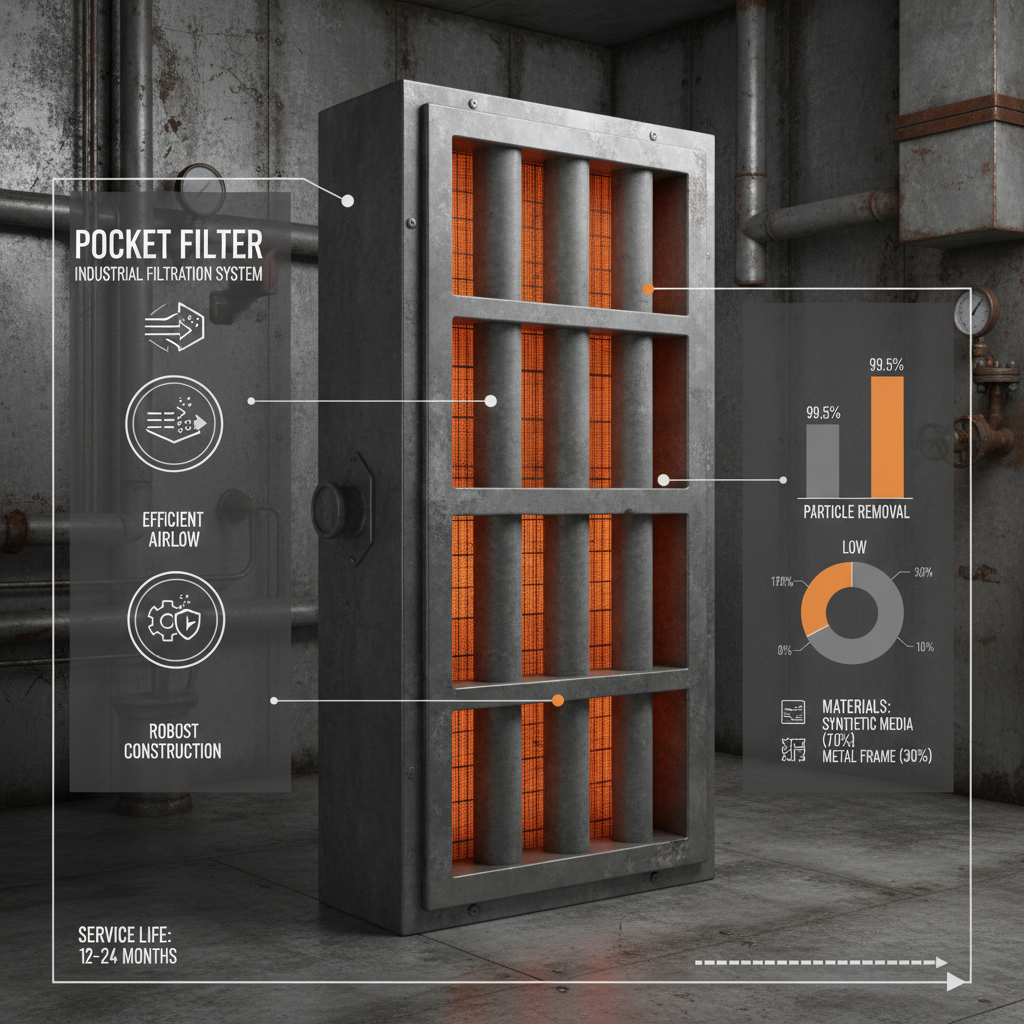
Regular maintenance is crucial for optimal filter performance. Check the filter regularly for excessive dirt buildup. The frequency of replacement depends on the air quality and the filter’s MERV rating. A general guideline is to replace filters every 1-3 months in heavily polluted environments and every 6-12 months in cleaner environments. Proper disposal of used filters is also important, following local regulations. Utilizing high-quality filtration materials ensures longevity and efficiency.
Pocket filters are a vital component of effective air filtration systems. Their efficiency, cost-effectiveness, and versatility make them a popular choice across numerous industries. By understanding their functionality, applications, and maintenance requirements, you can optimize air quality, protect equipment, and create a healthier environment. Invest in quality filtration products from a trusted supplier.
For residential HVAC systems, a MERV rating of 8-11 is generally recommended. MERV 8 filters capture common household dust, pollen, and mold spores, providing basic air filtration. MERV 11 filters offer improved filtration, capturing finer particles like pet dander and some smoke. Choosing a higher MERV rating than necessary can restrict airflow and strain your HVAC system. Consider the air quality in your area and any specific allergies or sensitivities when selecting a MERV rating.
The replacement frequency for pocket filters in commercial buildings depends on factors like air quality, filter MERV rating, and building occupancy. A general guideline is to inspect filters monthly and replace them every 3-6 months. In heavily polluted environments or buildings with high occupancy, more frequent replacements may be necessary. Regularly monitoring the pressure drop across the filter can help determine when a replacement is needed.
Most pocket filters are not designed to be washed and reused. Washing can damage the filter media and reduce its effectiveness. Additionally, the washing process may not remove all captured particles, potentially releasing them back into the air. It is generally more cost-effective and hygienic to replace disposable pocket filters with new ones when they become dirty. Investing in high-quality pocket filters ensures optimal performance and air quality.
Both pocket filters and pleated filters are commonly used for air filtration, but they differ in their construction. Pocket filters have individually sewn pockets that create a large filtration surface area, offering a good balance between efficiency and airflow. Pleated filters, on the other hand, have a continuous, folded media. While pleated filters often have a higher MERV rating, they can also have a higher pressure drop. Pocket filters are generally more cost-effective for applications where a high MERV rating isn't essential.