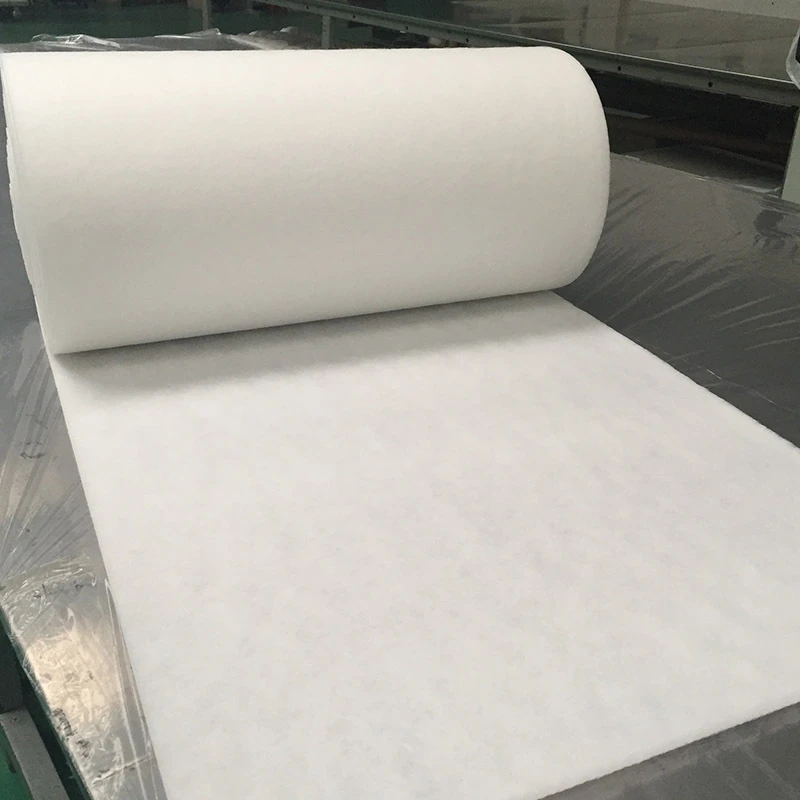
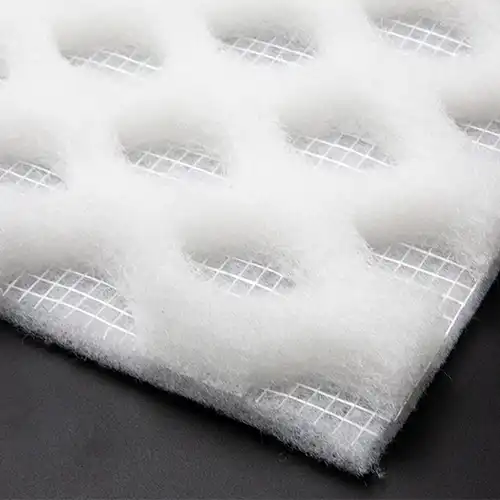
In today’s industrial landscape, maintaining air quality is paramount for both operational efficiency and worker safety. Industrial air filter media plays a crucial role in achieving this, removing contaminants and ensuring a clean working environment. This article will explore the types, applications, and selection criteria for these vital components. Choosing the right filter media can significantly improve air quality, protect equipment, and reduce health risks. We'll delve into the various options available and how to determine the best fit for your specific needs.
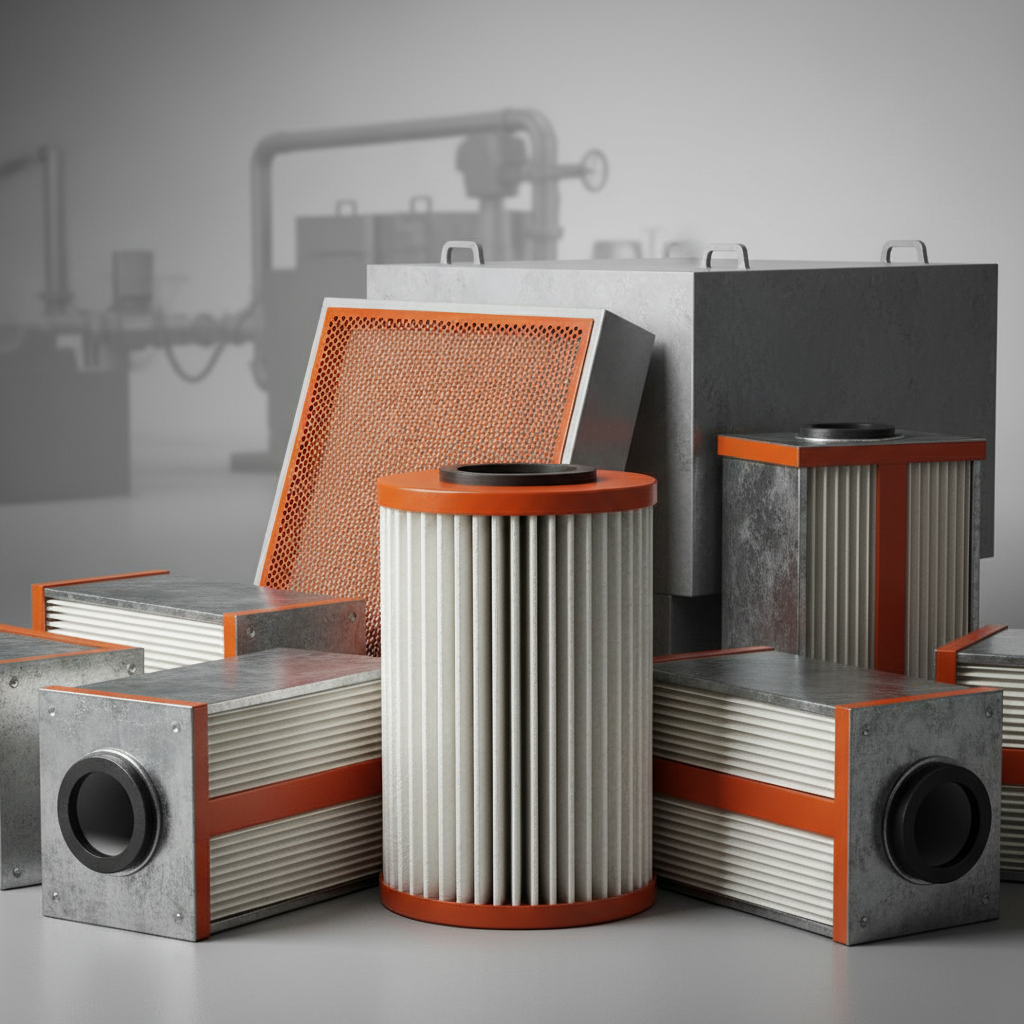
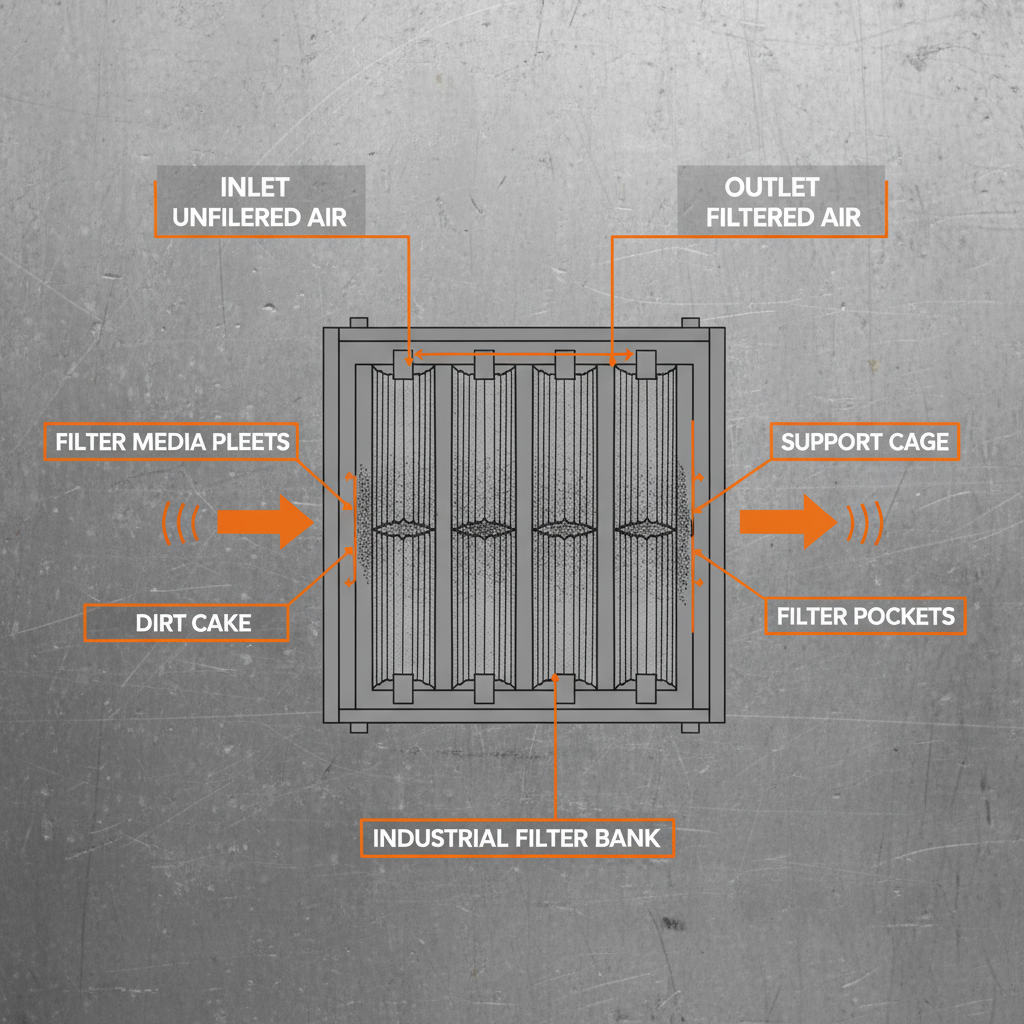
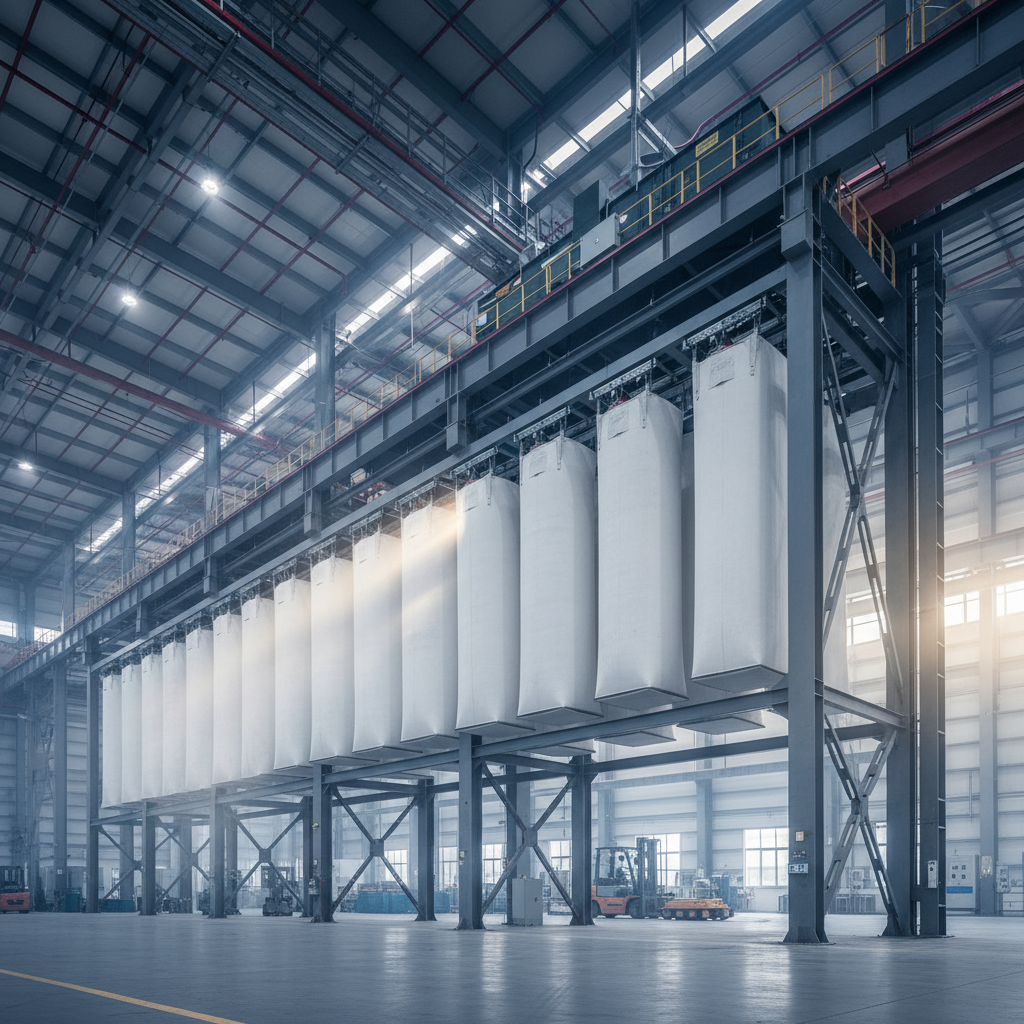
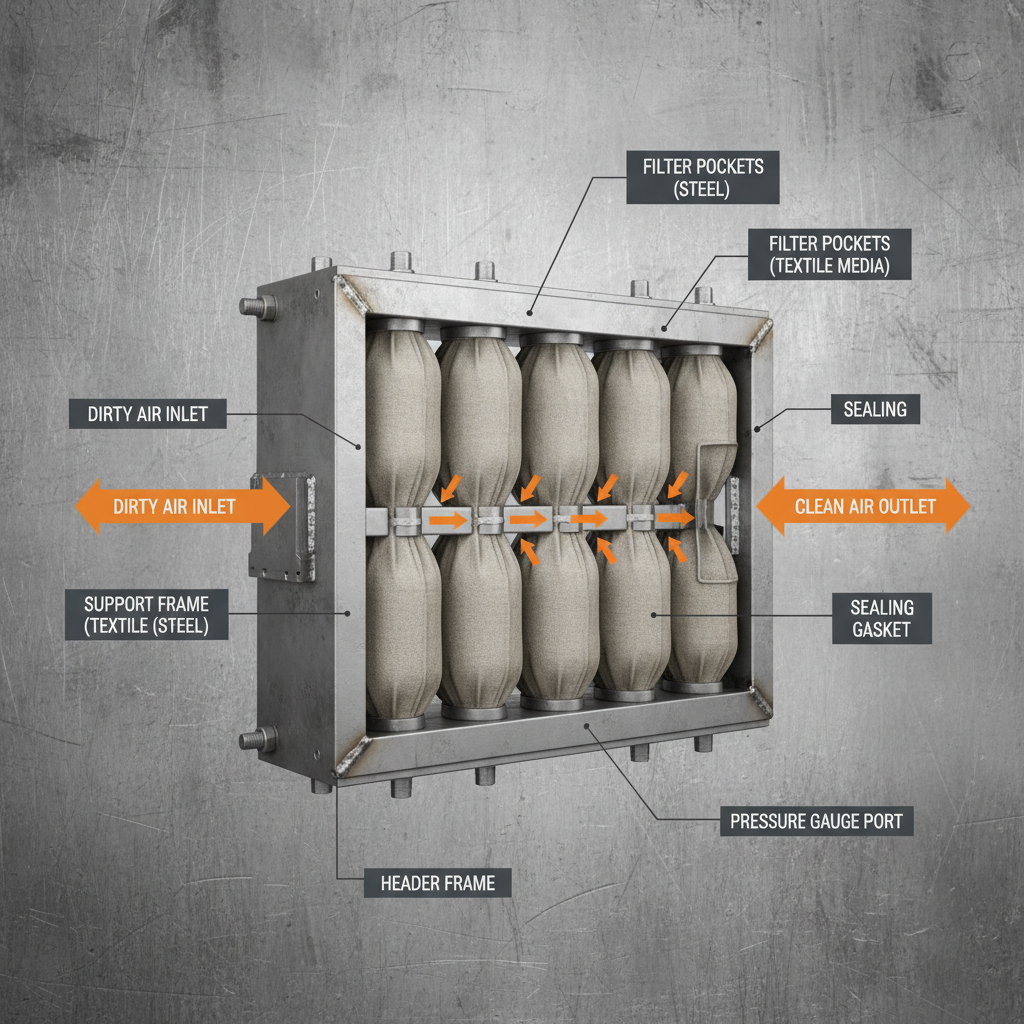
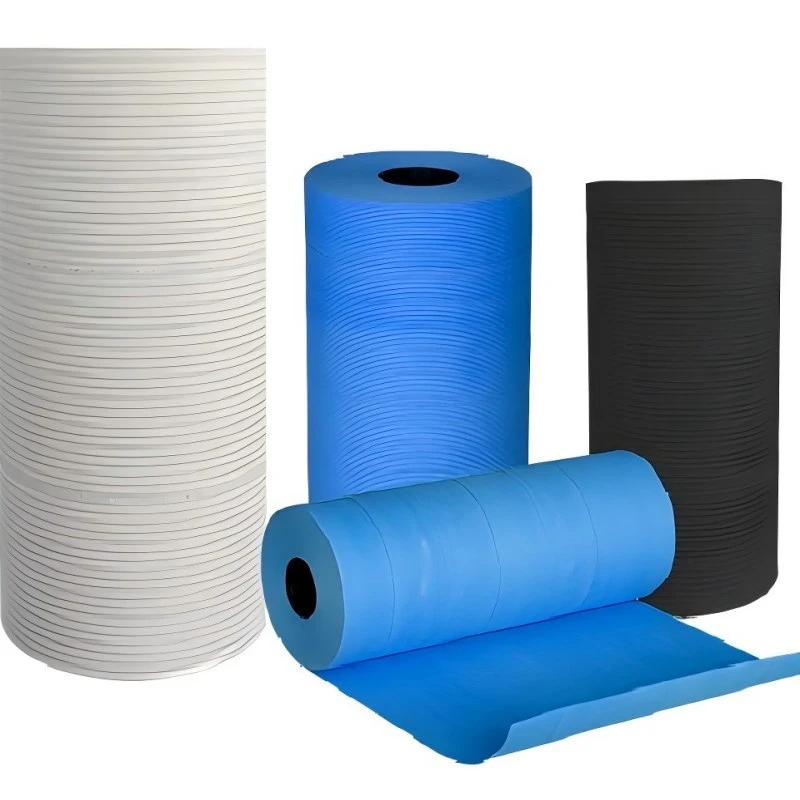
There's a wide array of industrial air filter media available, each designed for specific applications and contaminant types. Common types include pleated filters, bag filters, HEPA filters, activated carbon filters, and electrostatic precipitators. Pleated filters are versatile and cost-effective for general dust and particulate removal. Bag filters offer higher dust-holding capacity. HEPA filters are essential for capturing very fine particles, like those found in pharmaceutical or semiconductor manufacturing. Activated carbon filters excel at removing odors and volatile organic compounds (VOCs), while electrostatic precipitators are effective for removing a wide range of particles.
Key Highlights: The selection of the appropriate filter media depends on the specific contaminants present, the required air quality levels, and the overall system design.
The need for effective air filtration spans numerous industries. Manufacturing facilities use air filters to protect sensitive equipment and maintain product quality. Healthcare facilities rely on HEPA filters to prevent the spread of airborne pathogens. The food and beverage industry requires stringent air filtration to ensure product safety and compliance. Pharmaceutical companies demand ultra-clean air environments for manufacturing and research. Power plants use filters to protect turbines and reduce emissions. Selecting the correct industrial air filter media is vital for each sector's unique requirements.
Key Application Areas:
• Manufacturing
• Healthcare
• Food & Beverage
• Pharmaceuticals
• Power Generation
Choosing the right filter requires a clear understanding of the differences between available options. Here's a comparison of some commonly used media types:
Several key factors influence the optimal selection of industrial air filter media. These include the type of contaminants present (dust, fumes, gases, odors), their particle size, the required air quality standards, airflow rate, and the operating temperature and humidity. The initial pressure drop across the filter is also crucial, as higher pressure drops can increase energy consumption. It’s essential to assess these factors carefully to ensure the chosen media provides effective filtration without compromising system performance. Consider also the filter’s lifespan and replacement schedule to minimize downtime and maintenance costs.
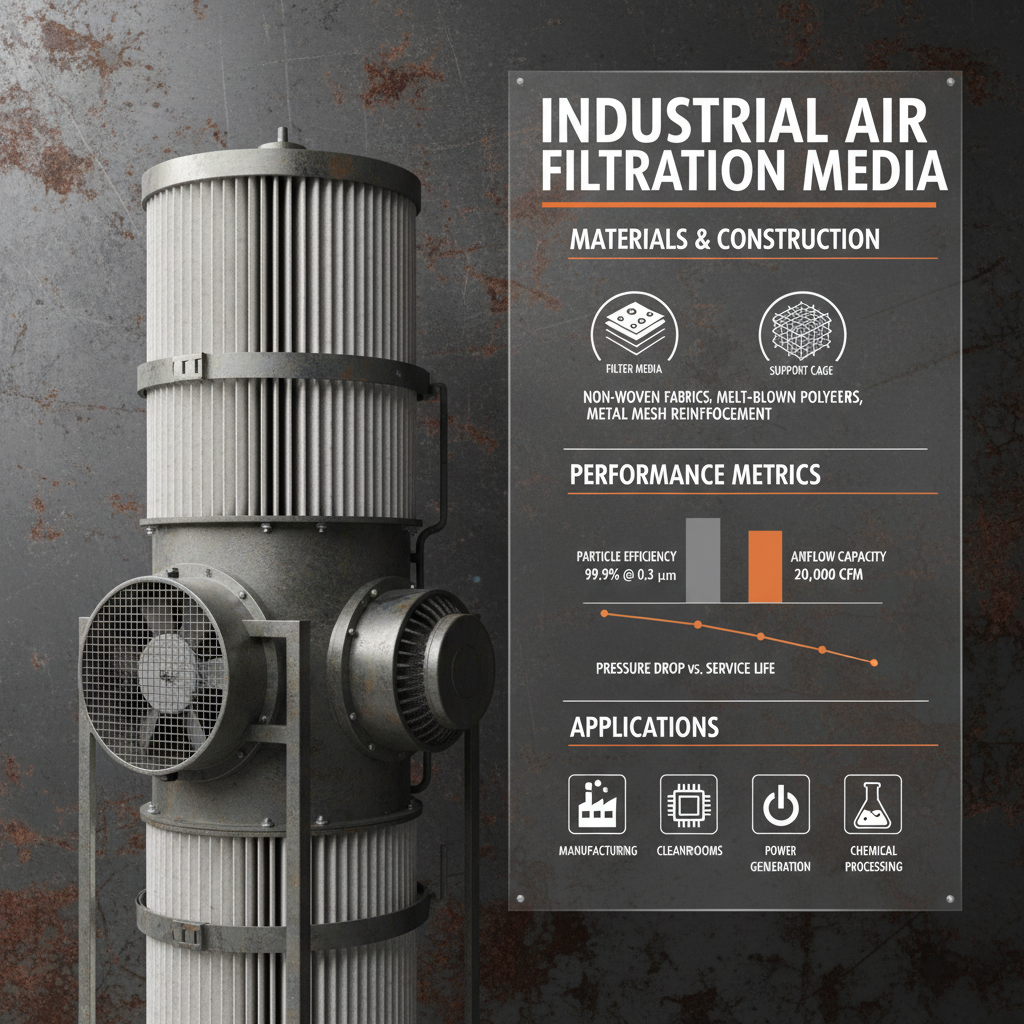
Regular maintenance and timely replacement of filter media are vital for maintaining optimal air quality and system efficiency. Check filters regularly for signs of clogging or damage. A clogged filter restricts airflow, increasing energy consumption and potentially damaging equipment. Follow the manufacturer's recommendations for filter replacement intervals. Proper disposal of used filters is also important, especially for those containing hazardous materials. Implementing a scheduled maintenance program will help ensure consistent air quality and prevent costly breakdowns. You can find a wide selection of high-quality replacement filters at Filtersmaterials.com.
Selecting the correct industrial air filter media is a critical investment in workplace safety, equipment longevity, and operational efficiency. By understanding the various types of media available and considering the specific needs of your application, you can create a cleaner, healthier, and more productive environment. Don't compromise on air quality – choose the right filter for your needs.
The frequency of replacement depends on several factors, including the type of filter, the level of contamination, and the operating environment. Generally, pleated filters should be checked monthly and replaced every 3-6 months. Bag filters may last 6-12 months, while HEPA filters typically require replacement every 1-2 years. Monitoring the pressure drop across the filter is a good indicator of when replacement is needed. A significant increase in pressure drop signifies a clogged filter that needs to be changed. Regularly inspecting the filters visually for dirt buildup can also help determine the replacement schedule.
MERV (Minimum Efficiency Reporting Value) ratings indicate a filter's ability to capture particles of different sizes. The higher the MERV rating, the more efficient the filter is at trapping smaller particles. For industrial applications, MERV ratings typically range from 8 to 16. MERV 8 filters are suitable for general dust removal, while MERV 13-16 filters are recommended for capturing fine particles like bacteria, viruses, and smoke. Choosing the appropriate MERV rating ensures effective air filtration for your specific needs. Filtersmaterials.com offers filters across a wide range of MERV ratings.
While activated carbon filters are highly effective at removing many odors and volatile organic compounds (VOCs), they may not eliminate all odors completely. The effectiveness depends on the type of odor, the concentration of the odor-causing compounds, and the quality of the carbon filter. Some odors may require a combination of filtration methods, such as activated carbon filtration combined with HEPA filtration. Regular replacement of the activated carbon filter is also crucial to maintain its effectiveness.