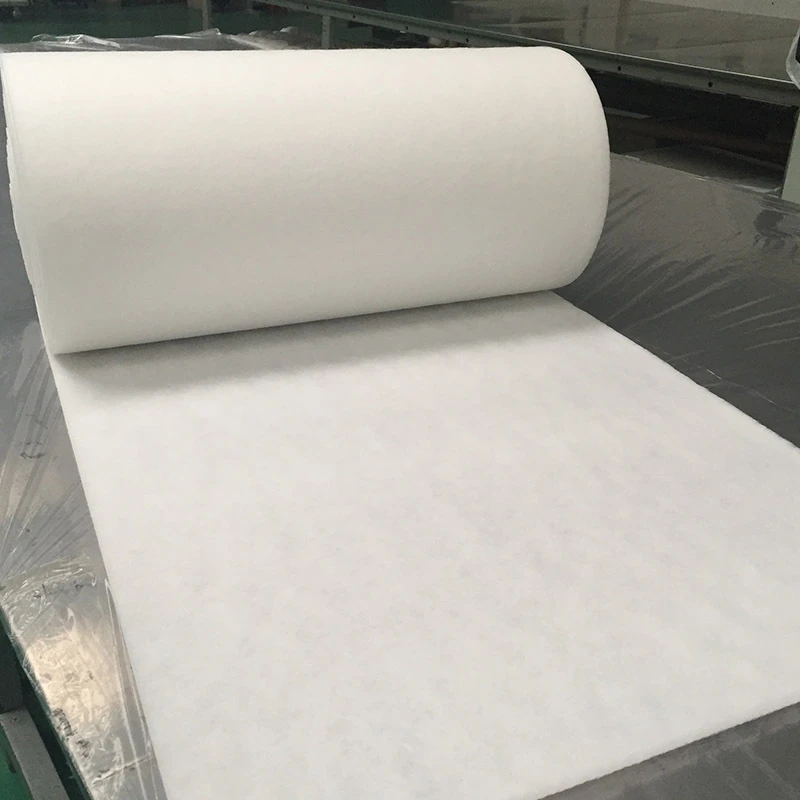
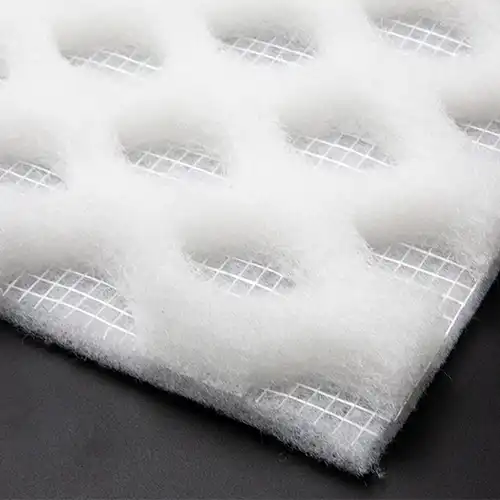
In the realm of industrial air purification, precision and efficiency are the cornerstones of a healthy working environment. The f8 bag filter serves as a critical component in multi-stage filtration systems, designed specifically to capture fine particulate matter before air reaches more sensitive high-efficiency filters. Whether you are managing a pharmaceutical cleanroom, a food processing plant, or a high-tech manufacturing facility, understanding the mechanics and benefits of F8 rated filtration is essential. This guide provides a professional deep dive into why this specific grade of filtration is indispensable for modern industrial standards.
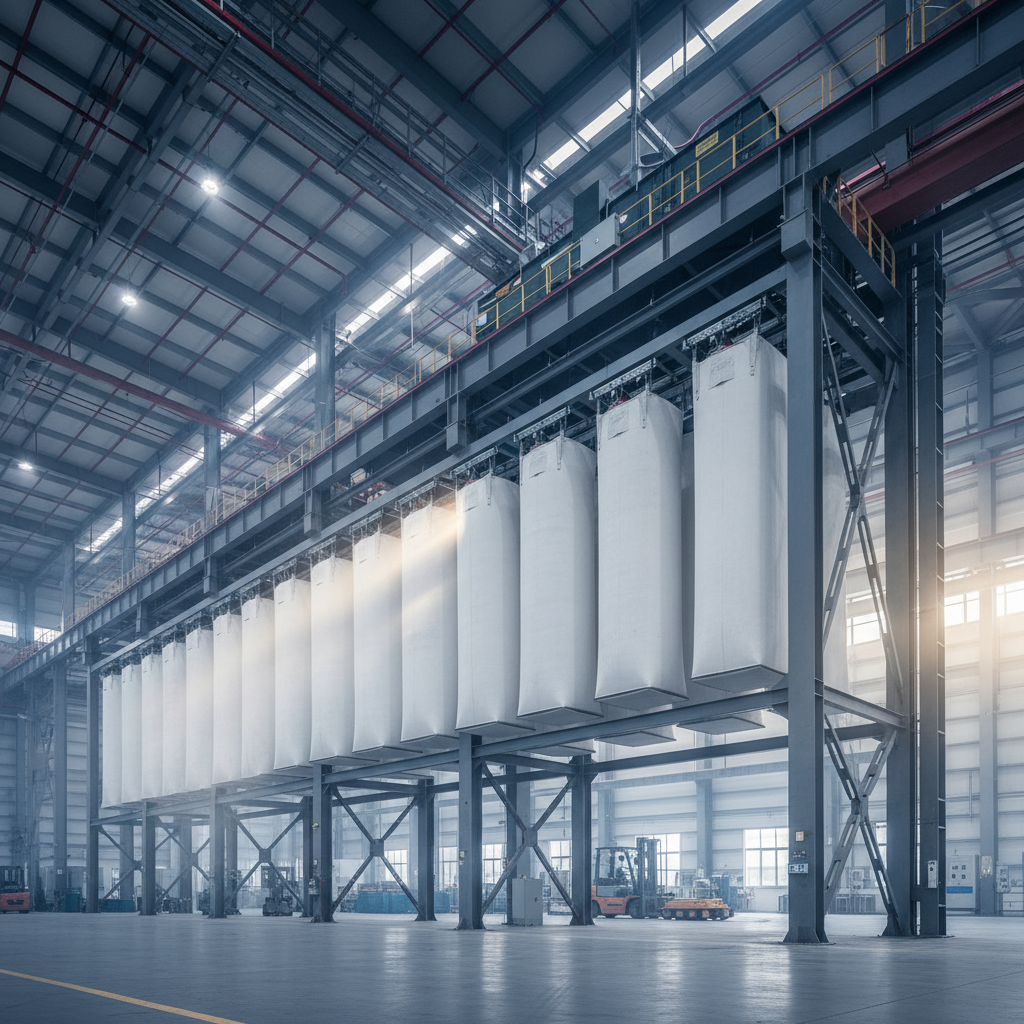
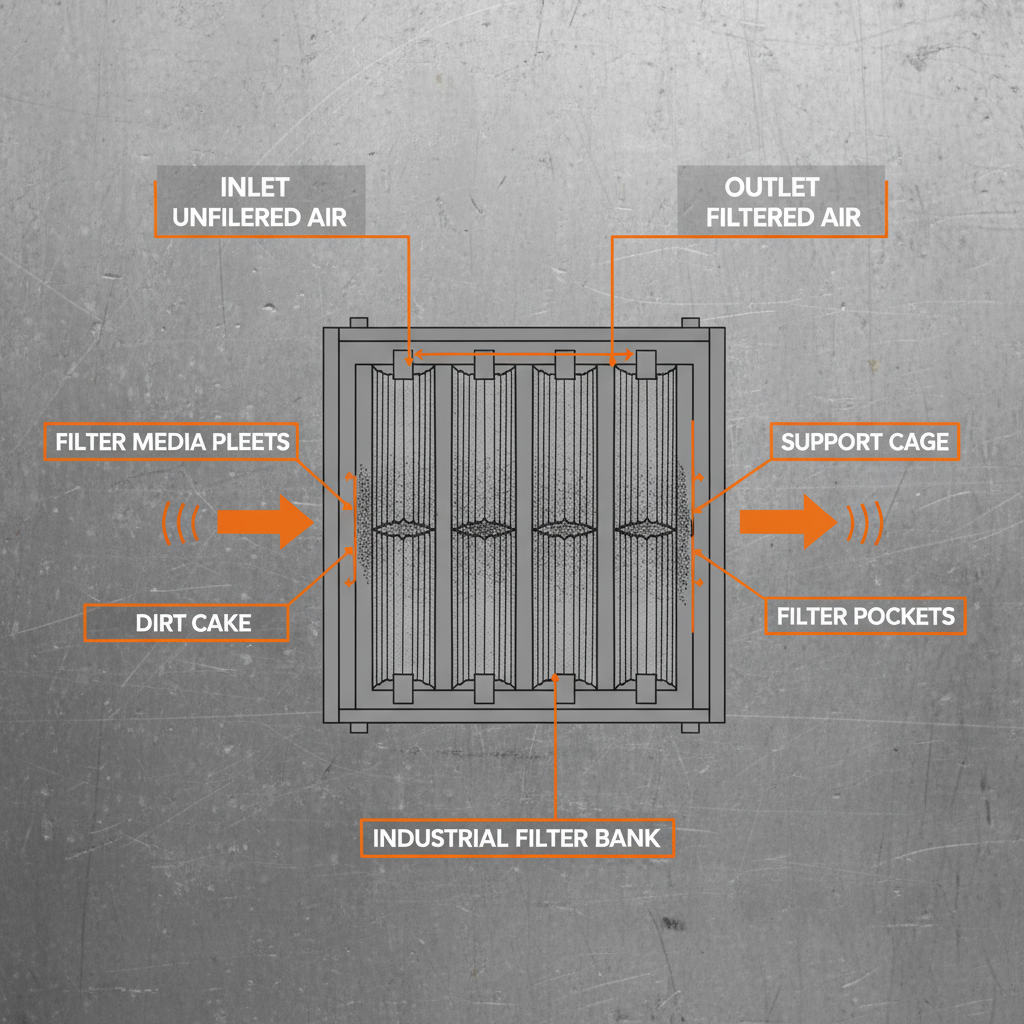
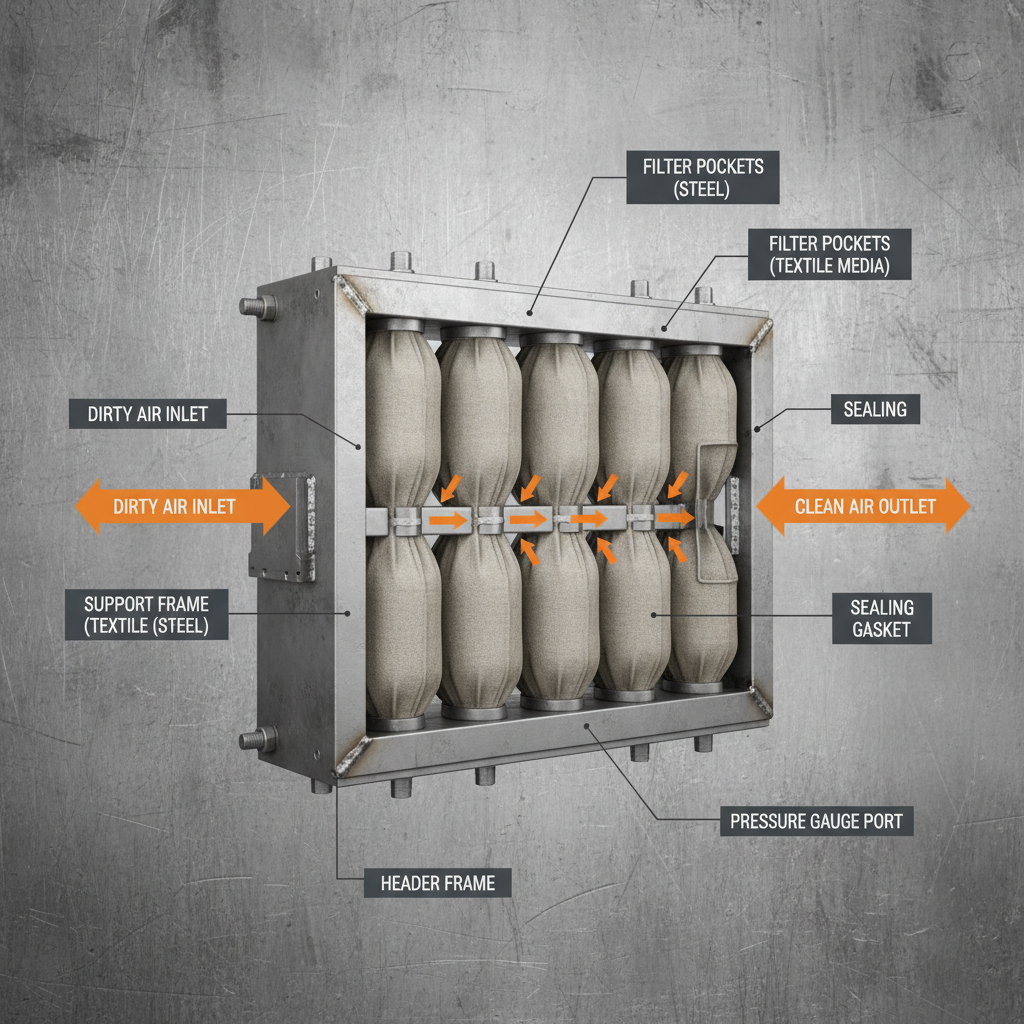
An f8 bag filter is characterized by its high surface area and specialized synthetic media. Unlike flat panel filters, the "bag" or "pocket" design increases the filter's loading capacity, which significantly lowers the initial pressure drop and extends the service life of the filter. By capturing particles in the 0.3 to 10 micron range with high efficiency, it ensures that the air entering the secondary filtration stage is substantially cleaner. This not only protects expensive HEPA filters from premature clogging but also ensures a consistent flow of purified air throughout the facility, reducing the energy load on HVAC systems.
Pro Tip: Utilizing an F8 grade filter as a pre-filter can extend the lifespan of your final stage filters by up to 50%, drastically reducing long-term maintenance costs.
When selecting a filtration solution, technical data is the only way to ensure compatibility with your system. The f8 bag filter is engineered to meet strict EN 779 standards (or the updated ISO 16890). The pocket depth and the number of bags per frame determine the total airflow capacity and the dust-holding capacity. Below is a detailed specification table commonly used for industrial-grade F8 pocket filters.
Many operators wonder whether a basic G4 pre-filter is sufficient or if upgrading to an f8 bag filter is necessary. While G4 filters are excellent for capturing large dust particles and debris, they allow a significant amount of fine aerosols and smoke to pass through. The F8 grade is a "fine" filter, offering a much tighter weave and electrostatic properties that capture sub-micron particles. Choosing F8 over G4 is often the difference between a system that simply removes visible dust and one that actively purifies the air to protect sensitive electronic equipment or sterile environments.
Why Upgrade to F8?
• Higher capture rate for particles between 0.3 and 1.0 microns.
• Significantly reduces the loading stress on HEPA filters.
• Lower overall energy costs due to better airflow optimization.
• Essential for compliance with pharmaceutical and medical ISO standards.
The versatility of the f8 bag filter makes it a staple in various high-stakes industries. In the pharmaceutical sector, it prevents cross-contamination between production zones. In the electronics industry, it protects silicon wafers from microscopic dust particles that could cause circuit failure. Additionally, in HVAC systems for hospitals, these filters ensure that airborne pathogens are reduced before the air is recirculated. The ability to handle high air volumes while maintaining efficiency makes them ideal for centralized air handling units (AHUs).
To maximize the performance of your f8 bag filter, a proactive maintenance schedule is required. The most reliable indicator for replacement is the differential pressure gauge (manometer). Once the pressure drop reaches the manufacturer's specified "final pressure drop" limit, the filter should be replaced. Ignoring this can lead to "bleed-through," where particles are forced through the media, or excessive strain on the fan motor, leading to increased electricity bills and potential equipment failure.
Maintenance Checklist: Weekly pressure checks, monthly visual inspections for bag deformation, and quarterly audits of the filter housing seals to prevent air bypass.
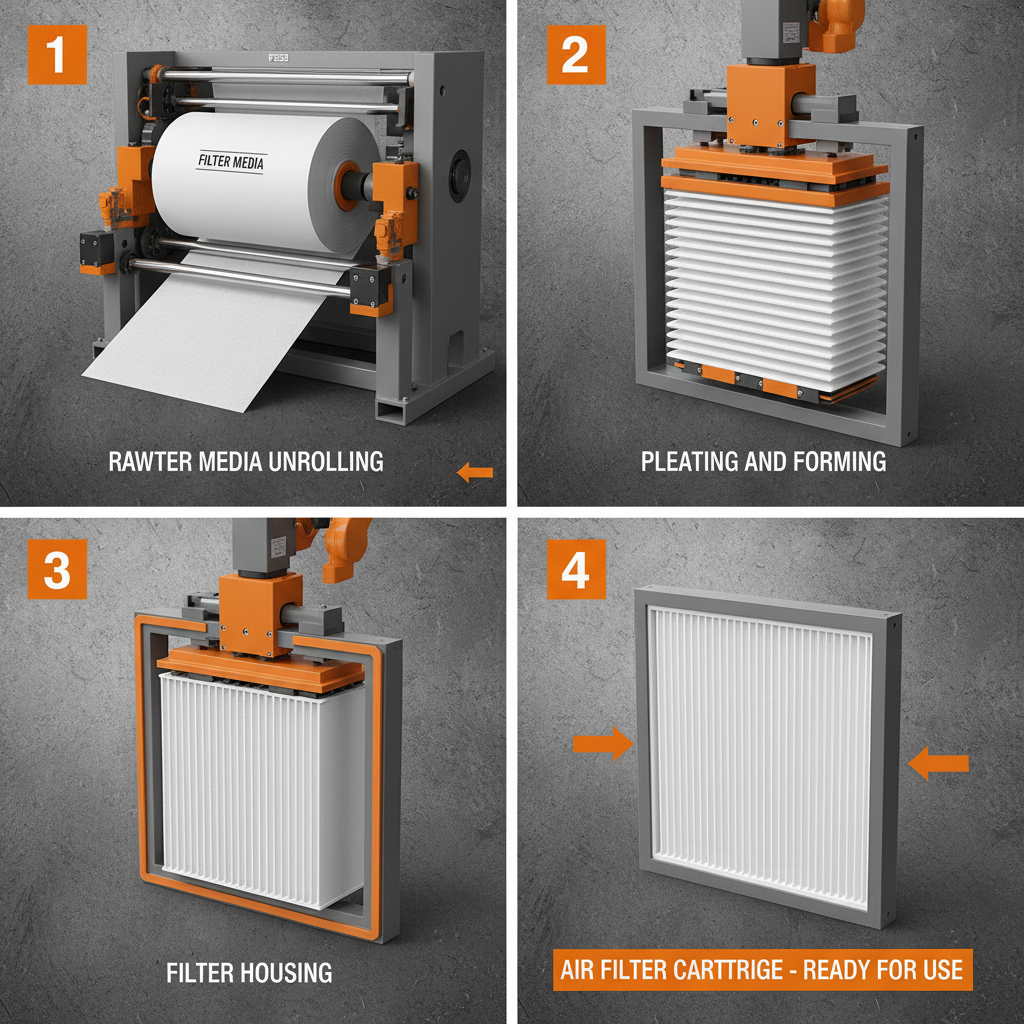
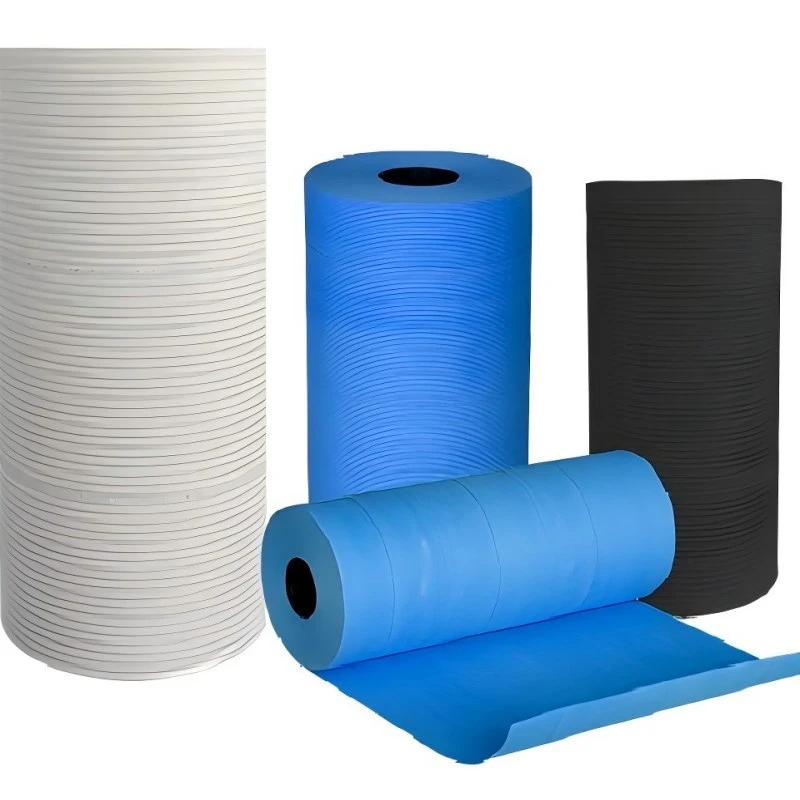
Not all filters are created equal. The quality of the synthetic media used in an f8 bag filter determines its durability and filtration consistency. Premium filters utilize high-grade polymers that resist moisture and chemicals, ensuring that the filter doesn't collapse under high pressure. When sourcing, always look for suppliers who provide certified test reports and detailed airflow curves. Investing in high-quality materials from the start prevents the costly downtime associated with frequent filter failures and unplanned system shutdowns.
The f8 bag filter is more than just a component; it is a strategic asset for any facility prioritizing air purity and equipment longevity. By balancing high efficiency with low air resistance, it provides a cost-effective way to maintain stringent air quality standards. Whether you are upgrading an existing system or designing a new one, integrating F8 rated pocket filters ensures a cleaner, safer, and more efficient operational environment. Trust in professional-grade filtration to protect your assets and your people.
The "F8" rating refers to the filtration efficiency grade according to the EN 779 standard. Filters in the 'F' category are considered fine filters. Specifically, an F8 rating indicates that the filter is highly effective at capturing smaller particles, typically providing a high percentage of efficiency for particles in the 0.3 to 10-micron range. In the newer ISO 16890 standard, this roughly corresponds to the ePM1 (efficient Particulate Matter 1) category, meaning it is designed to capture particles with a diameter of 1 µm or less.
No, f8 bag filters are designed as disposable components. Attempting to wash them with water or air-blast them to remove dust can damage the delicate synthetic fibers and destroy the electrostatic charge of the media. This leads to "channeling," where air bypasses the filtration media through holes or gaps, effectively rendering the filter useless and allowing contaminants to enter your system. Always replace the filter once it reaches its final pressure drop.
The most accurate method is to monitor the differential pressure across the filter using a manometer. Every f8 bag filter has an initial pressure drop (when clean) and a recommended final pressure drop. When the manometer reading reaches that final limit, the filter is saturated with dust and must be replaced. If you do not have a manometer, you may notice a decrease in airflow at the vents or an increase in noise from the HVAC fans, both of which are signs of a clogged filter.
The primary difference is the surface area. A panel filter is flat, providing a limited area for dust collection. A bag filter features multiple extended pockets, which exponentially increases the surface area of the media. This extra area allows the filter to hold significantly more dust before the pressure drop becomes too high. Consequently, bag filters have a much longer service life and lower resistance to airflow, making them superior for high-volume industrial applications where efficiency and energy savings are priorities.