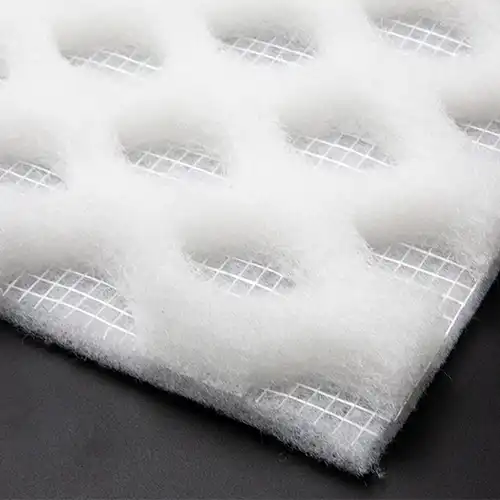
Selecting the appropriate bulk air filter media is crucial for maintaining air quality in various applications, from HVAC systems to industrial processes. The right media ensures efficient particle removal, protects sensitive equipment, and contributes to a healthier environment. This article will guide you through the different types of air filter media, their applications, and factors to consider when making a purchase. Understanding the nuances of each type will help you choose the most effective and cost-efficient solution for your specific requirements.
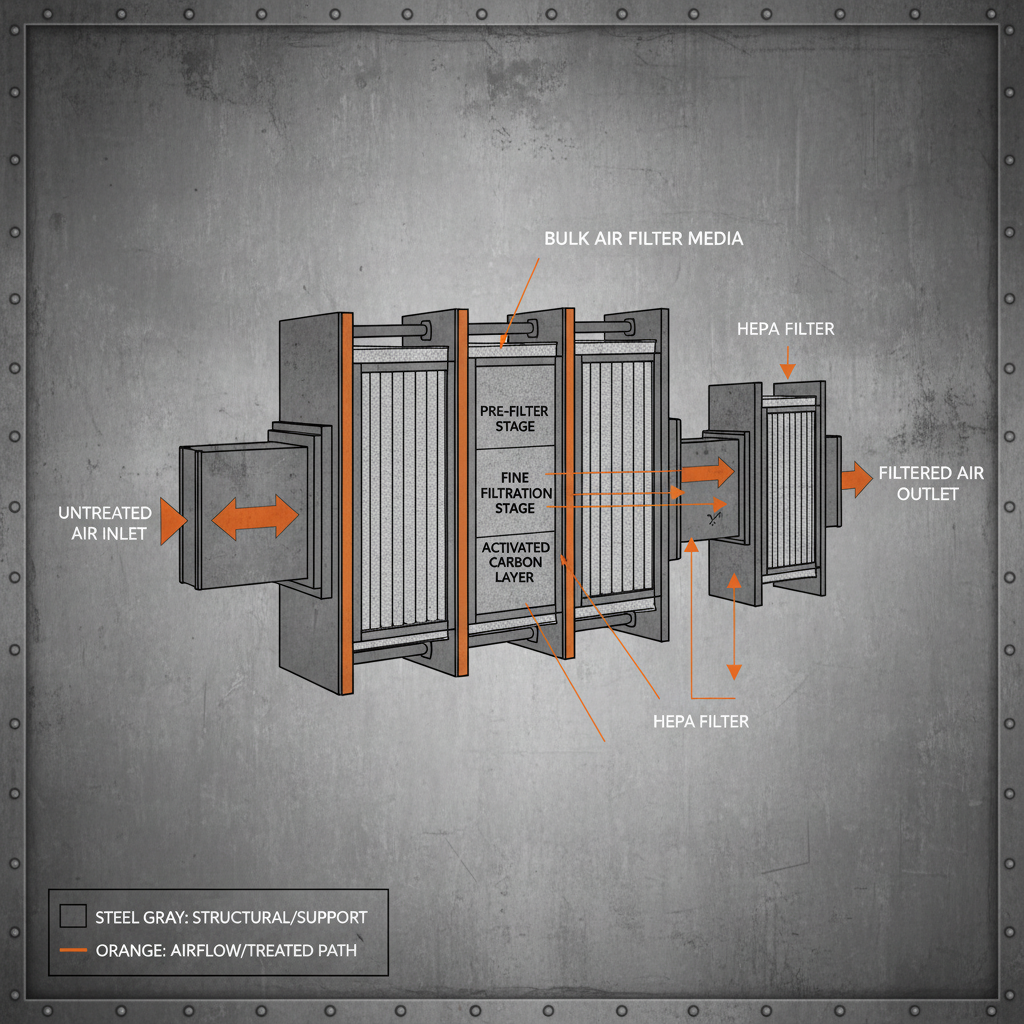
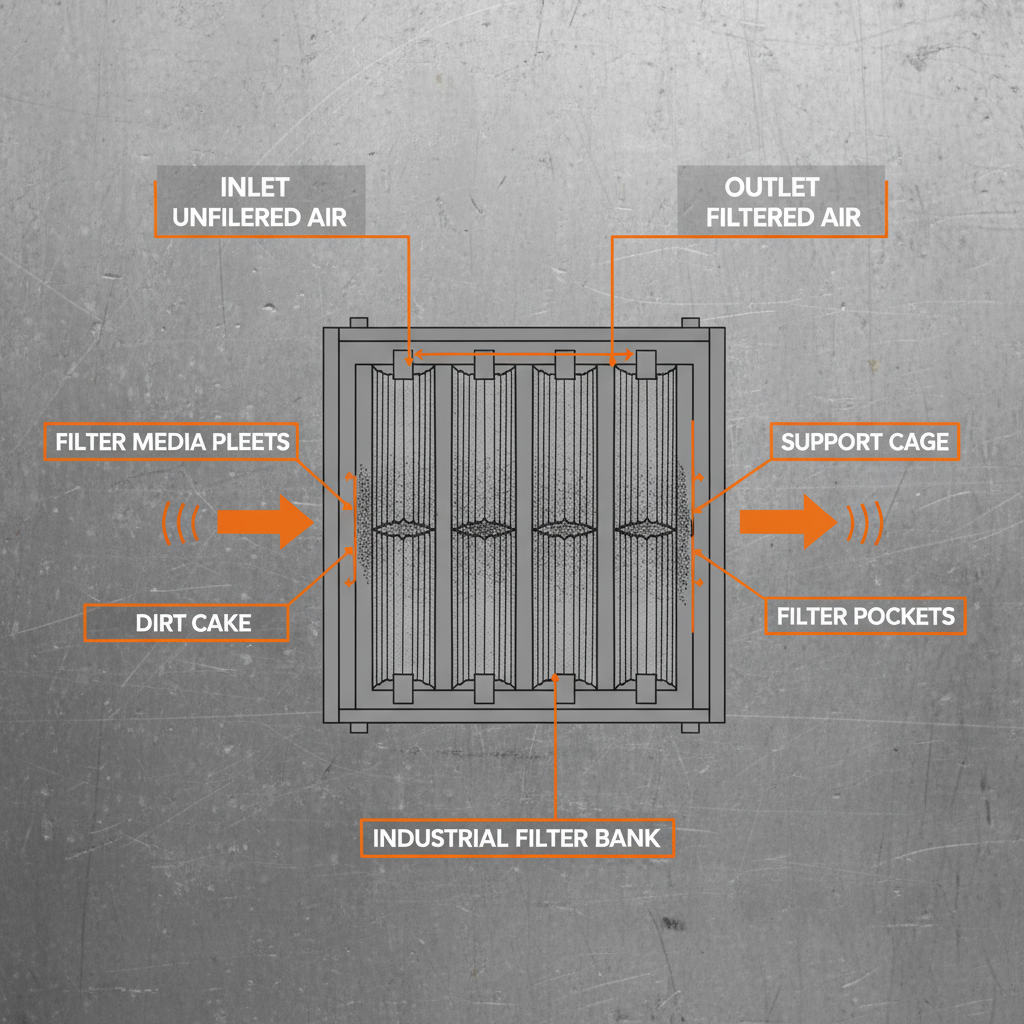
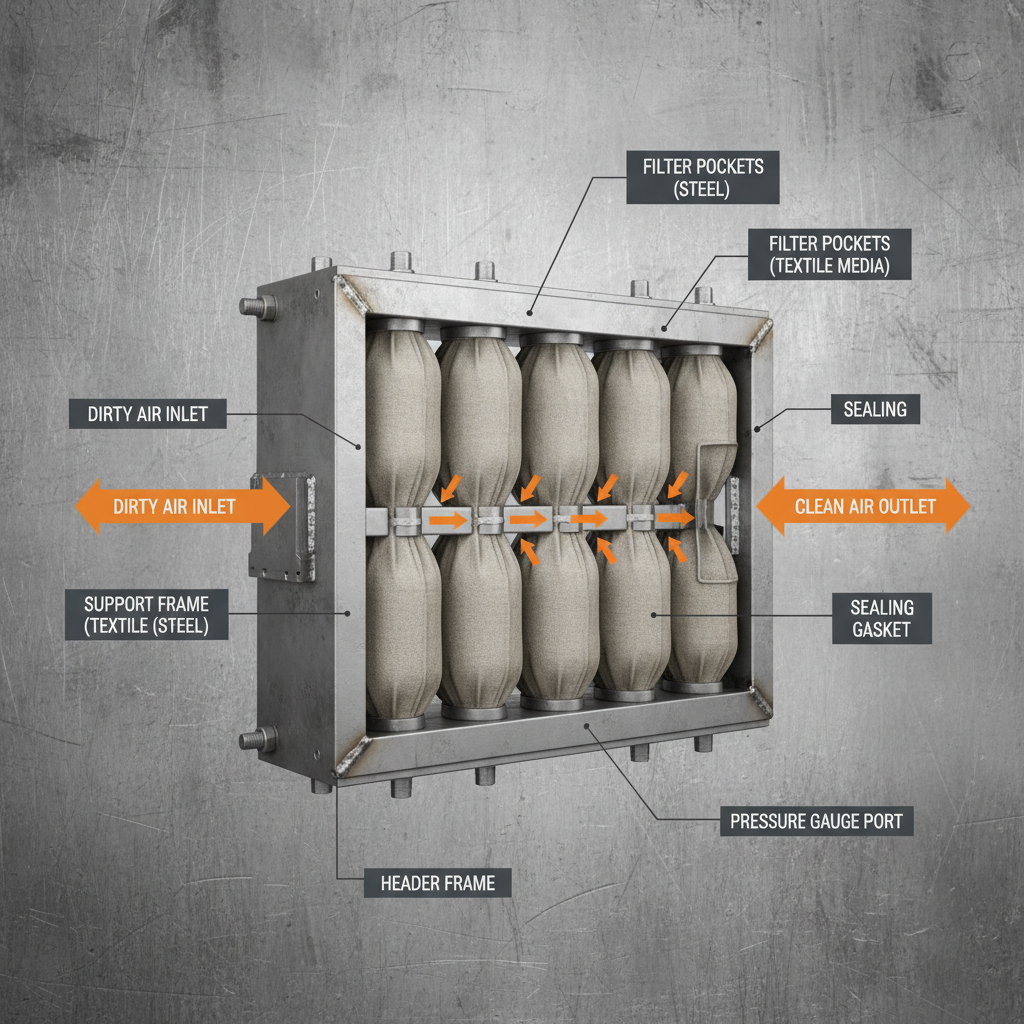
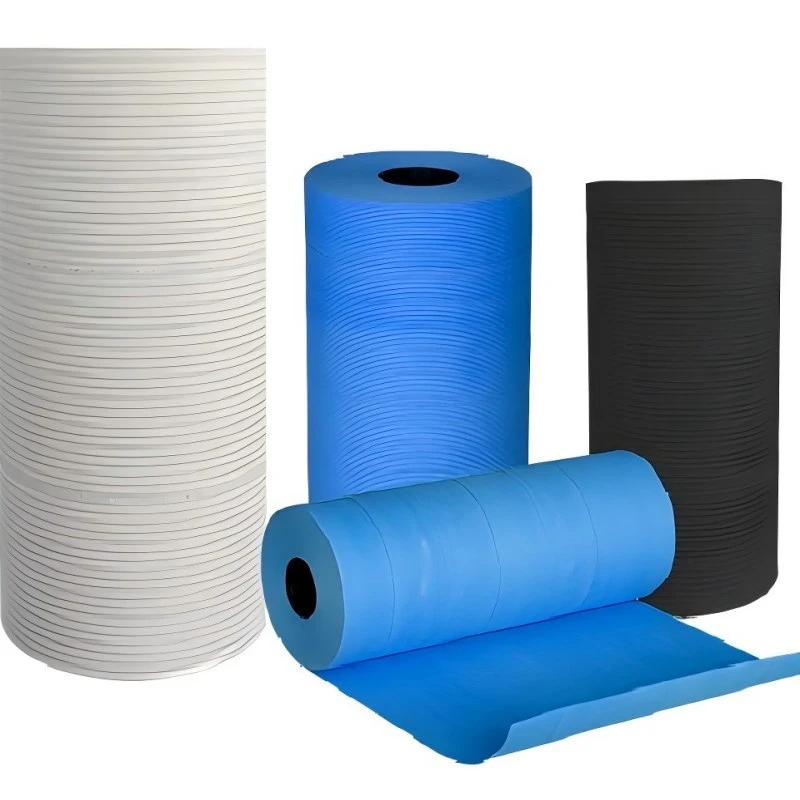
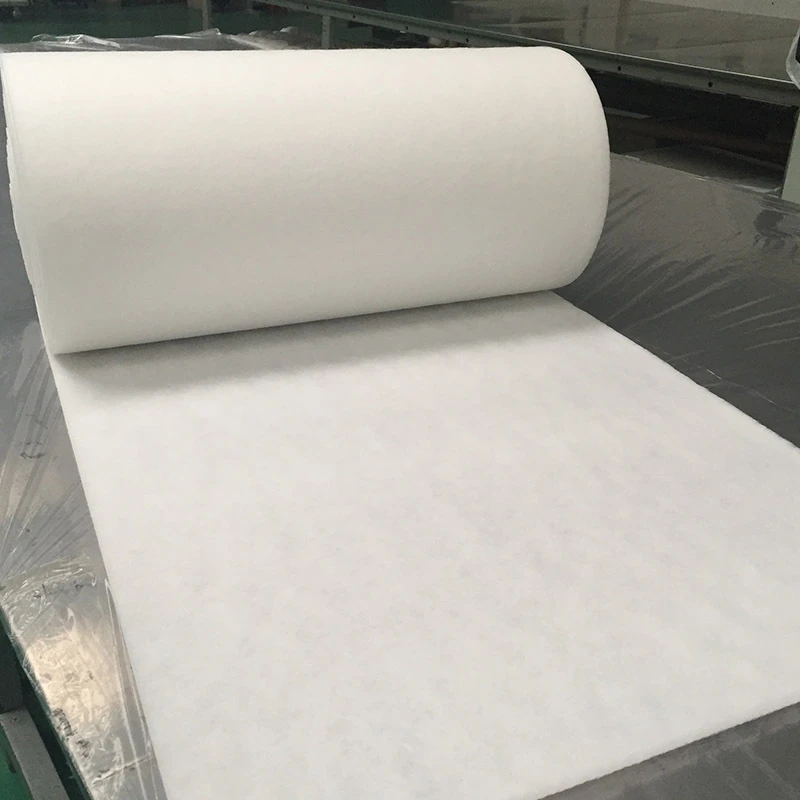
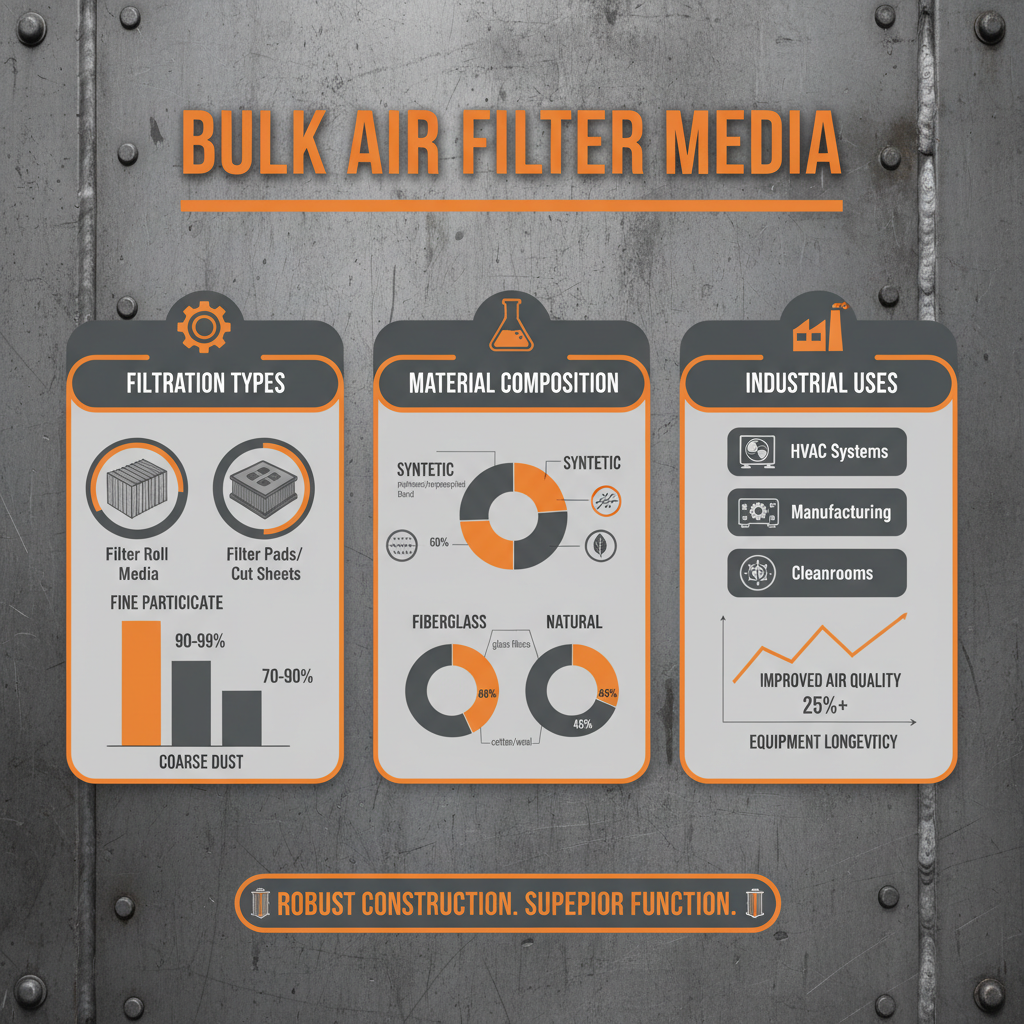
There's a wide variety of bulk air filter media available, each with its own strengths and weaknesses. Common types include synthetic fibers (polyester, polypropylene), fiberglass, and pleated filters. Synthetic media is often preferred for its consistent quality, low pressure drop, and resistance to moisture. Fiberglass, while cost-effective, can release particles over time. Pleated filters offer a large surface area for efficient particle capture but can have higher pressure drops. Selecting the best media depends on the specific pollutants you need to remove, the airflow requirements of your system, and your budget.
Key Takeaway: Consider the specific application and required efficiency when selecting filter media. Synthetic options often provide a good balance of performance and cost.
The Minimum Efficiency Reporting Value (MERV) rating is a crucial indicator of a filter's ability to capture airborne particles. Higher MERV ratings signify greater efficiency, capturing smaller particles like bacteria, viruses, and smoke. MERV ratings range from 1 to 20. For residential use, MERV 8-13 is typically recommended. Commercial and industrial applications may require MERV 14-20, especially in critical environments like hospitals and cleanrooms. Choosing the correct MERV rating ensures optimal air quality and protects sensitive equipment. Filters Materials offers a diverse range of MERV rated media.
MERV Rating Guide:
• MERV 1-4: Captures pollen, dust mites, carpet fibers.
• MERV 5-8: Captures mold spores, pet dander.
• MERV 9-12: Captures fine dust, smog.
• MERV 13-16: Captures bacteria, virus carriers.
• MERV 17-20: Captures extremely small particles, used in cleanrooms.
Choosing the right material can be confusing. Here's a comparison to help you decide:
The uses for bulk air filter media are incredibly diverse. They range from residential HVAC systems and commercial buildings to industrial manufacturing facilities, hospitals, and cleanrooms. Choosing the right media for the application is crucial for ensuring optimal performance and protecting both people and equipment. Considerations include the type of pollutants present, airflow velocity, and required efficiency levels.
Beyond MERV ratings and media type, several factors impact your purchasing decision. These include filter size, quantity needed, supplier reliability, and price. It's important to choose a reputable supplier like Filters Materials that can consistently provide high-quality products and offer technical support. Consider the total cost of ownership, including the cost of the filter itself, replacement frequency, and the impact on energy consumption due to pressure drop.
Choosing the right bulk air filter media is an investment in air quality, equipment protection, and overall well-being. By understanding the different types of media, MERV ratings, and key purchasing factors, you can make an informed decision that meets your specific needs. Don’t hesitate to consult with experts to determine the optimal solution for your application.
The recommended replacement frequency depends on several factors, including the type of filter, the level of air pollution, and the usage of the system. Generally, residential filters should be replaced every 1-3 months. Commercial and industrial filters may need to be replaced more frequently, sometimes as often as every month or even weekly, depending on the environment. Regularly inspecting the filter and replacing it when it appears dirty or clogged is crucial for maintaining optimal performance.
A dirty or low-efficiency filter restricts airflow, forcing the HVAC system to work harder to maintain the desired temperature. This increased effort translates to higher energy consumption. Using a filter with the appropriate MERV rating for your needs ensures optimal airflow and minimizes energy waste. Regularly replacing filters with high-efficiency media can contribute to significant energy savings over time.
Standard air filters are primarily designed to remove particulate matter, such as dust, pollen, and mold spores. They typically don't remove odors or gases effectively. To address these issues, consider using filters with activated carbon or specialized gas-phase filters. These filters contain materials that absorb odors and gases, improving indoor air quality. Filters Materials offers solutions for odor and gas removal.