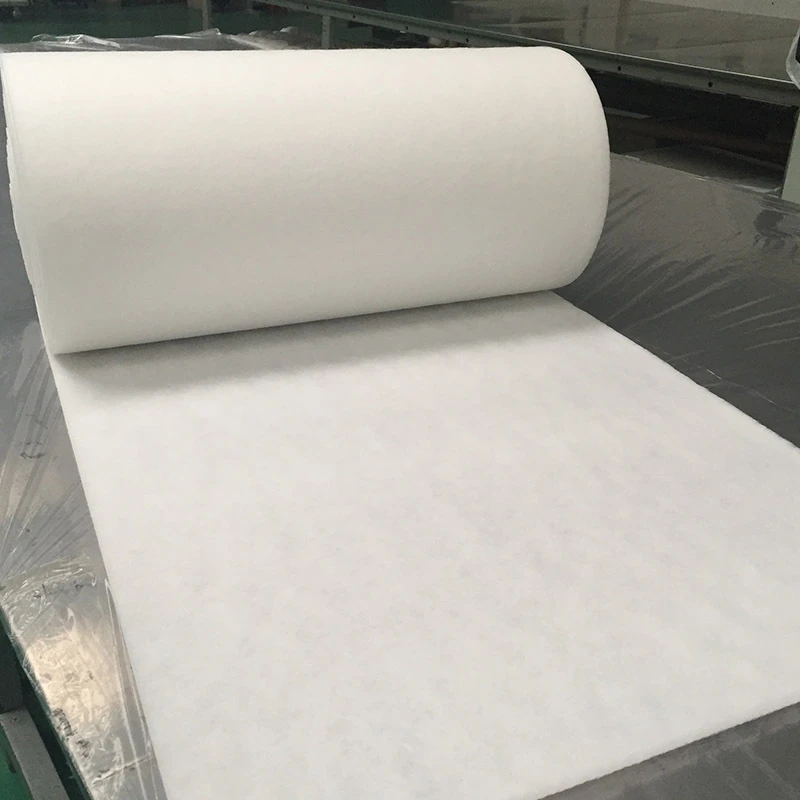
Selecting the appropriate pre-filter media is crucial for extending the life of your downstream filters and ensuring efficient filtration processes. This article explores the benefits of pre-filtration, the different types of media available, and how to choose the best option for your specific needs. We'll cover key considerations like particle size, airflow requirements, and cost-effectiveness. Investing in the right pre-filter media protects your valuable equipment and optimizes overall system performance.
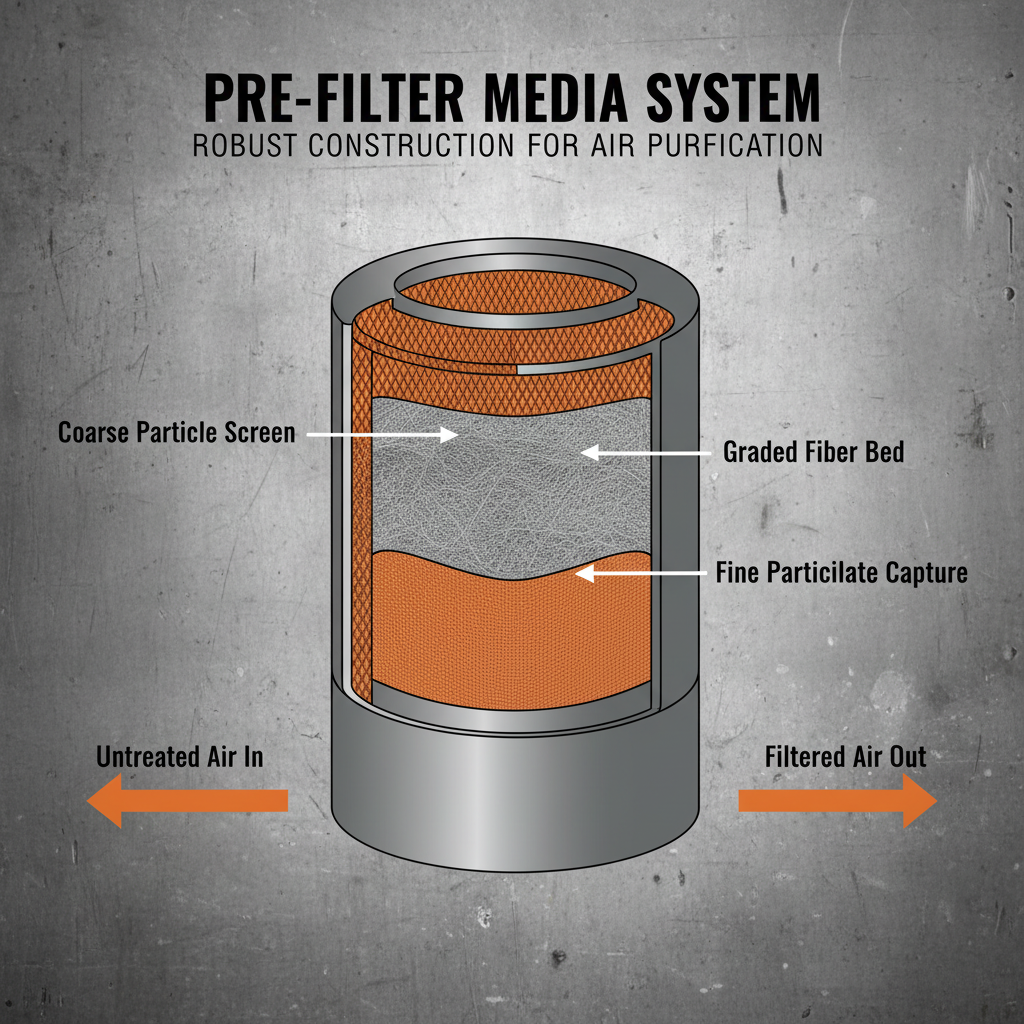
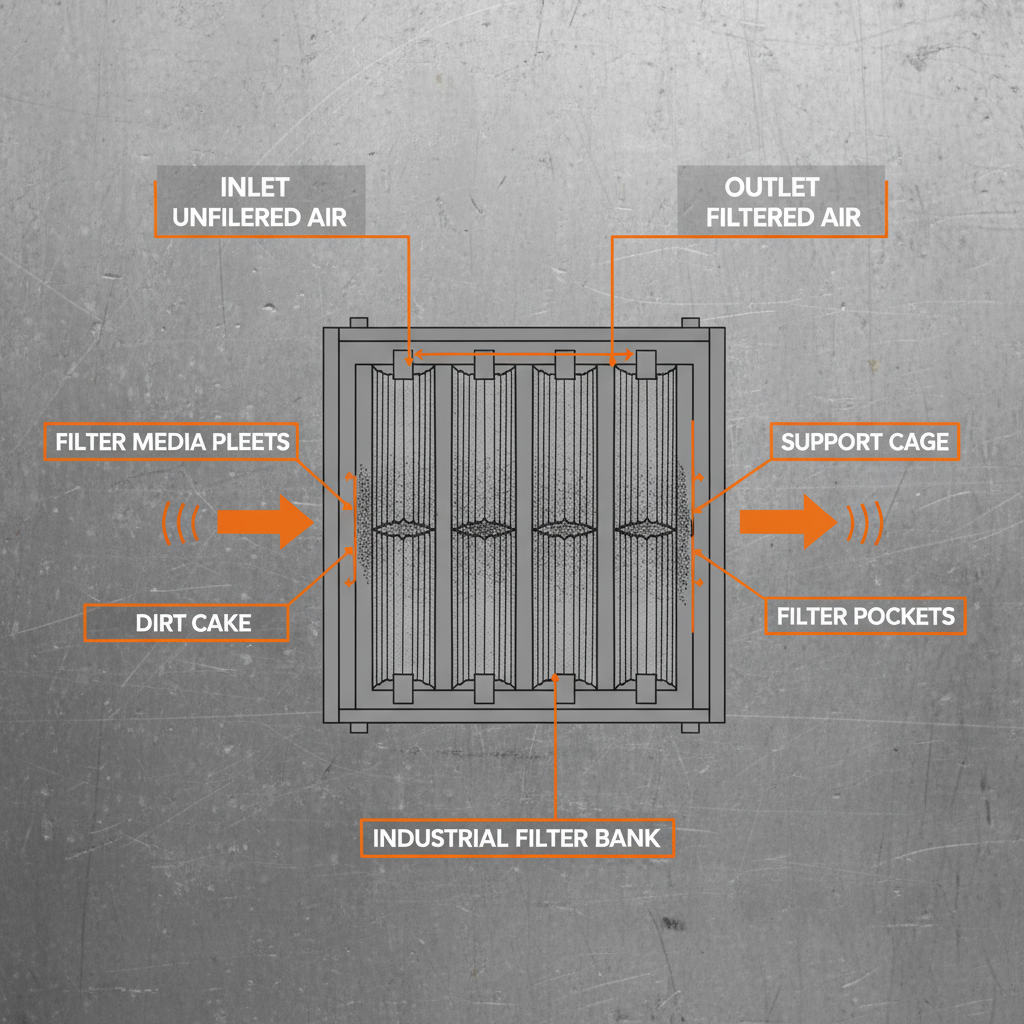
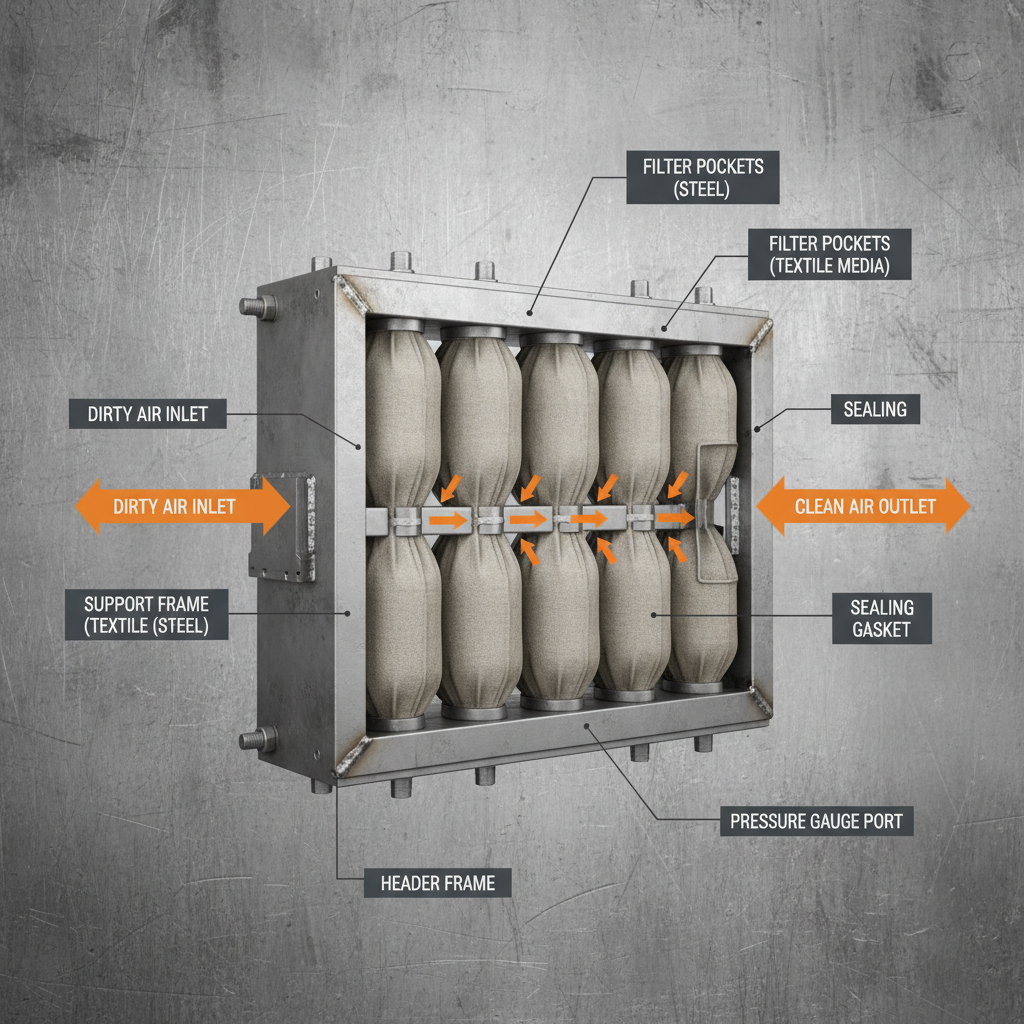
Pre-filter media acts as the first line of defense in a filtration system, removing larger particles from the air or liquid stream before they reach more sensitive and expensive filters. This significantly extends the lifespan of those downstream filters, reducing replacement costs and downtime. Without pre-filtration, these filters can quickly become clogged, leading to reduced airflow, increased pressure drop, and compromised filtration efficiency. It’s a cost-effective way to maintain system integrity and protect valuable equipment. Think of it as a guard protecting the gatekeeper.
Key Benefits: Reduced downstream filter replacement costs, extended filter life, improved system efficiency, and protection of sensitive equipment.
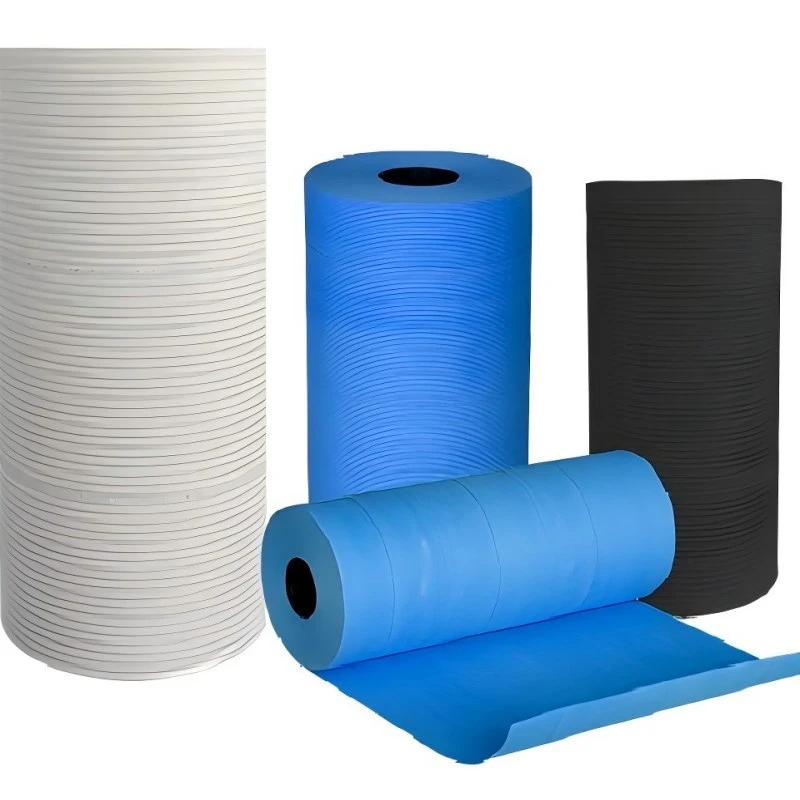
Several types of pre-filter media are available, each with its own strengths and weaknesses. Common options include spunbond polyester, polypropylene, pleated filters, and foam filters. The best choice depends on the specific application and the size of the particles you need to remove. Understanding the characteristics of each type is critical for making an informed decision. Spunbond polyester is often favored for its high dust-holding capacity, while polypropylene is a cost-effective option for general filtration.
Pre-Filter Media Options:
• Spunbond Polyester: High dust holding capacity, excellent durability.
• Polypropylene: Cost-effective, good for general filtration.
• Pleated Filters: Increased surface area, longer lifespan.
• Foam Filters: Washable and reusable, suitable for coarse filtration.
Choosing the right pre-filter media involves careful consideration of several factors. The table below provides a detailed comparison of some popular options, highlighting their key characteristics and performance metrics. Understanding these differences will help you select the most appropriate media for your specific application, optimizing your filtration system’s efficiency and reducing long-term costs.
The applications of pre-filter media are incredibly diverse, spanning numerous industries. In HVAC systems, they protect cooling coils and improve indoor air quality. In manufacturing, they safeguard sensitive equipment from dust and debris. The automotive industry utilizes them in engine air filters to enhance performance and fuel efficiency. Proper pre-filtration leads to reduced maintenance, increased operational uptime, and improved product quality.
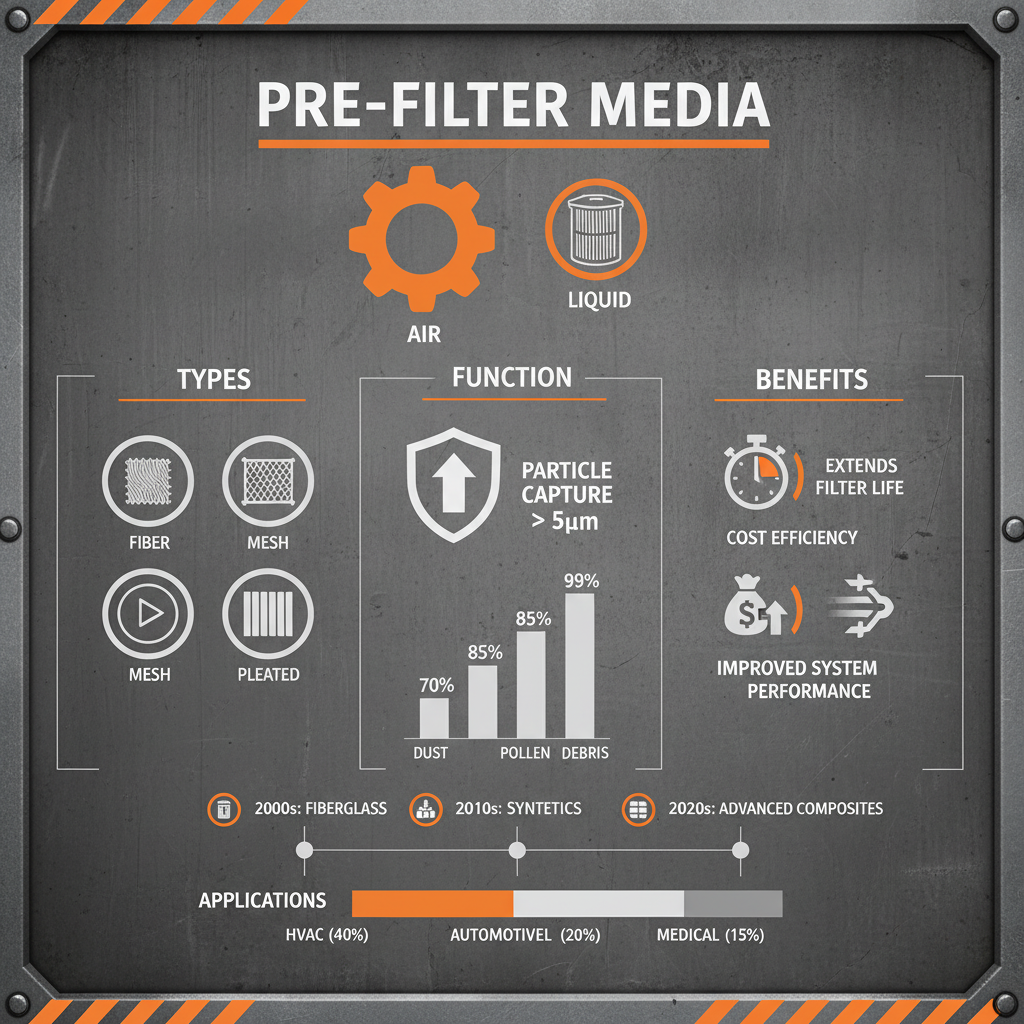
Selecting the best pre-filter media requires assessing your specific needs. Consider the particle size you need to remove, the airflow requirements of your system, and the operating environment. Factors like humidity and temperature can also impact performance. It's also important to evaluate the cost-effectiveness of different options, considering both the initial purchase price and the long-term benefits of reduced maintenance and improved efficiency. Don't hesitate to consult with a filtration expert to ensure you choose the optimal solution for your application. Filtersmaterials.com offers expert guidance and a wide range of pre-filter media to meet your needs.
Investing in the right pre-filter media is a smart investment that yields significant benefits. From extending the lifespan of your downstream filters to improving overall system efficiency, the advantages are clear. By carefully considering your application and selecting the appropriate media, you can optimize your filtration process and protect your valuable equipment. Don't compromise on quality – choose Filtersmaterials.com for reliable pre-filtration solutions.
The frequency of replacement depends on several factors, including the level of contamination, the airflow rate, and the type of media used. As a general guideline, check your pre-filter monthly and replace it when it appears dirty or when the pressure drop across the filter increases significantly. A clogged pre-filter restricts airflow and reduces filtration efficiency. Regularly monitoring the filter's condition is key to maintaining optimal performance. Replacing the pre-filter regularly will save on costs and downtime.
For most pre-filtration applications, a MERV rating of 1-4 is sufficient. These filters effectively capture larger particles like dust, pollen, and lint, protecting downstream filters. Higher MERV ratings capture smaller particles but can also restrict airflow, which is not typically desirable in a pre-filter. It’s important to balance filtration efficiency with airflow resistance.
Some types of pre-filter media, such as foam filters, are designed to be washable and reusable. However, spunbond polyester and polypropylene filters are typically disposable. Washing disposable filters can damage the media and reduce their effectiveness. Always check the manufacturer's instructions before attempting to wash or reuse a pre-filter.
Filtersmaterials.com offers a wide selection of high-quality pre-filter media to meet your specific needs. We provide expert guidance and competitive pricing, ensuring you get the best solution for your application. We have a large variety of pre-filters in stock and ready to ship.