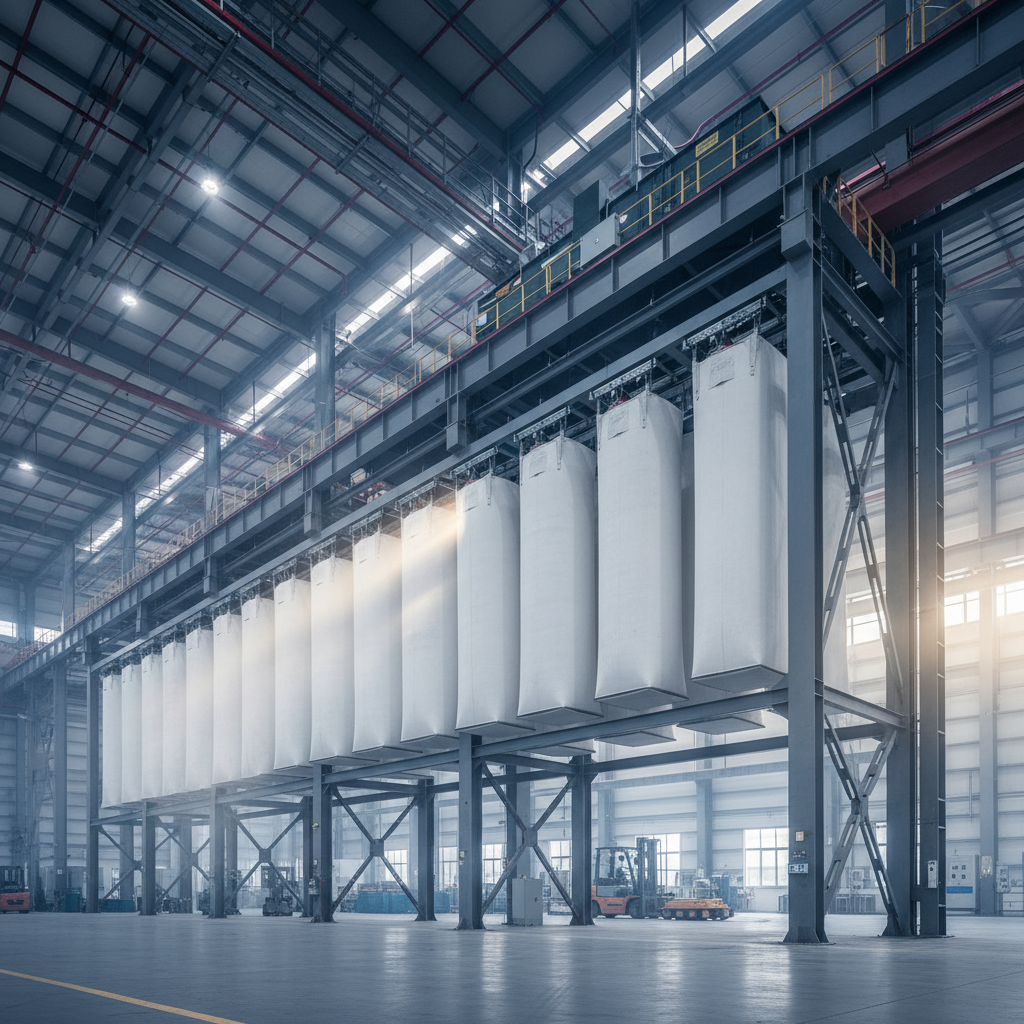
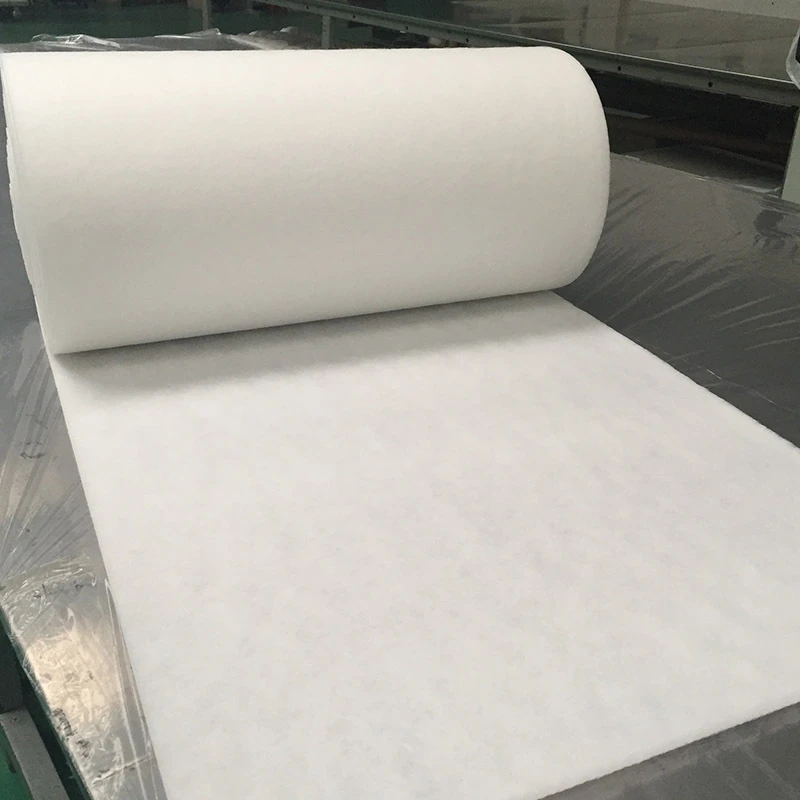
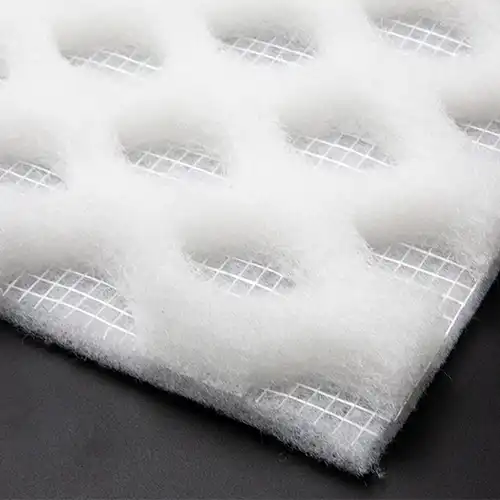
In the realm of industrial air filtration, maintaining air quality is not just about compliance—it is about operational efficiency and health. filter pockets serve as a critical component in HVAC systems and industrial ventilation, designed to capture airborne particulates while maintaining a high flow rate. Whether you are managing a pharmaceutical cleanroom or a large-scale manufacturing plant, understanding the nuances of pocket filter technology can lead to significant energy savings and improved indoor air quality. This guide provides a deep dive into how these filters work, their specifications, and how to choose the right one for your facility.
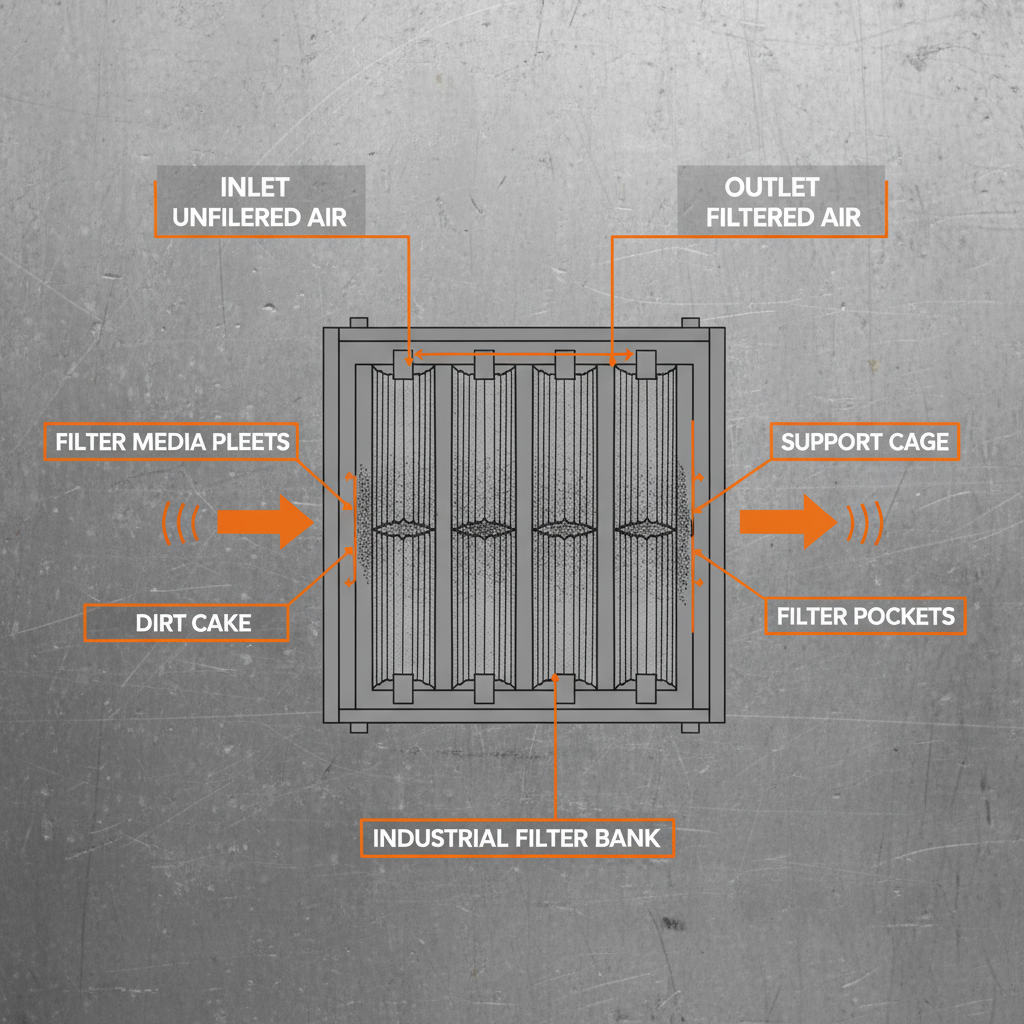
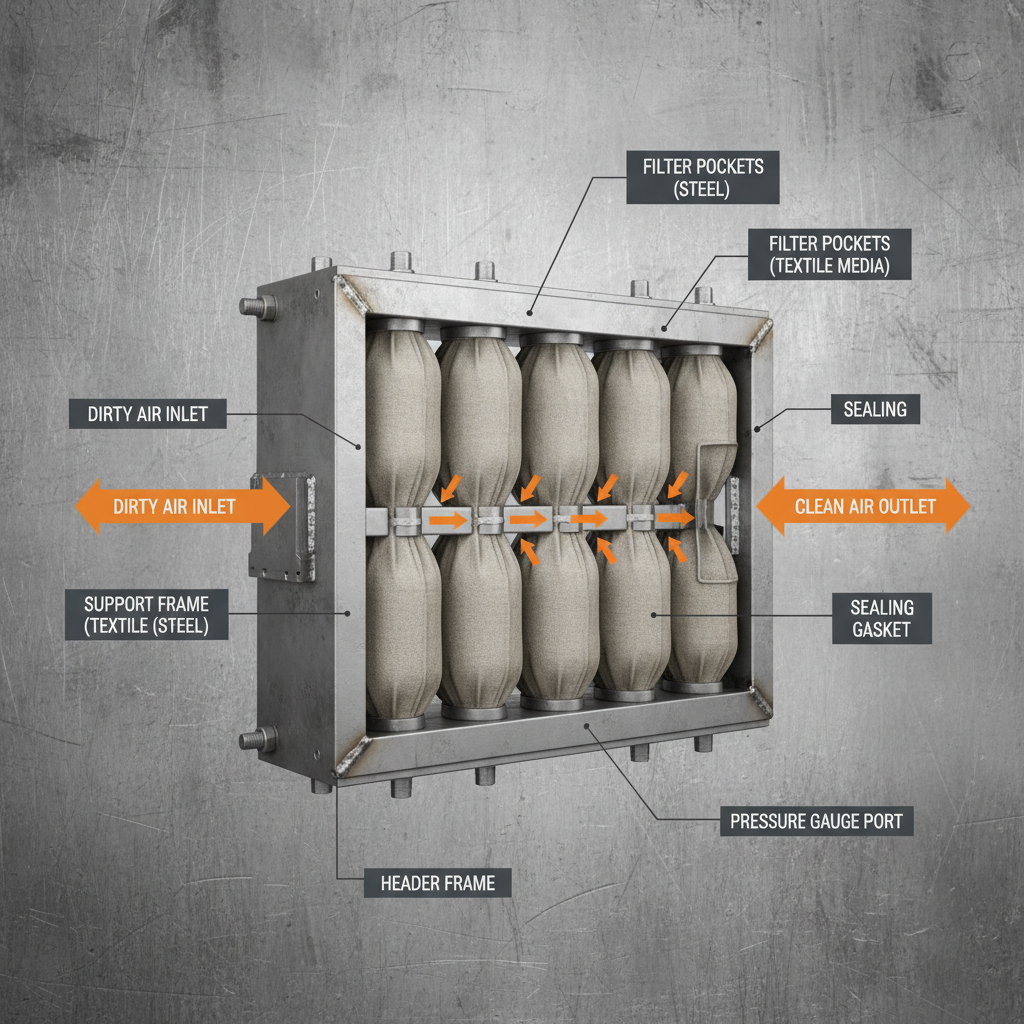
Unlike flat panel filters, filter pockets utilize a unique "pocket" design that significantly increases the effective filtration surface area. By expanding the media into deep pockets, the filter can handle a larger volume of air with much lower pressure drop. This means your fans don't have to work as hard, which directly translates to lower electricity costs. Increased surface area also means more room for dust accumulation, which extends the service life of the filter and reduces the frequency of expensive replacements.
Pro Tip: The deeper the pocket, the higher the dust-holding capacity. Always calculate your air-to-cloth ratio to ensure the filter doesn't saturate prematurely.
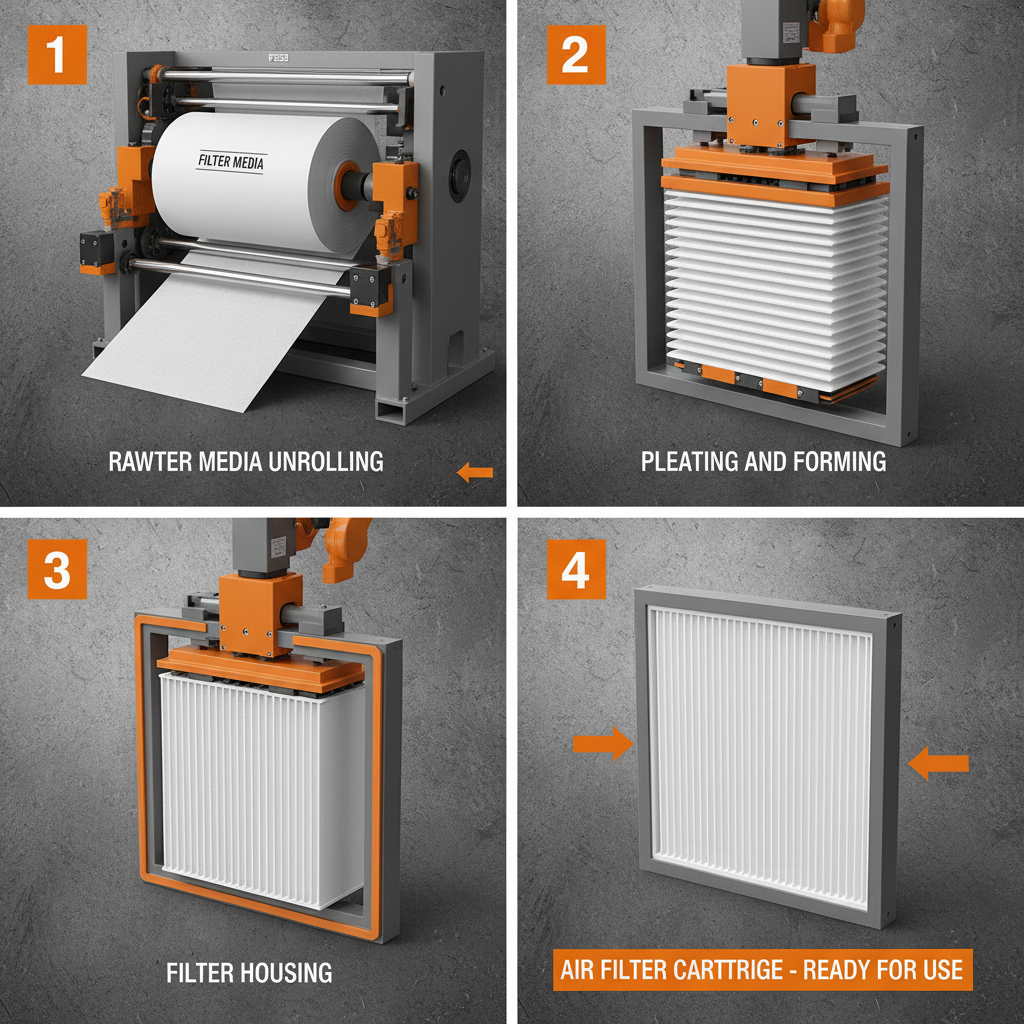
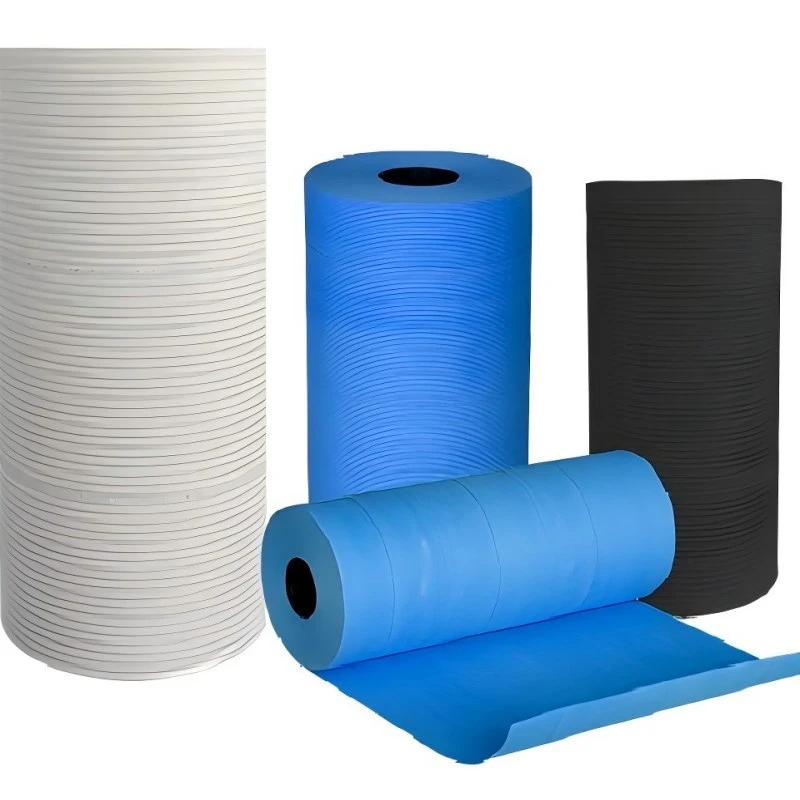
Not all filter pockets are created equal. The choice of media—whether it be synthetic fibers, glass fiber, or specialized blends—determines the filtration grade and durability. Synthetic media are generally more robust and resistant to moisture, while glass fiber often provides higher efficiency for finer particles. Selecting the correct material is a balance between the required filtration efficiency (MERV rating) and the operational environment's humidity and temperature levels.
The versatility of filter pockets makes them indispensable across various sectors. In the pharmaceutical industry, they act as critical pre-filters for HEPA systems, removing larger particles to prevent HEPA clogging. In the food and beverage sector, they maintain hygiene by stripping dust and organic debris from the air. Furthermore, in large commercial complexes, they are used in AHUs (Air Handling Units) to ensure that the air circulating through the building is free from pollen, soot, and smog. Their ability to be customized in size and depth makes them a perfect fit for legacy systems and new installations alike.
When ordering filter pockets, it is essential to look at the technical data sheet. Key metrics include the initial pressure drop, which indicates the resistance to airflow when the filter is clean, and the final pressure drop, which tells you when the filter needs to be replaced. Most high-quality pocket filters also provide a percentage of efficiency for specific particle sizes (e.g., 0.5 to 5 microns). Understanding these numbers allows facility managers to schedule maintenance based on data rather than guesswork.
Correct installation is paramount to ensure that filter pockets perform as designed. A common mistake is failing to ensure a tight seal between the filter frame and the housing, which leads to "air bypass"—where unfiltered air leaks around the edges. Once installed, regular monitoring using a differential pressure gauge is recommended. When the pressure drop reaches the "Final Pressure Drop" limit, the filter should be replaced. Avoiding premature replacement saves money, but waiting too long can strain your blower motor and degrade air quality.
Optimizing your HVAC system requires a holistic view of your filtration chain. Using filter pockets as a secondary stage allows them to capture medium-sized particles, thereby protecting the tertiary high-efficiency filters (like HEPA). This layered approach distributes the dust load and maximizes the lifespan of the most expensive components. By selecting filters with the optimal balance of permeability and efficiency, you can maintain a healthy environment without sacrificing energy efficiency.
Choosing the right filter pockets is a strategic decision that impacts both your operational costs and the health of your environment. From the increased surface area that reduces energy consumption to the specialized materials that target specific particulates, pocket filters offer a superior alternative to standard panel filters. By focusing on the correct specifications and a rigorous maintenance schedule, you can ensure a clean, efficient, and sustainable air filtration system for years to come.
The replacement interval for filter pockets varies based on the dust load of your environment. Generally, filters should be replaced when the differential pressure gauge reaches the manufacturer's specified "final pressure drop." In clean environments, this may be every 6-12 months, while in high-dust industrial settings, it could be every 2-3 months. Regular inspections and data tracking are the only ways to determine the exact needs of your specific system.
Most industrial filter pockets are designed as disposable items. While some may attempt to vacuum the surface, this often damages the delicate fiber structure and creates "holes" in the media, significantly reducing filtration efficiency. For high-efficiency requirements, it is always recommended to replace the filter entirely to ensure the air quality standards are maintained and the integrity of the media is guaranteed.
In many contexts, the terms "pocket filter" and "bag filter" are used interchangeably. However, technically, "pocket" often refers to the internal folds of a filter that fits into a rigid frame for HVAC use, whereas "bag filters" are sometimes associated with larger industrial dust collectors (baghouses). Both utilize the same principle of expanding the surface area to increase dust capacity and lower pressure drop. You can explore a variety of these solutions on the Filters Materials website.
Yes, absolutely. Because filter pockets provide a much larger surface area than flat filters, the air moves through the media more slowly and with less resistance. This lower "pressure drop" means the HVAC fan or blower requires less energy to push the same volume of air through the system. Over a year of operation, this reduction in electrical load can lead to significant cost savings for large-scale facilities.