Why Choose High-Efficiency Spray Booth Ceiling Filters?

  • Home
  • news
  • Why Choose High-Efficiency Spray Booth Ceiling Filters?
Why Choose High-Efficiency Spray Booth Ceiling Filters?
Oct . 05, 2025

What I’ve Learned About spray booth ceiling filters after a decade on the finishing floor

If you work around paint all day, you start to notice the little things—like how a great ceiling intake media can make a booth feel calmer, brighter, less dusty. Sounds soft, but it’s not. It’s throughput. It’s rework avoided. And, to be honest, it’s your reputation when a tri-coat white leaves flawless.
Why Choose High-Efficiency Spray Booth Ceiling Filters?

Product snapshot and real-world specs

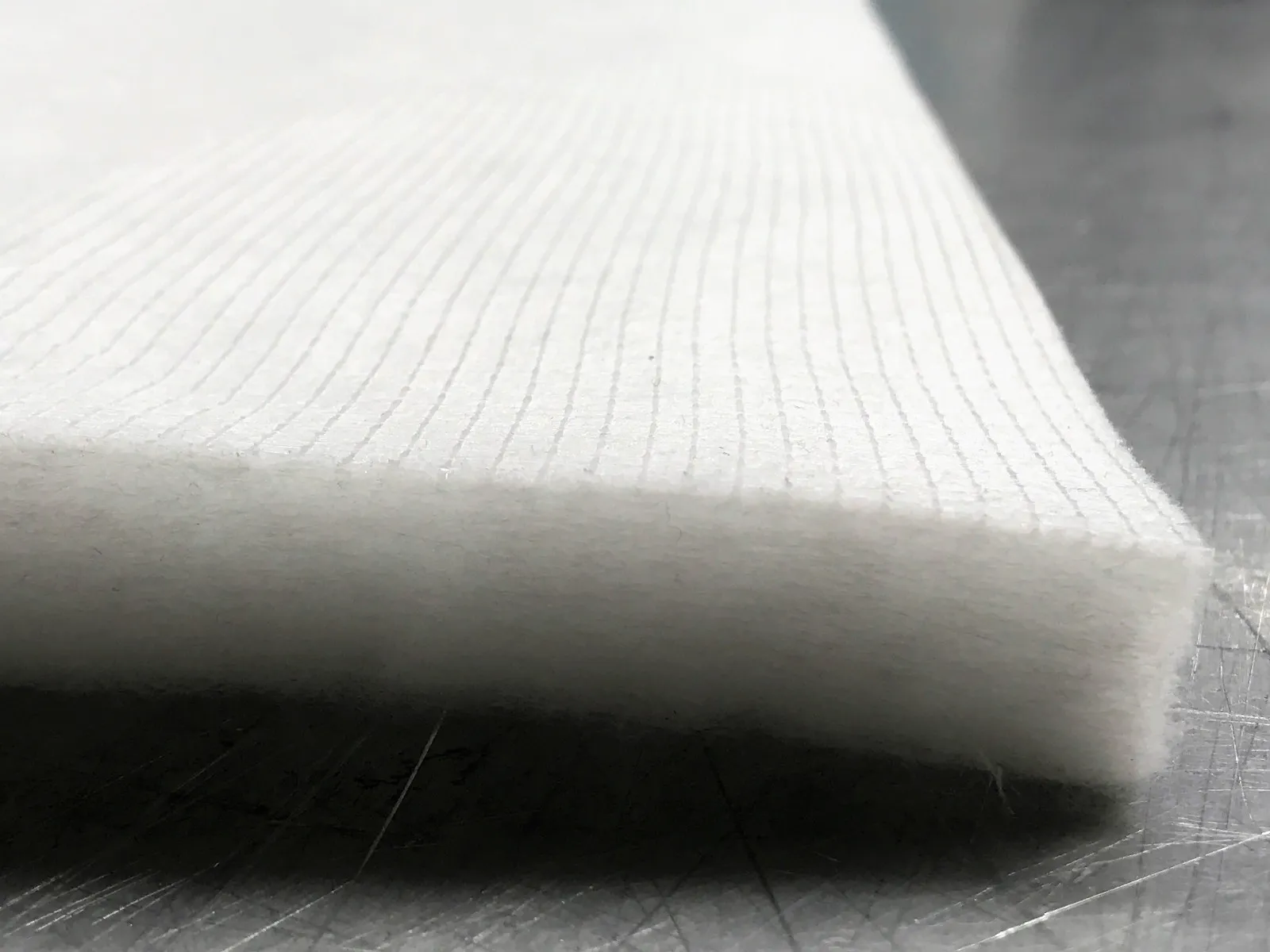
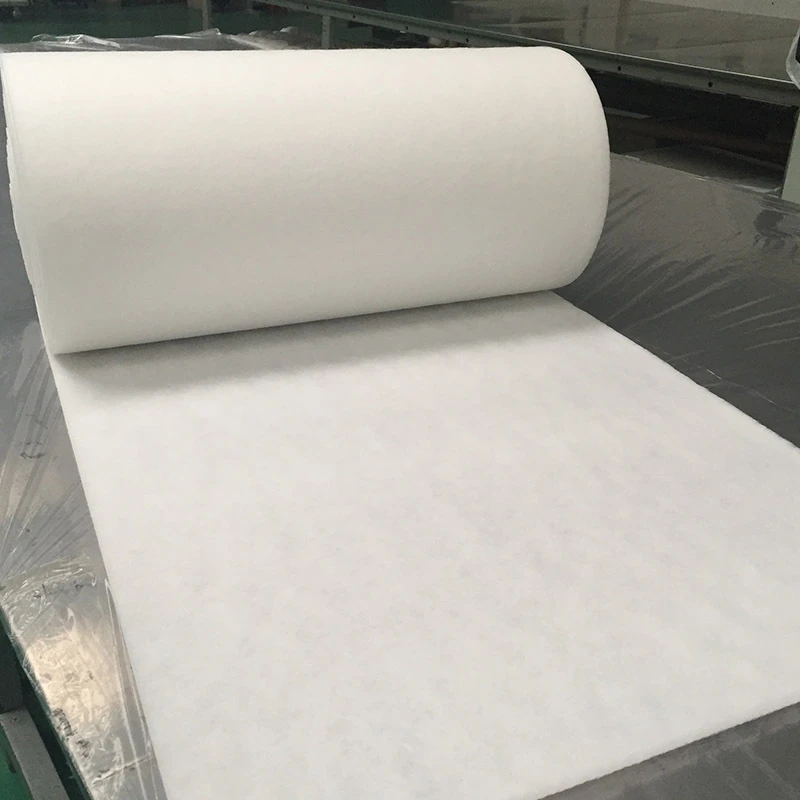
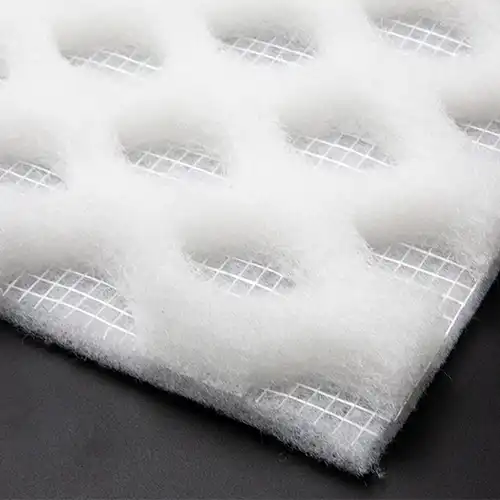
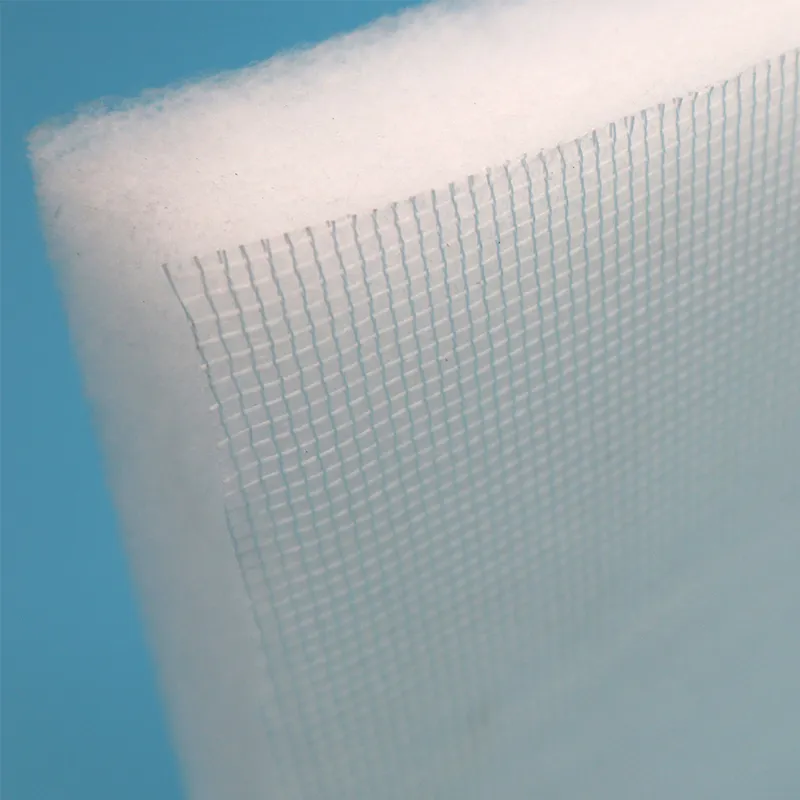
The Spray Booth Ceiling Filter I’ve tested recently from Handan, Hebei (yep, the factory on Shiji Street) runs a progressive-density polyester, tackified, with a scrim backer. It’s a familiar recipe that just works.

Material100% polyester fibers, progressive density, tackified face, scrim backing
Filtration ClassF5/M5 (EN 779:2012); roughly aligns to ISO 16890 ePM10 class (≈50% range, real-world may vary)
Weight550–600 g/m²
Max Temperature120°C
Typical Thickness≈18–22 mm
Initial Pressure Drop≈40–70 Pa @ 0.3–0.5 m/s face velocity
Dust Holding Capacity≈450–650 g/m² (lab conditions)
Service Life8–16 weeks typical in refinish; up to 6 months in light-duty intake use
Why Choose High-Efficiency Spray Booth Ceiling Filters?

Trends shaping intake media (and why you should care)

Two things are happening. First, shops are switching to waterborne and low-VOC coatings, which don’t forgive dust. Second, regulators and insurers push better airflow uniformity (see NFPA 33) and newer test language (ISO 16890 largely replaced EN 779). Many customers say the move to higher loft ceiling media with consistent diffusion made the biggest quality jump this decade. I’d agree.
Why Choose High-Efficiency Spray Booth Ceiling Filters?

Where spray booth ceiling filters earn their keep

  • Automotive refinish booths (downdraft/semidowndraft) – fewer nibs, smoother metallic lay.
  • Industrial finishing cells – powder topcoat rooms, plastic parts, rail/coach interiors.
  • Wood finishing – clear coats, where one speck can ruin an entire face frame.

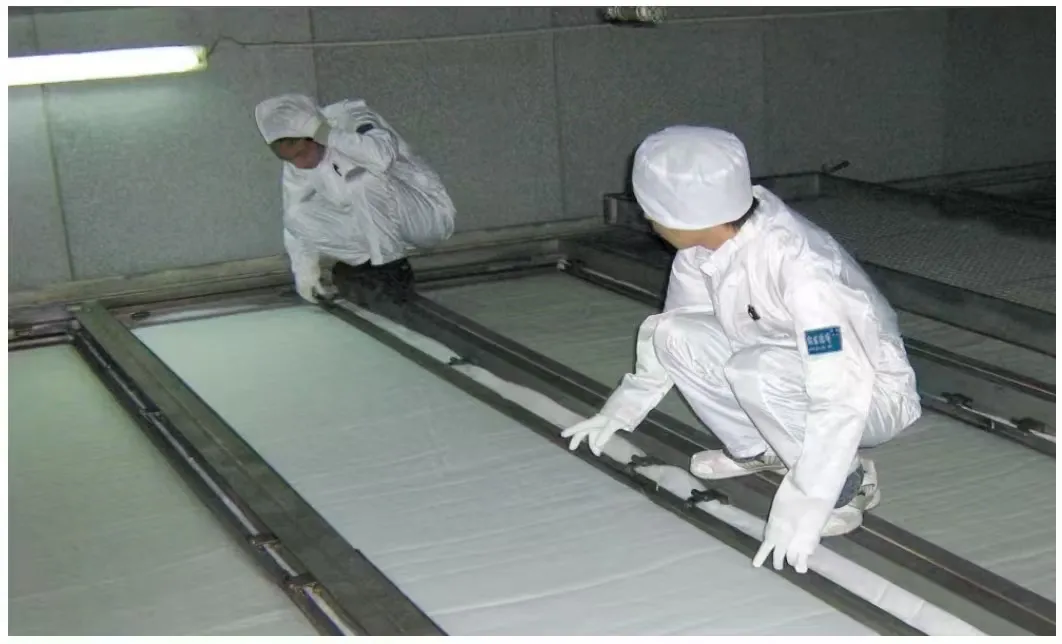
Maintenance tip: log static pressure weekly; change when ΔP rises ≈2–3× initial, or booth anemometer drops below spec velocity.

Why Choose High-Efficiency Spray Booth Ceiling Filters?

How they’re made (quick process flow)

  1. Fiber selection: thermally bonded polyester grades blended for progressive density.
  2. Web forming: needled/lofted to target thickness and porosity; tackifier applied to clean-air side.
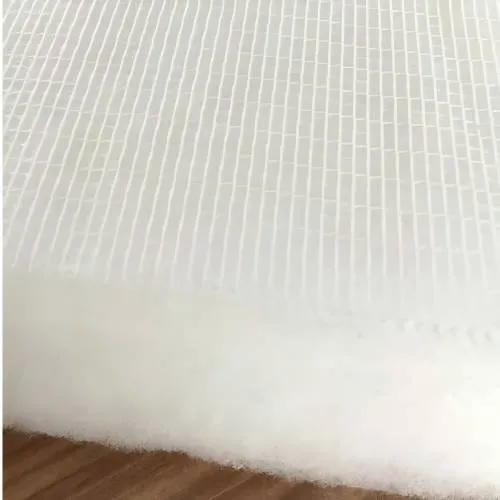
  3. Reinforcement: scrim backing laminated for mounting strength and anti-sag.
  4. Cutting/converting: rolls/sheets trimmed to booth grids; edges heat-sealed where requested.
  5. Testing: arrestance per EN 779 legacy and ISO 16890 mapping, pressure drop curve, airflow uniformity check, and basic flame spread screening (per local code).
Why Choose High-Efficiency Spray Booth Ceiling Filters?

Vendor landscape (what I look for)

Vendor Strengths Lead Time Certs/Docs
Factory (Handan, Hebei) Direct cost, custom sizes, F5/M5 media control ≈10–20 days COC, test report mapping to ISO 16890
Regional Distributor Stock on hand, fast replacement, local support 1–3 days MSDS, basic performance sheet
Import Aggregator Bulk pricing, mixed SKUs ≈3–6 weeks Varies; verify before buy
Why Choose High-Efficiency Spray Booth Ceiling Filters?

Customization and field notes

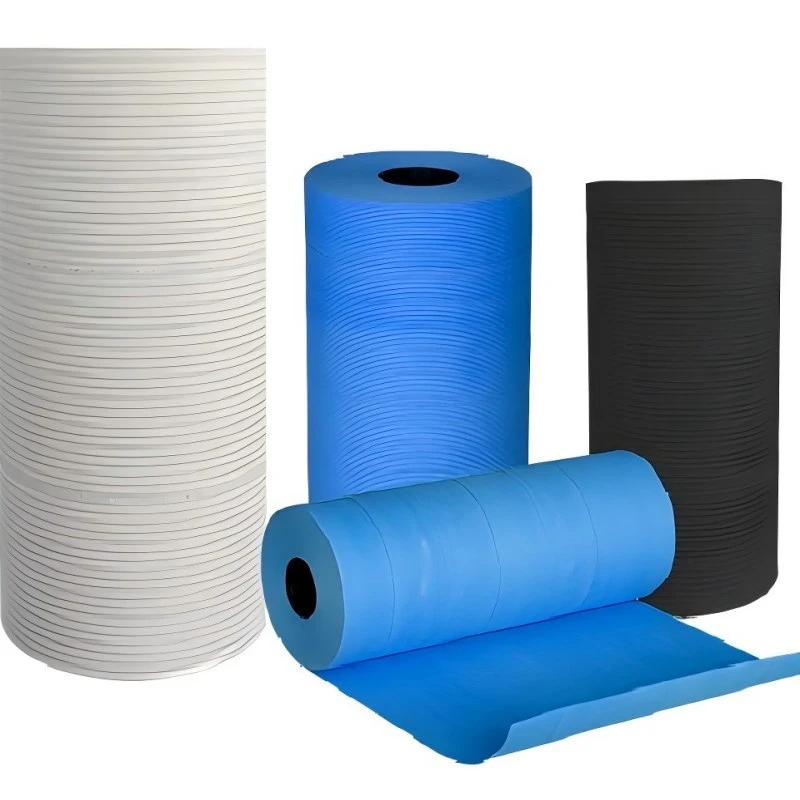
Options I’ve seen work: pre-cut tiles for grid ceilings; extra-tacky face for dusty facilities; edge gasketing to stop bypass; color-coded clean-air side (sounds trivial, saves mistakes). Install with arrows facing airflow—surprisingly, that’s still missed.
Why Choose High-Efficiency Spray Booth Ceiling Filters?

Mini case notes

  • Body shop, Midwest USA: switch to spray booth ceiling filters with tighter loft cut nib complaints by ≈40% in two months; painter said “metallics lay more even, less mottling.”
  • Furniture plant: after sealing leaks and upgrading to EU5 media, booth velocity uniformity improved from 0.23–0.43 to 0.31–0.36 m/s, transfer efficiency ticked up a few points.

Origin: Second Building and Studying, No. 21 Shiji Street, Handan, Hebei, China. Always verify local code requirements (NFPA 33, OSHA) and map EN 779 classes to ISO 16890 when submitting to quality or EHS.
References

  1. ISO 16890: Air filters for general ventilation – performance testing and classification.
  2. EN 779:2012 (legacy): Particulate air filters for general ventilation – determination of filtration performance.
  3. NFPA 33: Standard for Spray Application Using Flammable or Combustible Materials.
  4. OSHA 29 CFR 1910.107: Spray finishing using flammable and combustible materials.
Share:
Comprehensive Guide to Non Woven Air Filter Media and Its Applications
In today’s world, maintaining clean air quality is crucial for both human health and industrial processes. Non woven air filter media plays a vital role in achieving this, offering efficient and cost-effective filtration solutions. This article will delve into the properties, applications, and benefits of non woven filter media, providing a comprehensive understanding for professionals and individuals seeking effective air filtration solutions. From HVAC systems to industrial manufacturing, we'll explore how this material ensures cleaner, healthier environments. Non woven air filter media is a fabric-like material created from fibers bonded together through mechanical, thermal, or chemical processes, rather than traditional weaving or knitting. This construction provides a unique set of characteristics ideal for air filtration. Unlike woven materials, non woven fabrics have a more random fiber orientation, resulting in a higher surface area and greater dust-holding capacity. This makes them exceptionally effective at capturing airborne particles, ranging from dust and pollen to more hazardous contaminants.
Comprehensive Guide to Pocket Filter Rolls for Optimal Air Quality
Pocket filter rolls are a versatile and effective air filtration solution used across a multitude of industries. These rolls, containing pleated media within individual pockets, offer a high surface area for capturing dust, pollen, and other airborne particles. Filtersmaterials.com provides a range of high-quality pocket filter rolls tailored to various needs. Understanding their characteristics, applications, and benefits is crucial for optimizing air quality in your specific environment. Choosing the right filter roll can dramatically improve system performance and reduce maintenance costs. Pocket filter rolls consist of a continuous length of filter media formed into individual pockets. This design maximizes the surface area available for particle capture, leading to higher dust-holding capacity and longer filter life. The media is typically constructed from synthetic fibers like polyester or polypropylene, offering excellent filtration efficiency and resistance to moisture. These rolls are a cost-effective alternative to individual pocket filters, particularly in systems requiring large filter areas.
Improve Indoor Air Quality with a High Efficiency Pocket Air Filter
In today's increasingly health-conscious world, clean air is paramount. From homes to offices, and even vehicles, maintaining air quality is crucial for well-being. A pocket air filter offers a simple, cost-effective solution to improve indoor air quality. These filters are designed to capture dust, pollen, and other airborne particles, contributing to a healthier living and working environment. This article will delve into the features, benefits, applications, and considerations when choosing a pocket air filter, helping you make an informed decision. Filtersmaterials provides high-quality pocket air filters for various needs. A pocket air filter is a type of disposable air filter commonly used in HVAC systems, furnaces, and air conditioning units. They are constructed with layers of pleated filter media, contained within a durable fabric pocket. This design creates a large surface area for trapping airborne particles. They are an economical and readily available option for improving air quality.

If you are interested in our products, you can choose to leave your information here, and we will be in touch with you shortly.