Aug . 22, 2025
Paint booths rely on specialized filters to control overspray particles, ensuring a clean working environment, protecting equipment, and maintaining the quality of painted surfaces. These filters, including spray booth filter media, air filter for paint booth, and paint booth filter media, are engineered to trap paint droplets of varying sizes, preventing them from recirculating or escaping into the surrounding air. Hebei Fangyu Filter Material Technology Co.,Ltd. is a key provider of these filtration solutions, designing spray booth filter media and related products to efficiently capture overspray in automotive, industrial, and aerospace painting applications. Understanding the mechanisms and features that enable these filters to perform this critical role is essential for optimizing paint booth operations.
Capture Mechanisms in Spray Booth Filter Media ----H2
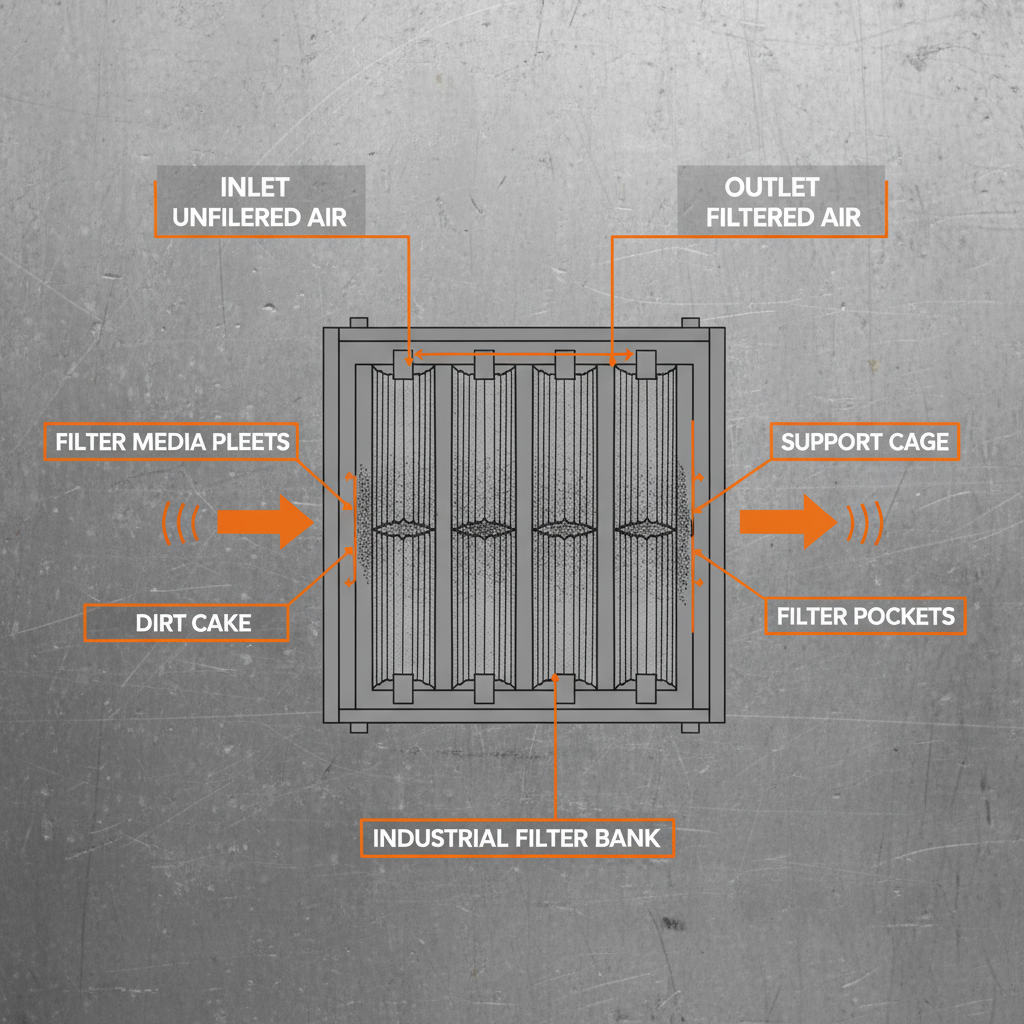
- Mechanical Interception: Spray booth filter mediauses a dense network of fibers to physically block larger overspray particles. As air carrying paint droplets flows through the media, particles larger than the gaps between fibers are trapped on the surface. Hebei Fangyu Filter Material Technology Co.,Ltd. designs spray booth filter media with varying fiber densities, ensuring effective interception of both thick and fine paint particles.
- Inertial Impaction: When air changes direction within the spray booth filter media, larger and denser overspray particles lack the flexibility to follow the airflow, colliding with fibers and becoming trapped. This mechanism is particularly effective for capturing heavier paint droplets common in industrial painting. Hebei Fangyu Filter Material Technology Co.,Ltd. optimizes the structure of their spray booth filter mediato create airflow disruptions that enhance inertial impaction.
- Diffusion: Smaller overspray particles, which move erratically due to Brownian motion, are captured through diffusion as they collide with fibers in spray booth filter media. This mechanism ensures even tiny paint droplets are trapped, preventing them from settling on finished surfaces. Hebei Fangyu Filter Material Technology Co.,Ltd. incorporates fine fibers in their spray booth filter mediato boost diffusion efficiency for micro-sized overspray.
Design Features of Air Filter for Paint Booth ----H2
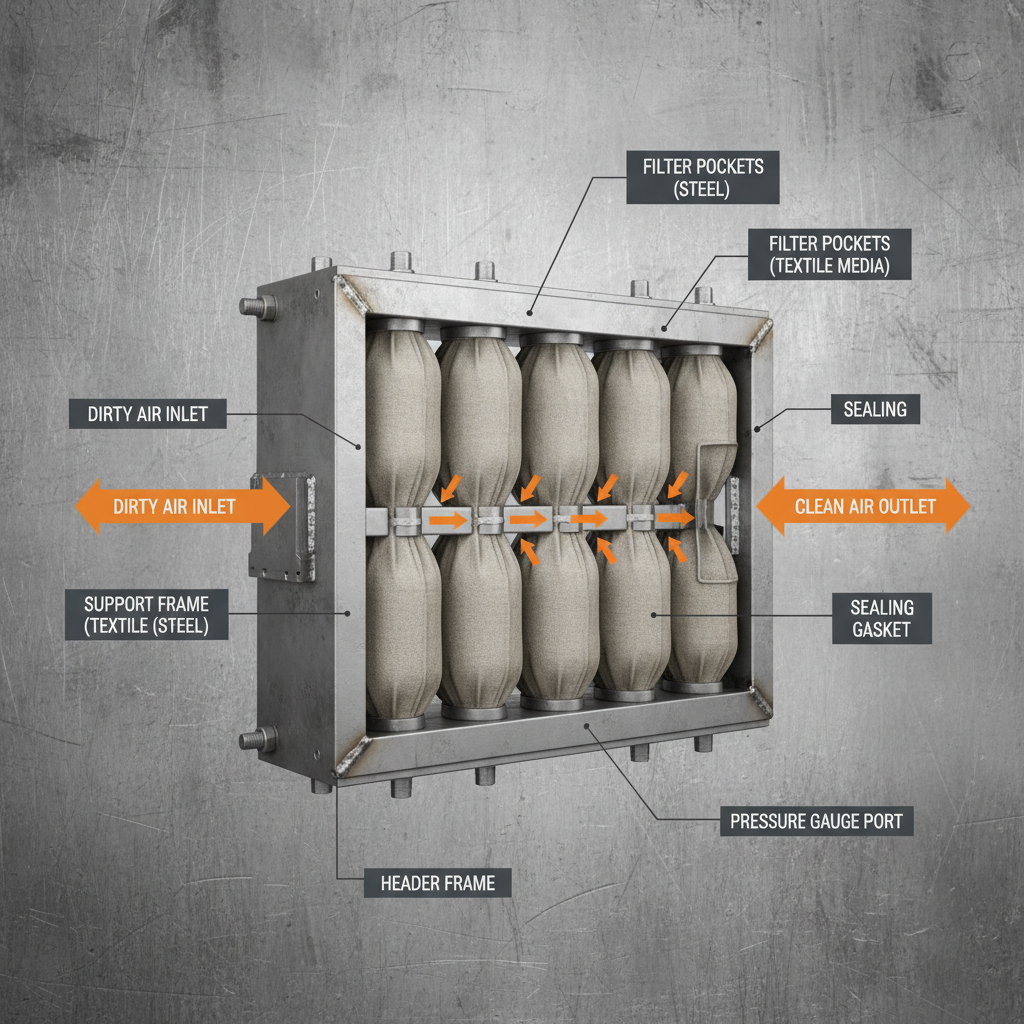
- Graded Density Structure: Air filter for paint boothoften features a layered design with increasing fiber density from the inlet to the outlet. This graded structure allows the filter to capture larger particles on the outer layers and finer particles deeper within, maximizing dust holding capacity. Hebei Fangyu Filter Material Technology Co.,Ltd.’s air filter for paint booth uses this design to extend service life and maintain consistent airflow.
- Oil and Moisture Resistance: Paint overspray often contains solvents or water, so air filter for paint boothmust resist degradation from these substances. Hebei Fangyu Filter Material Technology Co.,Ltd. treats their air filter for paint booth with water-repellent coatings, ensuring the media retains its structure and filtration ability even when exposed to wet paint droplets.
- High Airflow Capacity: While capturing overspray, air filter for paint boothmust allow sufficient airflow to maintain proper ventilation in the booth, preventing paint fumes from accumulating. Hebei Fangyu Filter Material Technology Co.,Ltd. balances filtration efficiency and airflow in their air filter for paint booth, ensuring optimal conditions for both worker safety and painting quality.
Efficiency Factors in Paint Booth Filter Media ----H2
- Particle Size Compatibility: Paint booth filter mediais engineered to target the specific size range of overspray particles generated by different painting methods—from large droplets in spray gun applications to fine mists in electrostatic painting. Hebei Fangyu Filter Material Technology Co.,Ltd. offers paint booth filter media tailored to these variations, ensuring maximum capture efficiency for each scenario.
- Loading Capacity: The ability of paint booth filter mediato hold accumulated overspray without clogging is critical for reducing downtime. Hebei Fangyu Filter Material Technology Co.,Ltd.’s paint booth filter media is designed with a porous structure that allows for high paint retention, delaying the need for filter replacement.
- Compatibility with Paint Types: Different paints (oil-based, water-based, enamel) interact differently with filters. Paint booth filter mediafrom Hebei Fangyu Filter Material Technology Co.,Ltd. is formulated to handle various paint chemistries, preventing fiber breakdown or filter plugging that can compromise performance.
Application-Specific Performance of Spray Booth Filter Media ----H2
- Automotive Painting: In automotive paint booths, spray booth filter mediamust capture fine overspray to ensure a smooth finish on vehicles. Hebei Fangyu Filter Material Technology Co.,Ltd.’s spray booth filter media for this sector prioritizes the capture of micro-particles, reducing the risk of defects in the painted surface.
- Industrial Equipment Coating: For large industrial equipment, spray booth filter medianeeds to handle high volumes of overspray. Hebei Fangyu Filter Material Technology Co.,Ltd. provides heavy-duty spray booth filter media with enhanced loading capacity, suitable for the demanding conditions of industrial painting lines.
- Aerospace Applications: Aerospace painting requires ultra-clean environments, so spray booth filter mediamust capture even the smallest overspray particles. Hebei Fangyu Filter Material Technology Co.,Ltd.’s high-efficiency spray booth filter media meets strict aerospace standards, ensuring no contaminants compromise the integrity of aircraft surfaces.
Paint Booth Filter Media FAQS ----H2
How often should Spray booth filter media be replaced? ----H3
Spray booth filter media should be replaced when airflow is restricted or when overspray begins to escape, typically every 50–200 hours of use depending on painting volume. Hebei Fangyu Filter Material Technology Co.,Ltd. recommends monitoring pressure drop across the spray booth filter media to determine optimal replacement times.
What makes Air filter for paint booth different from general air filters? ----H3
Air filter for paint booth is specifically designed to capture sticky paint particles and resist solvents, unlike general air filters which target dust. Hebei Fangyu Filter Material Technology Co.,Ltd.’s air filter for paint booth has a unique fiber structure and chemical resistance to handle the demands of paint overspray.
Can Paint booth filter media capture all types of overspray particles? ----H3
Paint booth filter media is engineered to capture most overspray particles, but efficiency varies by particle size and paint type. Hebei Fangyu Filter Material Technology Co.,Ltd. offers specialized paint booth filter media for different applications, ensuring high capture rates for the specific particles in each scenario.
How does the design of Spray booth filter media affect airflow? ----H3
The fiber density and structure of spray booth filter media directly impact airflow—denser media captures more particles but may restrict airflow. Hebei Fangyu Filter Material Technology Co.,Ltd. balances these factors in their spray booth filter media, ensuring efficient particle capture without compromising ventilation.
Is Paint booth filter media reusable? ----H3
Most paint booth filter media is disposable, as captured overspray hardens and clogs the fibers, making cleaning ineffective. Hebei Fangyu Filter Material Technology Co.,Ltd. focuses on high-performance disposable paint booth filter media for reliable, consistent capture of overspray particles.