Top Paint Booth Filter Manufacturers for Industrial Use | Expert Guide

  • Home
  • news
  • Top Paint Booth Filter Manufacturers for Industrial Use | Expert Guide
Top Paint Booth Filter Manufacturers for Industrial Use | Expert Guide
Jan . 02, 2026

Selecting the Right paint booth filter manufacturers for Your Industrial Needs

Having worked in industrial equipment for over a decade, I’ve come to appreciate just how critical proper paint booth filters are—not just for maintaining clean environments but for the entire efficiency of paint booths. Oddly enough, the choice of manufacturer often gets overlooked, but frankly, it shapes costs, downtime, and even worker safety more than many realize.

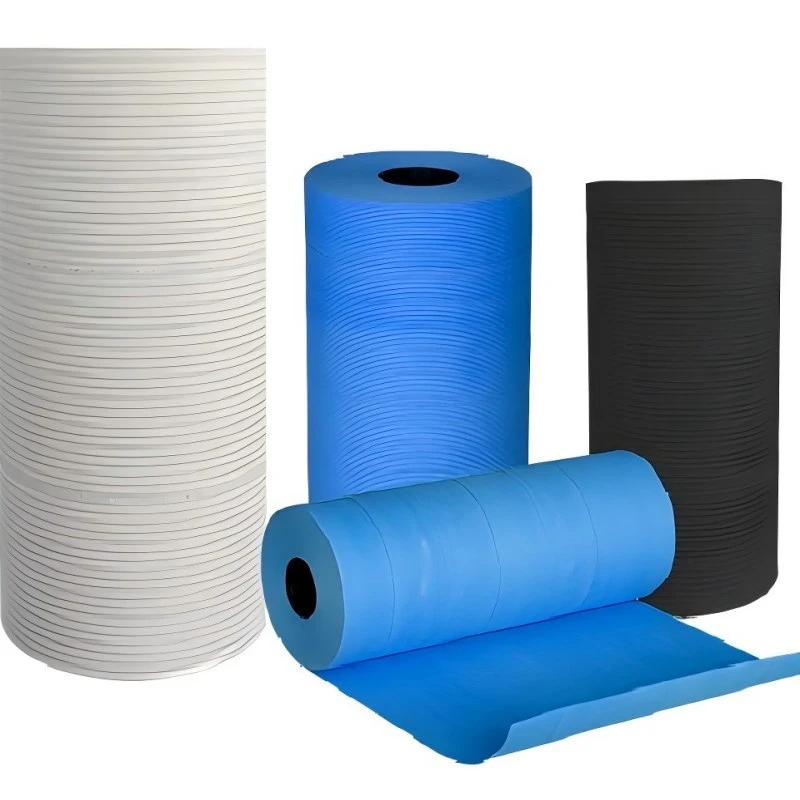
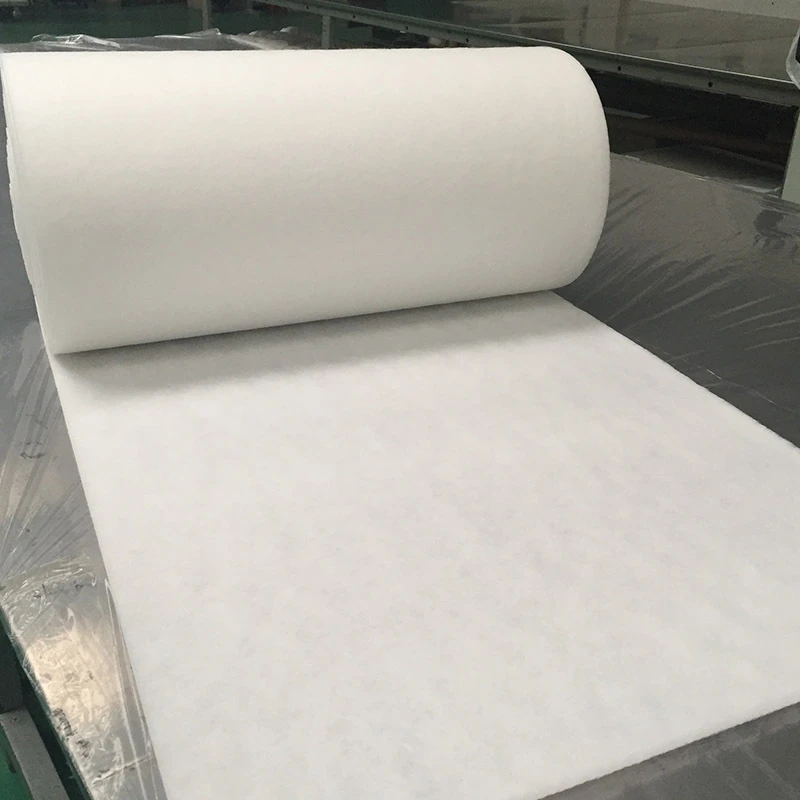
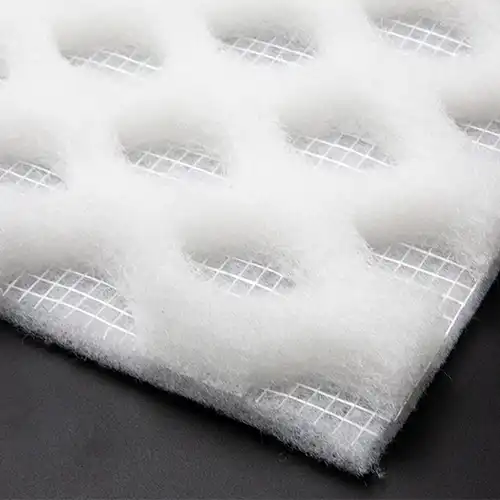
Paint booths are delicate ecosystems where dust, overspray, and airborne particles must be managed meticulously. The filters installed need to handle this airborne chaos without compromising airflow—kind of like balancing on a tightrope. And yes, the material composition of these filters… it really matters. Glass fiber, synthetic media, cellulose blends: each has its perks and quirks.

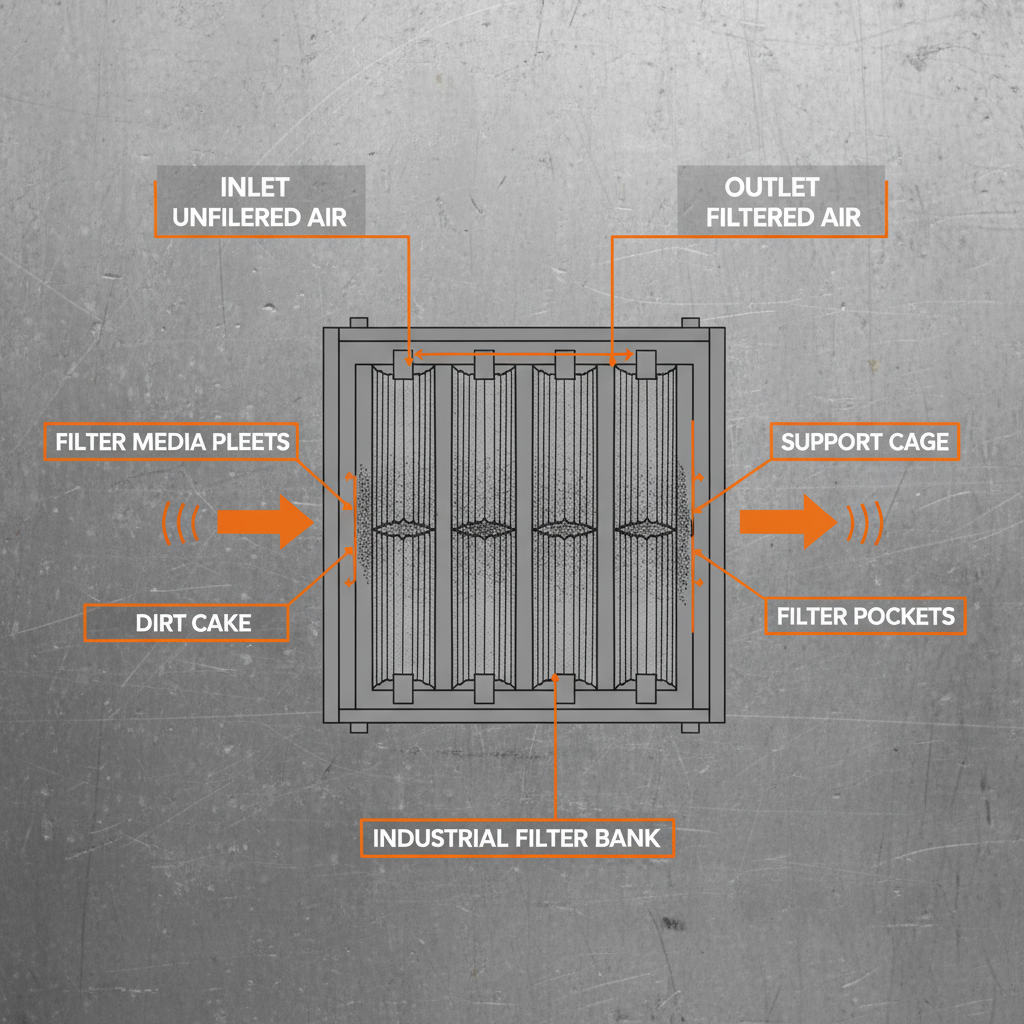
One thing I've noticed over the years is how manufacturers invest in product testing. It’s not just about catching overspray; it’s about longevity and minimal pressure drop. I remember a facility where frequent filter changes meant unexpected downtime, and a manufacturer with more robust filter media saved them thousands annually. These filters were engineered to last longer, resist loading, and maintain consistent airflow—a welcome change in real terms.

Customization is another huge factor. Paint booths don’t all share the same specs, and many vendors offer bespoke options. This flexibility is a godsend for those tricky industrial setups or for operations that need ultra-specific particle filtration. Many engineers say it’s worth paying a slight premium here rather than settling for off-the-shelf generic filters.

Typical Paint Booth Filter Specifications

Specification Value/Range Notes
Filter Media Glass Fiber / Synthetic / Cellulose Material affects lifespan & efficiency
MERV Rating 11 to 13 Industry standard for paint booths
Airflow Resistance 0.15 to 0.25 in. w.g. Lower resistance preferred
Filter Thickness 1 to 4 inches Thicker filters tend to last longer
Lifespan 4 to 8 weeks typical Depends on booth usage & filter media

Comparing Leading Paint Booth Filter Manufacturers

Manufacturer Product Range Custom Options Average Lead Time Pricing Level
Filter Solutions Inc. Standard & high-performance filters Yes, including media blends 2-3 weeks Mid
AirGuard Filters Eco-friendly synthetic filters Limited 1-2 weeks Low to Mid
ProFilter Technologies High-efficiency media, custom thickness Extensive 3-4 weeks High
ClearAir Filters Mid-range standard filters No 1 week Low

Now, if you ask me about the nuances of working with different brands, it often boils down to communication and logistics. One vendor I collaborated with was incredibly hands-on—sending prototype samples before bulk ordering. It felt like they really cared, unlike some who just pitch standard sheets and leave you hanging.

In real terms, selecting the right paint booth filter manufacturer isn’t just a purchase; it’s an investment in overall productivity. A good filter from a reputable maker reduces downtime, improves paint quality, and frankly, avoids costly headaches. That’s a takeaway I’ve reiterated with clients many times over.

And yes, if you’re considering upgrading or sourcing filters, starting your search with established manufacturers and seeing who offers custom orders is a smart play. Don't settle for filter mediocrity when your operation depends on precision.

References:
  1. Industrial Air Filtration Handbook, 5th Edition, John Wiley & Sons
  2. “Advances in Paint Booth Filters”, Filtration Journal, 2022
  3. Vendor Technical Data Sheets - Various Manufacturers (2023)
Share:
Comprehensive Guide to Bulk Furnace Filter Material for Optimal HVAC Performance
Furnace filters are vital for maintaining indoor air quality and ensuring the efficient operation of your heating system. For businesses and large-scale operations, sourcing bulk furnace filter material offers cost savings and convenience. This article will delve into the different types of furnace filter materials available, their applications, benefits of buying in bulk, and factors to consider when making a purchase. We’ll explore how selecting the right material can optimize your HVAC system’s performance and contribute to a healthier environment. Several materials are used in furnace filter construction, each offering varying levels of filtration and airflow. Common options include fiberglass, pleated paper, and electrostatic filters. Fiberglass filters are the most economical, but they offer minimal filtration. Pleated filters, constructed from paper or synthetic material, provide a larger surface area and capture more particles. Electrostatic filters utilize charged fibers to attract and trap airborne contaminants. Understanding the differences is key to selecting the right furnace filter material for your specific needs.
Choosing the Best Bulk Air Filter Media for Optimal Air Quality and System Performance
Selecting the appropriate bulk air filter media is crucial for maintaining air quality in various applications, from HVAC systems to industrial processes. The right media ensures efficient particle removal, protects sensitive equipment, and contributes to a healthier environment. This article will guide you through the different types of air filter media, their applications, and factors to consider when making a purchase. Understanding the nuances of each type will help you choose the most effective and cost-efficient solution for your specific requirements. There's a wide variety of bulk air filter media available, each with its own strengths and weaknesses. Common types include synthetic fibers (polyester, polypropylene), fiberglass, and pleated filters. Synthetic media is often preferred for its consistent quality, low pressure drop, and resistance to moisture. Fiberglass, while cost-effective, can release particles over time. Pleated filters offer a large surface area for efficient particle capture but can have higher pressure drops. The Minimum Efficiency Reporting Value (MERV) rating is a crucial indicator of a filter's ability to capture airborne particles.
Optimizing Filtration Systems with the Right PreFilter Media Selection
Selecting the appropriate pre-filter media is crucial for extending the life of your downstream filters and ensuring efficient filtration processes. This article explores the benefits of pre-filtration, the different types of media available, and how to choose the best option for your specific needs. We'll cover key considerations like particle size, airflow requirements, and cost-effectiveness. Investing in the right pre-filter media protects your valuable equipment and optimizes overall system performance. Pre-filter media acts as the first line of defense in a filtration system, removing larger particles from the air or liquid stream before they reach more sensitive and expensive filters. This significantly extends the lifespan of those downstream filters, reducing replacement costs and downtime. Without pre-filtration, these filters can quickly become clogged, leading to reduced airflow, increased pressure drop, and compromised filtration efficiency. It’s a cost-effective way to maintain system integrity and protect valuable equipment. Think of it as a guard protecting the gatekeeper. Several types of pre-filter media are available, each with its own strengths and weaknesses. Common options include spunbond polyester, polypropylene, pleated filters, and foam filters.

If you are interested in our products, you can choose to leave your information here, and we will be in touch with you shortly.