Spray Booth Inlet Filters – Insights and Comparison for Industrial Use

  • Home
  • news
  • Spray Booth Inlet Filters – Insights and Comparison for Industrial Use
Spray Booth Inlet Filters – Insights and Comparison for Industrial Use
Dec . 31, 2025

Spray Booth Inlet Filters: What I’ve Learned Over the Years

Having spent quite some time in the industrial equipment sector, I’ve come to appreciate just how critical certain components are — even when they seem somewhat unassuming at first. Take spray booth inlet filters, for example. You might think, “It’s just a filter, right?” But honestly, these little pieces often make or break the quality of the entire finishing process.

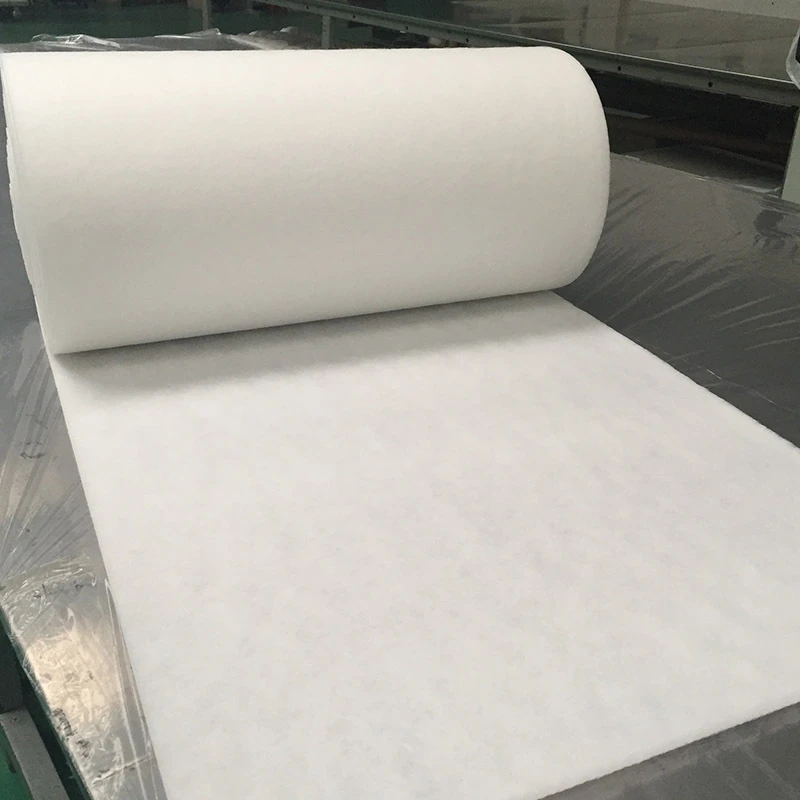
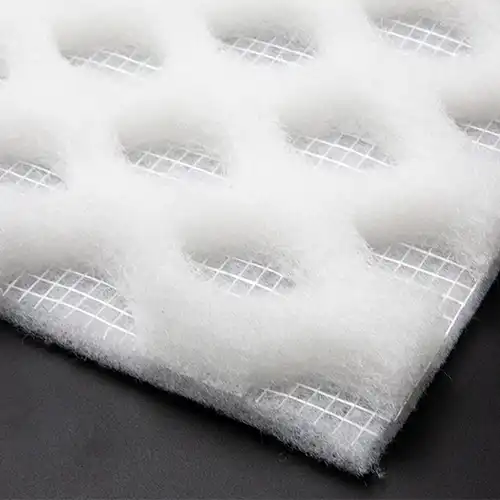
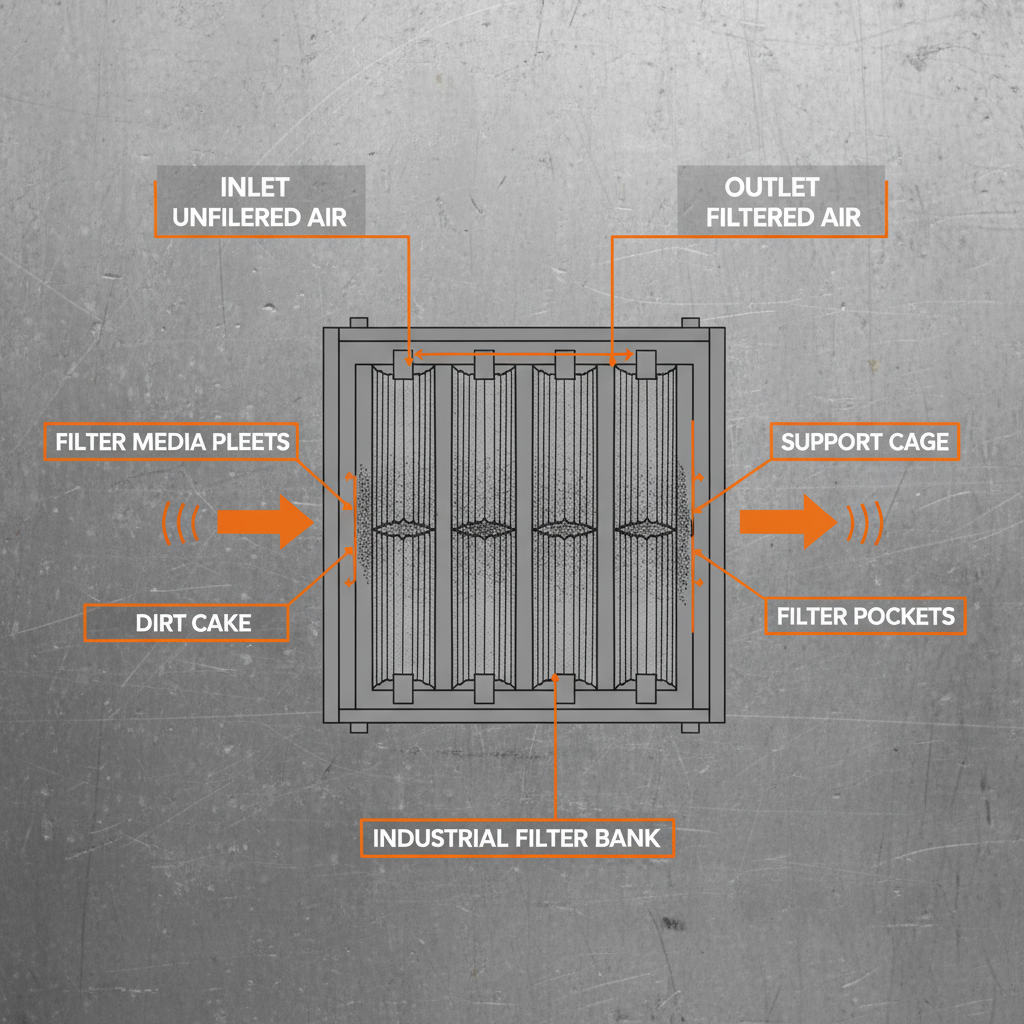
Spray booth inlet filters serve as that first line of defense, capturing airborne particles before they can contaminate your finishes. In real terms, this means fewer defects, less rework, and frankly, a smoother operation overall. The material they’re made from, their layering, and their particle retention efficiency can all make a significant difference.

One thing I've noticed over the years is how the choice between fiberglass and synthetic media can stir debates among engineers and shop owners alike. Fiberglass filters are a classic, known for their high dust-holding capacity and reasonable cost. Yet, synthetic filters bring durability to the table with better moisture resistance and easier disposal. It’s sort of like choosing between a trusty old truck and a newer electric vehicle—each has its place depending on the job.

Speaking of materials, the testing standards these filters undergo (think ASTM or ISO) are vital to ensure they perform as promised—especially with the tighter emission regulations popping up worldwide. I recall an instance where a customer was struggling with paint defects that turned out to be traced back to a subpar inlet filter. Switching to a higher-efficiency spray booth inlet filter made a night-and-day difference.

Customization is another trend that’s gained traction. Rather than off-the-shelf, many manufacturers now request filters tailored to their booth size, airflow rates, or even specific paint types. This kind of bespoke approach can improve capture rates and ultimately paint quality.

Product Specifications at a Glance

Specification Details
Filter Media Fiberglass / Synthetic blend
Efficiency Up to 80% dust arrestance
Thickness 1" – 4"
Airflow Resistance Low pressure drop (0.15" w.g. typical)
Standard Sizes 12"x12", 24"x24", custom cuts available
Fire Rated Meets UL 900 standards

Vendor Comparison: A Quick Look

Vendor Media Type Typical Life (weeks) Price Range (per unit) Customization Options
FilterCorp Fiberglass 4-6 $15-$25 Standard Sizes only
SynthAir Synthetic 6-8 $20-$30 Custom cuts available
PureFilters Fiberglass/Synthetic blend 5-7 $22-$28 Advanced customization

Honestly, the best advice I can give is to not underestimate the importance of the inlet filter choice. It’s one of those things where a little upfront attention saves headaches later. I've worked with shops that skimped on filters only to discover their paint jobs suffered tiny imperfections that were tough to track down. The science behind these filters is quite established. For years, engineers have tested airflow resistance and dust capture under challenging conditions, so opting for quality is simply a smart move.

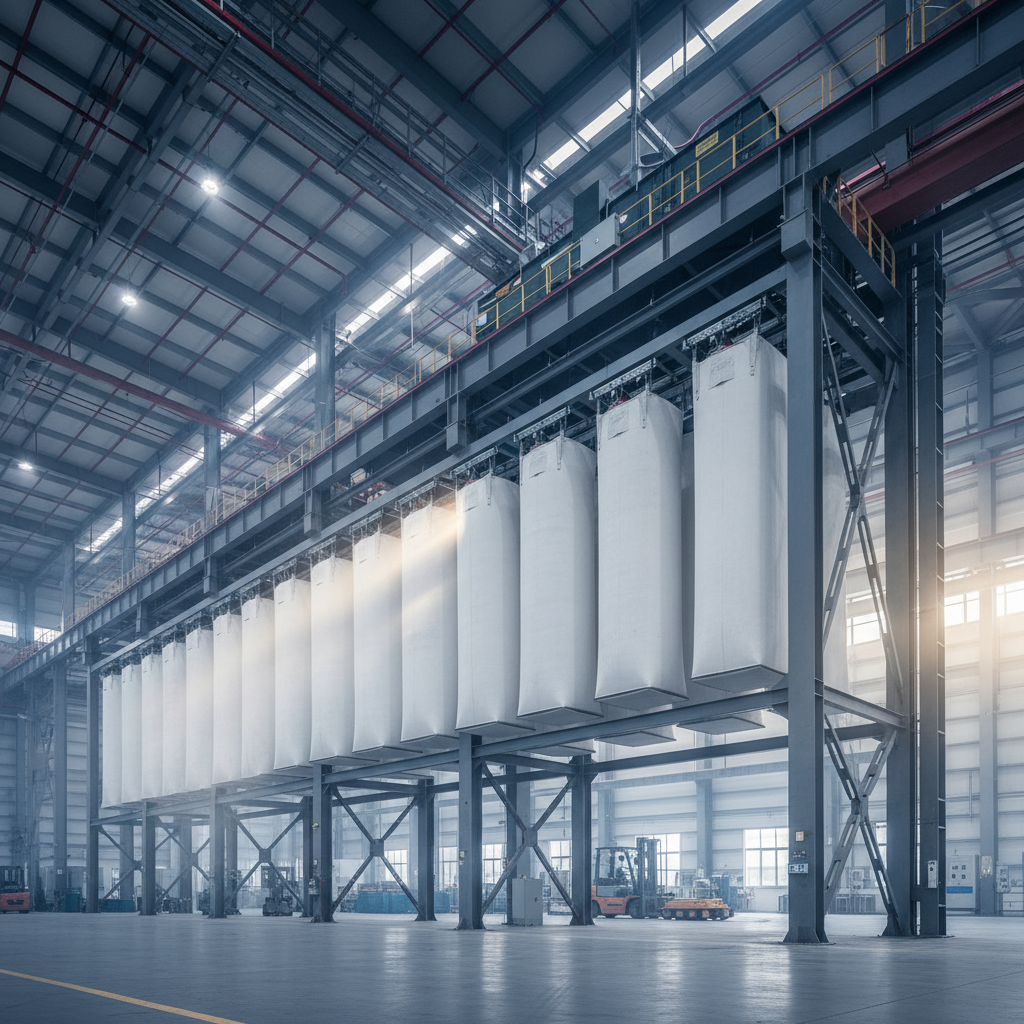
On a lighter note: I heard from a paint shop operator once who affectionately called their new custom inlet filters "little white knights" — a hilarious but fitting nod to how much those filters save their day by day. So, if you’re managing or specifying equipment, take a moment to explore those options. You might be surprised how a small upgrade here makes all the difference.

To sum it up, the landscape of spray booth inlet filters blends traditional reliability with modern customization and materials innovation. No matter your setup, choosing the right filter = better finish quality, less downtime, and ultimately, happier customers.

References:
1. ASTM International standards for air filters
2. UL 900 Fire test of air filters
3. Industry whitepapers on spray booth filtration technology
Share:
Comprehensive Guide to Bulk Furnace Filter Material for Optimal HVAC Performance
Furnace filters are vital for maintaining indoor air quality and ensuring the efficient operation of your heating system. For businesses and large-scale operations, sourcing bulk furnace filter material offers cost savings and convenience. This article will delve into the different types of furnace filter materials available, their applications, benefits of buying in bulk, and factors to consider when making a purchase. We’ll explore how selecting the right material can optimize your HVAC system’s performance and contribute to a healthier environment. Several materials are used in furnace filter construction, each offering varying levels of filtration and airflow. Common options include fiberglass, pleated paper, and electrostatic filters. Fiberglass filters are the most economical, but they offer minimal filtration. Pleated filters, constructed from paper or synthetic material, provide a larger surface area and capture more particles. Electrostatic filters utilize charged fibers to attract and trap airborne contaminants. Understanding the differences is key to selecting the right furnace filter material for your specific needs.
Choosing the Best Bulk Air Filter Media for Optimal Air Quality and System Performance
Selecting the appropriate bulk air filter media is crucial for maintaining air quality in various applications, from HVAC systems to industrial processes. The right media ensures efficient particle removal, protects sensitive equipment, and contributes to a healthier environment. This article will guide you through the different types of air filter media, their applications, and factors to consider when making a purchase. Understanding the nuances of each type will help you choose the most effective and cost-efficient solution for your specific requirements. There's a wide variety of bulk air filter media available, each with its own strengths and weaknesses. Common types include synthetic fibers (polyester, polypropylene), fiberglass, and pleated filters. Synthetic media is often preferred for its consistent quality, low pressure drop, and resistance to moisture. Fiberglass, while cost-effective, can release particles over time. Pleated filters offer a large surface area for efficient particle capture but can have higher pressure drops. The Minimum Efficiency Reporting Value (MERV) rating is a crucial indicator of a filter's ability to capture airborne particles.
Optimizing Filtration Systems with the Right PreFilter Media Selection
Selecting the appropriate pre-filter media is crucial for extending the life of your downstream filters and ensuring efficient filtration processes. This article explores the benefits of pre-filtration, the different types of media available, and how to choose the best option for your specific needs. We'll cover key considerations like particle size, airflow requirements, and cost-effectiveness. Investing in the right pre-filter media protects your valuable equipment and optimizes overall system performance. Pre-filter media acts as the first line of defense in a filtration system, removing larger particles from the air or liquid stream before they reach more sensitive and expensive filters. This significantly extends the lifespan of those downstream filters, reducing replacement costs and downtime. Without pre-filtration, these filters can quickly become clogged, leading to reduced airflow, increased pressure drop, and compromised filtration efficiency. It’s a cost-effective way to maintain system integrity and protect valuable equipment. Think of it as a guard protecting the gatekeeper. Several types of pre-filter media are available, each with its own strengths and weaknesses. Common options include spunbond polyester, polypropylene, pleated filters, and foam filters.

If you are interested in our products, you can choose to leave your information here, and we will be in touch with you shortly.