Paint Stop Filter Media for Spray Booths | High Efficiency

  • Home
  • news
  • Paint Stop Filter Media for Spray Booths | High Efficiency
Paint Stop Filter Media for Spray Booths | High Efficiency
Oct . 23, 2025

If you spend any time around paint lines or body shops, you know the consumable that quietly makes or breaks finish quality: Paint Stop Filter Media. I’ve stood in booths where the floor looked like confetti and yet the finish came out glassy—usually because the media was sized and installed right. This piece pulls together what’s working in the market, what to spec, and how shops are actually using it.
Paint Stop Filter Media for Spray Booths | High Efficiency

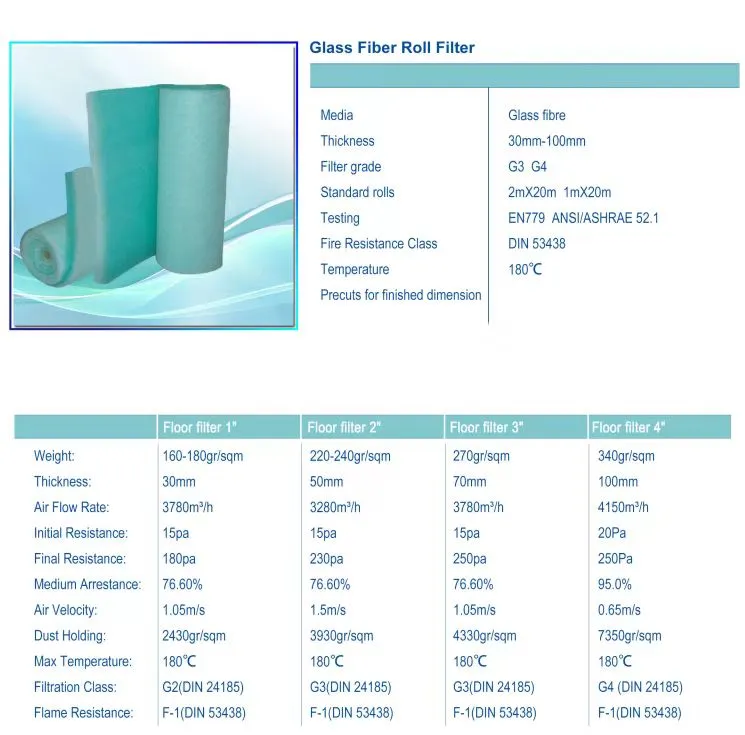
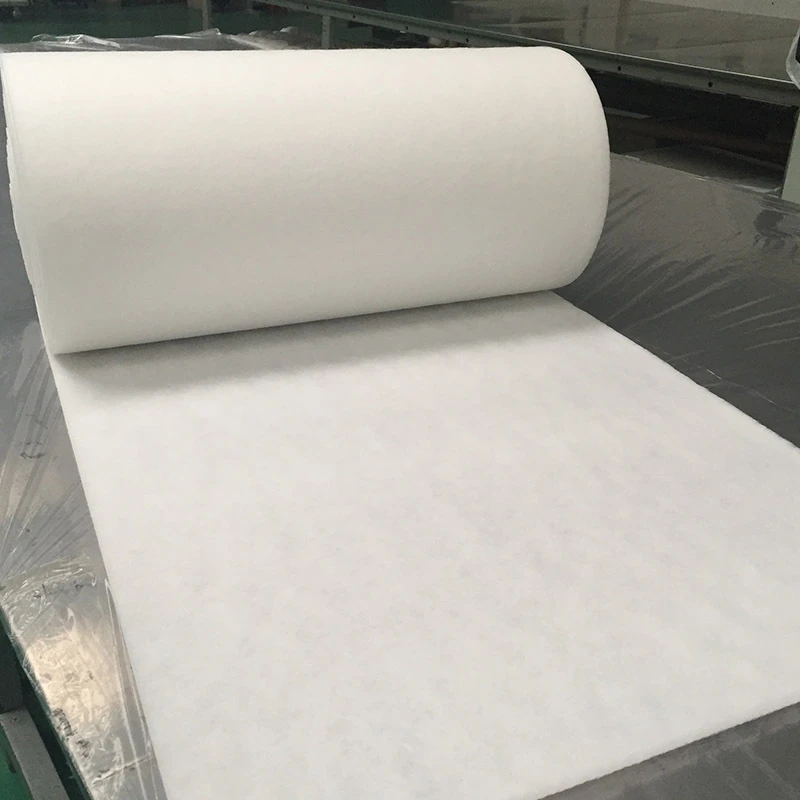
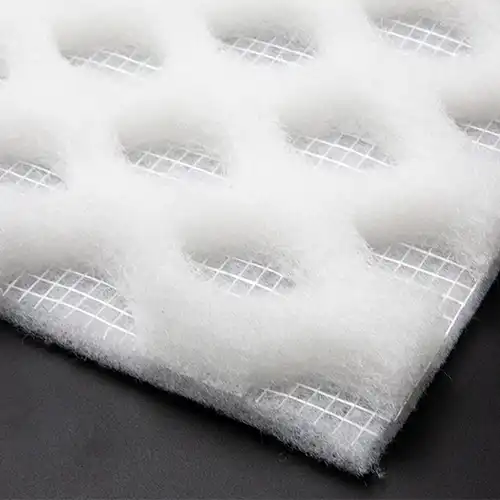
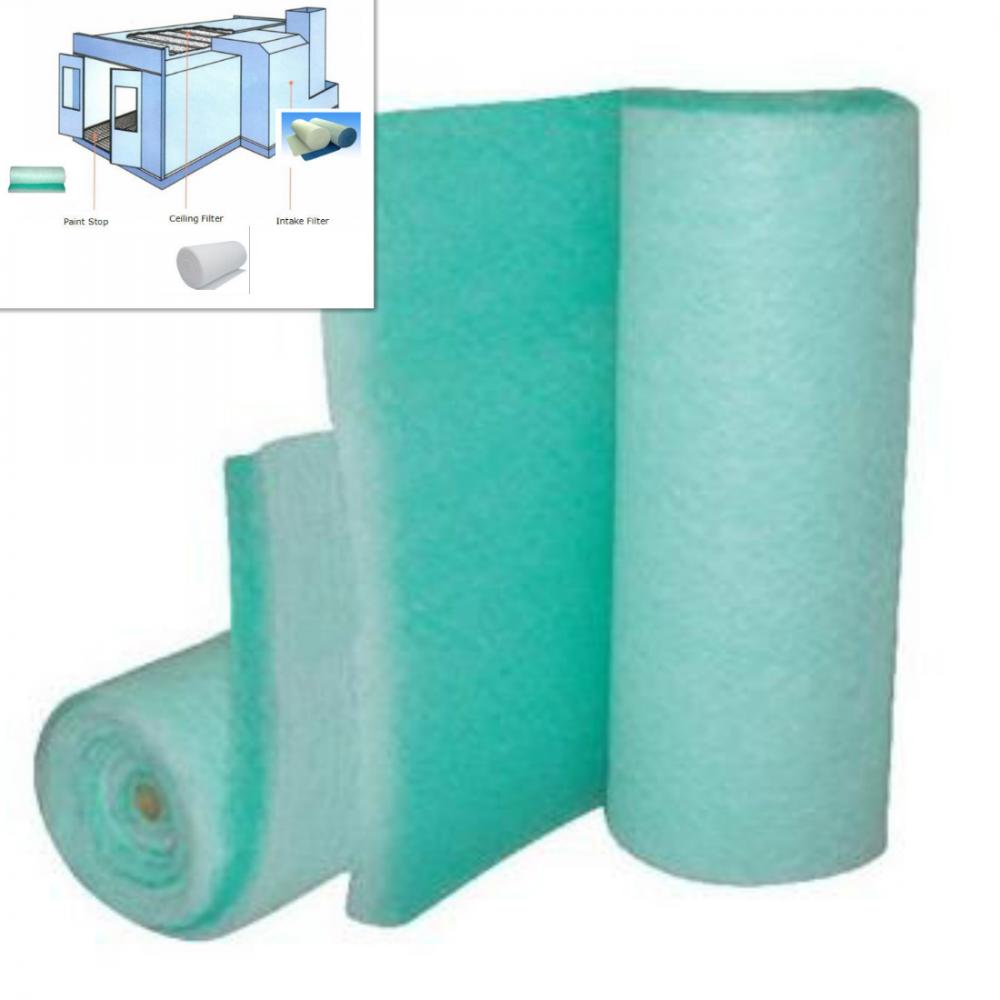
Product snapshot (origin: Second Buliding and Studying No21 shiji street, Handan, Hebei China): glass-fiber arrestor mat, thickness ≈30–100 mm, filter grades G3–G4 (legacy EN 779), standard rolls 2 m × 20 m or 1 m × 20 m, temperature resistance up to 180°C, fire class per DIN 53438. Many customers say it’s a “set and forget” layer for overspray capture—until it’s saturated, of course.
Paint Stop Filter Media for Spray Booths | High Efficiency

Why shops still choose Paint Stop Filter Media

  • Progressive-density glass fiber traps coarse overspray up front, finer particles deeper in the mat.
  • Low initial resistance keeps booth airflow stable; painters actually feel the difference.
  • Fire performance per DIN 53438; compatible with both solvent- and waterborne coatings.
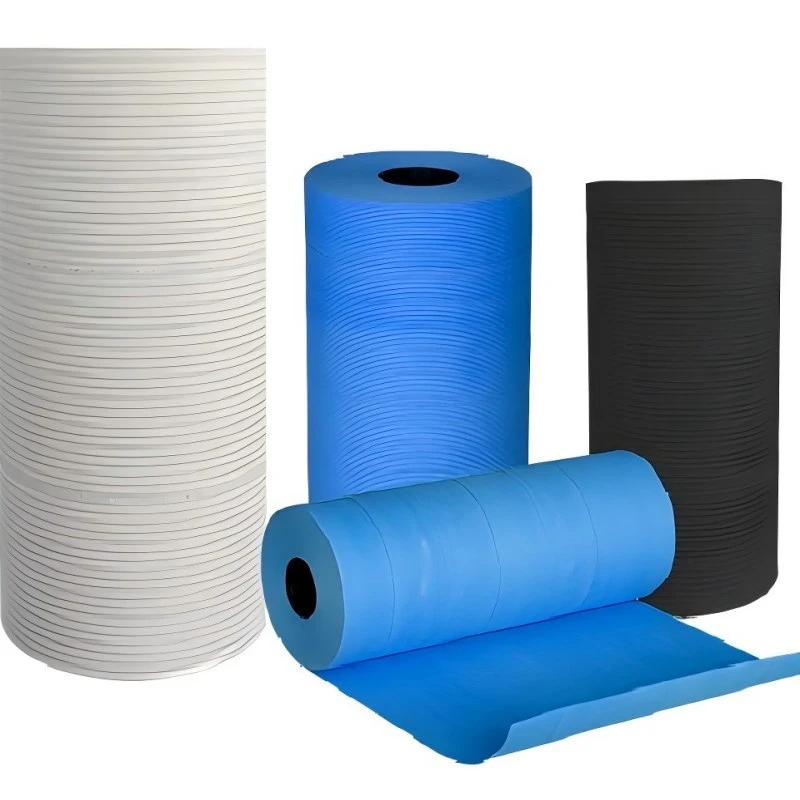
  • Roll formats cut-to-size; easy pad changes reduce downtime. Simple is underrated.
Paint Stop Filter Media for Spray Booths | High Efficiency

Key specifications

Media Glass fiber, progressive density
Thickness ≈30–100 mm (real-world use may vary by batch)
Grade G3–G4 (EN 779 legacy); roughly coarse class under ISO 16890
Roll sizes 2 m × 20 m; 1 m × 20 m (standard)
Temp limit Up to 180°C
Fire class DIN 53438
Initial resistance ≈8–25 Pa at 0.7–1.5 m/s
Overspray arrestance ≈96–99% (application-dependent)
Service life Typically 1–4 weeks in body shops; check pressure rise or visual loading

How it’s made and tested

Materials: random-laid glass fibers with a light resin binder. Process: fiberizing, layering for progressive density, thermal curing, then slitting and rolling. QC: thickness and weight checks; airflow and resistance; arrestance vs synthetic dust (per EN 779 legacy/ASHRAE methodologies); flame behavior per DIN 53438. In fact, some vendors also cross-check against ISO 16890 coarse metrics for consistency.
Paint Stop Filter Media for Spray Booths | High Efficiency

Where it’s used

  • Automotive refinish booths and prep stations
  • Industrial finishing: metal parts, appliances, rail, aerospace, marine
  • Wood finishing lines (varnish, lacquer, waterborne)

Case notes: a Tier-2 metal finisher cut booth downtime 18% by switching to thicker Paint Stop Filter Media in high-load zones; a body shop chain reported fewer nib defects and steadier airflow after tightening pad change intervals to 2 weeks. Honestly, it’s usually the schedule, not the media, that drifts.

Paint Stop Filter Media for Spray Booths | High Efficiency

Vendor snapshot and customization

Customization typically includes roll width, pad pre-cuts, and thickness selection. Some facilities mix grades: G4 ceiling intake + thick booth-floor Paint Stop Filter Media to balance airflow and arrestance.

Vendor Thickness range Certs/claims Lead time Notes
FiltersMaterial (Hebei) ≈30–100 mm DIN 53438; EN 779 G3–G4 ≈7–15 days Standard 2×20 m and 1×20 m rolls
Vendor A (EU) ≈50–75 mm ISO 16890 coarse reference ≈10–20 days Pre-cut pad service
Vendor B (US) ≈25–100 mm ASHRAE test data Stock-dependent OEM booth kits
Paint Stop Filter Media for Spray Booths | High Efficiency

Practical tips (learned the hard way)

  • Track pressure rise; swap media when ΔP increases ≈2–3× from clean, or when surface visibly skins over.
  • Seal edges and seams—leakage around great media is still lousy filtration.
  • Match thickness to paint load: heavy primer days = thicker mat or more frequent changeouts.

Citations

  1. ISO 16890 Air filters for general ventilation
  2. DIN 53438 Testing of combustible materials; filter media fire behavior
  3. OSHA 1910.107 Spray finishing using flammable materials
  4. NFPA 33 Spray Application Using Flammable or Combustible Materials
Share:
High Efficiency Industrial Filter Pockets for Better Air Quality
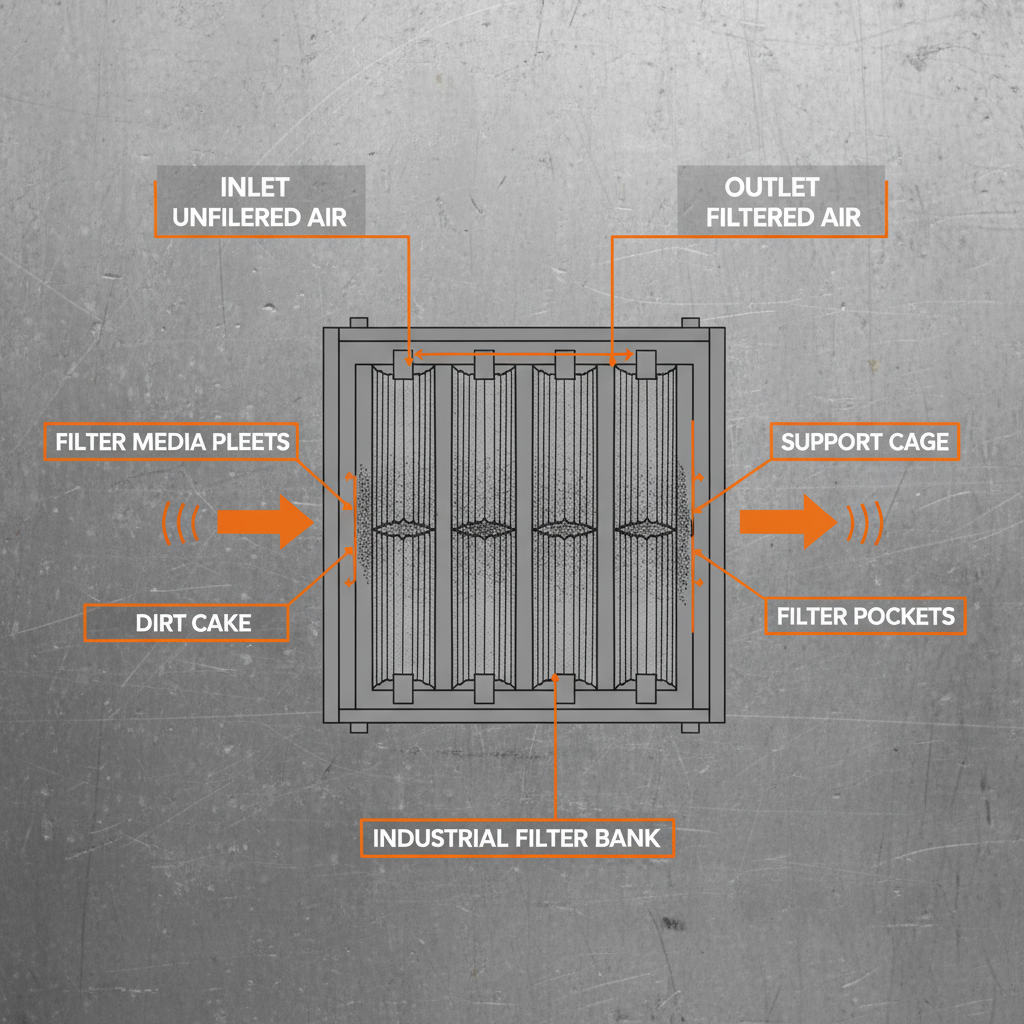
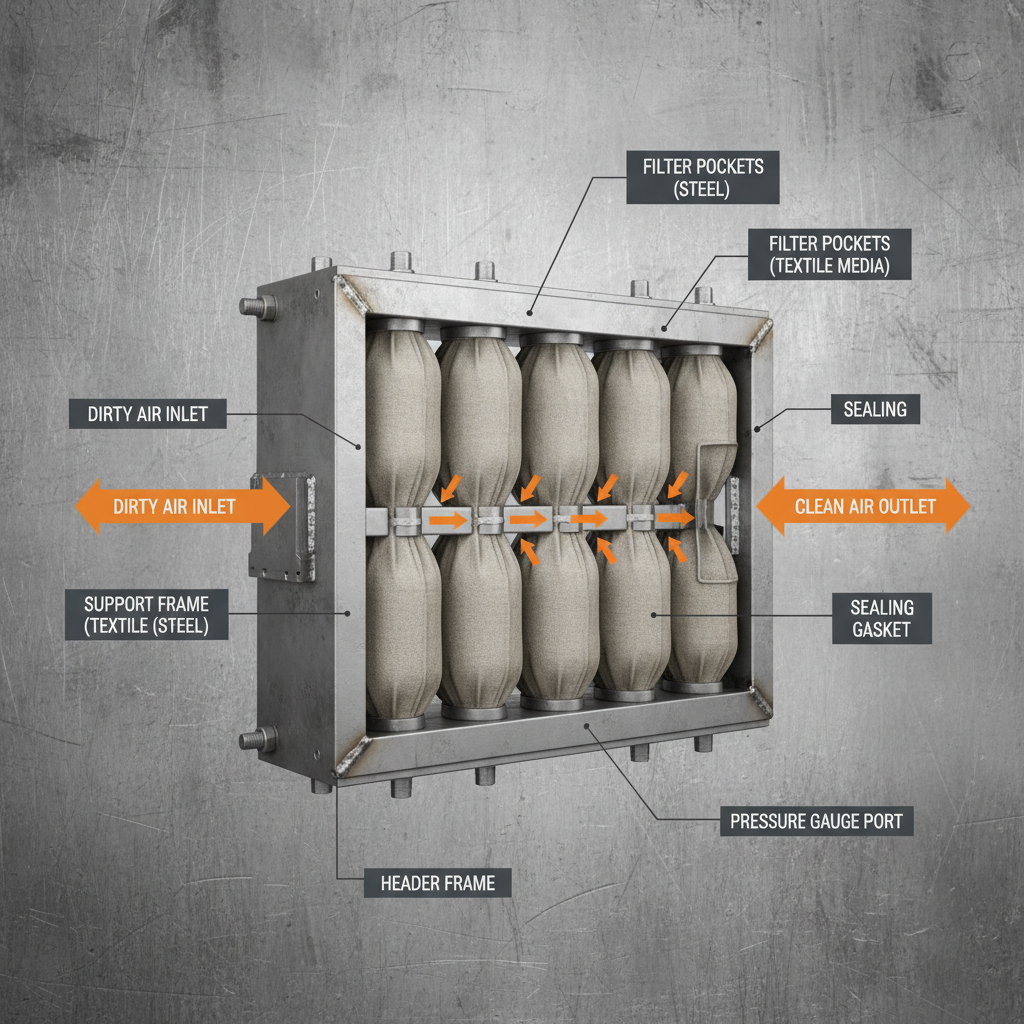
In the realm of industrial air filtration, maintaining air quality is not just about compliance—it is about operational efficiency and health. filter pockets serve as a critical component in HVAC systems and industrial ventilation, designed to capture airborne particulates while maintaining a high flow rate. Whether you are managing a pharmaceutical cleanroom or a large-scale manufacturing plant, understanding the nuances of pocket filter technology can lead to significant energy savings and improved indoor air quality. This guide provides a deep dive into how these filters work, their specifications, and how to choose the right one for your facility.
Industrial Air Purification Guide for the F8 Bag Filter
In the realm of industrial air purification, precision and efficiency are the cornerstones of a healthy working environment. The f8 bag filter serves as a critical component in multi-stage filtration systems, designed specifically to capture fine particulate matter before air reaches more sensitive high-efficiency filters. Whether you are managing a pharmaceutical cleanroom, a food processing plant, or a high-tech manufacturing facility, understanding the mechanics and benefits of F8 rated filtration is essential. This guide provides a professional deep dive into why this specific grade of filtration is indispensable for modern industrial standards.
Comprehensive Guide to Pocket Filters for Optimal Air Quality and Performance
Pocket filters are a widely used air filtration solution across various industries. They are known for their efficiency in capturing particles and protecting sensitive equipment. This article provides a detailed look into pocket filters, exploring their functionality, applications, advantages, and how to choose the right filter for your specific needs. Whether you're involved in HVAC systems, manufacturing, or general air quality control, understanding pocket filters is crucial for maintaining optimal performance and a healthy environment.

If you are interested in our products, you can choose to leave your information here, and we will be in touch with you shortly.