Paint booth tacky intake filters might sound like a niche industrial term, but they punch way above their weight in importance. These sticky, lightweight filters play a critical role in keeping paint booths clean, ensuring high-quality finishes for vehicles, machinery, and countless manufactured goods worldwide. And beyond just quality control, they contribute to worker safety and environmental protection — two issues that resonate globally as industries push to be greener and more efficient. Understanding these filters, what they do, and why they’re chosen isn’t just for engineers; anyone invested in manufacturing, automotive refinishing, or industrial hygiene will find this topic fascinating.
Quick takeaway: Paint booth tacky intake filters are unsung heroes that protect products, people, and planet — all while sticking around quietly in the background.
Across the globe, paint finishing processes represent a multi-billion-dollar sector, spanning automotive plants in Germany, aerospace workshops in the U.S., and industrial spray booths in emerging markets. According to ISO standards on air filtration and occupational safety, contaminants entering these booths reduce paint quality and increase environmental emissions, leading to costly reworks and regulatory headaches.
Moreover, governments and organizations alike have prioritized air quality and waste reduction in manufacturing. The World Bank reports that industrial pollution reduction initiatives, paired with advanced filtration solutions, can cut waste emissions by up to 30% in some regions. Here’s where paint booth tacky intake filters come into play: by capturing dust and airborne particles before they contaminate delicate painted surfaces — protecting finish quality and helping companies comply with environmental protocols.
In short, they address a fundamental challenge: how to maintain impeccable paint finishes while balancing environmental and workplace safety demands. That balance is no easy feat anywhere, but especially in places with high production volumes or tight regulatory environments.
Mini takeaway: Tack filters act as frontline defenders in a global effort to raise industrial quality and reduce pollution — a small solution with a widespread ripple effect.
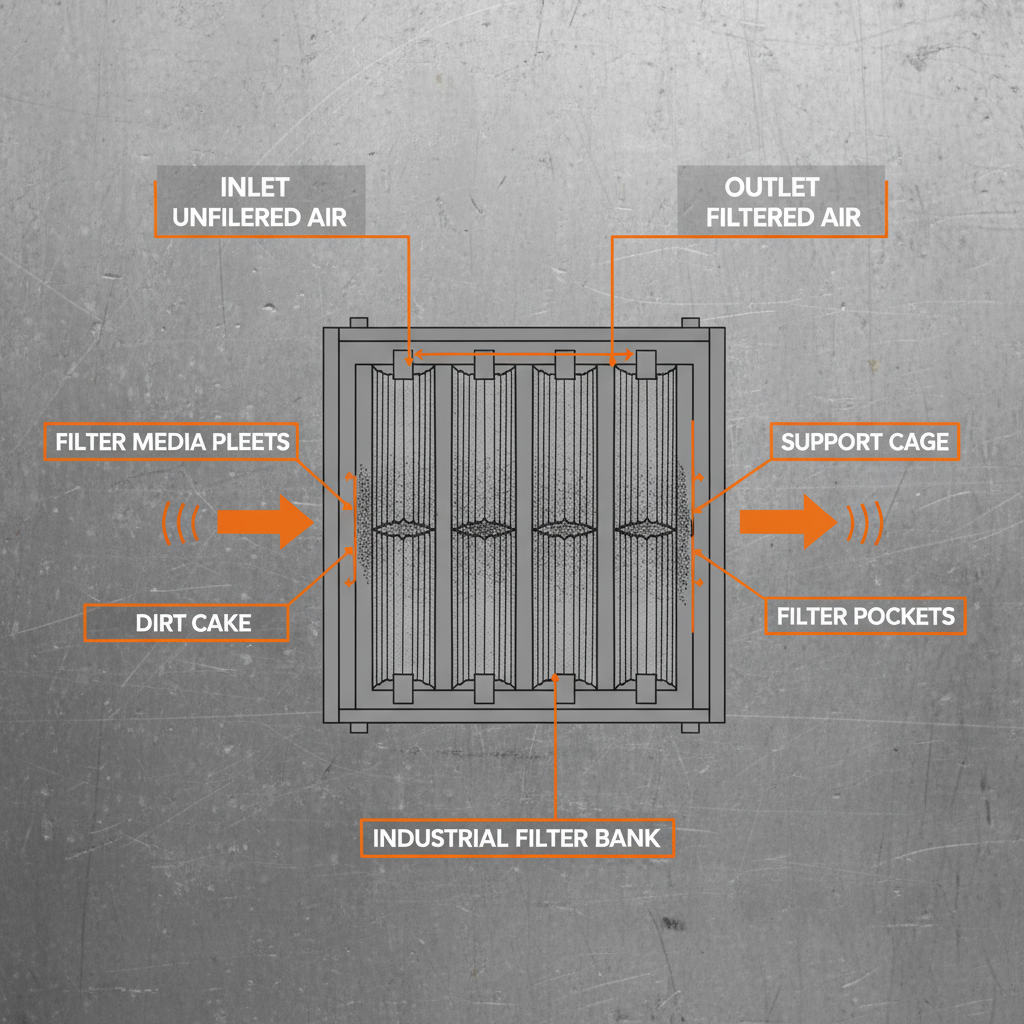
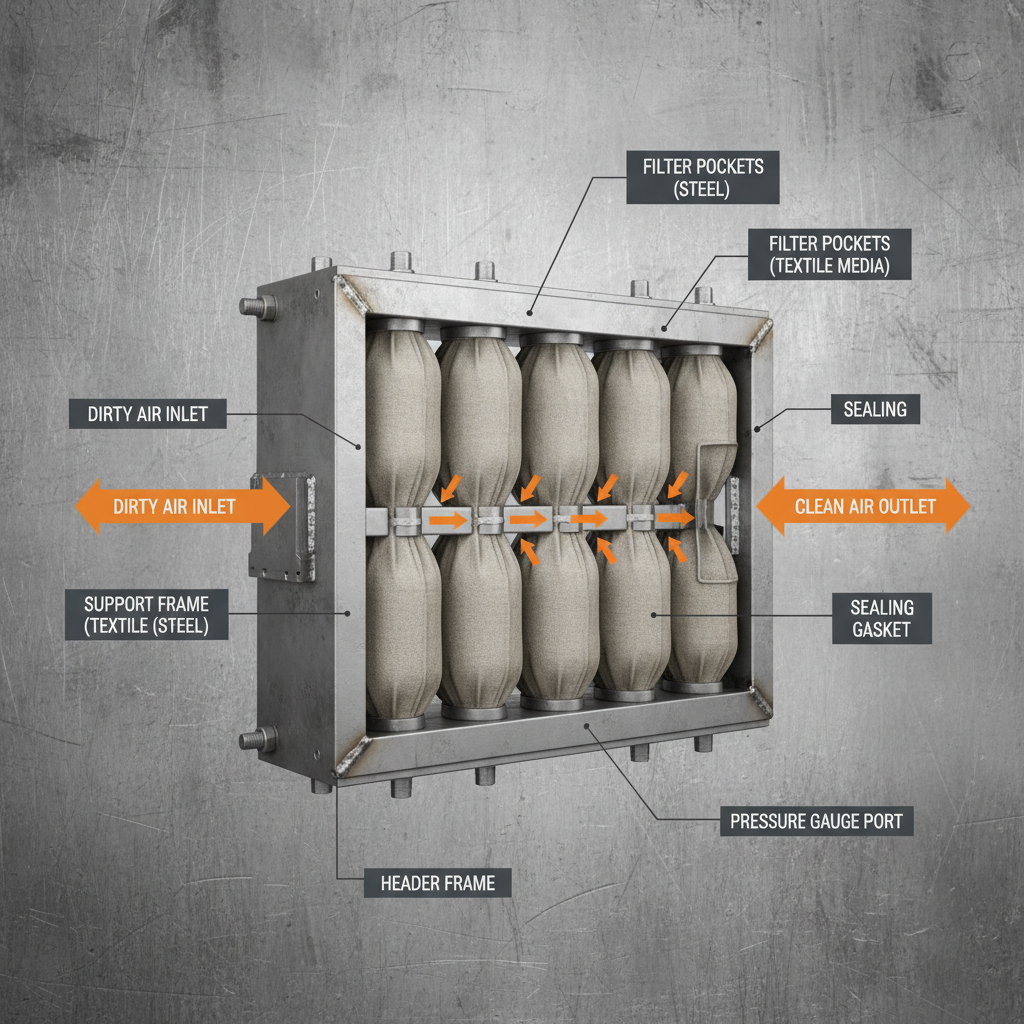
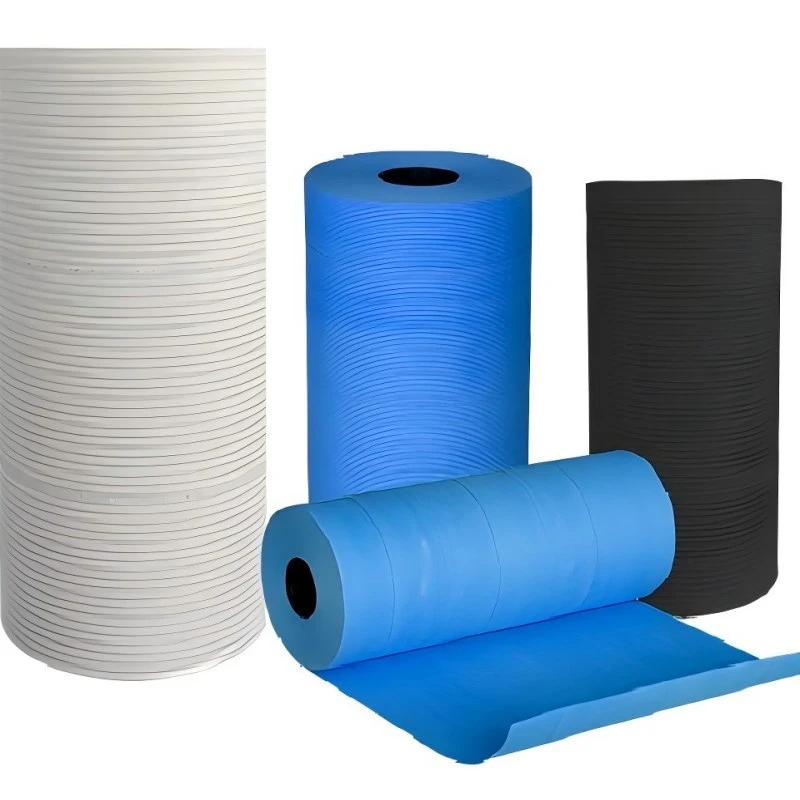
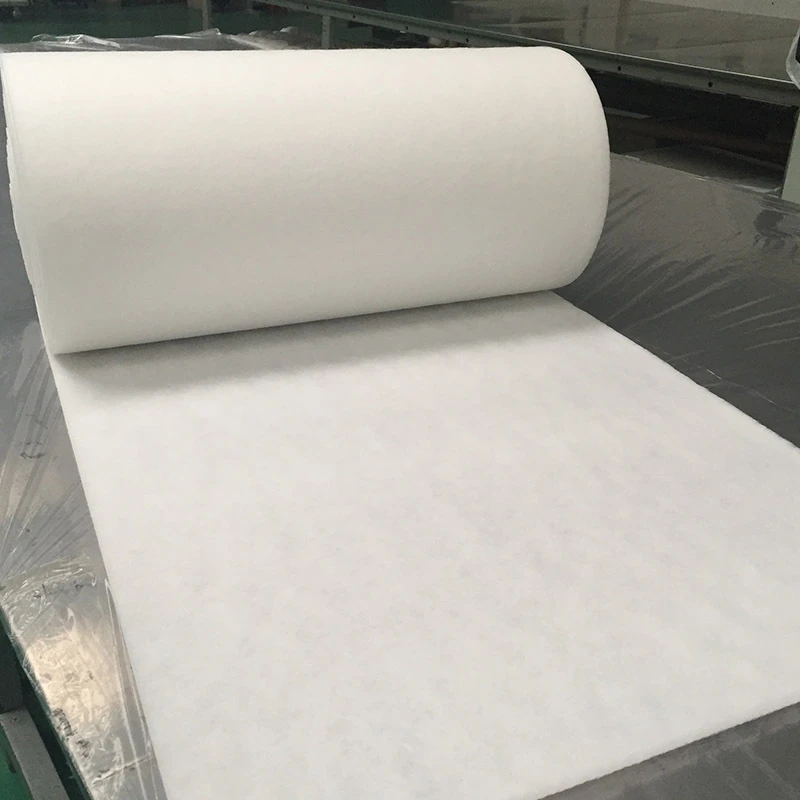
Simply put, paint booth tacky intake filters are sticky sheets or rolls that are installed at air intake points of paint spray booths. Their “tacky” surface is coated with a gentle adhesive that traps dust, lint, and other airborne debris before it enters the paint booth environment. Since even the tiniest speck can ruin the perfect glaze of paint, these filters prevent imperfections like pimples, craters, or fisheyes caused by contamination.
They aren’t just about aesthetic: many industries depend on precise paint applications for corrosion resistance or chemical barriers, so the stakes are high. In humanitarian or emergency vehicle refurbishing, for example, paint booth intake filters indirectly support reliability and safety of critical equipment. This subtle yet impactful technology is a cornerstone of modern paint application — marrying simple science with refined manufacturing.
Mini takeaway: Paint booth tacky intake filters are sticky shields that catch the smallest threats to smooth paint jobs — simple tech with a big impact.
The heart of these filters is their gently sticky coating. Unlike harsh glues, the tack used is carefully formulated to hold contaminants without damaging or shedding itself inside the booth. The challenge here is balance: too sticky and paint overspray sticks to the filter (wasteful); not sticky enough and particles pass through. This subtle chemistry is often technology-protected by filter manufacturers.
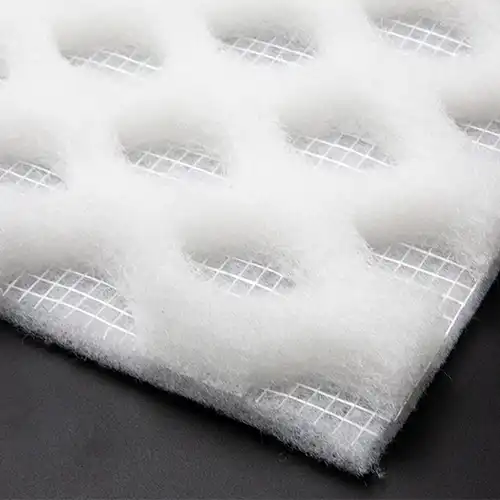
They usually consist of lightweight paper or synthetic media that must withstand airflows and sometimes varying humidity without tearing or crumbling. Durability here means longer service life and less downtime replacing filters mid-job.
Because paint booths come in all shapes and sizes, these filters are offered in various dimensions or supplied as rolls you can cut to fit. This flexibility lets facilities of all sizes maintain optimal filtration — from small repair shops to large automotive paint lines.
For practical use, filters must be quick and clean to install and remove. Many come with peel-and-stick backing or frame compatibility for hassle-free swaps, which is crucial in busy plant environments.
Compared to more complex filtration systems, tacky intake filters are cost-effective. They are often the first line in a layered filtration approach, offering substantial protection without major capital expense.
| Specification | Typical Range / Value | Notes |
|---|---|---|
| Media Type | Synthetic or Paper | Depends on application environment |
| Adhesive Type | Non-toxic, solvent-based or water-based | Balance tackiness with overspray resistance |
| Filter Thickness | 2-5 mm | Ensures structural stability |
| Standard Sizes | 24"x24", Rolls of 20", 24", 32" width | Custom cuts available on demand |
| Operating Temp | -10°C to 50°C (14°F to 122°F) | Typical booth ambient conditions |
This technology finds its footing in nearly every paint-intensive industry worldwide:
Interestingly, NGOs have also adopted paint booths using tacky intake filters to refurbish vehicles and medical equipment in developing countries–a practical step toward sustainable aid.
Mini takeaway: These filters quietly support both mass production giants and community-level operations around the world, proving their versatility.
Let’s be frank: There are more convoluted filtration systems out there, but paint booth tacky intake filters hold several decisive advantages:
Moreover, the peace of mind knowing your finishes are consistent fosters trust among customers and boosts brand reputation. It’s a mix of logic and emotion that keeps many plants choosing tacky filters rather than taking riskier shortcuts.
Mini takeaway: Investing in these filters pays off not only in dollars saved but in safety, sustainability, and pride in craftsmanship.
The paint booth filter market is evolving fast. Advanced materials like biodegradable tack layers are emerging, reducing landfill waste. Digital monitoring sensors now allow real-time tracking of filter saturation and airflow impact, a part of the broader Industry 4.0 trend.
Automated filter replacement systems, while still cutting-edge, are starting to surface in large-scale operations, trimming labor costs and downtime. And with a global push for greener manufacturing, expect more filters designed to minimize VOC emissions and recycle overspray.
So the humble tacky intake filter is quietly stepping into an era of smarter, cleaner, and more sustainable industrial production.
Of course, every solution has its hurdles. Common challenges include:
- Overspray sticking to the filter reducing its lifespan.
- Difficulty fitting filters exactly in custom booths.
- Disposal and environmental impacts of used filters.
Manufacturers and users tackle these with tailored adhesive formulas, customizable sizes, and emerging recycling programs. Companies are exploring reusable tacky media and less chemically harsh adhesives, too. I suppose the most important thing is balancing performance without added complexity or cost — easier said than done.
While they might seem deceptively simple, paint booth tacky intake filters underpin a vast range of industries by ensuring clean air and flawless finishes. Their global reach, environmental benefits, and cost-effective application make them indispensable tools in modern painting operations. As manufacturing advances toward smarter, greener solutions, these sticky sheets are evolving too — quietly but crucially holding the line against contamination.
For anyone interested in keeping their paint jobs pristine or improving industrial air quality, exploring the options in paint booth tacky intake filters is a smart move. Ready to learn more or find your perfect fit? Visit our website and elevate your paint booth’s performance today.
| Vendor | Product Range | Lead Time | Customization Options | Sustainability Initiatives | Typical Price per Unit |
|---|---|---|---|---|---|
| FilterPro Solutions | Wide (rolls, sheets, frames) | 1-2 weeks | Yes, cut-to-size, adhesive options | Biodegradable coatings, recycling program | $15-25 |
| CleanAir Tech | Standard sheets & panels | 3-5 days (stocked) | Limited custom sizes | Focus on low VOC adhesives | $12-20 |
| EcoFilter Corp | Niche eco-friendly rolls | 2-3 weeks | Yes, emphasis on sustainability | Compostable media, zero-waste packing | $18-30 |