Oil-Water Separation Filter Paper | Efficient & Durable

  • Home
  • news
  • Oil-Water Separation Filter Paper | Efficient & Durable
Oil-Water Separation Filter Paper | Efficient & Durable
Oct . 21, 2025

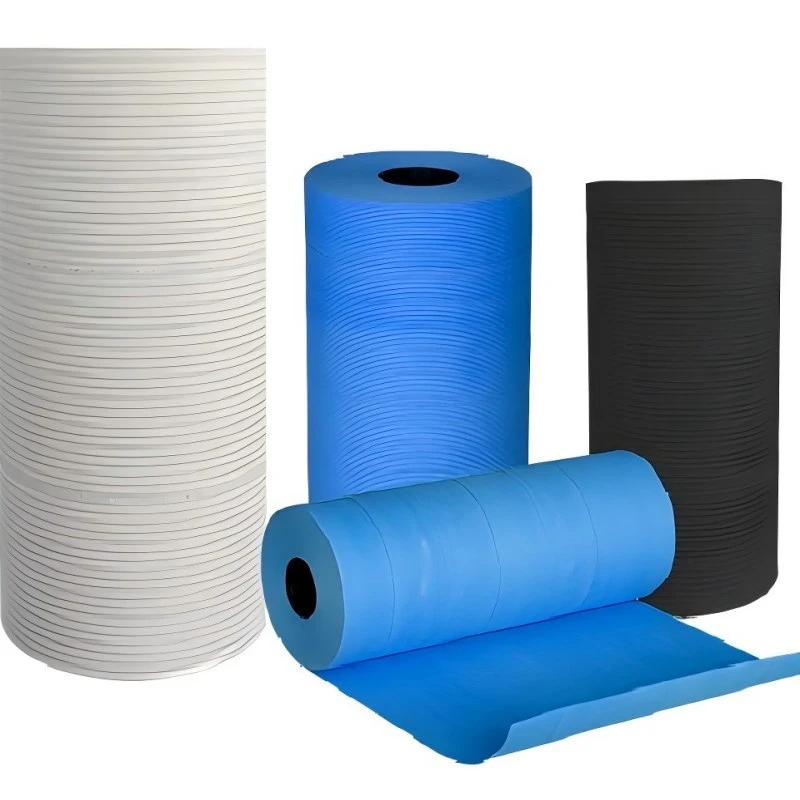
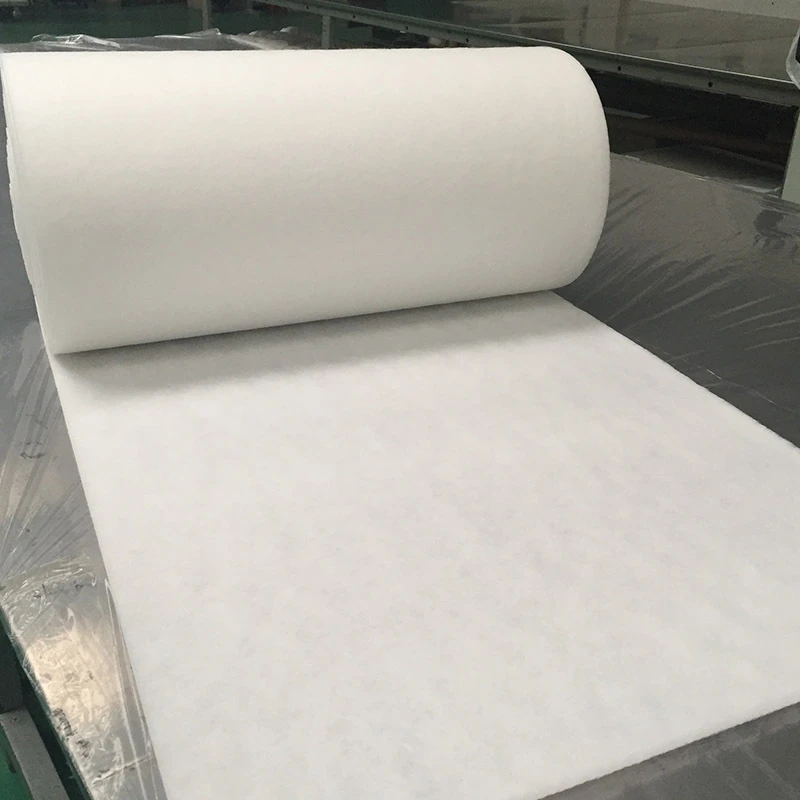
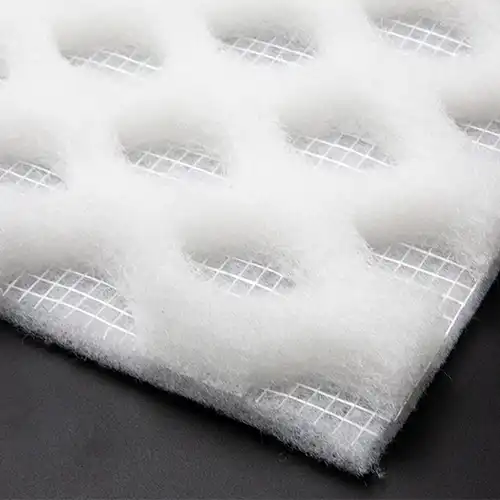
If you spend time around fuel polishing rigs or fleet maintenance shops, you hear the same thing: water is the quiet saboteur. That’s why Oil-water Separation Filter Paper has gone from niche to necessity. The unit I looked at most recently—Laminated Filter Paper Fuel and Water Separation, produced in Second Buliding and Studying No21 shiji street, Handan, Hebei China—uses a layered stack (phenolic paper + melt-blown PBT non-woven laminates) aimed at diesel fuel fine filtration and, crucially, coalescing/separation of water. To be honest, the uptick in biodiesel blends makes this more relevant than ever.

Oil-Water Separation Filter Paper | Efficient & Durable

What’s driving demand

ULSD, tighter OEM injector tolerances, and cold-flow challenges, actually. Many customers say they see recurring codes tied to water-in-fuel sensors after rainy weeks. It seems that robust coalescer media is now a baseline feature for fleet fuel systems, marine bunkering, and standby gensets.

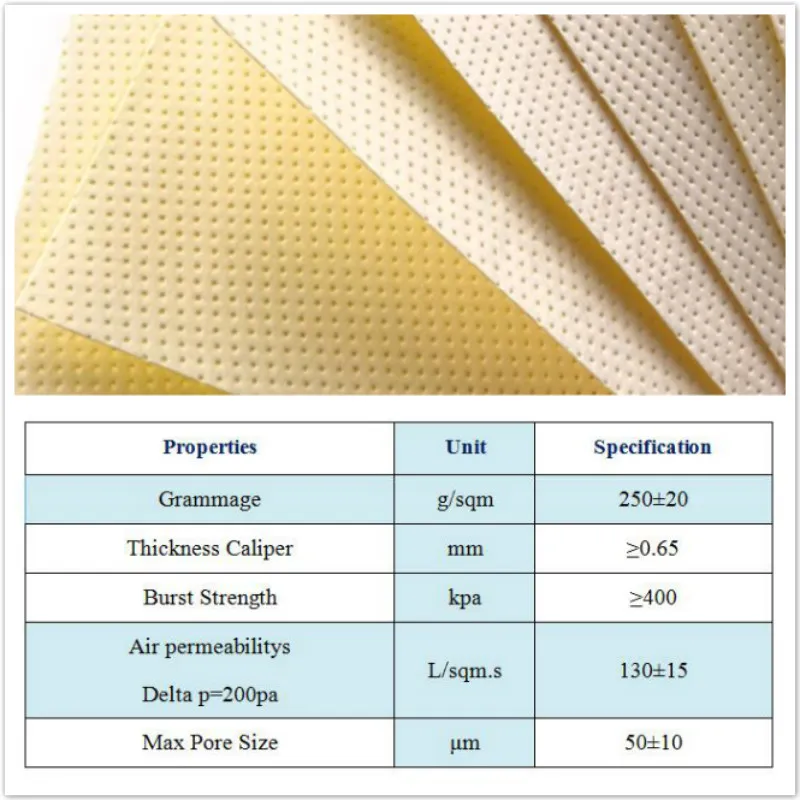
Product specifications (typical)

Construction Laminated phenolic-impregnated cellulose + melt-blown PBT non-woven
Basis weight ≈120–200 g/m² (real-world use may vary)
Thickness ≈0.5–1.2 mm
Mean flow pore size ≈8–20 µm (media level)
Water separation (SAE J1488) ≈95–99% free water removal in diesel, depending on fuel chemistry
Burst strength ≈150–300 kPa (media test)
Temperature range -20 to 120 °C (fuel duty)
Recommended service life Up to 6–12 months or ΔP limit; water load dependent
Roll width / customization Up to ≈1000 mm; custom caliper, resin level, and pleatability available

How it’s made (quick process flow)

  • Materials: phenolic-impregnated cellulose base; melt-blown PBT non-woven coalescer layer.
  • Methods: resin impregnation → melt-blown fiber laydown → thermal lamination → calendaring → slit/rewind.
  • Testing: SAE J1488 water separation; ISO 16889 multi-pass (particle efficiency); ISO 3968 ΔP; ISO 2943 fluid compatibility.
  • Service life: driven by water load, fine solids, and differential pressure profile.
  • Industries: diesel fleets, marine, gensets, mining, bulk storage polishing.
Oil-Water Separation Filter Paper | Efficient & Durable

Where it fits and why it works

Use Oil-water Separation Filter Paper upstream of injectors (or as the coalescer in a duplex housing). Advantages include fast water drop growth, stable pleat geometry, and consistent ΔP. Surprisingly, performance swings with fuel surfactants; always validate on your actual diesel blend.

Vendor snapshot (indicative)

Vendor Media construction SAE J1488 eff. (≈) Customization Lead time
Filtersmaterial (Handan, China) Phenolic + melt-blown PBT laminate 95–99% Width, caliper, resin level ≈2–4 weeks
Parker Hannifin (media) Proprietary coalescer stacks 95–99% Application-specific Varies
Ahlstrom-Munksjö Cellulose/synthetic composites ≈90–99% Broad portfolio Varies

Tip: ask for a J1488 test curve on your actual fuel (with/without FAME and additive pack).
Customization, QA, and field notes

  • Customization: pleatability tuning, hydrophobic/hydrophilic balance, and resin level optimization for cold starts.
  • Certifications: ISO 9001 QMS; RoHS/REACH statements; Certificate of Analysis per lot.
  • Customer feedback: “less water alarms during monsoon season”; “stable ΔP until near end-of-life.”
Oil-Water Separation Filter Paper | Efficient & Durable

Mini case studies

  • Marine tug fleet: swapped to Oil-water Separation Filter Paper, J1488-validated; free-water discharge dropped ≈70% and injector replacements declined over 2 quarters.
  • Mine site gensets: bulk tank polishing added coalescer stage; sight-glass water bottoms fell from daily to weekly drains.

Bottom line: if diesel reliability matters, Oil-water Separation Filter Paper is not just a spec line—it’s cheap insurance against downtime.

  1. SAE J1488: Fuel/Water Separation Test for Diesel Fuel/Water Separators. SAE International.
  2. ISO 16889: Hydraulic fluid power—Filter elements—Multi-pass method for evaluation of filtration performance. ISO.
  3. ISO 2943: Hydraulic fluid power—Filter elements—Verification of material compatibility with fluids. ISO.
  4. ISO 3968: Hydraulic fluid power—Filters—Evaluation of pressure drop versus flow characteristics. ISO.
Share:
High Efficiency Industrial Filter Pockets for Better Air Quality
In the realm of industrial air filtration, maintaining air quality is not just about compliance—it is about operational efficiency and health. filter pockets serve as a critical component in HVAC systems and industrial ventilation, designed to capture airborne particulates while maintaining a high flow rate. Whether you are managing a pharmaceutical cleanroom or a large-scale manufacturing plant, understanding the nuances of pocket filter technology can lead to significant energy savings and improved indoor air quality. This guide provides a deep dive into how these filters work, their specifications, and how to choose the right one for your facility.
Industrial Air Purification Guide for the F8 Bag Filter
In the realm of industrial air purification, precision and efficiency are the cornerstones of a healthy working environment. The f8 bag filter serves as a critical component in multi-stage filtration systems, designed specifically to capture fine particulate matter before air reaches more sensitive high-efficiency filters. Whether you are managing a pharmaceutical cleanroom, a food processing plant, or a high-tech manufacturing facility, understanding the mechanics and benefits of F8 rated filtration is essential. This guide provides a professional deep dive into why this specific grade of filtration is indispensable for modern industrial standards.
Comprehensive Guide to Pocket Filters for Optimal Air Quality and Performance
Pocket filters are a widely used air filtration solution across various industries. They are known for their efficiency in capturing particles and protecting sensitive equipment. This article provides a detailed look into pocket filters, exploring their functionality, applications, advantages, and how to choose the right filter for your specific needs. Whether you're involved in HVAC systems, manufacturing, or general air quality control, understanding pocket filters is crucial for maintaining optimal performance and a healthy environment.

If you are interested in our products, you can choose to leave your information here, and we will be in touch with you shortly.