In the modern era of urban development and industrialization, the quality of indoor air has become a critical priority for public health and operational efficiency. media filters air conditioning serve as the primary defense mechanism in HVAC systems, capturing airborne particulates, allergens, and harmful pollutants before they circulate through living and working spaces. Understanding the nuance of filter media is not just about maintenance; it is about ensuring an environment that promotes respiratory health and protects sensitive electronic equipment.
Globally, the demand for advanced filtration has surged as cities grapple with increasing smog and volatile organic compounds (VOCs). The integration of high-performance synthetic and composite materials into media filters air conditioning allows for a delicate balance between high capture efficiency and low pressure drop, which directly impacts the energy consumption of cooling systems. As global standards like ISO 16890 redefine how we measure filter performance, the industry is shifting toward smarter, more sustainable materials.
For facility managers and engineers, selecting the right medium—whether it be fiberglass, meltblown, or activated carbon composites—can mean the difference between a costly system failure and a streamlined, energy-efficient operation. By focusing on the science of the media, we can transition from reactive filter replacement to a strategic approach to air quality management, ensuring that air conditioning systems perform their primary role: providing clean, safe, and comfortable air.
Global Industry Context of Air Conditioning Media
The global landscape for media filters air conditioning is currently undergoing a massive transformation driven by stringent environmental regulations and a heightened awareness of indoor air quality (IAQ). With the World Health Organization highlighting the risks of fine particulate matter (PM2.5), the industrial shift toward HEPA and ULPA-grade composite media has accelerated. This is particularly evident in rapidly urbanizing regions of Asia and North America, where the density of commercial skyscrapers demands highly efficient air handling units.
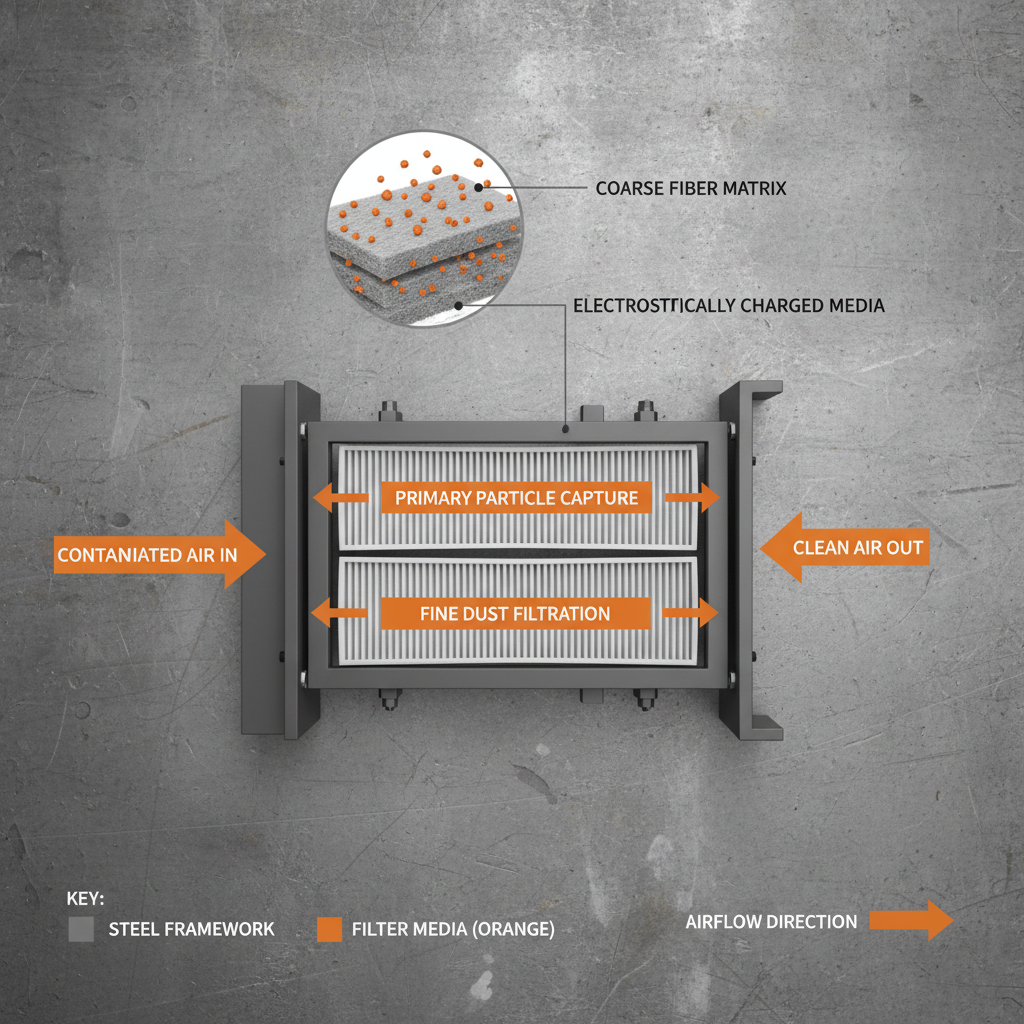
The primary challenge facing the industry today is the "Efficiency-Energy Paradox." While denser filter media can trap smaller particles, they often increase the static pressure within the HVAC system, forcing fans to work harder and consuming more electricity. This has led to a surge in research into synthetic non-woven materials and electrostatically charged fibers, which allow air to flow more freely while maintaining a high capture rate for microscopic contaminants.
Defining Media Filters in HVAC Systems
In simple technical terms, media filters air conditioning refer to the porous materials—ranging from glass fibers to synthetic polymers—that are placed within a frame to intercept particles from the air stream. Unlike simple screens, these media use complex mechanisms such as interception, impaction, and diffusion to trap everything from large dust clumps to sub-micron bacteria.
The connection to modern industry is profound; without these materials, the cleanrooms required for semiconductor fabrication or the sterile environments of pharmaceutical labs would be impossible to maintain. The media acts as a selective barrier, ensuring that the air delivered to the environment is stripped of contaminants that could compromise product integrity or human health.
Beyond high-tech labs, these filters are the heartbeat of residential and commercial comfort. By utilizing materials like meltblown synthetic composite media, modern air conditioners can filter out pet dander, pollen, and smoke, transforming a basic cooling machine into a comprehensive health tool for the occupants of a building.
Key Factors for High-Performance Filtration
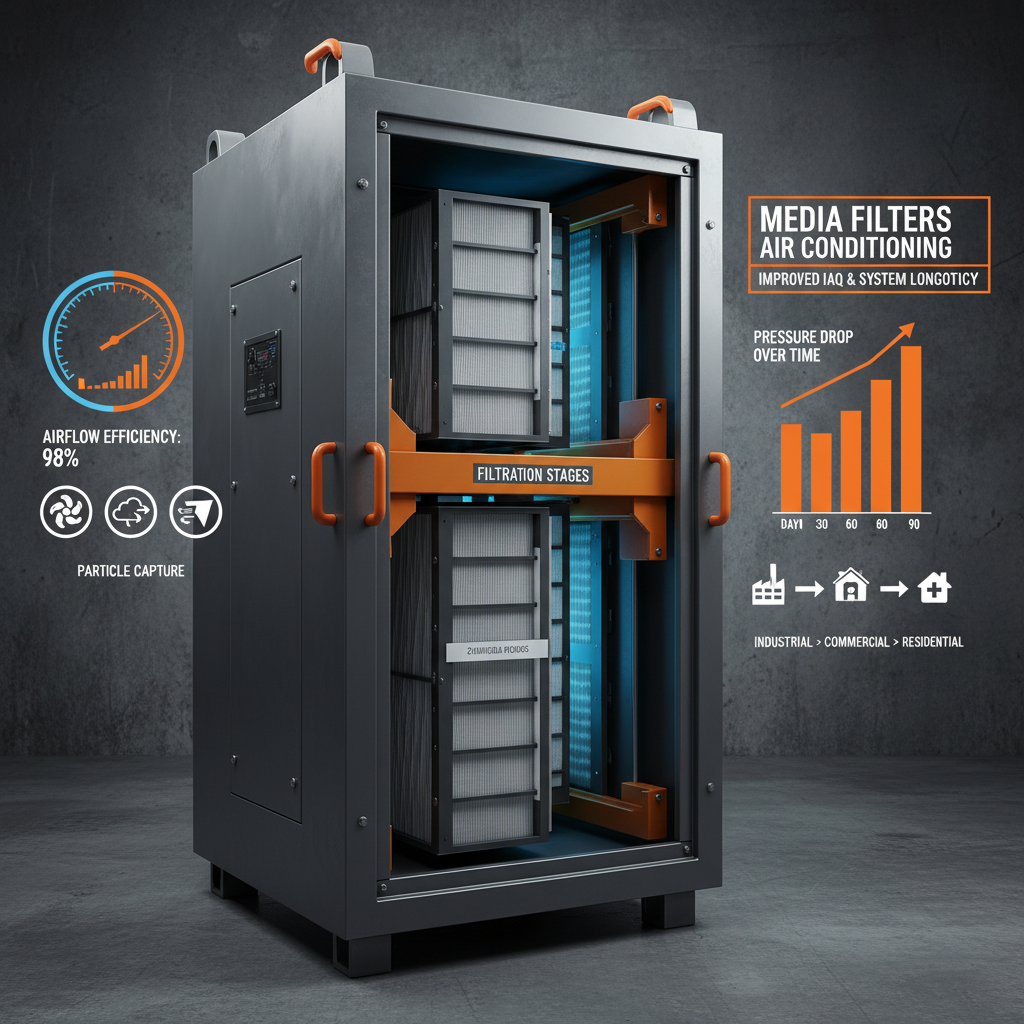
One of the most critical aspects of media filters air conditioning is Pressure Drop (Resistance). A high-quality filter must minimize the energy required to push air through the medium. If the resistance is too high, the HVAC system's blower motor can overheat or fail prematurely, leading to increased operational costs and reduced airflow.
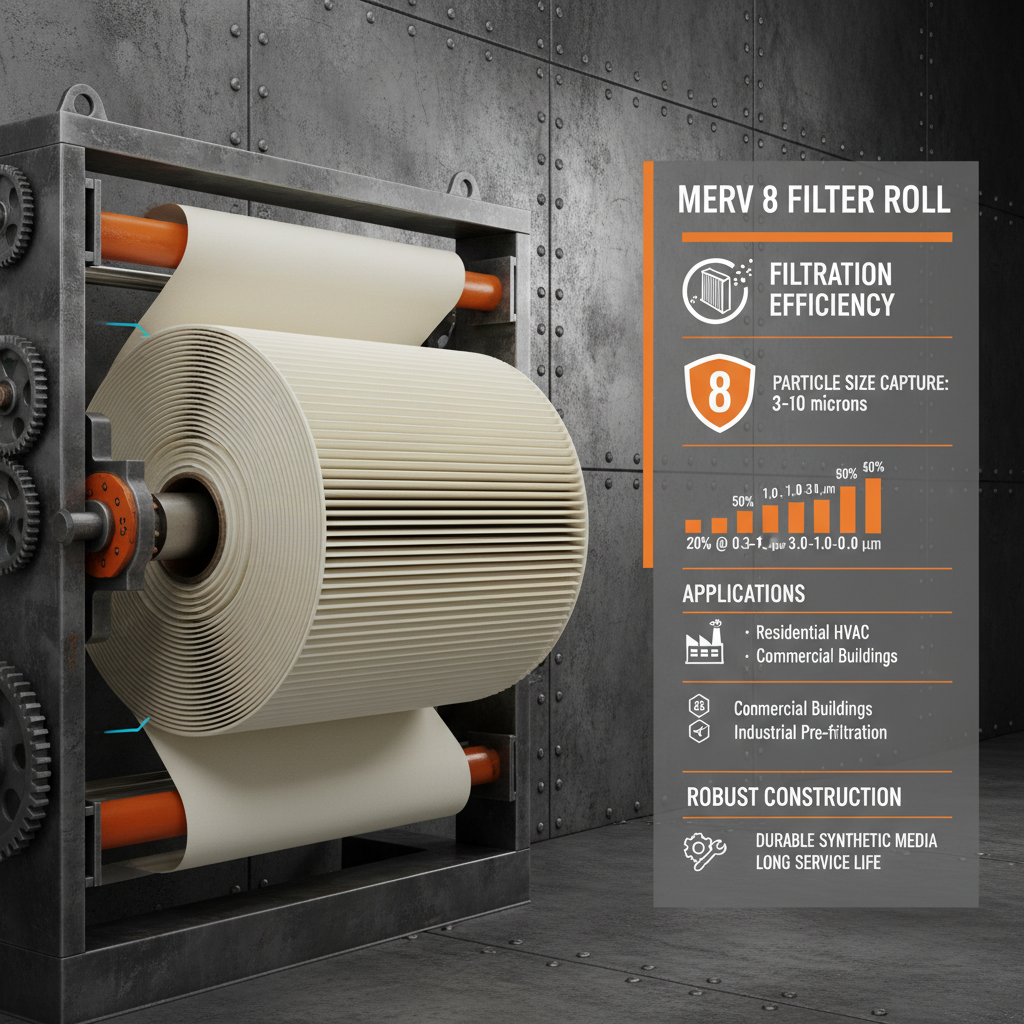
Filtration Efficiency is the second pillar. This is the ability of the media filters air conditioning to capture a specific size of particle. For instance, MERV ratings (Minimum Efficiency Reporting Value) help users understand whether a filter is suitable for basic residential use or critical hospital ventilation, where the capture of viral aerosols is mandatory.
Finally, Material Durability and Moisture Resistance play a huge role. In many climates, air conditioning units produce significant condensation. Media made from hydrophobic synthetic fibers or specially treated fiberglass ensures that the filter does not collapse or grow mold when exposed to high humidity, maintaining structural integrity over the filter's lifespan.
Technical Comparison of Media Materials
Choosing between different types of media filters air conditioning requires an understanding of how the material interacts with the airflow. For example, fiberglass media is renowned for its high heat resistance and ability to trap fine particles, making it ideal for industrial spray booths. In contrast, synthetic composite media is often preferred for its longevity and ease of disposal.
Advanced options, such as activated carbon composite filters, add a layer of chemical adsorption to the physical filtration process. This allows the system to remove odors and gaseous pollutants (VOCs) that standard fiber filters simply cannot stop, making them indispensable for urban hotels and office complexes located near heavy traffic.
Comparative Performance of Air Conditioning Media Types
Global Applications and Industrial Use Cases
The application of media filters air conditioning spans a vast array of environments. In healthcare settings, such as surgical theaters in Europe and North America, fiberglass pocket filter media are used in multi-stage filtration to ensure that the air is virtually sterile. This prevents post-operative infections and maintains a controlled environment where the most sensitive medical procedures occur.
In remote industrial zones, such as mining camps in Australia or oil rigs in the Middle East, the focus shifts to durability and coarse particle removal. Here, laminated composite filter media with mesh are employed to stop heavy dust and sand from clogging the internal cooling coils of massive industrial HVAC units, preventing system overheating and extending the life of the machinery in harsh, abrasive conditions.
Long-term Value and Sustainability Benefits
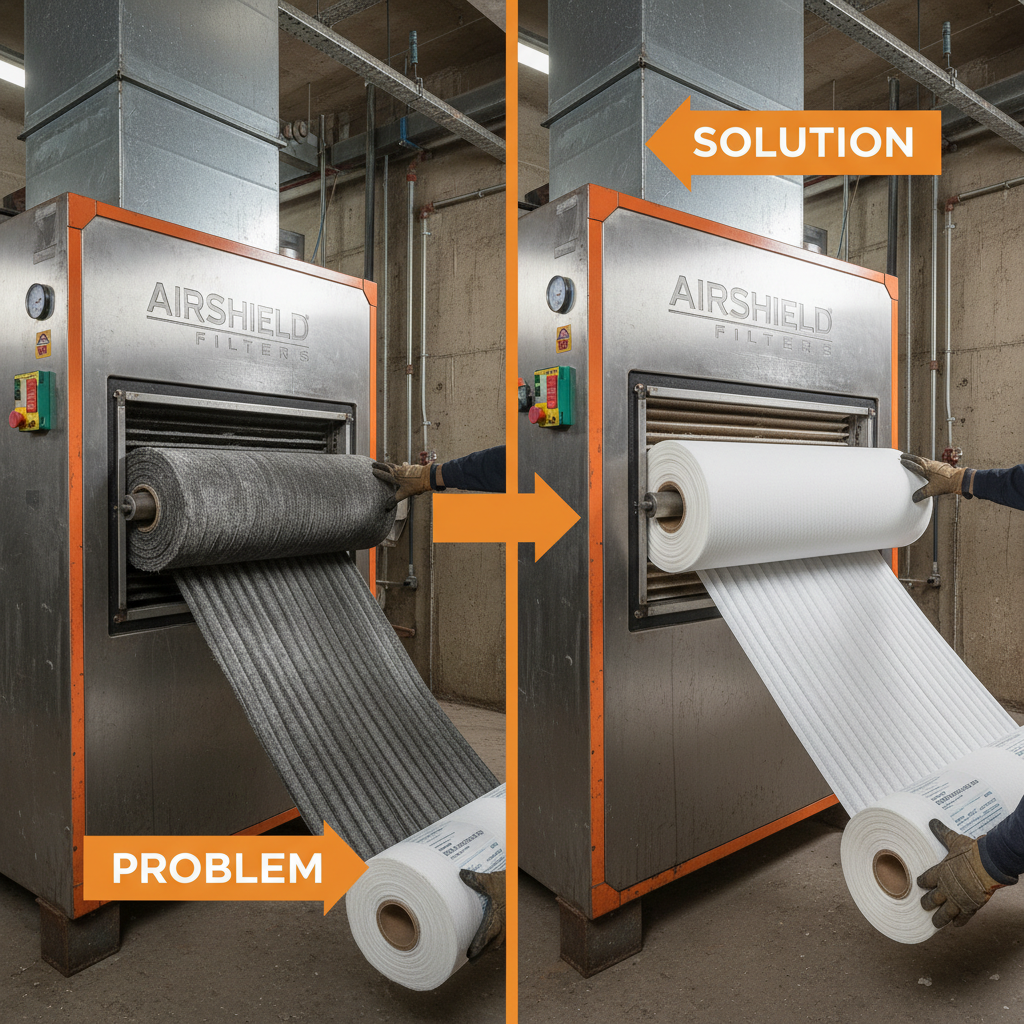
Investing in high-grade media filters air conditioning offers significant long-term economic value. While a cheap filter may have a lower initial cost, a high-efficiency synthetic media filter typically has a longer service life and lower airflow resistance. This leads to a measurable reduction in monthly electricity bills and decreases the frequency of technician visits for filter changes.
From a sustainability perspective, the industry is moving toward recyclable and biodegradable filter media. By reducing the reliance on non-recyclable glass fibers and moving toward advanced synthetic blends that can be processed after use, companies can lower their carbon footprint. This alignment with Green Building certifications (like LEED) adds tangible value to commercial real estate.
Moreover, there is an emotional and social dimension to this technology. Providing clean air in schools and offices improves cognitive function and reduces sick leave. When people feel that their environment is safe and healthy, trust in the infrastructure increases, leading to higher productivity and a general sense of well-being and dignity in the workplace.
Future Innovations in Filter Media Technology
The future of media filters air conditioning is being shaped by nanotechnology and digitalization. We are seeing the emergence of "Smart Filters" embedded with sensors that can monitor pressure drop and particle loading in real-time. Instead of changing filters on a fixed schedule, facility managers can now replace them exactly when they are saturated, eliminating waste and optimizing performance.
Nanofiber coatings are another breakthrough, allowing filters to capture smaller particles without increasing the thickness of the media. This means that future HVAC systems will be smaller and more energy-efficient while providing a level of air purity that was previously only possible in laboratory settings.
Additionally, the integration of antimicrobial coatings—using silver ions or copper nanoparticles—is becoming common. These additives don't just trap bacteria and viruses but actively neutralize them on the filter surface, preventing the media from becoming a breeding ground for pathogens and ensuring that the air returning into the room is truly clean.
Analysis of Performance and Application for Various Filter Media
| Media Material |
Primary Filtration Target |
Typical Life Cycle |
Industry Suitability |
| Synthetic Composite |
General Dust & Pollen |
6-12 Months |
Commercial Office |
| Glass Microfiber |
Sub-micron Particles |
3-6 Months |
Pharmaceutical |
| Activated Carbon |
VOCs & Odors |
3-9 Months |
Hospitality/Hotels |
| Meltblown Polypropylene |
Fine Aerosols |
4-8 Months |
Healthcare/Clinics |
| Laminated Mesh |
Large Debris/Coarse Dust |
12-24 Months |
Industrial Mining |
| Composite Fiberglass |
Oil Mist & Smoke |
6-10 Months |
Paint Booths |
FAQS
Synthetic media are generally more durable, moisture-resistant, and easier to dispose of, making them ideal for general commercial use. Fiberglass media typically offer higher efficiency for very fine particles and can withstand higher temperatures, which is why they are preferred in industrial or high-heat environments, though they may be more fragile.
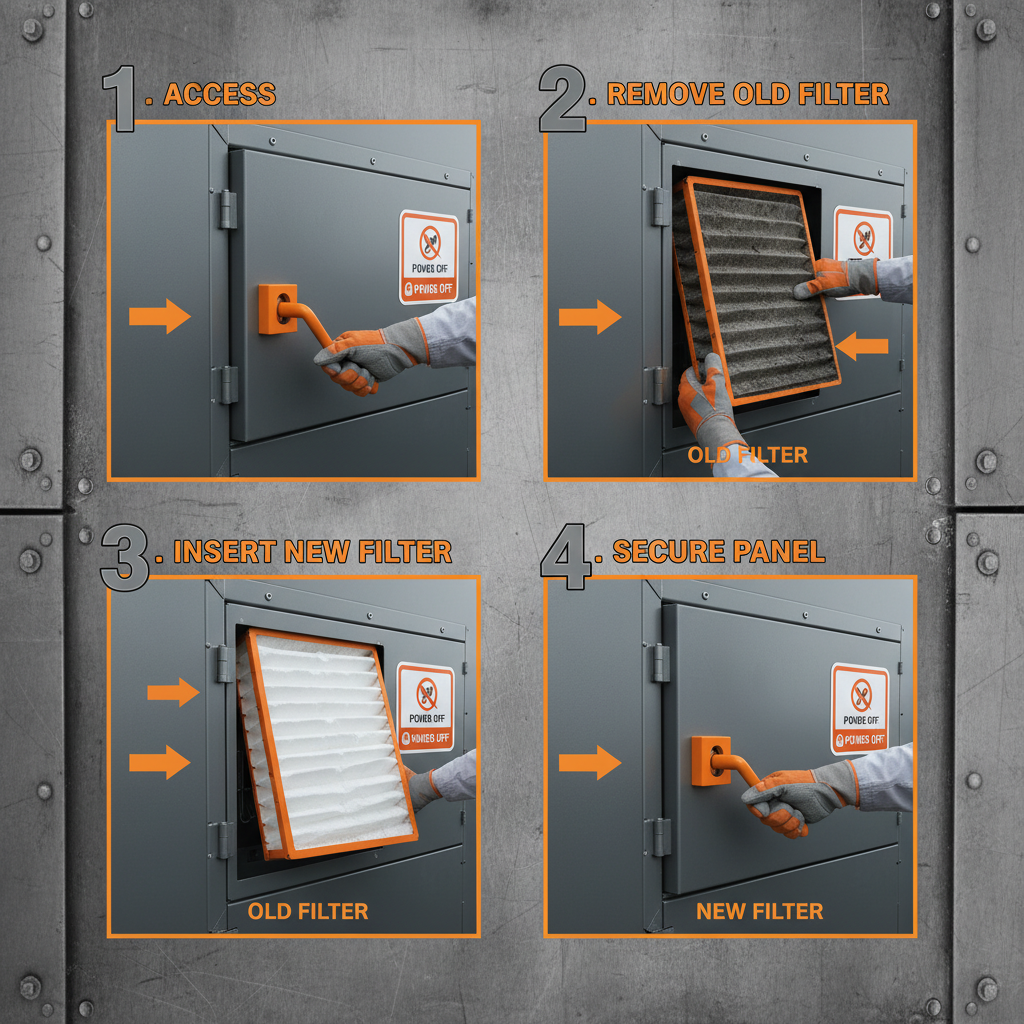
Replacement frequency depends on the environment and media type. Residential filters often need changing every 1-3 months, while high-capacity industrial synthetic composites can last 6-12 months. The best practice is to monitor the pressure drop; once the resistance reaches the manufacturer's limit, the filter should be replaced to avoid straining the HVAC motor.
Activated carbon is primarily designed for gas-phase filtration—removing smells, chemicals, and VOCs through adsorption. To remove viruses and bacteria, you need a physical barrier with a high MERV rating or HEPA-grade microfiber media. Many modern high-end filters combine carbon and microfiber to provide both chemical and biological filtration in one unit.
Potentially, yes. Higher efficiency filters often have denser media, which increases airflow resistance (pressure drop). This requires the HVAC blower to work harder. However, by choosing advanced composite media designed for "low pressure drop," you can achieve high filtration efficiency without significantly increasing your energy consumption.
Common signs include a noticeable decrease in airflow from the vents, an increase in indoor dust accumulation, and an increase in the noise level of the HVAC system as the motor struggles against the blockage. In professional settings, a manometer is used to measure the increase in static pressure to determine the exact saturation point.
Traditional synthetic filters were derived from non-biodegradable plastics. However, the industry is shifting toward recyclable polymers and biodegradable fibers. When choosing media, look for manufacturers who provide take-back programs or use materials that comply with circular economy standards to reduce landfill waste.
Conclusion
The selection and implementation of media filters air conditioning are fundamental to maintaining a healthy, efficient, and sustainable built environment. From the high-precision requirements of pharmaceutical cleanrooms to the rugged demands of industrial sites, the right filter media balances the critical trade-off between air purity and energy expenditure. By understanding the technical distinctions between fiberglass, synthetic composites, and carbon-based media, facility managers can optimize their systems for both performance and longevity.
Looking forward, the integration of nanotechnology and smart sensors will likely redefine the HVAC industry, turning passive filtration into an active, data-driven process. We encourage engineers and building owners to move beyond "standard" replacements and instead invest in high-performance, sustainable media that protect both the machinery and the people within. To explore our full range of advanced filtration solutions, visit our website: www.filtersmaterials.com.