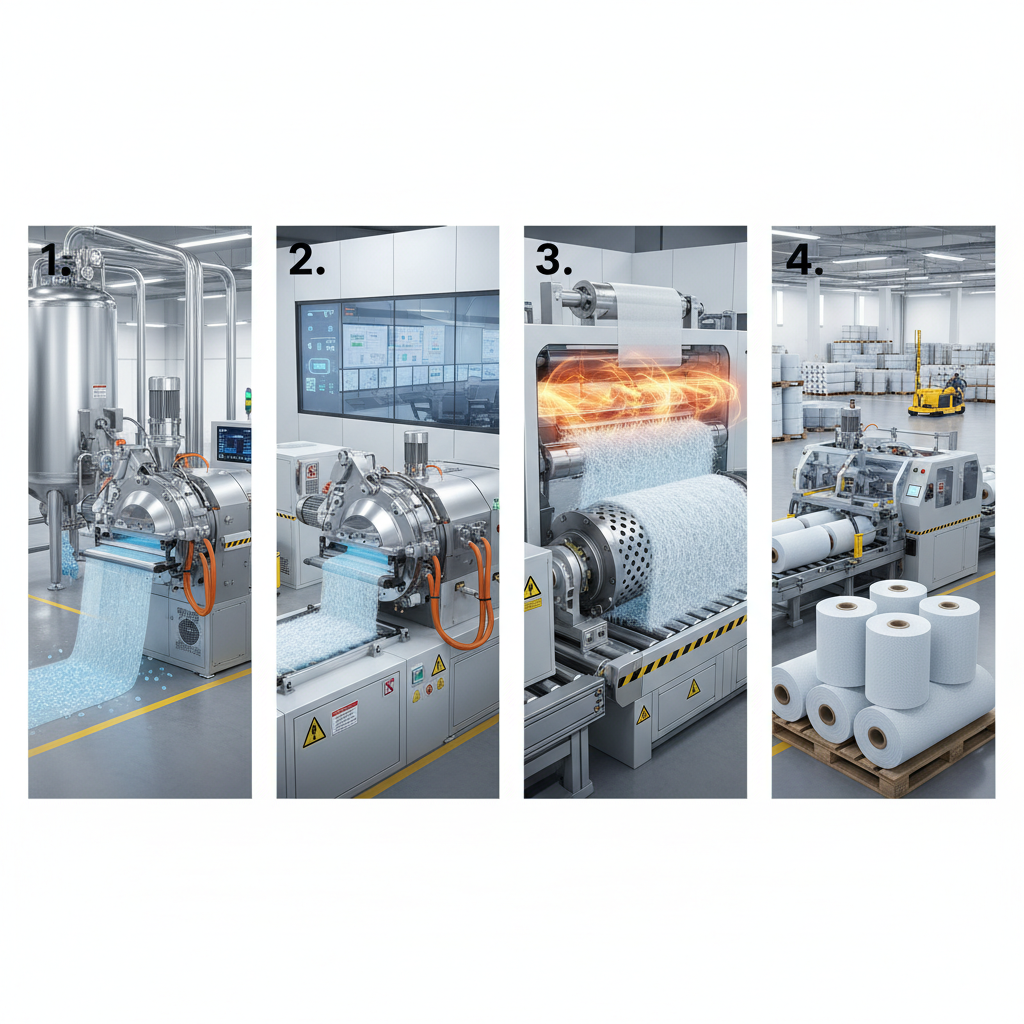
Air filtration media represents the invisible frontline of defense in modern industrial and residential environments, acting as the critical barrier that separates pure air from harmful particulates. From the sterile corridors of pharmaceutical labs to the high-performance engines of automotive transport, the selection of the right air filtration media determines not only the quality of the air we breathe but also the longevity and efficiency of the machinery we rely on. Understanding the science behind these materials is essential for optimizing system performance and ensuring compliance with increasingly stringent global environmental standards.
On a global scale, the demand for advanced filtration solutions has surged as urbanization and industrialization lead to higher concentrations of atmospheric pollutants. According to World Health Organization (WHO) guidelines, improving air quality is a primary driver for reducing respiratory illnesses and increasing workforce productivity. The challenge lies in balancing high filtration efficiency—capturing the smallest sub-micron particles—with low pressure drop to prevent excessive energy consumption in HVAC and industrial ventilation systems.
Whether utilizing synthetic composites or traditional glass microfibers, the evolution of air filtration media has moved toward "smart" materials that offer antimicrobial properties and higher durability. By integrating cutting-edge chemical engineering with textile manufacturing, the industry now provides tailored solutions such as meltblown non-wovens and laminated composite media that address specific contamination challenges across various sectors.
The Fundamental Role of Air Filtration Media
At its core, air filtration media is the active material used in a filter to trap contaminants while allowing air to pass through. This process involves a complex interplay of physical mechanisms: inertial impaction, interception, and diffusion. By strategically engineering the fiber diameter and pore structure, manufacturers can create media that target specific particle sizes, ranging from coarse dust in industrial spray booths to microscopic viruses in medical cleanrooms.
The versatility of these materials allows them to be deployed in various forms, such as pleated filters, pocket filters, or flat sheets. The primary goal is to maximize the surface area for particle capture without creating a restrictive "wall" that would force fans to work harder, thereby increasing electricity costs. Consequently, the development of composite materials has allowed for the creation of multi-layered systems that offer graded efficiency, extending the life of the filter and reducing maintenance frequency.
Technical Specifications and Material Composition
The composition of air filtration media varies wildly depending on the intended application. Glass microfiber is widely praised for its high efficiency in capturing small particles, making it the gold standard for HEPA-grade filters. However, for environments where moisture is prevalent or high mechanical strength is required, synthetic fibers like polypropylene or polyester are preferred. These synthetic options often utilize meltblown technology to create a dense, random web of fibers that effectively trap aerosols.
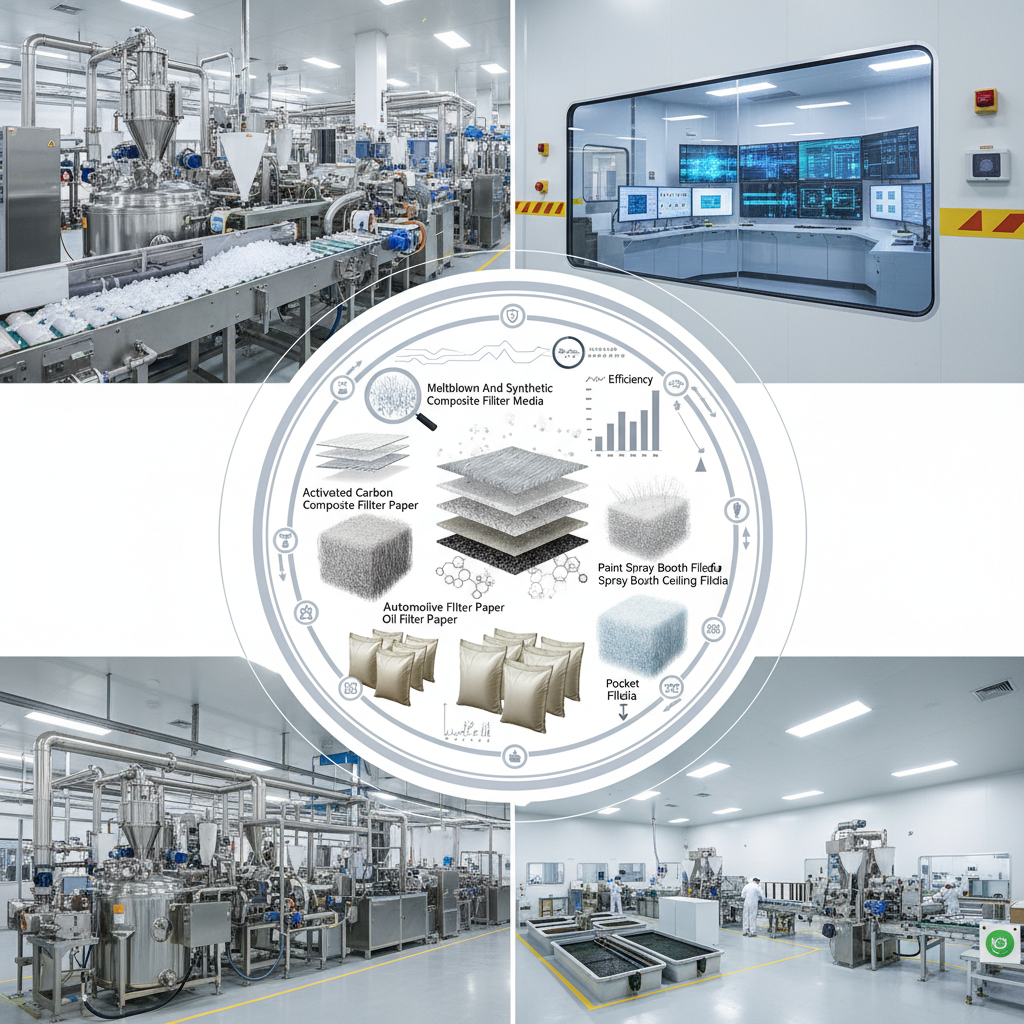
Composite media represent a significant leap forward, combining the strengths of multiple materials. For instance, Laminated Composite Filter Media often integrate a support mesh with a high-efficiency synthetic layer, providing both structural integrity and superior filtration. This prevents the media from collapsing under high pressure while maintaining a high "Dust Holding Capacity" (DHC), which is a critical metric for determining how often a filter needs replacement.
Chemical treatments also play a pivotal role in modern media design. Many air filtration media are treated with hydrophobic or oleophobic coatings to repel water or oil, which is essential for automotive fuel and air filters. Additionally, the introduction of activated carbon composites allows the media to not only trap physical particles but also adsorb volatile organic compounds (VOCs) and odors, providing a comprehensive purification solution.
Key Performance Factors for Industrial Selection
When selecting the appropriate air filtration media, the first consideration is always the "Pressure Drop." A high-efficiency filter is useless if it restricts airflow to the point of starving a machine or causing an HVAC system to overheat. Engineers look for a balance where the media provides maximum capture efficiency with minimum resistance.
Durability and mechanical stability are equally vital. In industrial settings, air filtration media must withstand fluctuating temperatures, humidity, and sometimes corrosive chemical vapors. For example, fiberglass pocket filter media are often chosen for their thermal stability, ensuring they don't warp or degrade in high-heat industrial exhaust streams.
Finally, cost-efficiency is measured not by the initial purchase price, but by the "Total Cost of Ownership." A cheaper medium that clogs quickly increases labor costs for frequent changes and raises energy bills due to increased pressure. Investing in high-quality synthetic or composite media often leads to longer service intervals and lower overall operational expenditures.
Efficiency Benchmarks Across Different Media Types
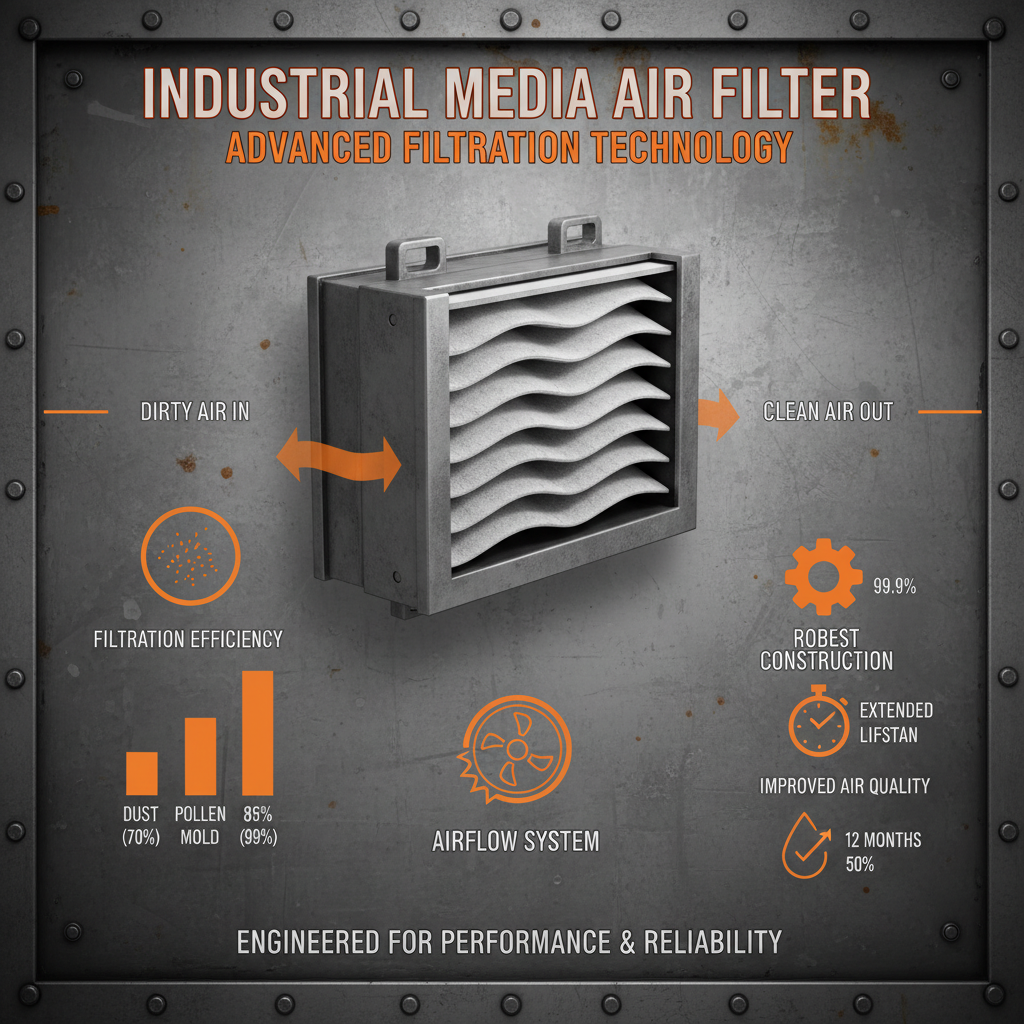
Different types of air filtration media are designed for different "stages" of filtration. Pre-filters, often made of synthetic roll materials, capture large debris to protect the more expensive secondary filters. In contrast, final-stage filters, such as Glass Microfiber or HEPA media, are engineered to capture particles as small as 0.3 microns with 99.97% efficiency.
The performance of these materials is typically validated through standardized tests (like ISO 16890 or ASHRAE 52.2). By comparing the capture rates of various media, industries can optimize their "filter train"—the sequence of filters—to ensure that no single stage is overwhelmed by the pollutant load.
Performance Comparison of Air Filtration Media Types
Global Applications and Industry Use Cases
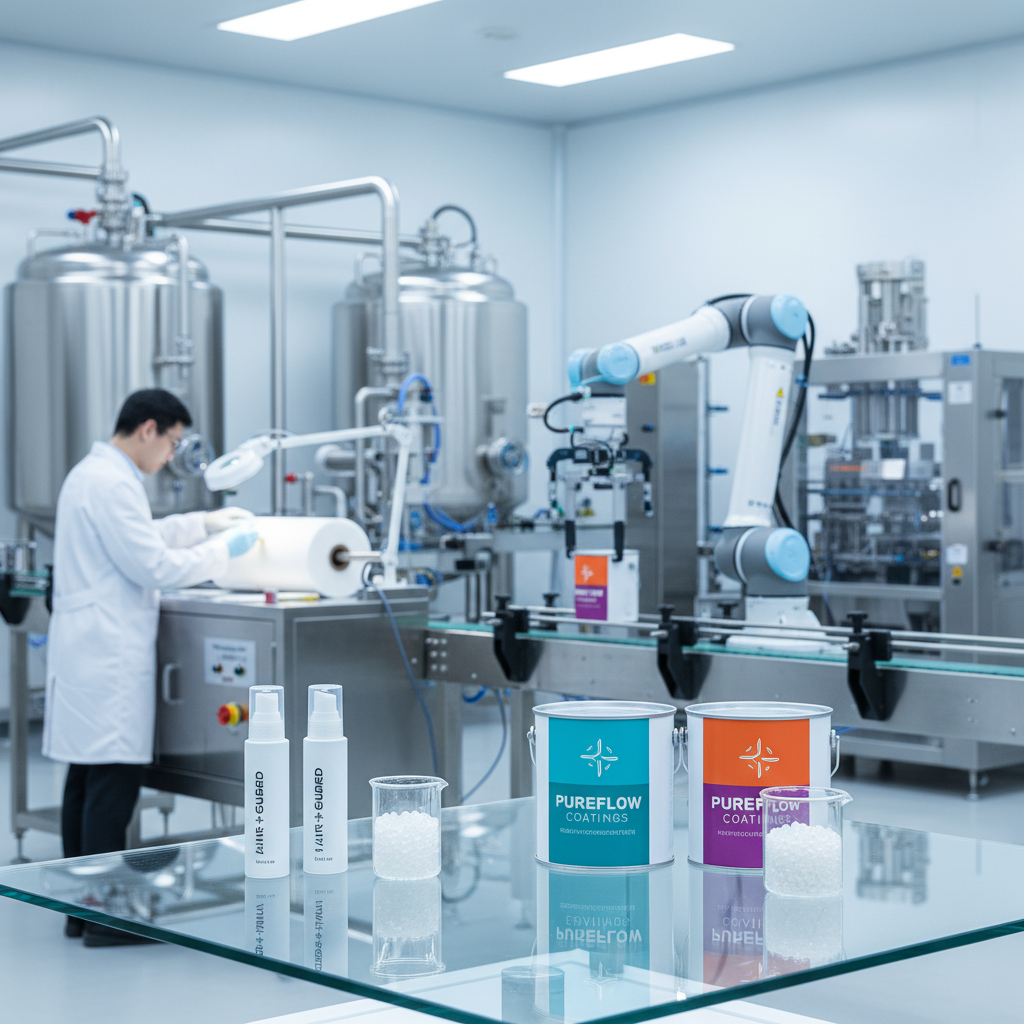
The application of air filtration media spans across nearly every modern sector. In the automotive industry, specialized oil and fuel filter papers are essential to protect high-precision engine components from abrasive contaminants. Similarly, in the paint and coating industry, spray booth ceiling filters and paint stop filter media prevent overspray from entering the environment and ensure a dust-free finish for high-end products.
In healthcare and pharmaceutical manufacturing, the stakes are even higher. The use of Composite Fiberglass Filter Paper and HEPA-grade media is non-negotiable for maintaining "Clean Room" standards. These materials ensure that airborne pathogens and chemical impurities are eliminated, safeguarding both the patient and the product. From remote industrial zones in mining to high-tech semiconductor fabs in Asia, these media provide the essential purity required for operational success.
Long-Term Value and Sustainability Benefits
Investing in high-performance air filtration media provides value far beyond simple air cleaning. From a financial perspective, the reduction in energy consumption due to optimized pressure drops directly impacts the bottom line. When filters last longer and breathe easier, the carbon footprint of the building or factory is significantly reduced, aligning corporate goals with global sustainability targets.
Beyond the numbers, there is a profound human element. In industrial zones, the deployment of superior air filtration media translates to better worker health and safety. Reducing the inhalation of silica dust, chemical fumes, or metallic particles prevents long-term occupational diseases, thereby increasing employee loyalty and reducing healthcare-related liabilities.
Furthermore, the shift toward recyclable synthetic media is addressing the environmental challenge of filter waste. By developing materials that can be repurposed or break down more safely, the industry is moving toward a circular economy. The reliability of these materials builds trust between manufacturers and end-users, ensuring that critical infrastructure remains operational regardless of external environmental volatility.
Future Innovations in Filtration Technology
The future of air filtration media is being shaped by nanotechnology and digitalization. We are seeing the emergence of nanofiber membranes that offer unprecedented filtration efficiency with nearly zero resistance. These materials are being integrated into "smart filters" equipped with sensors that notify operators exactly when a filter is saturated, replacing rigid calendar-based maintenance with precise, data-driven replacements.
Green chemistry is also revolutionizing the field. The development of bio-based polymers to replace petroleum-based synthetics is reducing the environmental impact of filter production. Additionally, the integration of photocatalytic coatings allows air filtration media to actively decompose pollutants rather than just trapping them, effectively "cleaning themselves" and extending their operational life.
As automation increases, the manufacturing of these media is becoming more precise. 3D printing of filter structures is allowing for the creation of customized pore geometries that are impossible with traditional non-woven processes. This level of customization ensures that each piece of media is perfectly tuned to the specific airflow and contaminant profile of its application.
Comparative Analysis of Next-Gen Air Filtration Media Technologies
| Technology Type |
Filtration Efficiency |
Environmental Impact |
Industrial Scalability |
| Nanofiber Membranes |
Ultra-High (9-10) |
Moderate |
Growing |
| Bio-Polymer Media |
Medium (6-7) |
Low (Eco-friendly) |
High |
| Photocatalytic Media |
High (8-9) |
Low |
Moderate |
| Smart-Sensor Media |
Variable |
Moderate |
High |
| 3D-Printed Lattices |
Customizable |
Low |
Low (Niche) |
| Graphene Composites |
Ultra-High (10) |
Moderate |
Emerging |
FAQS
Synthetic media are typically made from polymers like polypropylene, offering better moisture resistance and durability against mechanical stress. Fiberglass media, using fine glass microfibers, generally provide higher filtration efficiency for sub-micron particles and better thermal stability, making them ideal for HEPA applications where absolute purity is required over physical flexibility.
The most accurate method is monitoring the "differential pressure" across the filter. When the pressure drop reaches a manufacturer-specified limit, it indicates the media is saturated with particles. Alternatively, visible discoloration or a noticeable drop in airflow can be signs, though pressure gauges provide the only objective technical measurement for industrial systems.
Activated carbon is specifically designed for gaseous pollutants, odors, and VOCs through a process called adsorption. It is not effective for trapping physical dust or biological aerosols. For comprehensive filtration, activated carbon is usually combined with physical media (like meltblown or glass fiber) in a composite structure to capture both particles and gases.
Not necessarily. Efficiency must be balanced with "breathability" (pressure drop). A filter with 99.9% efficiency that creates an immense pressure drop may damage your fan motors or significantly increase energy costs. The "better" filter is the one that meets your specific air quality requirement while maintaining the lowest possible operational cost.
Initial procurement costs are generally higher for composite media due to the complex manufacturing process. However, they often provide a lower total cost of ownership because they combine multiple functions (e.g., pre-filtration and final filtration) into one unit, reducing installation time and extending the overall service life of the filtration system.
High humidity can cause some media to swell or "blind," where water droplets fill the pores and increase pressure drop. Glass fibers are generally stable, but synthetic media may be treated with hydrophobic coatings to ensure they remain effective in damp environments without compromising airflow or structural integrity.
Conclusion
In summary, air filtration media serves as the critical technical foundation for air purity across diverse industrial landscapes. By carefully balancing filtration efficiency, pressure drop, and material durability, businesses can protect their equipment, ensure regulatory compliance, and safeguard human health. The transition from simple fibers to advanced composite and smart materials reflects a broader industry movement toward precision, efficiency, and environmental responsibility.
Looking forward, the integration of nanotechnology and sustainable bio-polymers will likely redefine the limits of what filtration can achieve. We recommend that industrial operators conduct a comprehensive audit of their current filtration stages to identify opportunities for upgrading to composite media, which can yield significant energy savings and improved air quality. For high-performance materials tailored to your specific industrial needs, visit our website: www.filtersmaterials.com.