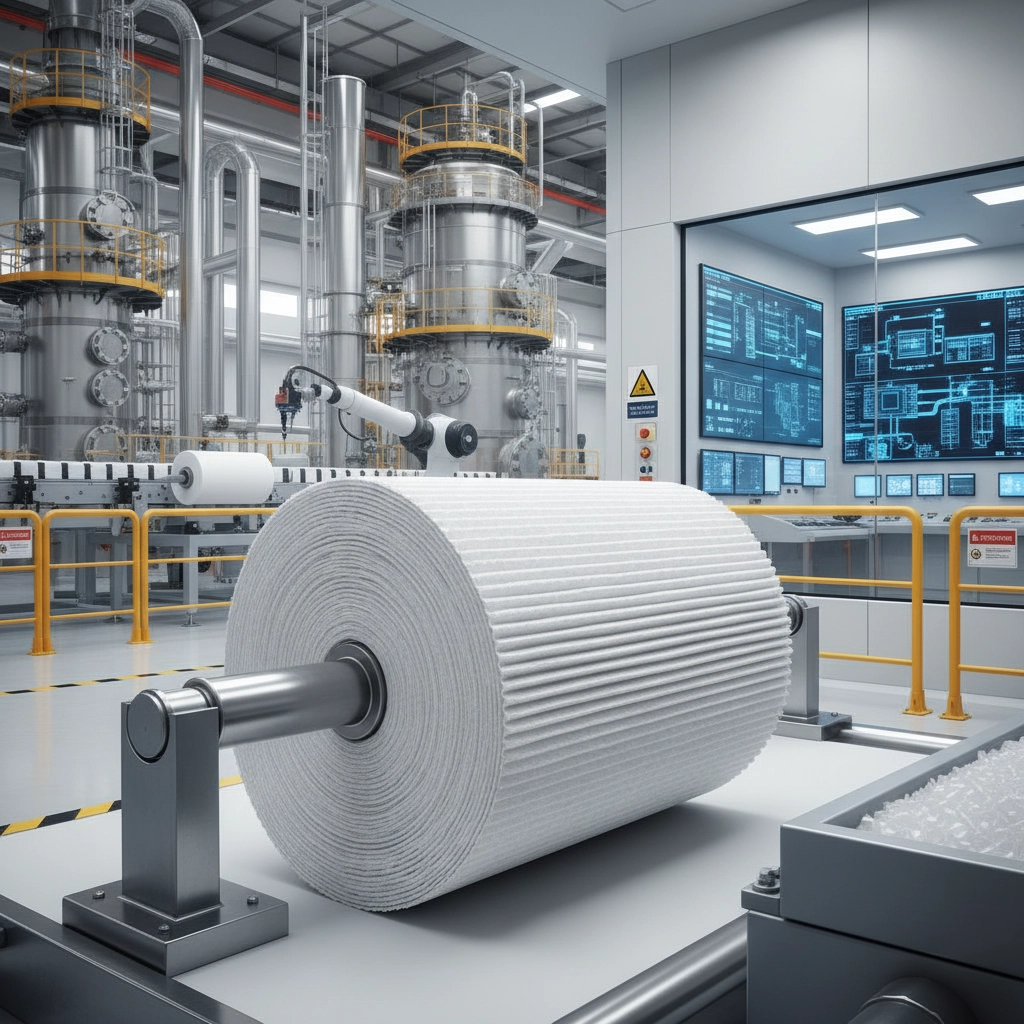
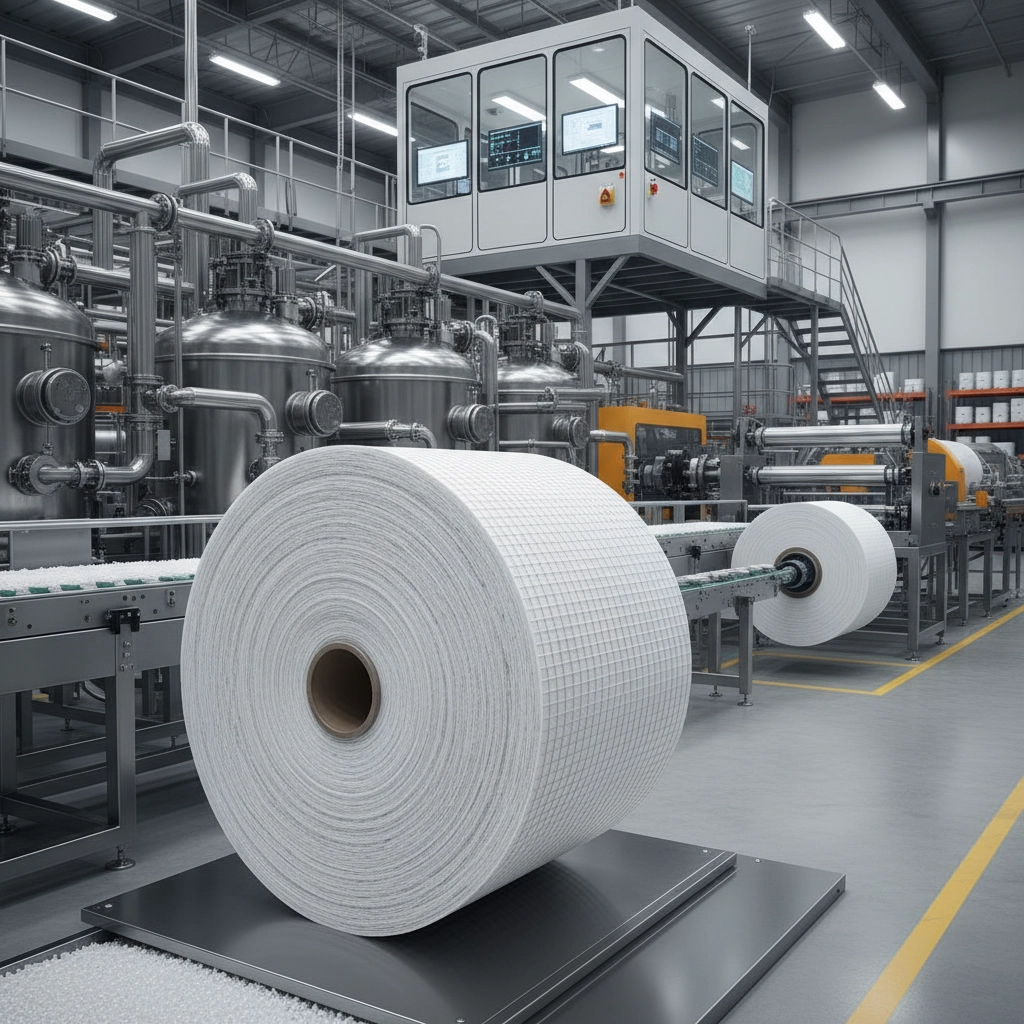
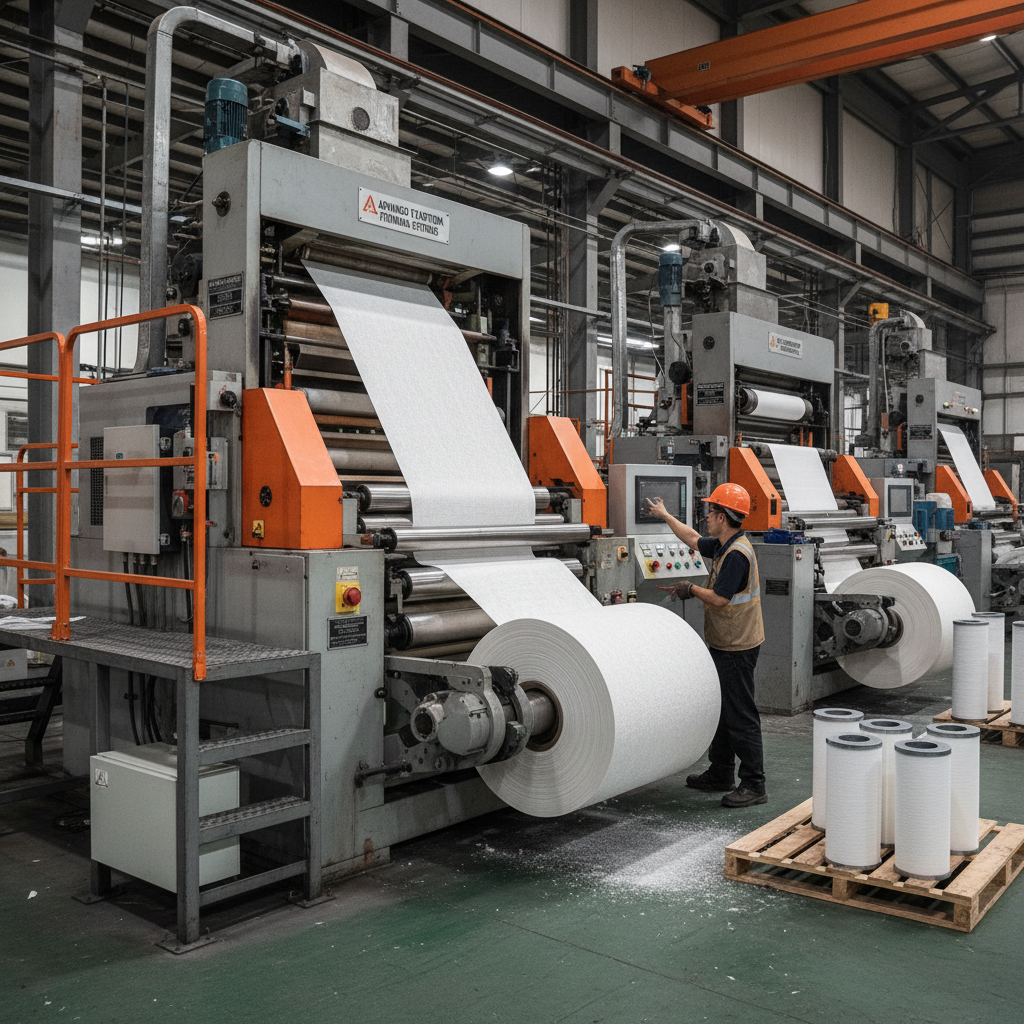
In the modern industrial landscape, maintaining air purity is not merely a matter of compliance but a critical pillar of operational efficiency and public health. An air filter media roll serves as the fundamental raw material for creating high-efficiency filtration systems, acting as the first line of defense against particulate matter, aerosols, and hazardous pollutants in diverse environments.
The global demand for high-performance filtration has surged as urbanization increases and industrial emission standards become more stringent. Understanding the composition and application of an air filter media roll allows engineers and procurement specialists to optimize the lifespan of their HVAC systems, reduce energy consumption, and ensure a sterile environment in sensitive areas like laboratories and cleanrooms.
By leveraging advanced synthetic and composite materials, these rolls provide the scalability needed for mass production while maintaining the precision required for micron-level filtration. Whether it is for automotive cabins or massive industrial spray booths, the choice of the right media roll directly impacts the overall air quality and the mechanical longevity of the equipment it protects.
Global Industrial Relevance of Air Filter Media Roll
The global air filtration market is currently navigating a period of rapid evolution, driven by ISO 16890 standards and a worldwide push toward "Green Building" certifications. An air filter media roll is the essential building block for the filters used in these systems, ensuring that particulate matter (PM2.5 and PM10) is effectively captured before it can enter breathable spaces or contaminate sensitive industrial processes.
From the sprawling automotive hubs of East Asia to the pharmaceutical corridors of Europe, the reliance on standardized rolls of filter media ensures that maintenance is predictable and replacements are cost-effective. The challenge lies in balancing high filtration efficiency with low pressure drop, a technical hurdle that contemporary synthetic composite rolls are designed to solve.
Defining the Technical Composition of Filter Media
At its core, an air filter media roll is a continuous web of fibers—ranging from natural cellulose and glass microfibers to advanced synthetic polymers—engineered to trap particles through mechanisms such as interception, impaction, and diffusion. These rolls are manufactured using processes like melt-blowing or needle-punching, which create a complex, porous labyrinth that allows air to pass through while capturing impurities.
In the context of modern industry, the "roll" format is critical for scalability. It allows manufacturers to use automated pleating machines to create high-surface-area filters, which maximizes the dust-holding capacity without increasing the physical footprint of the filter housing. This synergy between material science and mechanical engineering is what allows a thin layer of media to protect massive industrial turbines.
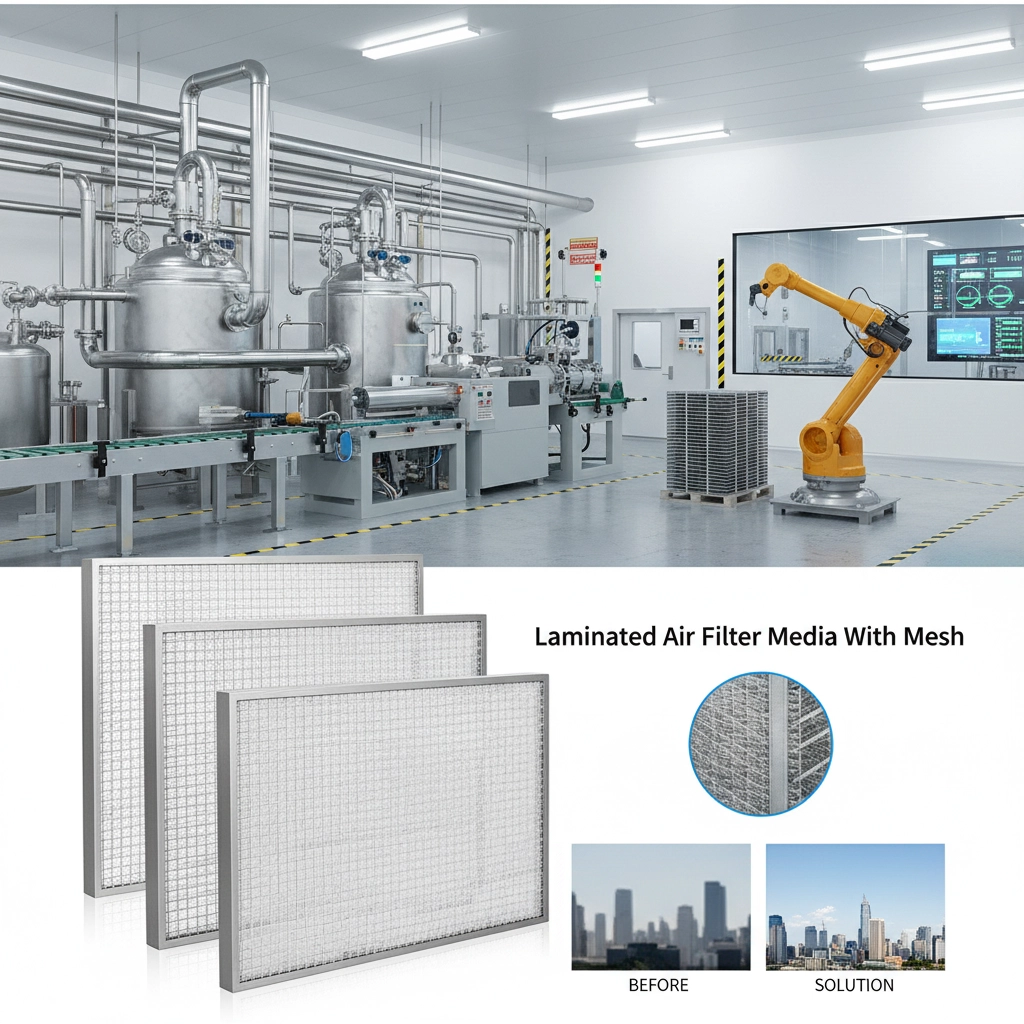
Furthermore, the integration of composite layers—such as laminating a synthetic mesh with a meltblown layer—has transformed the air filter media roll into a multi-functional tool. This allows a single roll to provide both structural rigidity and high-efficiency capture, reducing the need for multiple separate filter stages and simplifying the overall system architecture.
Core Factors Driving Filtration Efficiency
Durability is a primary consideration when selecting an air filter media roll. In high-humidity or chemically aggressive environments, the media must resist degradation and mold growth. The use of hydrophobic synthetic fibers ensures that the filter does not collapse under moisture, maintaining its structural integrity and filtration performance over extended periods.
Pressure drop, or air resistance, is the "silent cost" of filtration. A high-quality air filter media roll is engineered to optimize the balance between capture efficiency and airflow. By controlling the fiber diameter and porosity, manufacturers can ensure that fans do not have to work harder to push air through the media, thereby significantly reducing energy consumption in large-scale HVAC installations.
Scalability and cost-efficiency are achieved through the standardization of roll widths and lengths. This allows for a streamlined supply chain where a single air filter media roll can be utilized for various product lines, from pocket filters to panel filters. This versatility reduces waste during the cutting process and lowers the total cost of ownership for the end-user.
Global Applications and Industry Use Cases
The versatility of the air filter media roll is evident in its wide array of applications. In the automotive sector, specialized rolls are used to create cabin air filters that protect passengers from pollen and smog. In heavy industrial zones, such as steel mills or chemical plants, oversized fiberglass rolls are deployed in pocket filter systems to capture hazardous fumes and metallic dust, ensuring worker safety.
Beyond traditional industry, these materials are vital in healthcare. In hospital operating rooms, HEPA-grade media rolls are used to construct filters that eliminate 99.97% of airborne contaminants, preventing post-surgical infections. Similarly, in the semiconductor industry, ultra-pure air is a requirement; here, synthetic composite rolls are used to eliminate even the smallest nanoparticles that could ruin a silicon wafer.
Performance Comparison of Air Filter Media Roll Types
Long-Term Value and Sustainability Benefits
Investing in high-grade air filter media roll options provides a clear economic advantage over time. While lower-quality media may have a cheaper upfront cost, they often suffer from premature clogging and higher pressure drops. High-performance composite media extends the replacement cycle, reducing labor costs and minimizing the volume of waste sent to landfills.
From a sustainability perspective, the industry is moving toward recyclable synthetic fibers and biodegradable polymers. By optimizing the air filter media roll for longevity and ease of recycling, companies can significantly lower their carbon footprint. This transition not only satisfies regulatory requirements but also builds trust with environmentally conscious stakeholders and consumers.
Future Innovations in Composite Filter Materials
The future of the air filter media roll lies in the integration of nanotechnology. Nano-fibers, which are significantly thinner than traditional fibers, allow for "surface filtration" rather than "depth filtration." This means particles are trapped on the surface of the media, preventing them from penetrating deep into the roll and allowing for easier cleaning or more efficient air passage.
Another emerging trend is the development of "smart" filter media. Researchers are experimenting with adding conductive polymers or sensors directly into the filter media roll. This would allow a filtration system to communicate its saturation level in real-time, shifting maintenance from a scheduled basis to a condition-based basis, further optimizing energy use.
Additionally, antimicrobial coatings are becoming standard for rolls used in medical and food-processing environments. By embedding silver ions or other antimicrobial agents into the synthetic fibers of the roll, the filter media does more than just trap particles—it actively neutralizes biological threats, providing an extra layer of safety for public health.
Overcoming Challenges in Media Implementation
One of the most common challenges in deploying an air filter media roll is the "leakage" that occurs at the seams and edges during the pleating process. Even the highest-efficiency media is useless if air bypasses the filter through gaps. To solve this, industry experts recommend using advanced ultrasonic welding or high-strength thermal bonding to ensure a hermetic seal.
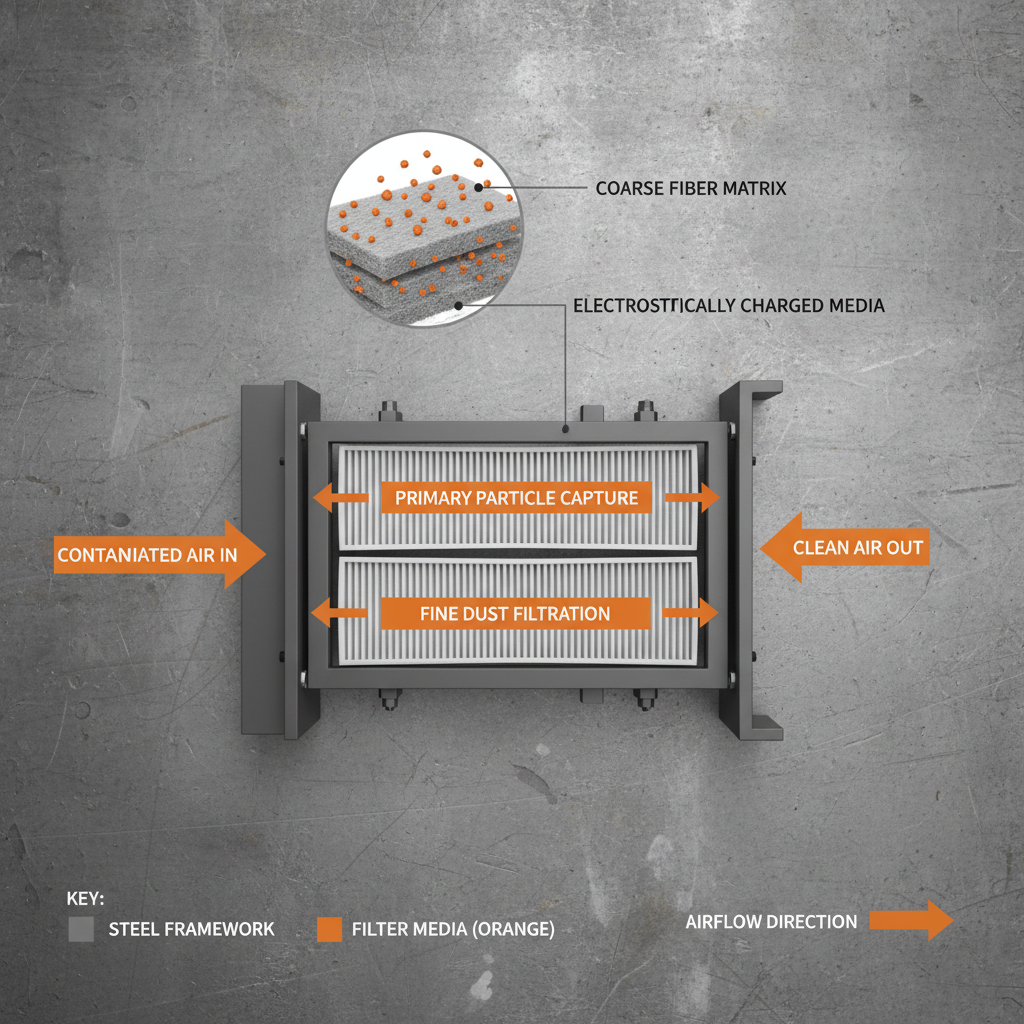
Another hurdle is the trade-off between filtration grade and airflow. Many operators mistakenly believe that a denser media roll always results in better air. However, excessive density leads to high pressure drops that can damage HVAC blowers. The solution is the use of gradient-density media, where the roll consists of layers that transition from coarse to fine fibers, capturing large particles first and fine particles last.
Finally, global supply chain volatility can impact the availability of specific synthetic polymers. To mitigate this, diversifying the source of the air filter media roll and adopting standardized materials that can be sourced from multiple regions is essential for maintaining continuous operational uptime in critical infrastructure.
Technical Analysis of Air Filter Media Roll Material Properties
| Material Type |
Efficiency Score (1-10) |
Air Permeability |
Primary Use Case |
| Meltblown Polypropylene |
8 |
Medium |
Cabin Air Filters |
| Glass Microfiber |
10 |
Low |
HEPA/Medical Grade |
| Synthetic Composite |
9 |
High |
Industrial HVAC |
| Needle-punched Nonwoven |
6 |
Very High |
Pre-filtration Rolls |
| Electrostatic Media |
9 |
High |
Air Purifiers |
| Laminated Mesh/Paper |
7 |
Medium |
Spray Booths |
FAQS
Choosing the right roll depends on three main factors: the size of the particles you need to capture (Efficiency), the maximum allowable pressure drop (Airflow), and the environmental conditions (Temperature/Humidity). For heavy industrial dust, a synthetic composite roll is often best; for sterile environments, glass microfiber is preferred. Always refer to ISO 16890 standards to match the media grade to your specific air quality requirements.
Generally, no. Most high-efficiency media, especially meltblown and glass microfiber, are designed for single use. Washing them can destroy the fiber structure and create "holes" or channels that allow contaminants to pass through, rendering the filter ineffective. However, some coarse pre-filter rolls made of heavy synthetic mesh are washable. Always check the material specification before attempting to clean the media.
Depth filtration uses a thick air filter media roll where particles are trapped throughout the thickness of the material. This is great for high dust-holding capacity. Surface filtration (often seen in nano-fiber or membrane rolls) traps particles on the outer layer. Surface filtration typically offers higher efficiency for very small particles and can sometimes be cleaned via reverse-pulsing, whereas depth filters must be replaced.
The roll format allows for continuous, automated processing. Instead of cutting individual sheets, a roll can be fed into a pleating machine that folds the material into high-surface-area pleats in seconds. This minimizes material waste, reduces manual labor, and ensures that every filter produced has consistent specifications, which is essential for maintaining quality control in large-scale manufacturing.
Yes, the industry is moving toward bio-based polymers and recycled plastics. Cellulose-based rolls are naturally biodegradable, though they lack the moisture resistance of synthetics. New "green" composite rolls are being developed that use plant-derived resins to bind fibers, reducing the reliance on petroleum-based plastics while maintaining the high filtration efficiency required for industrial applications.
High humidity can cause some media, particularly cellulose-based ones, to swell or sag, which increases the pressure drop and may lead to structural failure. In extreme cases, moisture can lead to mold growth within the fibers. To prevent this, we recommend using synthetic or treated fiberglass rolls that are hydrophobic, ensuring that the filter remains breathable and sterile even in humid tropical or industrial steam environments.
Conclusion
In summary, the air filter media roll is far more than a simple industrial consumable; it is a precision-engineered component that determines the health of our air and the efficiency of our machines. By balancing material science—such as the use of synthetic composites and nanofibers—with mechanical scalability, these rolls enable everything from cleanroom sterilization to the reduction of urban smog. The transition toward sustainable, low-pressure-drop materials is not just an environmental win, but an economic one, reducing energy costs and operational downtime across all sectors.
Looking forward, the integration of "smart" sensing and nano-scale filtration will continue to push the boundaries of what is possible in air purification. For businesses and engineers, the key to long-term success lies in selecting media that aligns with future ISO standards and sustainability goals. We encourage you to evaluate your current filtration strategy and embrace advanced composite materials to ensure a safer, cleaner, and more efficient future. Visit our website for more information: www.filtersmaterials.com