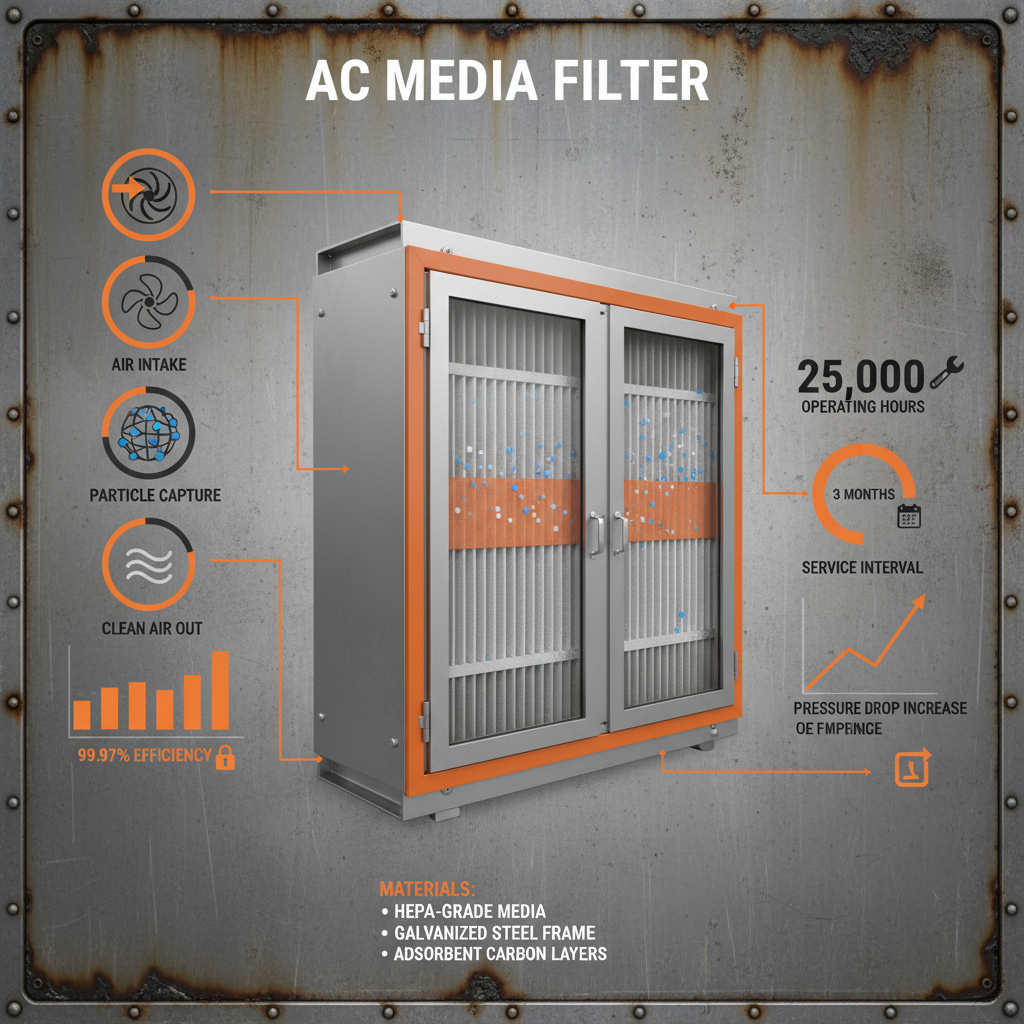
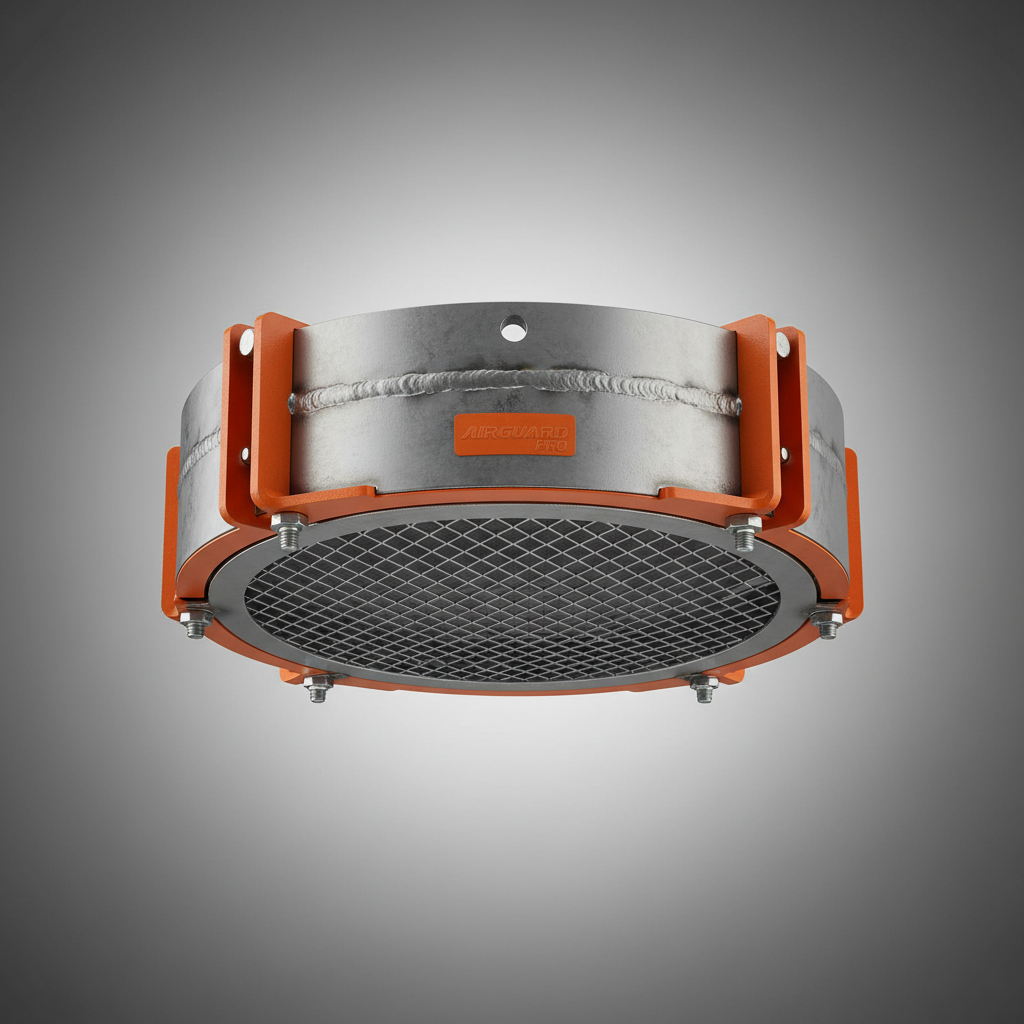
In the modern industrial landscape, the quality of the air we breathe and the purity of the air entering high-precision machinery are non-negotiable. High-performance air cleaner media serves as the critical first line of defense, utilizing advanced material science to capture particulate matter, aerosols, and contaminants before they can cause systemic damage or health risks.
From the sterile environments of pharmaceutical cleanrooms to the rugged conditions of automotive engine intakes, the selection of the right filtration substrate determines the overall efficiency of the system. The evolution of air cleaner media has shifted from simple mechanical sieving to complex electrostatic and composite structures that maximize dust-holding capacity while minimizing pressure drop.
Understanding the nuances of these materials is essential for engineers and procurement specialists aiming to balance operational costs with stringent air quality standards. By exploring the intersection of synthetic fibers, fiberglass, and composite non-wovens, industries can achieve a sustainable equilibrium between filtration efficiency and energy consumption.
Global Relevance of Air Cleaner Media
The global demand for advanced air cleaner media is driven by escalating urbanization and the tightening of environmental regulations. According to ISO standards and World Health Organization (WHO) guidelines, the reduction of particulate matter (PM2.5 and PM10) is a priority for public health, pushing industries to adopt more sophisticated filtration materials that can handle higher pollutant loads without sacrificing airflow.
Beyond health, the industrial sector faces the constant challenge of equipment wear and tear caused by airborne contaminants. In semiconductor manufacturing or automotive assembly, a single micron-sized particle can result in catastrophic failure. This has led to a surge in the development of composite filter papers and laminated media that offer multi-stage filtration in a single, compact footprint.
Defining High-Performance Filtration Substrates
At its core, air cleaner media refers to the porous material used within a filter to trap particles while allowing air to pass through. These substrates can range from traditional cellulose-based filter papers to advanced synthetic polymers and glass microfibers. The "media" is the engine of the filter; while the frame provides structural support, the media performs the actual work of separation through mechanisms such as interception, impaction, and diffusion.
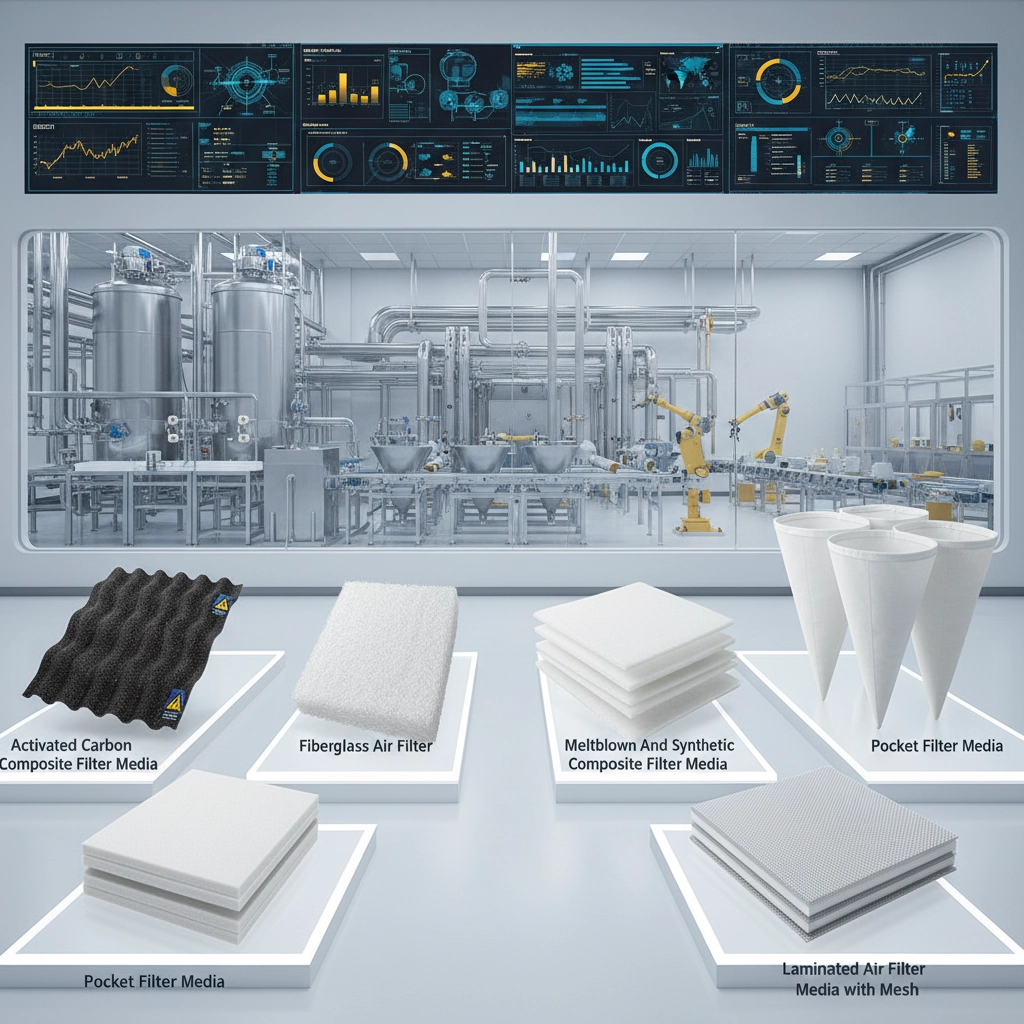
In the context of modern industry, these materials are no longer just "screens." They are engineered textiles and non-woven fabrics designed with specific pore size distributions. For example, Meltblown and Synthetic Composite Filter Media utilize electrospinning techniques to create nanofibers that can capture sub-micron particles, bridging the gap between coarse pre-filtration and high-efficiency HEPA standards.
The connection to humanitarian and industrial needs is profound. In medical settings, high-grade air cleaner media ensures that operating theaters remain sterile. In heavy industry, it prevents the inhalation of toxic dust by workers, directly impacting occupational safety and long-term health. The ability to customize these materials based on the specific chemical environment—such as using oil-resistant synthetic media in automotive fuel systems—is what makes this technology indispensable.
Core Technical Factors for Material Selection
When evaluating air cleaner media, Permeability and Pressure Drop are the primary considerations. A media that filters perfectly but blocks too much air will force fans and pumps to work harder, leading to increased energy costs and potential system failure. The goal is to achieve a "low-pressure drop" while maintaining a high filtration efficiency.
Dust Holding Capacity (DHC) is another critical metric. This refers to the amount of particulate matter the air cleaner media can accumulate before it reaches its terminal pressure drop. Composite materials, such as Laminated Composite Filter Media, often employ gradient density—where the outer layers catch large particles and inner layers catch fine ones—to significantly extend the lifespan of the filter.
Finally, Chemical and Thermal Stability must be assessed. In environments like paint spray booths, the media must resist solvents and resins. Similarly, in industrial exhaust systems, the air cleaner media must withstand high temperatures without degrading or releasing toxic fumes, making fiberglass or specialized synthetic polymers the preferred choice over standard cellulose.
Industrial Applications and Use Cases
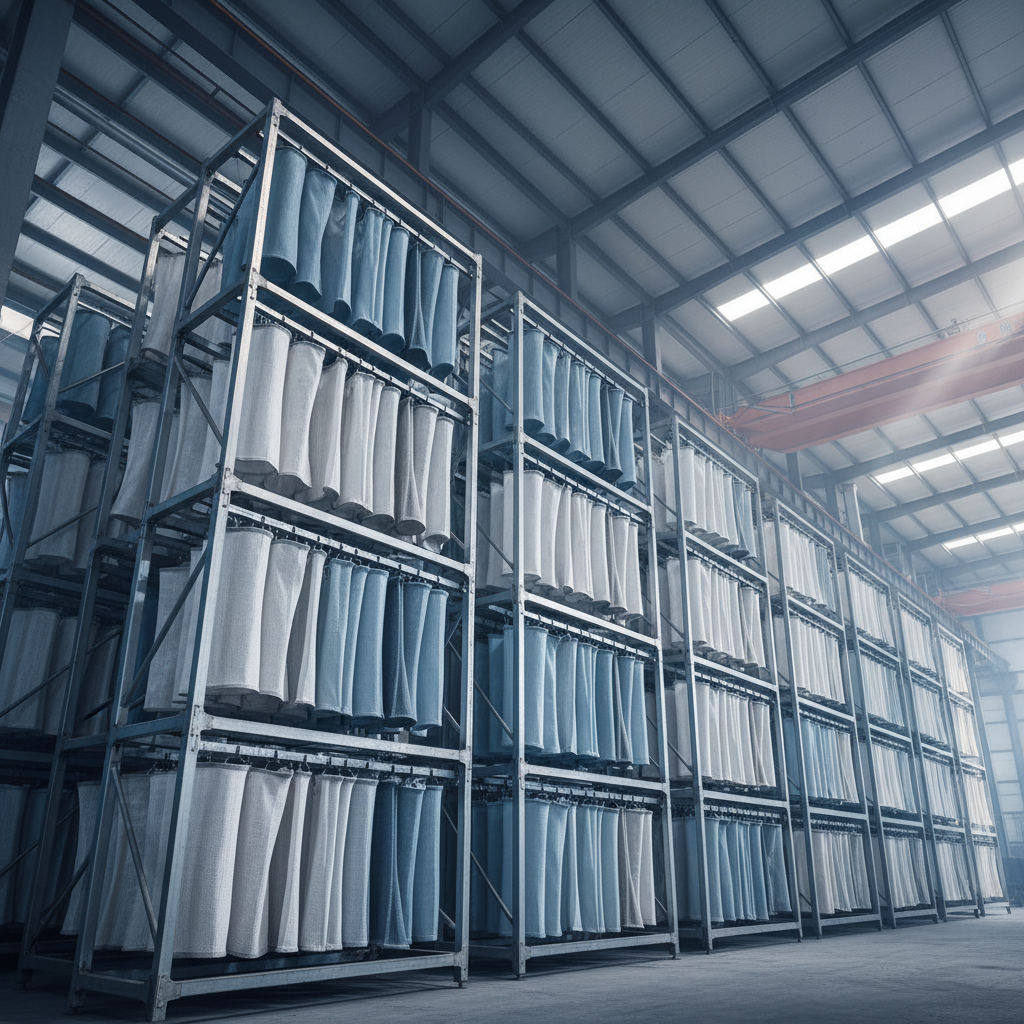
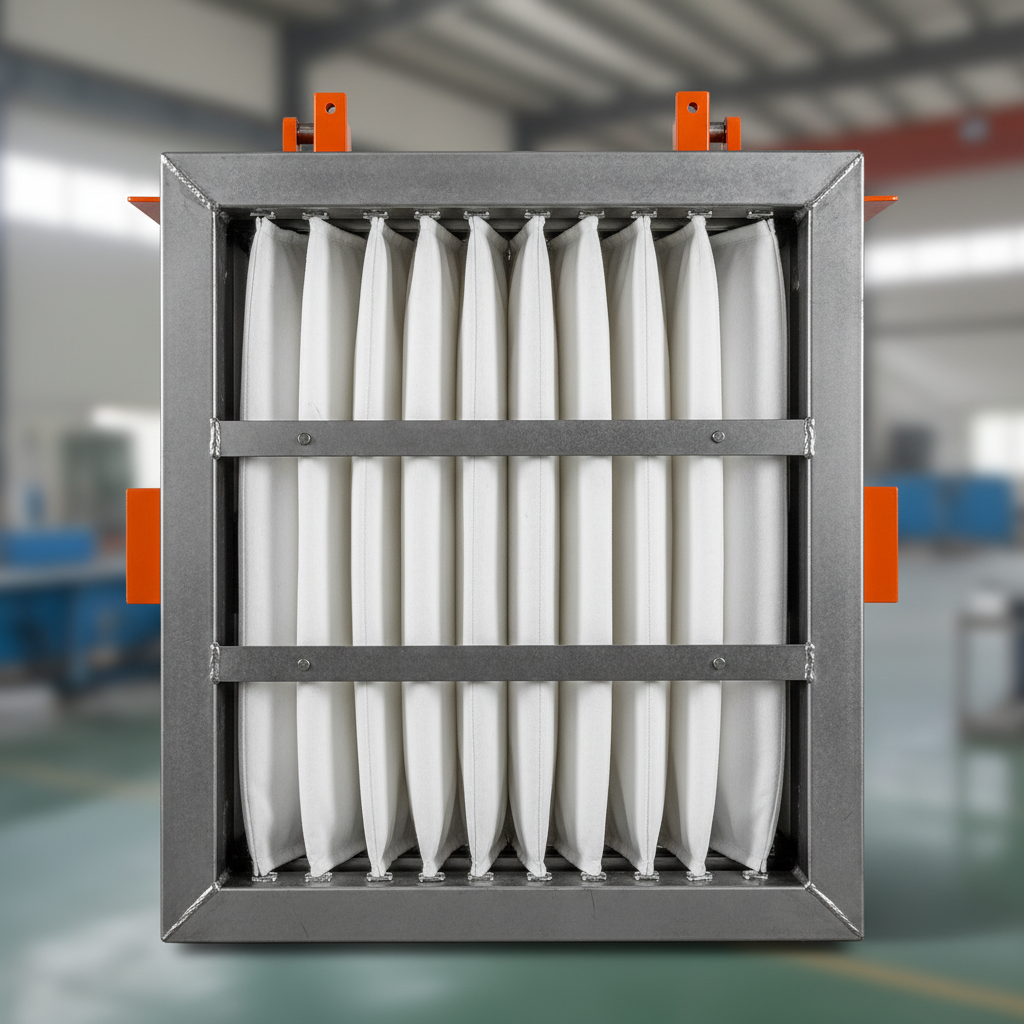
The application of air cleaner media spans a vast array of sectors. In the automotive industry, Oil Filter Paper and Fuel Filter Paper are engineered to handle extreme pressures and chemical exposure, ensuring that engine lubricants and fuels are free of abrasive debris. In contrast, the HVAC industry relies heavily on Synthetic Pocket Filter Media to maintain indoor air quality in commercial skyscrapers and hospitals.
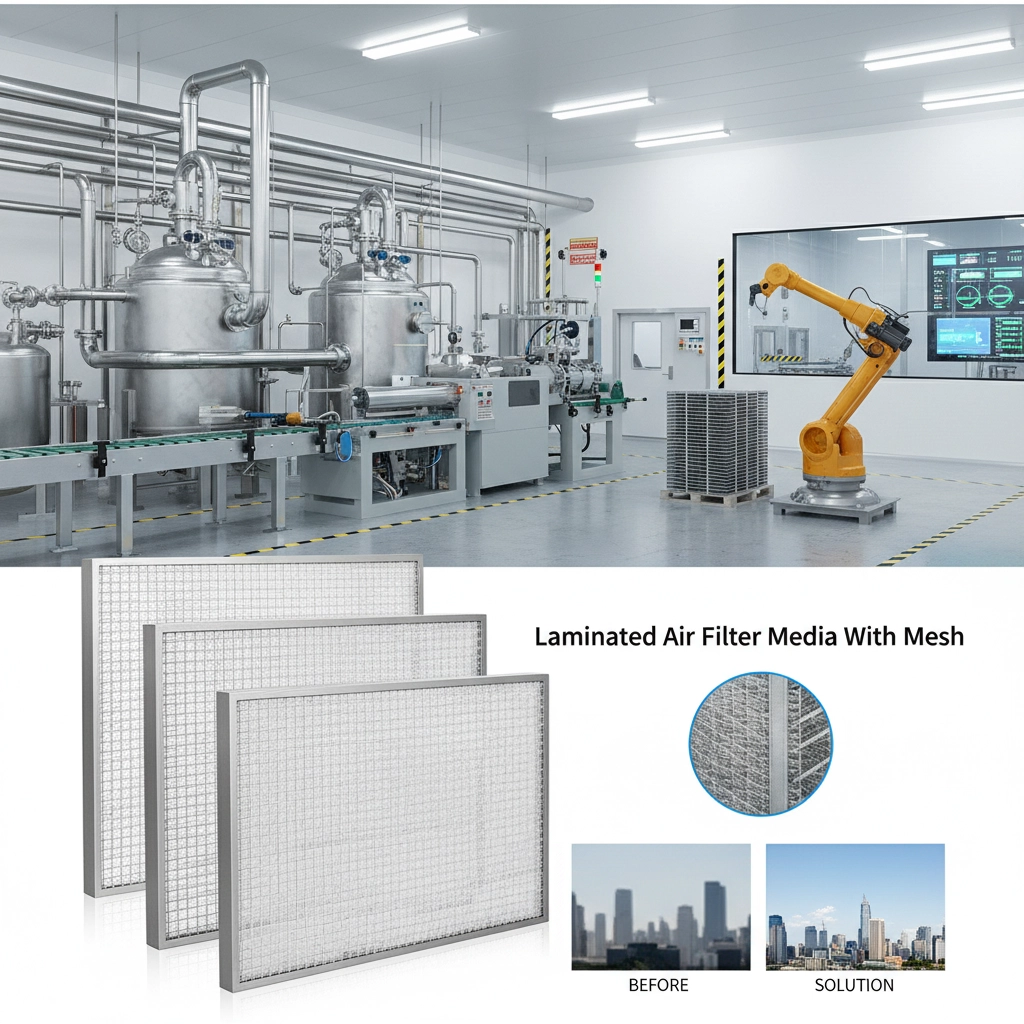
In specialized industrial zones, such as chemical processing plants or painting facilities, Paint Stop Filter Media and Spray Booth Ceiling Filters are utilized to capture overspray and volatile organic compounds (VOCs). These applications often require laminated media with mesh reinforcement to prevent the media from collapsing under high airflow velocities, ensuring consistent air patterns and a high-quality finish on the product.
Efficiency Ratings of Various Air Cleaner Media Types
Long-Term Value and Sustainability
Investing in high-quality air cleaner media yields significant long-term economic value. While lower-grade materials may have a cheaper initial cost, their shorter lifespan and higher pressure drops lead to increased replacement frequency and higher energy bills. By utilizing materials with a higher dust-holding capacity, companies can reduce downtime for maintenance and lower their overall carbon footprint.
From a sustainability perspective, the industry is moving toward recyclable and biodegradable synthetic fibers. The shift toward "green" air cleaner media reduces the volume of non-degradable waste entering landfills. Furthermore, by improving the precision of air filtration, industries can optimize their energy use, aligning with global ESG (Environmental, Social, and Governance) goals and enhancing the reliability of critical infrastructure.
Future Trends in Filtration Innovation
The future of air cleaner media lies in the integration of nanotechnology and smart materials. We are seeing the emergence of "active" media—materials coated with antimicrobial agents or photocatalytic layers that don't just trap particles but actively neutralize pathogens and break down harmful gases. This transformation turns a passive barrier into a proactive purification system.
Digital transformation is also playing a role, with the development of "sensor-integrated" media. Imagine air cleaner media that can signal its own saturation level in real-time via IoT sensors, eliminating the guesswork in replacement schedules. This predictive maintenance approach reduces waste and ensures that the system always operates at peak efficiency.
Additionally, there is a strong trend toward the development of hybrid materials. By combining the strength of fiberglass with the efficiency of meltblown synthetics, manufacturers are creating Laminated Air Filter Media that provide a wider spectrum of protection. These innovations are essential as we face new challenges, such as the need for ultra-pure air in quantum computing environments and advanced biotech labs.
Overcoming Common Filtration Challenges
One of the most persistent challenges in the use of air cleaner media is the trade-off between filtration efficiency and airflow resistance. To overcome this, engineers are adopting "gradient density" structures. By layering materials from coarse to fine, the media can distribute the captured dust throughout its entire depth rather than forming a "cake" on the surface, which effectively lowers the pressure drop.
Another common issue is moisture-induced degradation. Standard cellulose papers can lose structural integrity in high-humidity environments. The solution lies in the adoption of synthetic composite media or hydrophobic-treated glass fibers. These materials repel water while remaining permeable to air, ensuring that the filter does not collapse or become a breeding ground for mold.
Finally, the challenge of particulate "leakage" at the edges of the media is being solved through advanced bonding and lamination techniques. By using high-precision Laminated Composite Filter Media, manufacturers can ensure a seamless seal between the media and the frame, preventing contaminated air from bypassing the filtration stage entirely.
Comparison of Air Cleaner Media Performance Across Different Environmental Stressors
| Media Material |
Thermal Resistance |
Moisture Stability |
Filtration Grade |
| Glass Microfiber |
High |
Medium |
Ultra-Fine |
| Synthetic Composite |
Medium |
High |
Fine |
| Cellulose Paper |
Low |
Low |
Coarse/Medium |
| Meltblown Non-woven |
Low |
Medium |
Ultra-Fine |
| Laminated Mesh |
Medium |
High |
Coarse |
| Composite Fiber |
High |
High |
Fine/Medium |
FAQS
Synthetic air cleaner media is generally more resistant to moisture and more flexible, making it ideal for HVAC and pocket filters. Fiberglass media, however, typically offers higher thermal stability and can capture finer particles, which is why it is preferred in high-temperature industrial exhausts and HEPA filters. The choice depends on your specific environment's temperature and humidity.
The most accurate way is to monitor the pressure drop across the filter using a manometer. When the pressure differential reaches the manufacturer's specified "terminal pressure," the media is saturated and must be replaced. Alternatively, visual inspection for heavy dust loading can be used, although it is less precise than pressure monitoring.
While some coarse laminated media with mesh can be pulse-cleaned or vacuumed to remove surface debris, most high-efficiency air cleaner media are designed for single use. Attempting to clean fine-pore media often damages the fiber structure, creating "holes" that allow contaminants to bypass the filter, thereby compromising the entire system's efficiency.
Gradient density refers to a structure where the pore size gradually decreases from the upstream to the downstream side. This allows larger particles to be trapped in the looser outer layers and smaller particles to be captured in the denser inner layers. This design maximizes the dust-holding capacity and prevents the filter from clogging prematurely.
Meltblown materials are primarily designed for air filtration due to their delicate fiber structure. While some specialized variants can be used for liquid filtration, they often lack the mechanical strength required for high-pressure liquid flows. For liquids, composite filter papers or reinforced synthetic media are generally more appropriate.
The choice of air cleaner media directly affects the "air resistance" or pressure drop. A media with too small a pore size or too high a density requires the system fan to work harder to push air through, which increases kilowatt-hour consumption. Selecting a media that optimizes the balance between efficiency and permeability can reduce operational energy costs by 10-30%.
Conclusion
In summary, air cleaner media is the cornerstone of modern air purification, blending the complexities of material science with the practical needs of industrial efficiency. From the durability of fiberglass to the precision of meltblown synthetics, the correct selection of media not only ensures the longevity of machinery and the health of personnel but also significantly impacts operational costs through energy efficiency and reduced maintenance cycles.
As we look toward the future, the integration of nanotechnology and smart sensing will likely redefine the boundaries of what filtration can achieve. We encourage engineers and facility managers to move beyond "standard" specifications and embrace customized composite solutions that address their specific environmental challenges. For high-performance filtration materials tailored to your industry, visit our website: www.filtersmaterials.com.