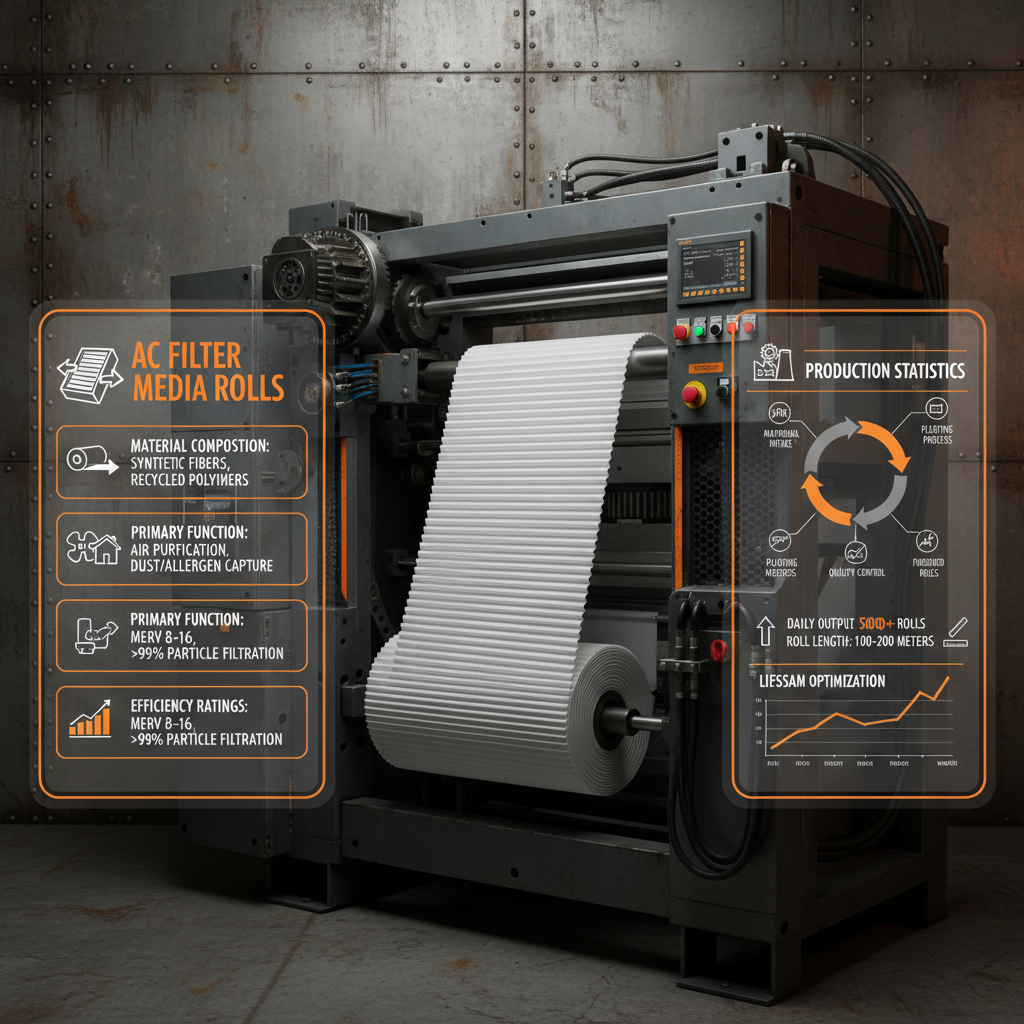
In the contemporary landscape of industrial filtration, ac filter media rolls have emerged as a cornerstone for air and gas purification. These specialized materials combine the mechanical strength of synthetic fibers with the adsorption power of activated carbon, allowing industries to tackle complex volatile organic compounds (VOCs) and odors that standard particulate filters simply cannot capture. Understanding the synergy between these components is essential for any facility aiming to meet stringent environmental standards.
The global shift toward greener manufacturing and stricter air quality regulations has accelerated the demand for high-efficiency adsorption solutions. By deploying ac filter media rolls, operators can achieve a dual-stage filtration process—trapping physical dust while simultaneously neutralizing chemical pollutants. This versatility makes them indispensable in sectors ranging from automotive manufacturing to pharmaceutical cleanrooms, where air purity is non-negotiable.
Ultimately, investing in premium activated carbon composite media is not just about compliance; it is about operational longevity and health. When selected correctly, these rolls minimize pressure drop and extend the lifecycle of HVAC systems, reducing the overall cost of ownership. This guide explores the technical nuances, global applications, and future innovations surrounding these critical filtration components to help you optimize your air purification strategy.
Global Relevance of AC Filter Media Rolls
On a global scale, the proliferation of industrialization in emerging economies has led to a surge in atmospheric pollutants. According to ISO air quality guidelines and environmental reports from the World Bank, the presence of gaseous contaminants in urban industrial zones often exceeds safe thresholds, necessitating advanced filtration. ac filter media rolls address this critical challenge by providing a scalable, cost-effective method for removing hazardous gases and odors from the air stream.
The relevance of these rolls extends beyond simple pollution control; they are vital for the protection of sensitive electronic components and pharmaceutical ingredients that can be degraded by trace chemical vapors. By integrating these media into global supply chains, manufacturers can ensure that their production environments remain sterile and chemically inert, thereby reducing waste and improving the yield of high-value products.
Defining the Mechanics of AC Filter Media Rolls
At its core, ac filter media rolls are composite materials where activated carbon—a highly porous form of carbon—is impregnated into or laminated with a synthetic or fiberglass substrate. Unlike traditional granulated carbon beds, which can be bulky and prone to "channeling" (where air bypasses the carbon), these rolls provide a uniform distribution of adsorbent material across a thin, flexible web. This ensures that every cubic centimeter of air passing through the filter is subjected to the adsorption process.
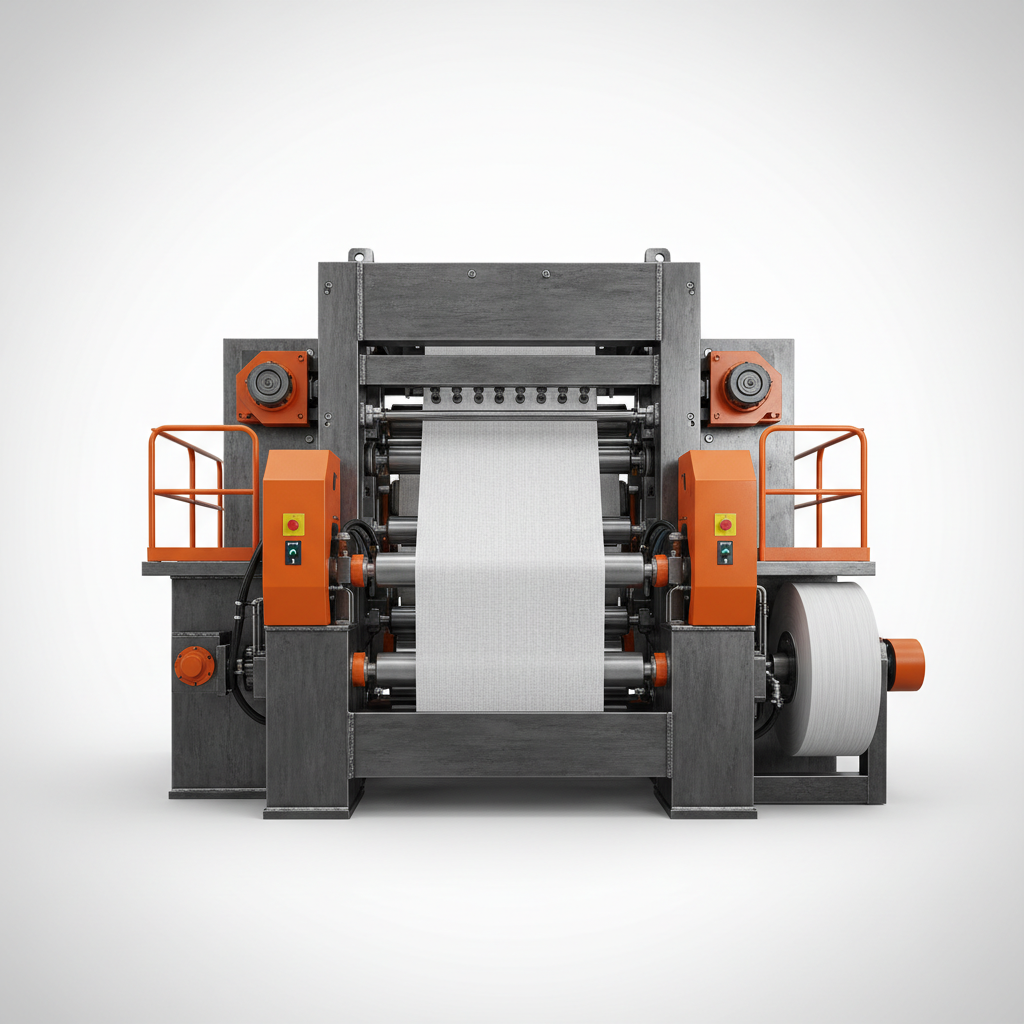
The "AC" (Activated Carbon) component works through a process known as adsorption, where gas molecules adhere to the internal pore surfaces of the carbon. This is distinct from absorption, as it is a surface-based phenomenon. The roll format allows for immense flexibility in fabrication, enabling the media to be cut and pleated into various shapes, such as pocket filters or pleated panels, depending on the airflow requirements of the specific industrial application.
In modern industry, this material serves as a critical bridge between mechanical filtration and chemical scrubbing. By combining a non-woven polyester or polypropylene base with a carbon layer, the resulting ac filter media rolls can trap particulate matter via the fiber matrix while the carbon manages the molecular-level pollutants. This dual-functionality is what makes them a preferred choice for automotive paint booths and chemical processing plants.
Core Components and Performance Drivers
The effectiveness of ac filter media rolls is primarily driven by the quality of the activated carbon and the architecture of the supporting substrate. The carbon's "pore size distribution" determines which specific molecules it can capture; micropores are ideal for small gas molecules, while mesopores handle larger organic compounds. When the carbon is evenly distributed within the roll, it prevents the formation of air gaps, ensuring maximum contact time between the contaminant and the adsorbent.
Another critical factor is the "Pressure Drop," which refers to the resistance the air encounters as it passes through the ac filter media rolls. A well-engineered roll balances high adsorption capacity with a high porosity substrate to ensure that the system's fans do not have to work overtime, which would otherwise increase energy consumption and lead to premature equipment wear.
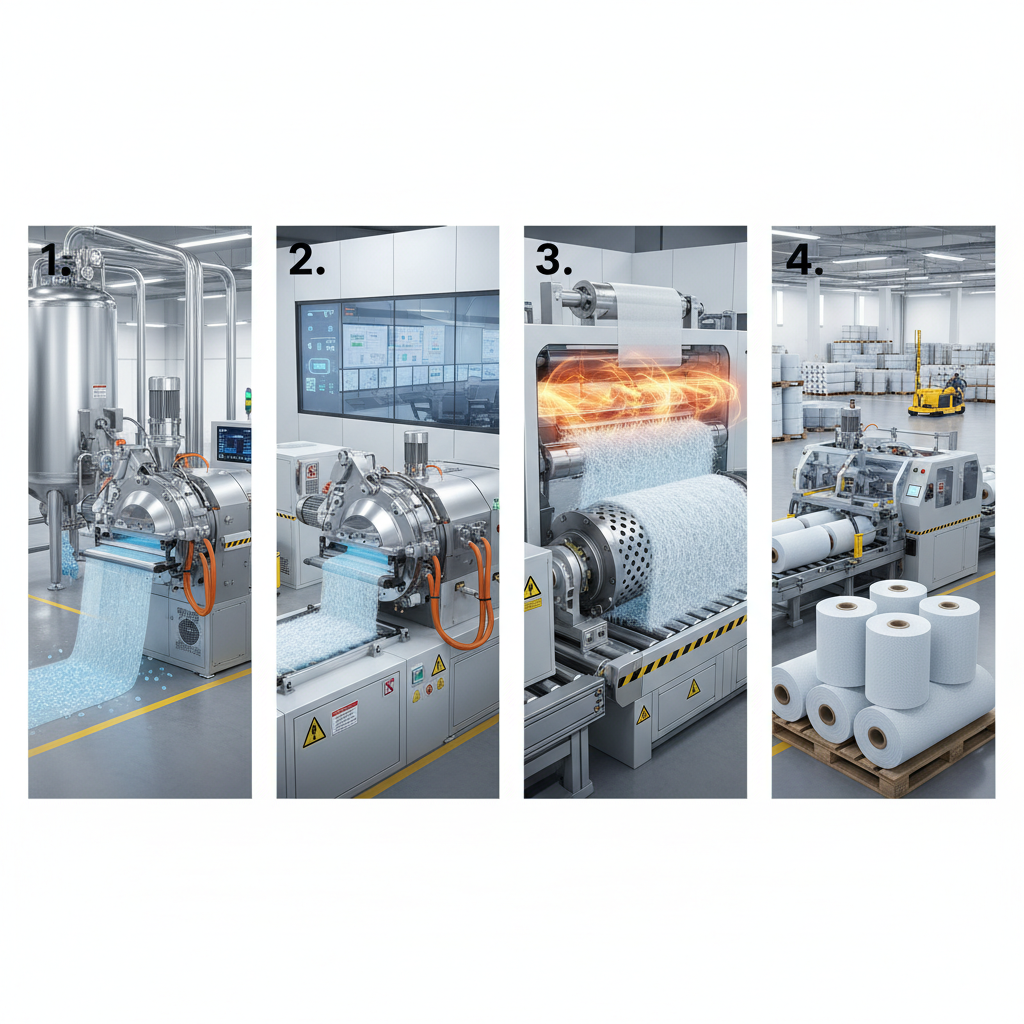
Finally, structural durability plays a major role. Since these rolls are often used in high-velocity air streams, the bond between the carbon and the fabric must be exceptionally strong to prevent "carbon shedding"—the release of carbon dust into the clean air stream. High-grade binders and thermal bonding techniques are employed to ensure that the ac filter media rolls maintain their integrity over thousands of operating hours.
Industrial Applications and Use Cases
The versatility of ac filter media rolls allows them to be deployed across a vast spectrum of environments. In the automotive industry, specifically within paint spray booths, these rolls are used to capture solvent vapors and over-spray, preventing toxic fumes from escaping into the atmosphere and ensuring a pristine finish on the vehicle. Similarly, in the food and beverage industry, they are used to eliminate pungent odors from processing areas, maintaining a professional and hygienic environment.
Beyond traditional factories, these materials are vital in specialized sectors. For instance, in medical laboratories and pharmaceutical cleanrooms, ac filter media rolls are often integrated into HEPA filtration systems to remove trace organic chemicals that could contaminate sensitive samples. In remote industrial zones, such as oil rigs or mining sites, these rolls provide a compact way to purify air in enclosed living quarters where outdoor air is heavily laden with sulfur and hydrocarbons.
Performance Efficiency of Various AC Filter Media Roll Types
Tangible Advantages and Long-Term Value
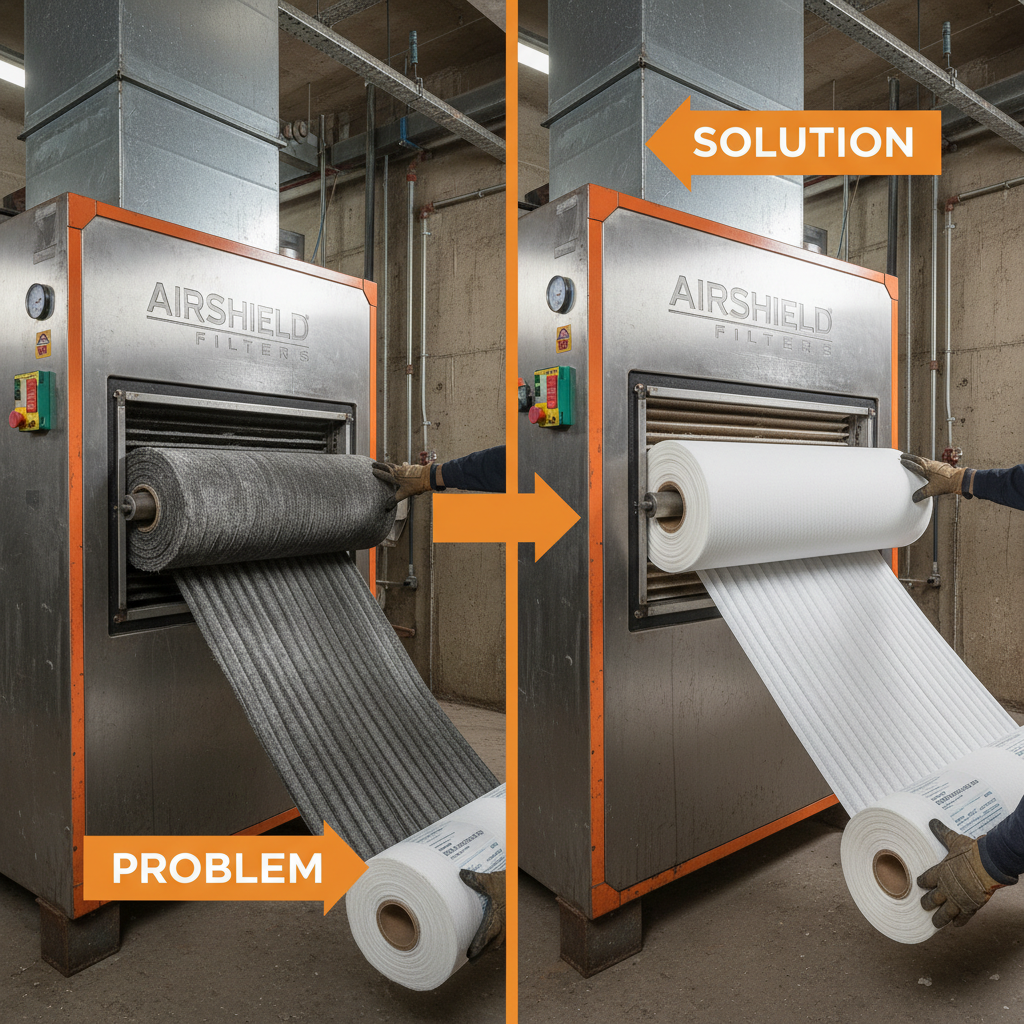
One of the primary logical advantages of using ac filter media rolls is the significant reduction in operational downtime. Because these rolls are compatible with standard filter frames and can be quickly replaced or rolled into custom sizes, maintenance teams can swap out saturated media without needing to overhaul the entire ventilation system. This reliability translates directly into cost savings and uninterrupted production cycles.
From a sustainability and ethical perspective, the use of these rolls contributes to a healthier workforce. By effectively removing VOCs and hazardous gases, companies demonstrate a commitment to worker safety and dignity, reducing the risk of long-term respiratory illnesses. Moreover, the development of regenerable carbon media is paving the way for a circular economy, where the spent ac filter media rolls can be reactivated rather than sent to a landfill, lowering the environmental footprint of the entire facility.
Future Innovations in Carbon Filtration
The future of ac filter media rolls is being shaped by nanotechnology and materials science. We are seeing the emergence of "doped" activated carbons, where metal oxides or specific polymers are added to the carbon matrix to target specific chemicals—such as formaldehyde or ammonia—with much higher precision. These specialized rolls allow for "surgical" air purification, targeting only the most harmful pollutants without unnecessarily increasing air resistance.
Digital transformation is also making its mark through the integration of smart sensors within the filter housing. Future systems will likely use differential pressure sensors and gas-phase detectors to monitor the saturation level of ac filter media rolls in real-time. Instead of replacing filters on a fixed schedule, AI-driven maintenance will trigger a replacement only when the carbon is truly exhausted, maximizing material usage and reducing waste.
Furthermore, there is a strong push toward "green carbon" sources. Rather than relying on coal-based activated carbon, manufacturers are exploring coconut shells, bamboo, and recycled agricultural waste to produce the carbon for ac filter media rolls. This transition not only reduces the carbon footprint of the manufacturing process but also provides a more sustainable supply chain for the global filtration market.
Overcoming Technical Challenges in Deployment
Despite their efficiency, the deployment of ac filter media rolls is not without challenges. One common issue is "premature saturation," where particulate dust clogs the surface of the roll before the activated carbon has a chance to adsorb the gases. To solve this, experts recommend a staged filtration approach: placing a pre-filter (such as a synthetic G4 filter) before the AC media to capture large particles, thereby extending the life of the expensive carbon layer.
Another hurdle is the challenge of humidity. High moisture levels in the air can occupy the pores of the activated carbon, effectively "blocking" them from capturing organic vapors. To overcome this, advanced ac filter media rolls are now being engineered with hydrophobic coatings or combined with desiccant layers. This ensures that the carbon remains effective even in humid environments like laundry facilities or coastal industrial plants.
Finally, the issue of correct sizing and installation cannot be overlooked. Air bypassing the edges of the filter—known as "leakage"—can render even the highest-quality media useless. The solution lies in the use of precision-engineered gaskets and high-quality frames that ensure a tight seal around the ac filter media rolls, forcing 100% of the air through the active material.
Comparative Analysis of AC Filter Media Roll Deployment Strategies
| Deployment Method |
Target Pollutant |
Operational Lifespan |
Efficiency Score |
| Single Stage AC Roll |
Light VOCs |
Short (1-3 Months) |
6/10 |
| Pre-filtered AC Setup |
Mixed Dust & Gas |
Medium (6-12 Months) |
8/10 |
| Multi-layered Composite |
Complex Toxins |
Long (12-24 Months) |
10/10 |
| Hydrophobic AC Media |
Humid Gas Streams |
Medium (6-9 Months) |
7/10 |
| Impregnated Chemical Roll |
Specific Acid Gases |
Medium (4-8 Months) |
9/10 |
| High-Airflow Mesh AC |
High Volume Odors |
Short (2-4 Months) |
5/10 |
FAQS
The most reliable way to detect saturation is through "breakthrough" monitoring, where you detect the presence of the target pollutant on the downstream side of the filter. Alternatively, a significant increase in pressure drop (measured by a manometer) can indicate that the media is clogged with particulates, though the carbon itself may still have adsorption capacity. We recommend combining gas-phase sensing with regular pressure checks for the most accurate results.
No, ac filter media rolls cannot be washed with water or chemicals. Washing would destroy the delicate pore structure of the activated carbon and likely wash away the carbon particles from the synthetic substrate. Once the carbon's active sites are filled, the media must be replaced or, in the case of industrial bulk pellets, thermally reactivated in a kiln. For rolls, replacement is the standard and most hygienic practice.
Standard HEPA filters are designed to capture physical particles (dust, spores, bacteria) through mechanical interception and diffusion. They have almost zero effect on gases or odors. In contrast, ac filter media rolls use chemical adsorption to trap molecular-level pollutants. For complete air purification, it is common to use both: the AC roll to remove smells and gases, and the HEPA filter to remove microscopic dust.
High humidity can lead to "competitive adsorption," where water molecules occupy the pores of the carbon, leaving less room for organic contaminants. This effectively lowers the filter's efficiency. To mitigate this, we recommend using a dehumidifier upstream or choosing specialized hydrophobic ac filter media rolls that are designed to repel water while still attracting organic gas molecules.
Standard activated carbon is excellent for most organic solvents and odors. However, some very small or highly polar molecules (like ammonia or certain acid gases) may not be captured efficiently by standard carbon. For these specific cases, "impregnated" ac filter media rolls—which are treated with specific chemical reagents—are required to ensure total neutralization.
Activated carbon is naturally "thirsty" and will begin adsorbing gases from the surrounding air even while in storage. Therefore, ac filter media rolls should be stored in airtight, moisture-proof plastic packaging in a cool, dry environment. Avoid storing them near strong chemicals or perfumes, as this will prematurely exhaust the carbon before the material is even installed in your system.
Conclusion
In summary, ac filter media rolls represent a vital technological intersection between mechanical filtration and chemical adsorption. By integrating high-surface-area activated carbon into flexible, durable substrates, these materials provide an essential defense against VOCs, industrial odors, and hazardous atmospheric pollutants. From ensuring the safety of factory workers to maintaining the integrity of pharmaceutical products, the long-term value of these rolls lies in their ability to deliver clean, breathable air with minimal operational friction.
As we move toward a future defined by "Industry 4.0" and a heightened commitment to environmental sustainability, the role of advanced filtration will only grow. We suggest that facility managers move toward a proactive, sensor-based replacement strategy and explore the use of green-sourced carbon media to further reduce their ecological footprint. Investing in high-quality ac filter media rolls today is a strategic step toward a safer, more efficient, and more sustainable industrial tomorrow. Visit our website for more professional solutions: www.filtersmaterials.com.