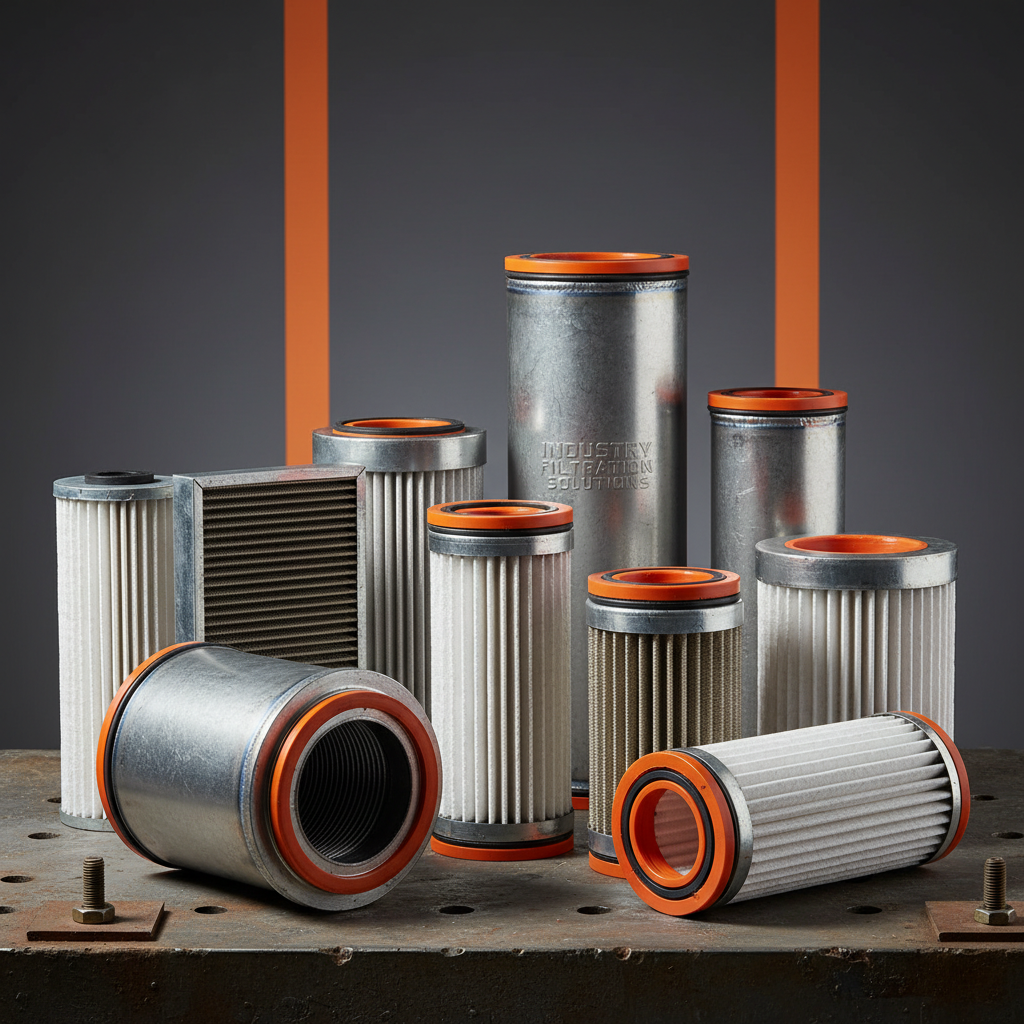
In the contemporary landscape of industrial filtration, ac filter media stands as a cornerstone for maintaining air purity and operational efficiency. As industries shift toward more stringent environmental regulations and health standards, the demand for specialized activated carbon composite materials has surged, providing a critical defense against volatile organic compounds (VOCs) and hazardous odors.
The global relevance of these materials is underscored by the increasing urbanization and industrialization in emerging markets, where air quality often becomes a primary public health concern. By integrating the adsorptive power of activated carbon with the structural integrity of composite substrates, ac filter media addresses the critical gap between simple particulate filtration and complex chemical gas removal.
Understanding the nuances of this technology is not merely a technical requirement for engineers but a strategic advantage for businesses aiming to reduce their carbon footprint and ensure workplace safety. From automotive cabins to semiconductor cleanrooms, the application of high-performance filtration media ensures that the air we breathe is stripped of invisible threats, fostering a healthier global environment.
Global Industrial Context of AC Filter Media
The global demand for ac filter media has seen an exponential rise, aligned with ISO standards for indoor air quality and the World Health Organization's guidelines on particulate and gaseous pollution. As cities expand, the concentration of industrial pollutants increases, making the deployment of carbon-based filtration essential in HVAC systems and industrial exhaust treatments to prevent respiratory illnesses and environmental degradation.
Challenges such as the "Urban Heat Island" effect and increased smog levels have pushed the automotive and aerospace sectors to integrate more sophisticated composite filters. This shift is not just about compliance; it is about the survival of delicate electronics in industrial settings and the protection of human health in high-density urban zones.
Technical Definition and Functional Meaning
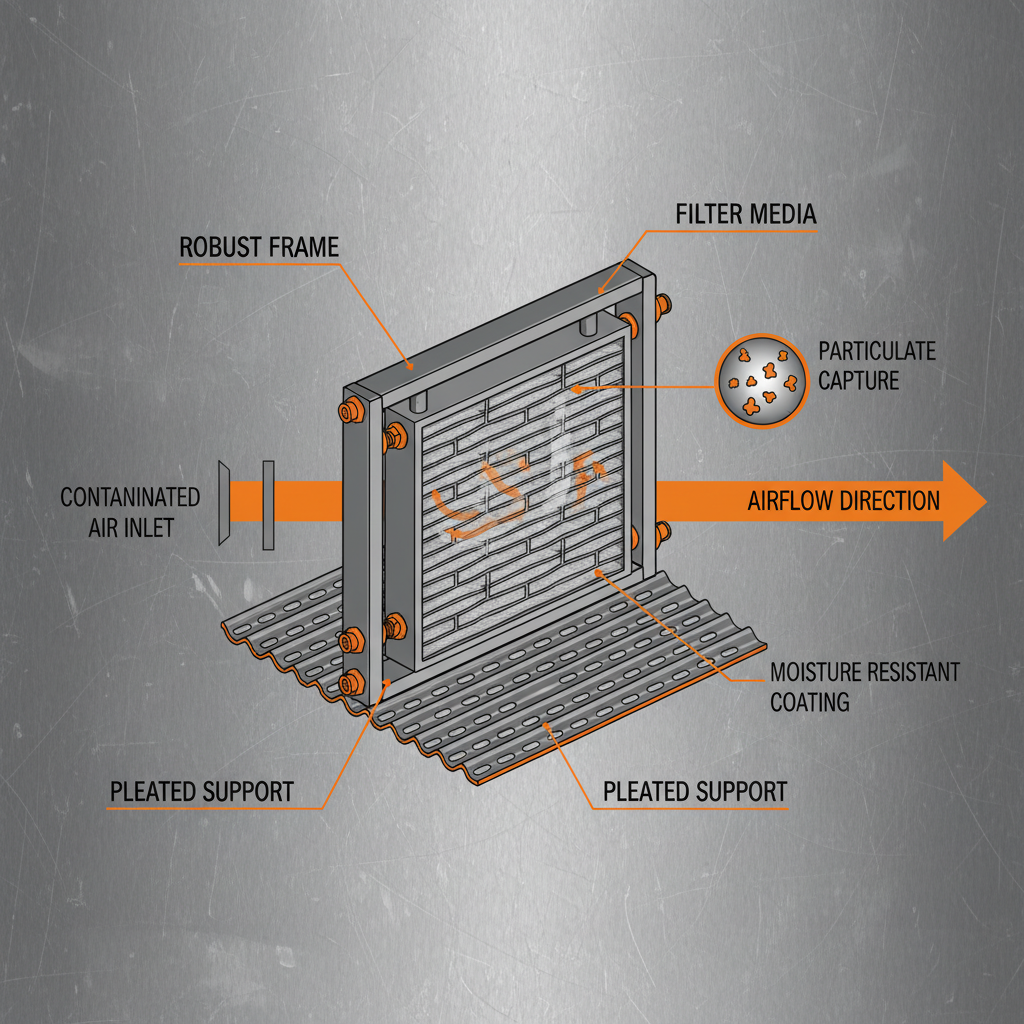
At its core, ac filter media refers to a composite material where activated carbon is integrated into a structural substrate—such as non-woven polyester, fiberglass, or synthetic polymers. Unlike standard mechanical filters that trap particles based on size, this media utilizes adsorption, a process where gas molecules adhere to the internal pore surfaces of the carbon, effectively removing odors, toxins, and chemical vapors from the air stream.
This technology bridges the gap between physical separation and chemical purification. By embedding the carbon within a composite matrix, manufacturers can control the pressure drop while maximizing the contact time between the contaminant and the adsorbent, ensuring that the air is cleaned without overloading the ventilation system.
In modern industry, this meaning extends to "smart" filtration. The evolution of these materials now involves tailored pore sizes and modified surface chemistries, allowing the media to target specific pollutants, such as formaldehyde or sulfur dioxide, making it an indispensable tool for both humanitarian health initiatives and high-tech industrial manufacturing.
Core Components of High-Performance Filtration
The effectiveness of ac filter media relies heavily on its adsorption capacity. This is determined by the surface area of the activated carbon used; high-quality media can possess thousands of square meters of internal surface area per gram, providing an immense number of sites for contaminant capture.
Structural durability is another critical factor. The substrate must be capable of holding the carbon particles securely to prevent "dusting"—the release of carbon fines into the clean air stream. Advanced bonding techniques and laminated composite structures ensure that the ac filter media maintains its physical integrity under high-velocity airflow.
Finally, airflow permeability and cost-efficiency define the commercial viability of the product. A balanced media design minimizes the energy required to push air through the filter (low pressure drop) while maintaining a high capture rate, thereby reducing the long-term operational costs for facility managers and industrial operators.
Operational Performance Metrics
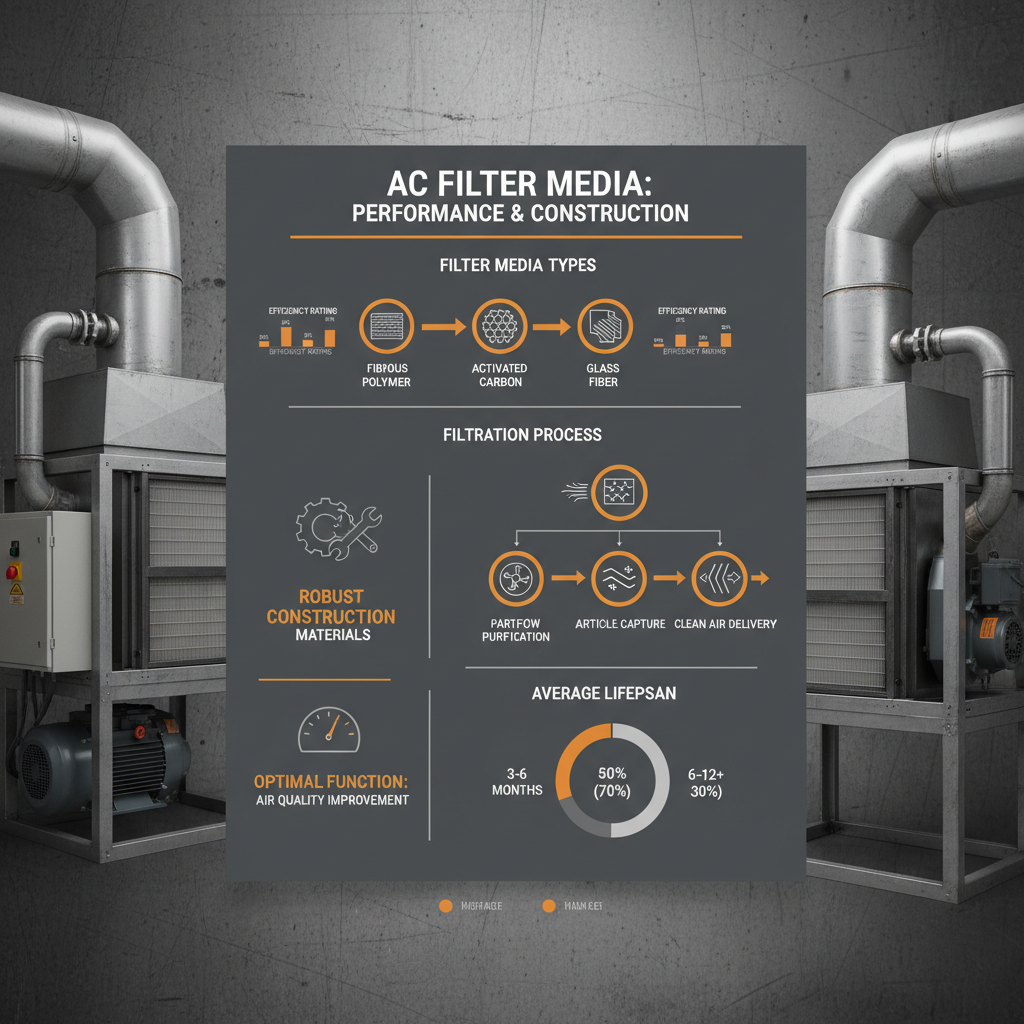
Evaluating the performance of ac filter media requires a multi-dimensional approach. Key metrics include the Breakthrough Time—the duration until the media is saturated and pollutants begin to pass through—and the Adsorption Efficiency, which measures the percentage of target chemicals removed from the air.
By analyzing these metrics, engineers can determine the optimal replacement cycle for filters, ensuring that the air quality never drops below the required safety threshold while avoiding premature replacement of functional media.
Comparison of AC Filter Media Performance by Material Type
Global Applications and Use Cases
The versatility of ac filter media allows it to be deployed across diverse environments. In the automotive industry, it is the primary component in cabin air filters, shielding passengers from nitrogen oxides and smog in congested cities like Delhi or Beijing. In industrial settings, it is utilized in spray booth ceiling filters to capture solvent vapors, ensuring that painters work in a safe, toxin-free environment.
Furthermore, in specialized contexts such as post-disaster relief or remote industrial zones, portable air scrubbing units utilizing this media provide immediate relief from hazardous fumes. Whether it is in a high-tech laboratory in Singapore or a manufacturing plant in Germany, the ability to strip chemical contaminants from the air is vital for operational continuity and human safety.
Long-Term Value and Sustainability
Investing in high-quality ac filter media provides tangible long-term value by reducing energy consumption. Filters with optimized porosity allow for higher airflow with lower resistance, which directly translates to lower electricity costs for large-scale HVAC systems.
Beyond the financial aspect, there is a profound social impact. By ensuring the dignity of healthy breathing conditions in workplaces, companies foster trust and productivity. The reliability of these materials means fewer system failures and a consistent safety record, which is an invaluable asset for any brand's reputation.
From a sustainability perspective, the industry is moving toward "regenerative" carbon media. Innovations in thermal reactivation allow used filter media to be processed and reused, drastically reducing the waste associated with disposable filters and aligning industrial practices with the circular economy.
Future Trends in Material Innovation
The future of ac filter media is being shaped by nanotechnology. The integration of graphene and carbon nanotubes into the filter matrix is expected to increase adsorption speeds and capacity by orders of magnitude, allowing for thinner filters that perform better than current thick-bed alternatives.
Digital transformation is also playing a role, with the development of "smart filters" embedded with sensors. These sensors can monitor the saturation level of the carbon in real-time, alerting facility managers via IoT platforms exactly when the media needs replacement, thus eliminating guesswork and optimizing maintenance schedules.
Moreover, the push for green energy is driving the development of bio-based activated carbons derived from agricultural waste (like coconut shells or bamboo). This shift not only reduces the reliance on coal-based carbon but also lowers the overall carbon footprint of the filtration media production process.
Analysis of AC Filter Media Performance Across Different Industrial Categories
| Industry Sector |
Primary Pollutant Target |
Required Lifespan |
Efficiency Rating |
| Automotive |
NOx, Ozone, Smog |
6-12 Months |
8.5/10 |
| Chemical Plant |
Organic Solvents |
3-6 Months |
9.8/10 |
| Hospital/Medical |
Anesthetics, VOCs |
1-3 Months |
9.5/10 |
| Food Processing |
Food Odors, Amines |
4-8 Months |
8.0/10 |
| Electronics Lab |
Acid Vapors |
6-12 Months |
9.2/10 |
| Paint Booth |
Toluene, Xylene |
2-5 Months |
9.0/10 |
FAQS
While HEPA filters are designed to trap physical particles (dust, pollen, mold), ac filter media is designed for molecular adsorption. It removes gases, odors, and chemical vapors that are far too small for a HEPA filter to catch. For complete air purification, these two are often used in tandem in a multi-stage filtration system.
Replacement is typically indicated by "breakthrough," where odors or chemical smells become detectable again. Professionally, we recommend monitoring the pressure drop across the filter; a significant increase indicates particulate clogging, while a sudden decrease in air purity (measured by sensors) indicates carbon saturation.
Yes, especially when utilizing bio-based activated carbons from sustainable sources like coconut shells. Furthermore, the industry is moving toward recyclable composite substrates and thermal regeneration processes that allow the carbon to be "cleaned" and reused, reducing landfill waste significantly.
Humidity can impact performance because water molecules can compete with pollutants for adsorption sites. However, high-performance composite ac filter media is often treated with hydrophobic coatings to ensure that gaseous pollutants are still captured efficiently even in humid conditions.
Granular carbon is usually loose in a bed, which can lead to "channeling" where air bypasses the carbon. Composite media integrates the carbon into a fabric or mesh, ensuring uniform airflow and preventing carbon dust from leaking into the air stream, which is critical for automotive and medical applications.
The best approach is to partner with a manufacturer that provides comprehensive technical data sheets (TDS) and conforms to international ISO standards. This ensures that the ac filter media meets the specific regulatory requirements of the destination country, whether it be REACH in Europe or EPA in the US.
Conclusion
In summary, ac filter media represents a critical intersection of material science and environmental health. By combining the chemical adsorptive properties of activated carbon with the physical strength of modern composites, these materials provide an essential shield against the invisible chemical pollutants of the modern industrial age. From reducing operational costs through energy-efficient design to safeguarding human health in urban environments, the value of high-performance filtration cannot be overstated.
Looking ahead, the integration of nanotechnology and IoT-driven monitoring will transform these passive filters into active, intelligent air management systems. For businesses and engineers, the priority should be to transition toward sustainable, bio-based carbon sources and regenerative media to align air quality goals with global environmental commitments. We invite you to explore the latest innovations in composite filtration and secure your facility's future. Visit our website: www.filtersmaterials.com