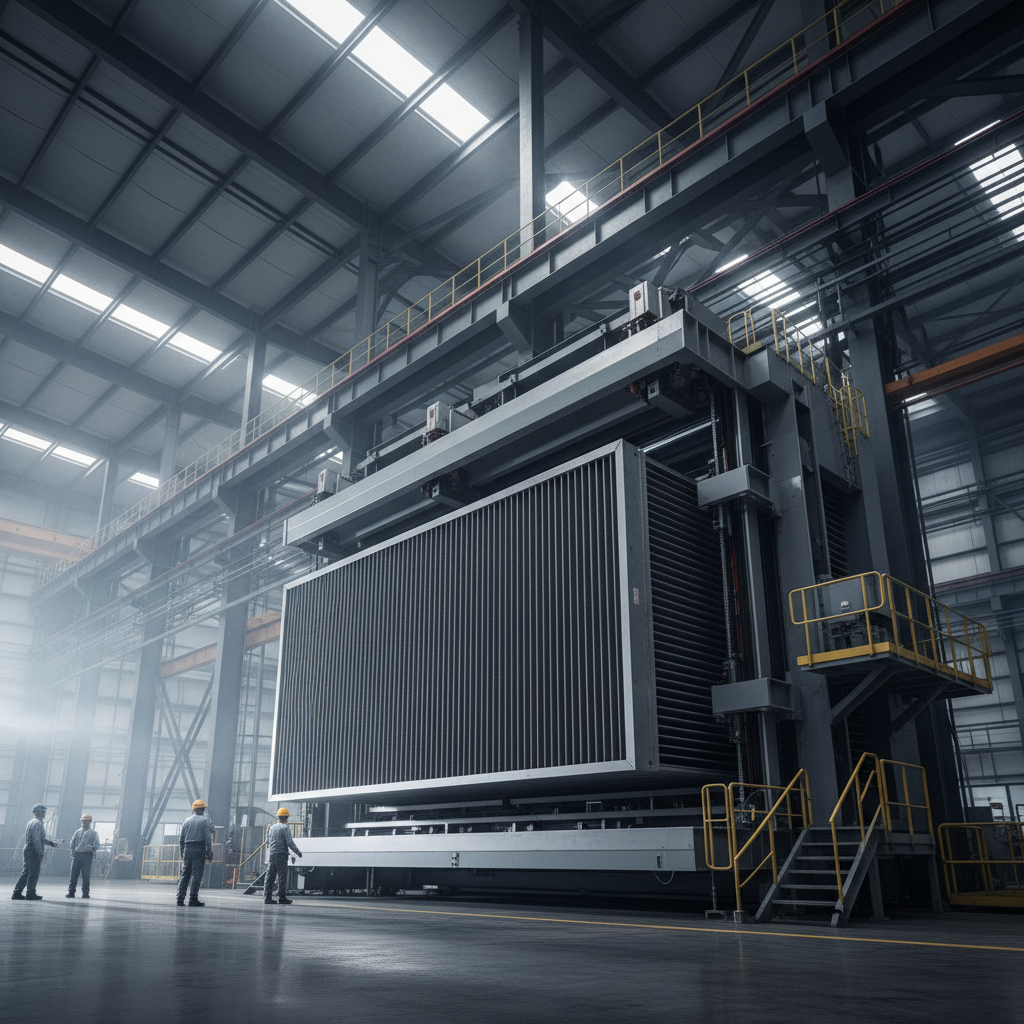
In the modern industrial landscape, the demand for ultra-pure environments has made the hepa media filter an indispensable component of air purification systems. These advanced materials are engineered to capture microscopic particles, ensuring that air quality meets the stringent requirements of medical, electronic, and pharmaceutical sectors. Understanding the nuance of these materials is key to optimizing operational efficiency and safety.
The global shift toward healthier living spaces and more sterile manufacturing processes has propelled the evolution of filter media. Today, a high-efficiency particulate air (HEPA) medium is not just a barrier but a complex engineered structure designed to balance high capture rates with manageable pressure drops. As regulatory bodies tighten air quality standards, the reliance on precision-manufactured filter media continues to grow.
By exploring the technical specifications and material science behind the hepa media filter, businesses can significantly reduce contamination risks and prolong the lifespan of their HVAC and cleanroom equipment. This guide provides a deep dive into the mechanics, applications, and future innovations of high-efficiency filtration media.
The Fundamentals of HEPA Media Engineering
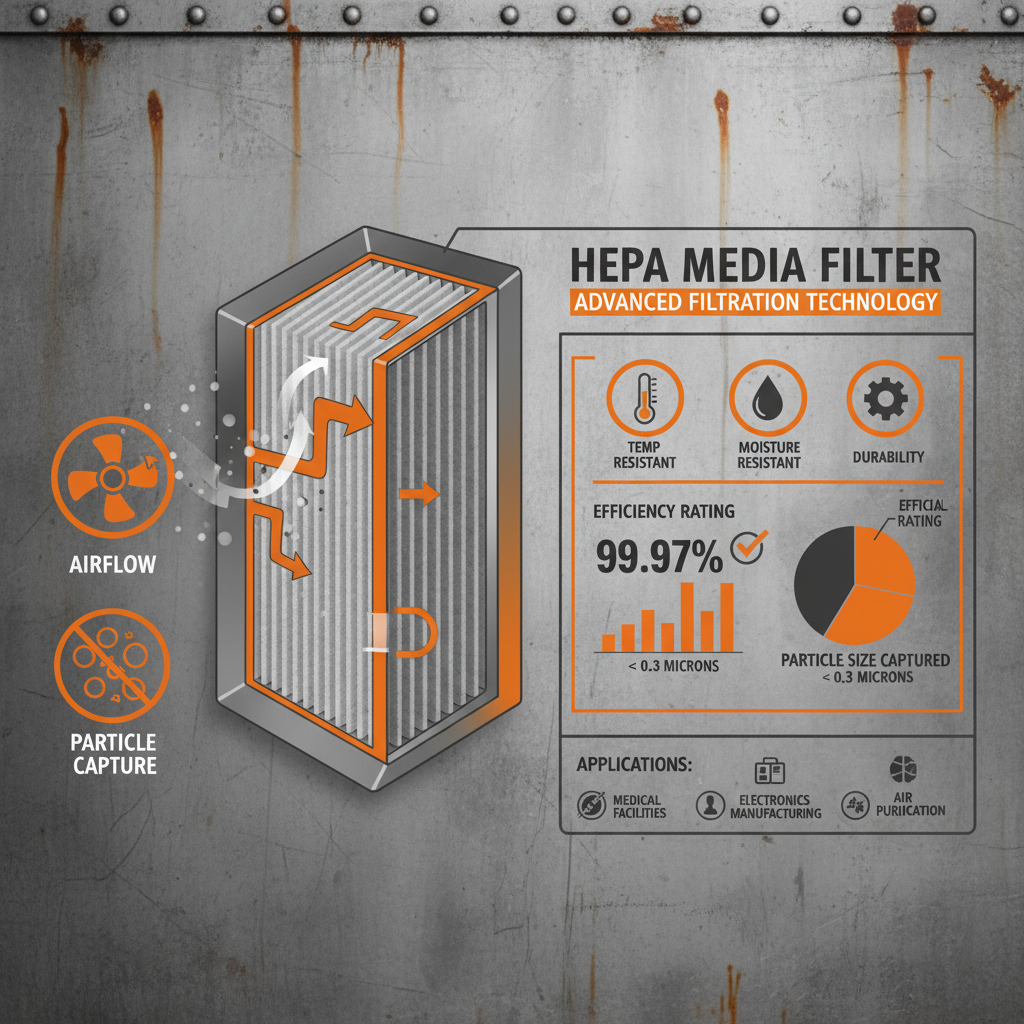
At its core, a hepa media filter operates on more than just simple straining. While a screen stops particles larger than its holes, HEPA media utilizes a combination of interception, impaction, and diffusion. These mechanisms allow the media to capture particles as small as 0.3 microns—the most difficult size to trap—with an efficiency of 99.97% or higher.
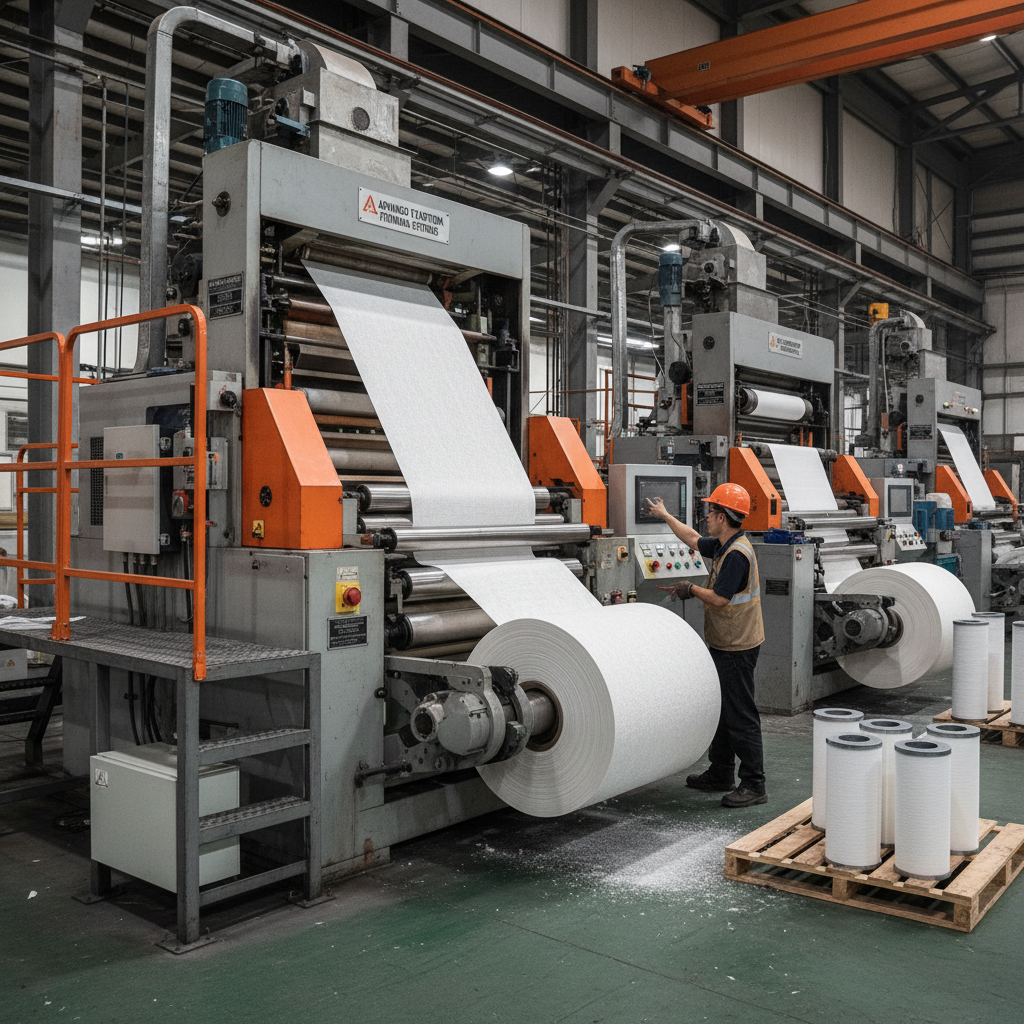
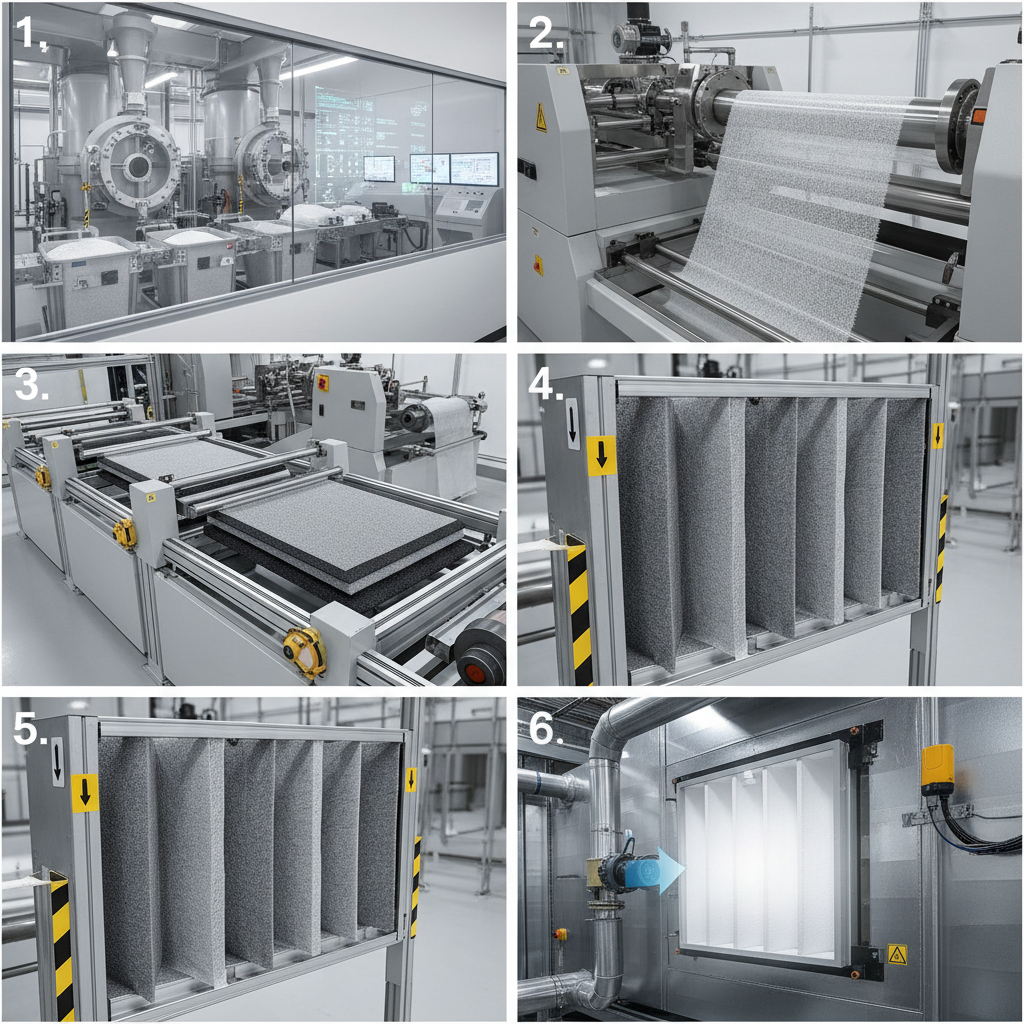
The engineering process involves the random orientation of borosilicate glass fibers or synthetic polymers. This non-woven structure creates a tortuous path for air, increasing the likelihood that a particle will collide with and adhere to a fiber. The precision in fiber diameter and density is what separates a standard industrial filter from a true medical-grade HEPA medium.
Global Industry Standards for Filtration Efficiency
The global standardization of the hepa media filter is governed by rigorous benchmarks such as ISO 29463 and EN 1822. These standards ensure that regardless of where a filter is manufactured, its ability to protect critical environments remains consistent. For instance, the classification of H13 or H14 filters defines the exact leak-proofness and efficiency levels required for operating theaters and semiconductor cleanrooms.
Industry data indicates that the adoption of these international standards has reduced contamination-related failures in pharmaceutical manufacturing by nearly 30% over the last decade. By adhering to a unified testing protocol—where particles are challenged at specific velocities—engineers can predict the exact lifespan and replacement cycle of the filter media based on the dust-loading capacity.
However, the challenge remains in the "real-world" application where humidity and temperature fluctuate. While a lab-tested hepa media filter performs perfectly under controlled conditions, the industry is now moving toward "dynamic testing" to ensure that the structural integrity of the glass microfiber holds up under varying pneumatic stresses.
Core Material Components and Fiber Dynamics
The effectiveness of a hepa media filter is fundamentally rooted in the chemistry of its fibers. Most high-end media utilize borosilicate glass fibers, which provide an exceptional balance of strength and diameter. These fibers are melted and spun into a random web, creating the intricate maze necessary for particle capture.
Beyond the fibers, the binding agents and support layers are critical. A hepa media filter often incorporates a scrim or a support mesh made of polyester or polypropylene to prevent the fragile glass fibers from rupturing under high air pressure, ensuring the structural stability of the entire filtration assembly.
Modern iterations are also exploring synthetic polymers and electrospun nanofibers. These materials allow for a thinner media layer that maintains the same efficiency as traditional glass fiber but offers a lower resistance to airflow, effectively reducing the energy consumption of the fans powering the air filtration system.
Performance Metrics and Pressure Drop Analysis
One of the most critical trade-offs in the design of a hepa media filter is the relationship between filtration efficiency and pressure drop. A denser fiber web captures more particles but requires more energy to push air through. This "pressure drop" is measured in Pascals (Pa) and directly impacts the operational cost of a facility's ventilation system.
To optimize this, manufacturers use advanced fluid dynamics simulations to determine the ideal fiber density. By analyzing the "Most Penetrating Particle Size" (MPPS), they can ensure that the filter captures the hardest-to-catch particles without creating an excessive bottleneck that would strain the motor and increase noise levels in the environment.
Comparative Efficiency of HEPA Media Filter Variants
Diverse Applications Across Sterile Environments
The application of a hepa media filter spans across various high-stakes industries. In the healthcare sector, they are the backbone of positive-pressure isolation rooms, preventing airborne pathogens from entering or leaving a patient's space. This is critical in managing highly infectious diseases where a single breach in filtration could lead to a facility-wide outbreak.
Beyond hospitals, these filters are vital in the electronics industry, specifically for silicon wafer fabrication. In these "ultra-clean" zones, even a single speck of dust can ruin a microchip. The hepa media filter ensures that the air is devoid of particulate matter, directly increasing the yield of semiconductor production and reducing waste.
Long-Term Value and Sustainability in Filtration
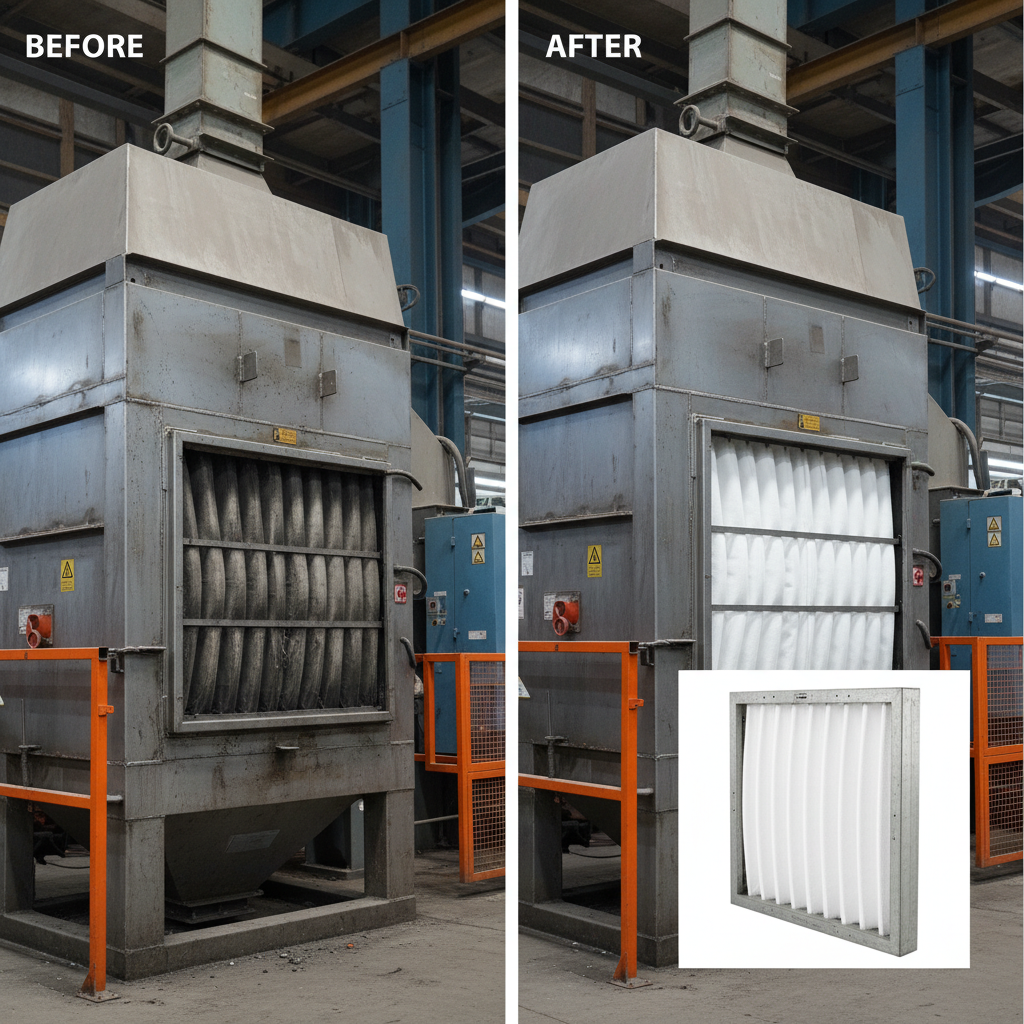
Investing in high-quality hepa media filter materials offers long-term economic value through reduced energy costs and extended equipment life. While cheaper media may seem attractive initially, they often suffer from rapid clogging or "breakthrough," where particles begin to pass through the media prematurely, risking the entire sterile environment.
From a sustainability perspective, the industry is shifting toward recyclable synthetic fibers. Traditionally, glass fiber filters have been difficult to dispose of. New composite materials are being developed that maintain HEPA-grade efficiency while being compatible with industrial recycling streams, reducing the landfill impact of air filtration systems.
Moreover, the reliability of a premium hepa media filter provides emotional and professional peace of mind. In a laboratory or surgical setting, the trust that the air is pure allows specialists to focus on their work without the constant fear of contamination, thereby enhancing the overall quality of care and research.
Future Innovations in Nanofiber Filtration
The future of the hepa media filter lies in the realm of nanotechnology. By utilizing electrospinning, engineers can create fibers with diameters in the nanometer range. This creates a much higher surface-area-to-volume ratio, which allows for extreme filtration efficiency with an incredibly thin layer of material, virtually eliminating the traditional trade-off with pressure drop.
Integration with "smart" sensors is another upcoming trend. Imagine a hepa media filter embedded with nano-sensors that can communicate its saturation level in real-time to a building management system. This would transition filter replacement from a schedule-based task to a condition-based task, maximizing the life of every filter.
Furthermore, antimicrobial coatings are being integrated directly into the filter media. By treating the fibers with silver ions or other biocidal agents, the filter does not just trap bacteria and viruses but actively neutralizes them, preventing the media itself from becoming a breeding ground for microorganisms over time.
Analysis of Modern HEPA Media Material Properties
| Material Type |
Efficiency Rating |
Airflow Resistance |
Durability Score |
| Borosilicate Glass |
99.97% - 99.99% |
Medium-High |
8/10 |
| Synthetic Polymer |
99.95% - 99.97% |
Medium |
9/10 |
| Electrospun Nanofiber |
99.99% + |
Low |
7/10 |
| PTFE Membrane |
99.99% |
Low-Medium |
10/10 |
| Composite Blend |
99.97% |
Medium |
8/10 |
| Microglass Mesh |
99.90% - 99.95% |
Medium-Low |
7/10 |
FAQS
The primary difference lies in the efficiency and the mechanism of filtration. While standard filters mainly use "sieving" to stop large dust particles, a hepa media filter utilizes diffusion, interception, and impaction to trap particles as small as 0.3 microns with 99.97% efficiency. This allows it to stop bacteria, viruses, and fine smoke that standard filters would simply let pass through.
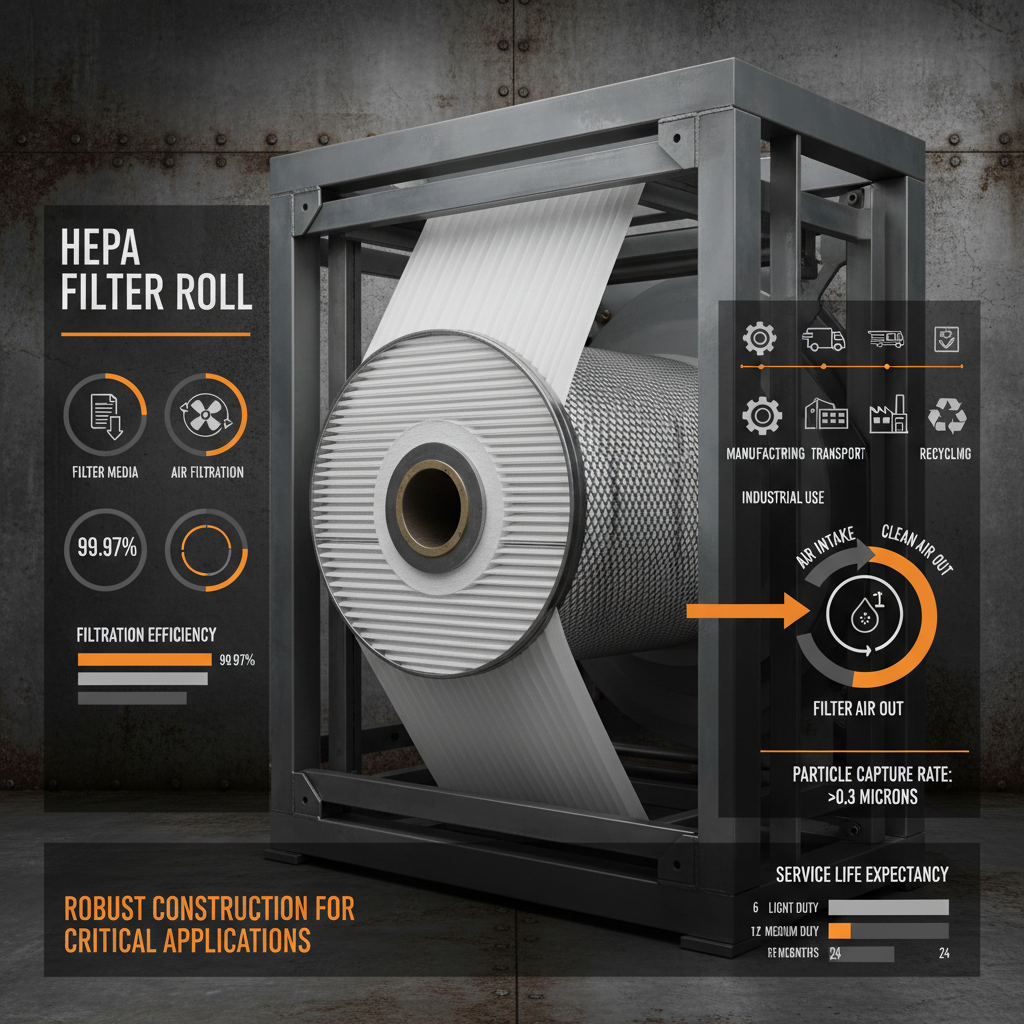
Replacement frequency depends on the air load and the quality of the hepa media filter used. Generally, in industrial settings, filters are replaced when the pressure drop reaches a specific threshold (often double the initial pressure). In residential or light commercial settings, every 6 to 12 months is typical, though using a pre-filter can significantly extend the life of the main HEPA media.
Generally, no. True hepa media filter materials, especially those made from borosilicate glass fibers, are extremely fragile. Washing them with water or using a high-pressure vacuum can tear the microscopic fiber web, creating "pinholes" that allow contaminants to leak through. Always replace the media rather than attempting to clean it to ensure the integrity of your sterile environment.
Synthetic media can be just as effective if engineered correctly, but they offer different advantages. Glass fiber is often the gold standard for absolute efficiency and heat resistance. Synthetic hepa media filter options are typically more resistant to moisture and chemicals, making them better for humid environments where glass fibers might degrade or clump.
MPPS is the particle size that is most likely to pass through a hepa media filter. For most HEPA materials, this is around 0.3 microns. Particles larger than this are easily caught by impaction, and particles smaller are caught by Brownian diffusion. Testing at the MPPS ensures that the filter is efficient across the entire spectrum of particle sizes.
Consider three main factors: the required efficiency grade (e.g., H13 vs H14), the environment (humidity and chemical exposure), and the allowable pressure drop. For high-airflow needs, a nanofiber-enhanced hepa media filter is ideal. For extreme chemical environments, a PTFE-based membrane is recommended. Consulting with a material expert ensures you don't over-specify or under-protect your facility.
Conclusion
The hepa media filter stands as a critical pillar of modern hygiene and industrial precision. From the intricate physics of borosilicate fibers to the cutting-edge potential of electrospun nanofibers, these materials provide an invisible but essential shield against microscopic threats. By balancing efficiency, pressure drop, and structural durability, they enable the existence of cleanrooms and sterile surgical theaters that save countless lives and drive technological innovation.
As we look toward the future, the integration of sustainable materials and smart monitoring will redefine how we manage air purity. Businesses should focus on adopting media that not only meet today's ISO standards but also contribute to energy efficiency and environmental goals. For high-performance filtration solutions tailored to your specific industry needs, we invite you to explore our professional range. Visit our website: www.filtersmaterials.com