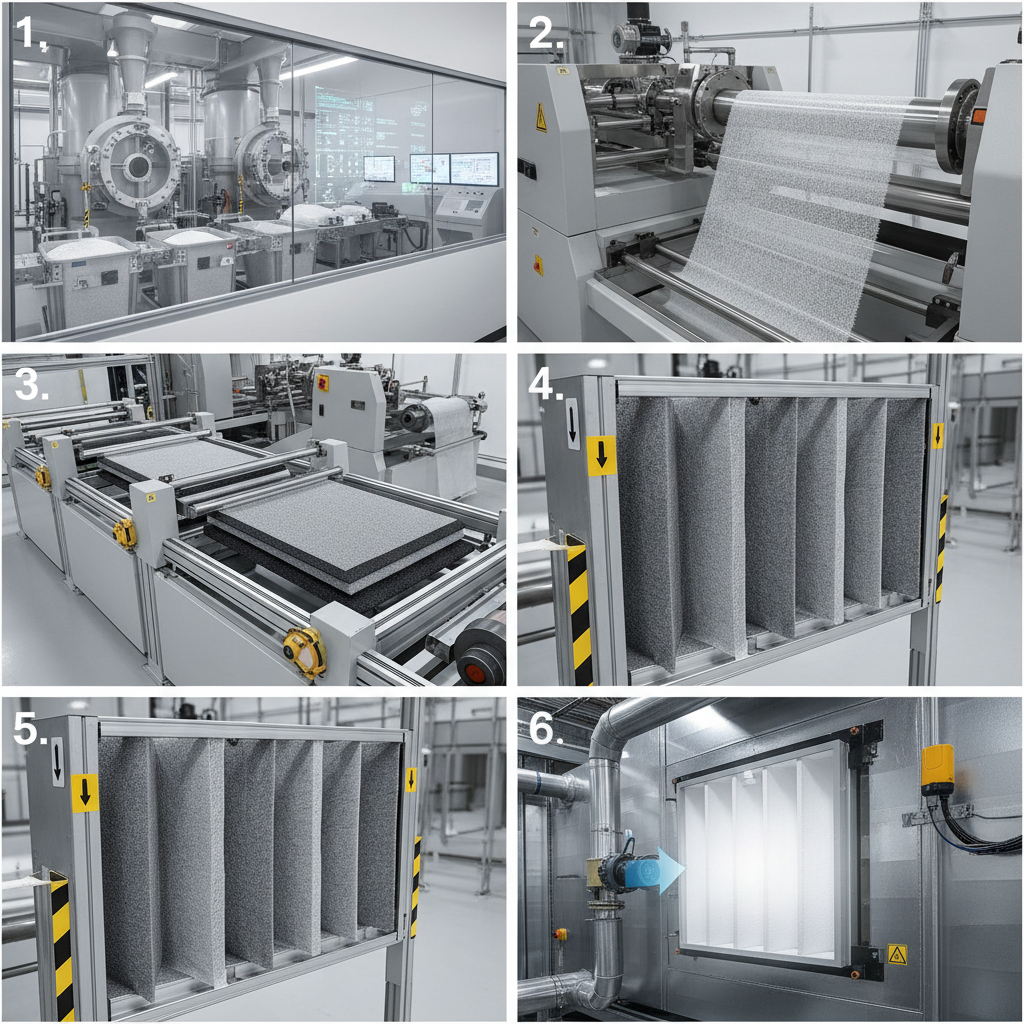
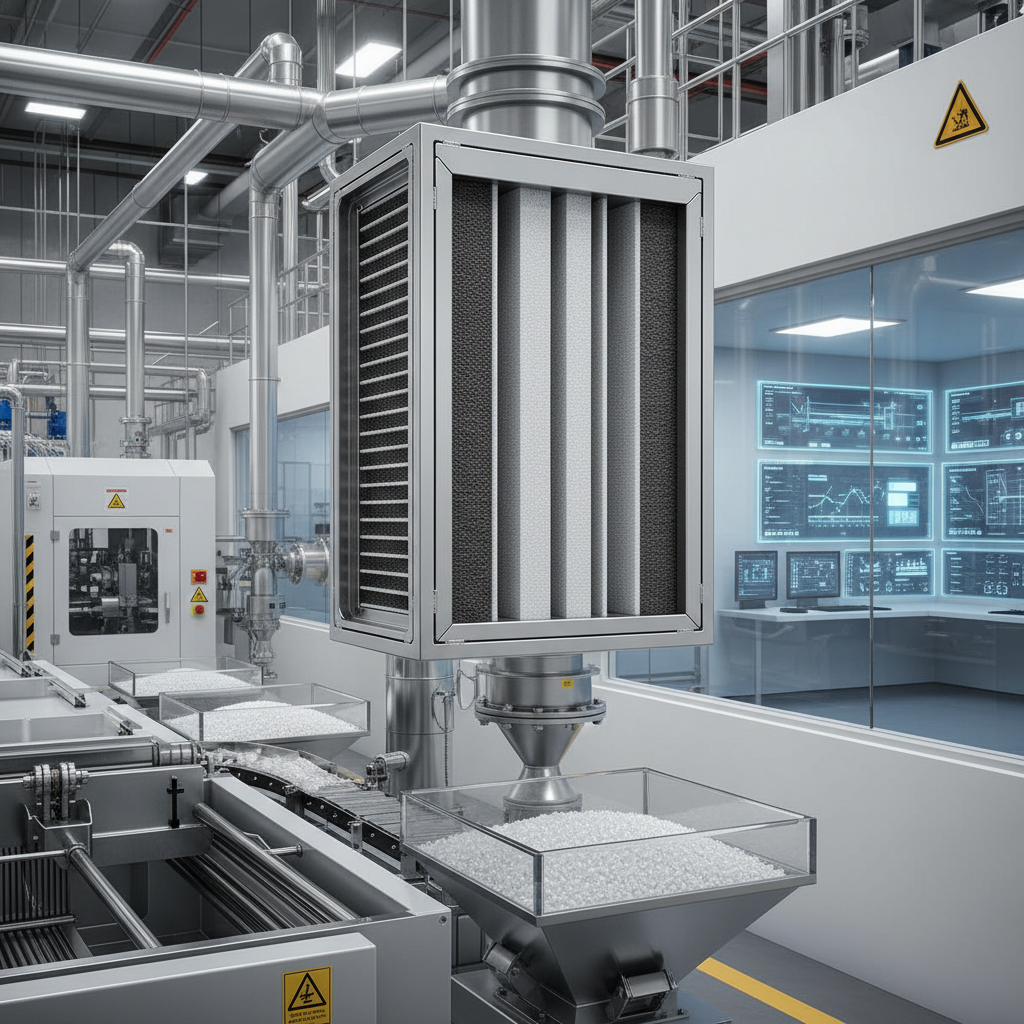
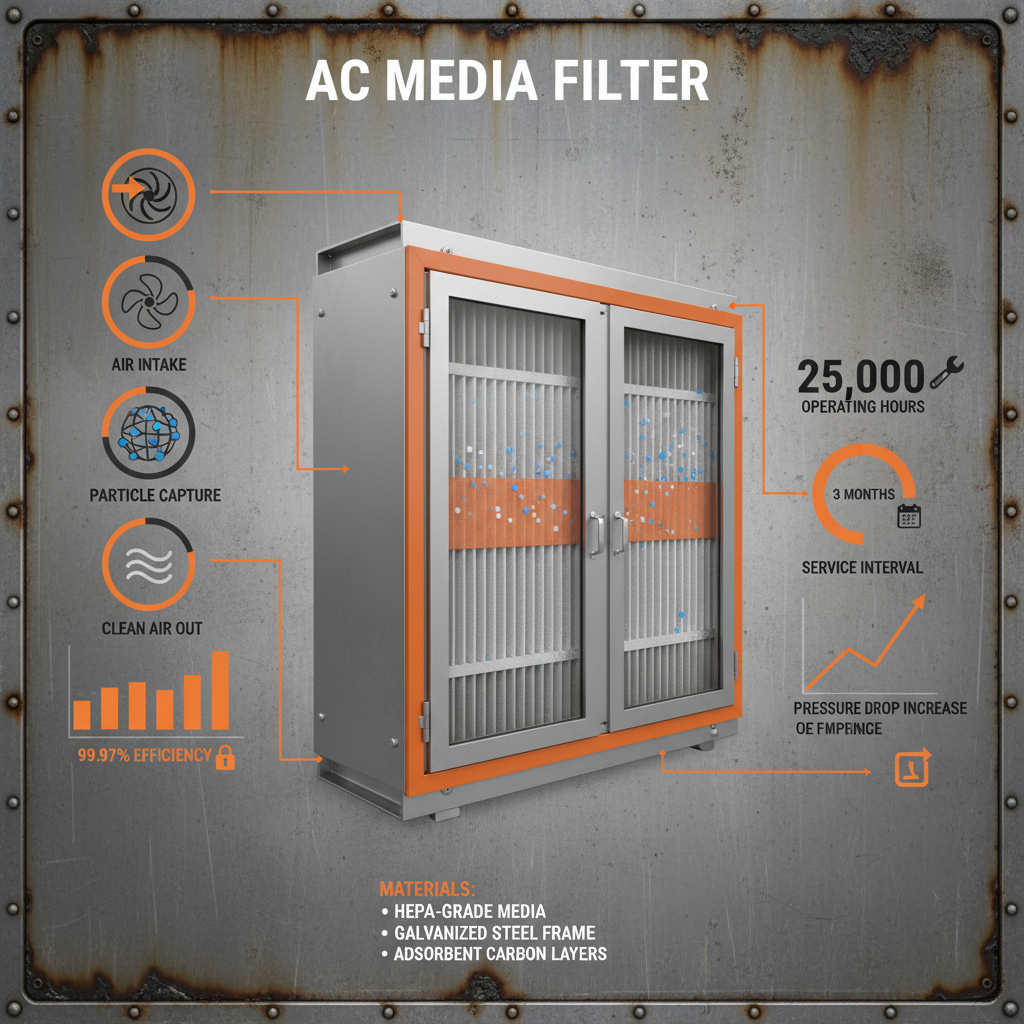
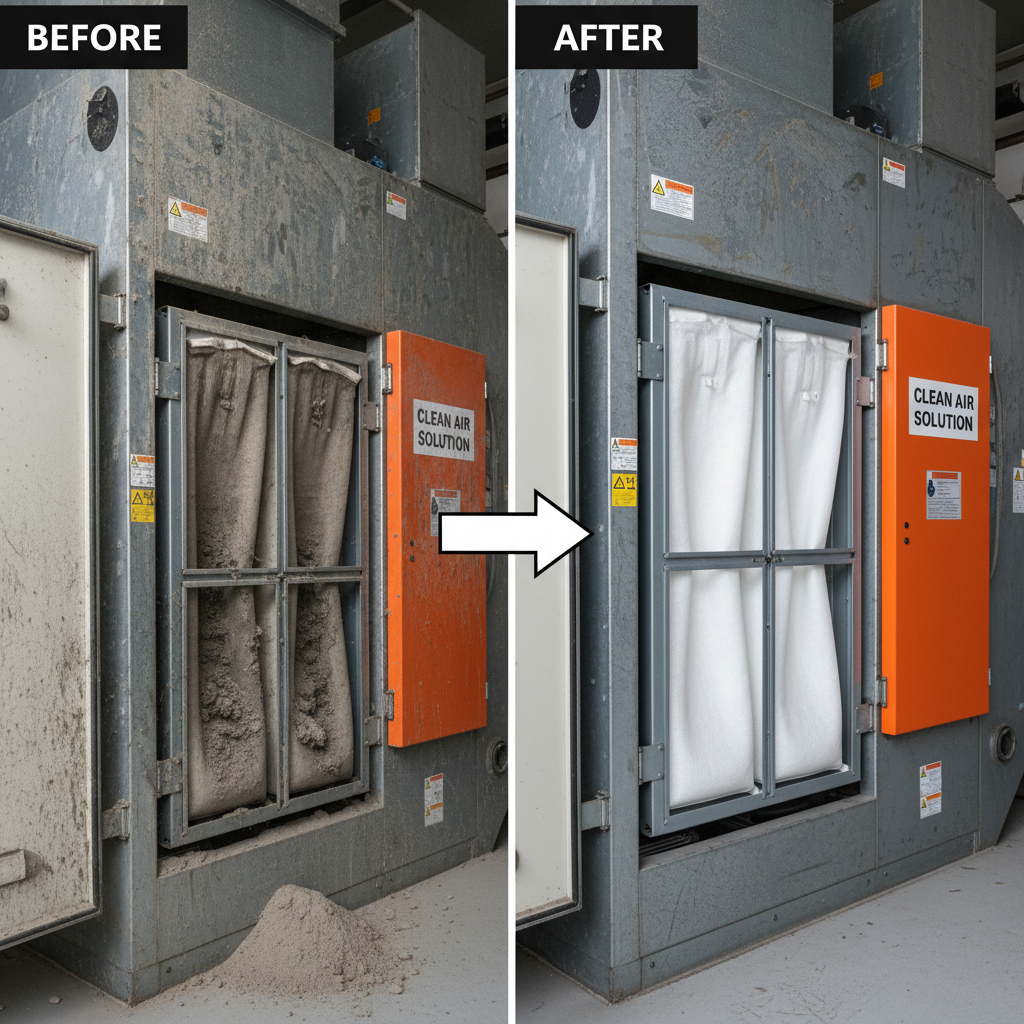
In the modern industrial landscape, the quality of breathable air is no longer a luxury but a critical operational requirement. The implementation of a high-efficiency media air cleaner filter serves as the primary defense against microscopic pollutants, ensuring that sensitive machinery and human operators are protected from harmful particulates. By leveraging advanced synthetic and fiberglass materials, these filtration systems maintain atmospheric purity in environments where contamination could lead to catastrophic equipment failure or health hazards.
Globally, the demand for sophisticated air filtration has surged as urbanization and industrial expansion increase the prevalence of airborne aerosols and chemical vapors. From pharmaceutical cleanrooms to automotive manufacturing plants, the choice of the right filter media determines the balance between air flow resistance and filtration efficiency. Understanding the nuances of different composite materials allows engineers to optimize their HVAC and industrial exhaust systems for maximum longevity and minimum energy consumption.
Investing in premium media air cleaner filter technology provides a tangible competitive advantage by reducing downtime caused by dust accumulation and improving overall product yield. As regulatory bodies like ISO and the EPA tighten air quality standards, the shift toward multi-layered composite media has become essential. This guide explores the technical depths, practical applications, and future innovations of air cleaner media to help you make an informed procurement decision.
Global Relevance of Air Filtration Media
The global industrial sector is currently facing an unprecedented challenge regarding air quality management. With the rise of "Industry 4.0," the precision of manufacturing has increased, meaning that even a single micron of dust can ruin a semiconductor wafer or contaminate a medical device. Consequently, the media air cleaner filter has evolved from a simple mesh screen into a complex composite of meltblown fabrics and fiberglass layers designed to trap sub-micron particles.
According to WHO and ISO standards, maintaining specific air purity levels is mandatory in healthcare and electronics sectors to prevent systemic failures. The global market for filtration media is expanding rapidly in regions like Southeast Asia and North America, where industrialization is coupled with stricter environmental laws. The challenge lies in finding a media that offers high capture efficiency without creating an excessive pressure drop, which would otherwise increase energy costs for ventilation fans.
Technical Definition and Industrial Significance
At its core, a media air cleaner filter is a specialized porous material designed to remove solid particulates, liquid mists, and sometimes gaseous contaminants from an air stream. Unlike basic foam filters, professional-grade media utilizes a combination of mechanical straining, inertial impaction, and electrostatic attraction to capture particles. This multi-modal approach ensures that both large debris and microscopic smoke particles are effectively removed from the airflow.
In the context of modern synthetic materials manufacturing, these filters are often composed of laminated layers, such as combining glass microfiber with synthetic polymers. This hybrid structure provides the mechanical strength needed to withstand high-velocity air currents while maintaining the fine pore structure required for high-efficiency filtration. The significance of this technology extends beyond cleanliness; it is a critical component of worker safety, preventing the inhalation of toxic chemical dust in synthetic material plants.
Furthermore, the integration of these filters into industrial HVAC systems reduces the wear and tear on expensive downstream equipment. By capturing contaminants at the primary stage, the media air cleaner filter protects heating coils, cooling fins, and sensitive electronic sensors from fouling. This preventative approach shifts the maintenance paradigm from reactive repair to proactive lifecycle management, significantly lowering the total cost of ownership for industrial facilities.
Core Components of High-Performance Media
The effectiveness of a media air cleaner filter depends heavily on its structural composition. Durability is a primary factor, often achieved by utilizing synthetic composite fibers that resist moisture and chemical degradation. This ensures that the filter does not collapse or degrade when exposed to humid industrial environments or corrosive chemical vapors common in synthetic material production.
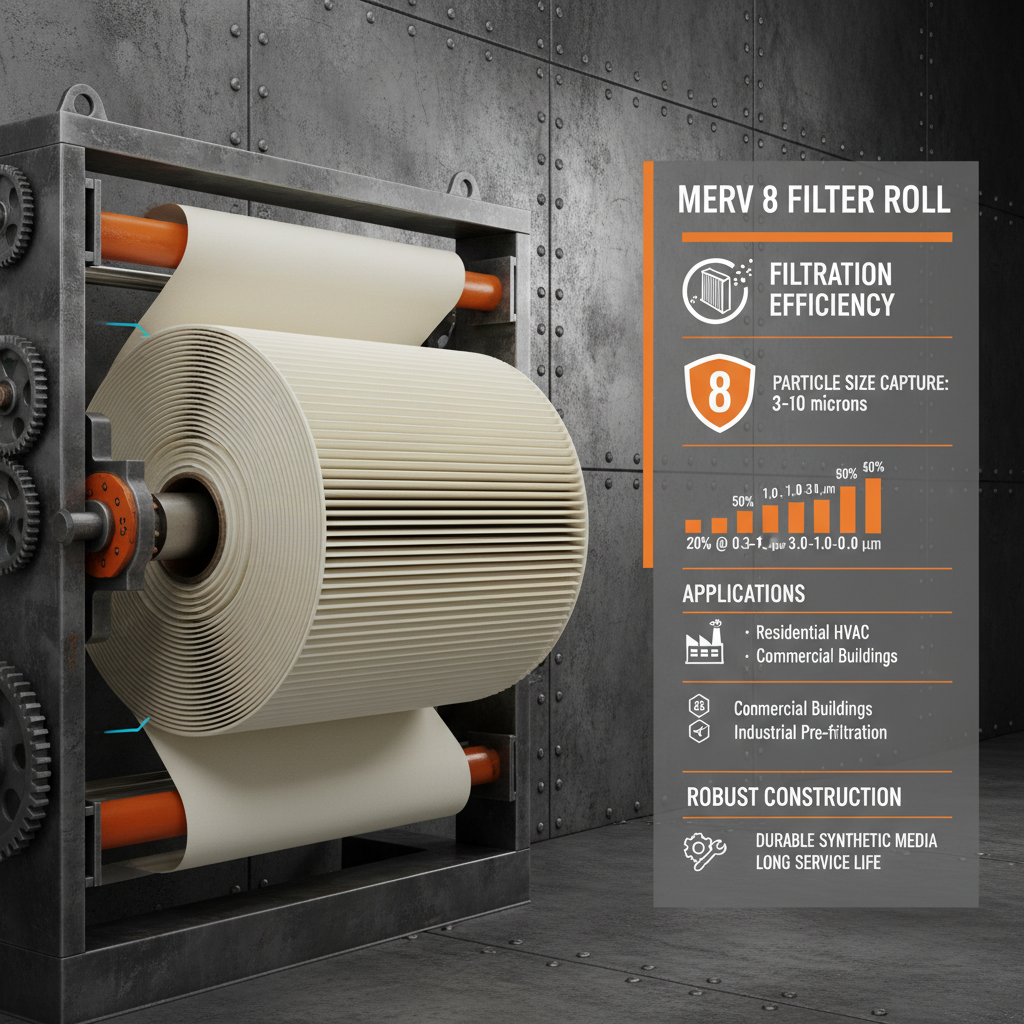
Scalability and versatility are equally important. High-performance media can be produced in rolls for custom pocket filters or pre-cut for rigid frame inserts. By adjusting the density of the glass microfiber or the thickness of the meltblown layer, manufacturers can tailor a media air cleaner filter to meet specific MERV (Minimum Efficiency Reporting Value) ratings, ranging from coarse pre-filtration to ultra-fine HEPA-grade capture.
Finally, cost-efficiency is realized through the optimization of the pressure drop. A well-engineered filter media maximizes the surface area through pleating or pocket designs, allowing more air to pass through while maintaining a high capture rate. This balance reduces the load on the blower motor, leading to lower electricity bills and a smaller carbon footprint for the facility using the media air cleaner filter.
Key Performance Metrics and Efficiency
Evaluating the success of a media air cleaner filter requires a deep dive into its filtration efficiency versus its air permeability. The industry standard involves testing the percentage of particles captured at various micron sizes. A high-efficiency media might capture 99% of particles at 0.3 microns, but if the air resistance is too high, the system's overall energy efficiency plummets.
Therefore, the "Quality Factor" of the media is the most critical metric. This is a mathematical relationship between the filtration efficiency and the pressure drop. By utilizing laminated composite filter media, manufacturers can create a gradient density structure—where larger particles are caught on the outer layers and finer particles in the inner core—optimizing the overall capacity of the media air cleaner filter.
Comparative Performance of Media Air Cleaner Filter Types
Global Applications and Industrial Use Cases
The application of media air cleaner filter technology spans across diverse sectors. In the automotive industry, fiberglass pocket filter media are used in paint spray booths to ensure that no airborne dust settles on a freshly painted vehicle, which would otherwise cause surface defects. Similarly, in the pharmaceutical sector, glass microfiber filter paper is essential for maintaining sterile environments where airborne contaminants could compromise the purity of life-saving drugs.
In remote industrial zones, such as mining operations or chemical processing plants in arid regions, the challenge is twofold: removing coarse sand and trapping fine chemical fumes. Here, laminated composite filter media with mesh support are deployed to provide the structural integrity needed to withstand heavy dust loads while ensuring that the air returning to the facility is clean. These use cases demonstrate that the media air cleaner filter is a versatile tool adaptable to any environmental stressor.
Long-Term Value and Sustainability Benefits
Beyond immediate air purity, the long-term value of a premium media air cleaner filter is found in its contribution to sustainability. By utilizing synthetic materials that can be more efficiently manufactured and potentially recycled, the industry is moving away from short-lifecycle disposable filters. Higher dust-holding capacities mean that filters need to be replaced less frequently, reducing the volume of industrial waste sent to landfills.
From a logical perspective, the reliability of high-grade media reduces the risk of unplanned shutdowns. In a high-stakes manufacturing plant, a filter failure can lead to contamination that ruins an entire production batch, costing millions of dollars. The trust established through consistent, certified filtration performance allows companies to focus on innovation rather than crisis management, ensuring that their operational dignity and reputation remain intact.
Furthermore, the energy-saving aspect of low-pressure-drop media air cleaner filter materials aligns with global "Green Building" certifications (such as LEED). When a facility reduces its fan energy consumption by 10-15% through optimized filter media, the cumulative effect on the corporate carbon footprint is substantial, proving that technical efficiency is directly linked to environmental stewardship.
Future Innovations in Composite Filter Materials
The future of the media air cleaner filter is being shaped by nanotechnology and digital transformation. We are seeing the emergence of "smart filters" embedded with sensors that can monitor pressure drops in real-time and alert operators exactly when a filter needs replacement, eliminating the guesswork of scheduled maintenance. Nano-fiber coatings are also being developed to provide electrostatic capture without the need for high-voltage power, drastically increasing efficiency for sub-micron particles.
Another significant trend is the move toward bio-based synthetic fibers. Researchers are developing composite materials that offer the same mechanical strength as traditional plastics but are derived from renewable sources. This shift will make the media air cleaner filter an eco-friendly component of the circular economy, reducing reliance on petroleum-based polymers without sacrificing the stringent purity standards required by the chemical industry.
Additionally, the integration of antimicrobial and photocatalytic layers into the filter media is gaining traction. These innovations allow the filter to not only capture particles but also actively neutralize bacteria and VOCs (Volatile Organic Compounds) upon contact. This transformation of the media air cleaner filter from a passive barrier to an active air purification system represents the next frontier in atmospheric control.
Technical Analysis of Future Filter Media Innovations
| Innovation Type |
Target Contaminant |
Efficiency Gain |
Sustainability Score (1-10) |
| Nano-Fiber Coating |
Ultra-fine PM2.5 |
+25% Capture Rate |
7 |
| Bio-Synthetic Polymers |
General Dust/Debris |
Equivalent to PET |
10 |
| Photocatalytic Layers |
VOCs & Odors |
+40% Gas Removal |
8 |
| IoT-Integrated Media |
System Efficiency |
-15% Energy Waste |
9 |
| Gradient Density Lamination |
Mixed Particle Size |
+30% Life Span |
8 |
| Antimicrobial Glass Fiber |
Bacteria & Spores |
+50% Sterility |
6 |
FAQS
Fiberglass media typically offer higher filtration efficiency for smaller particles and can withstand higher temperatures, but they are more brittle. Synthetic media, such as meltblown polymers, are more durable, resistant to moisture, and generally have a lower pressure drop, making them ideal for high-humidity environments or applications where the filter is subject to mechanical vibration.
Replacement frequency depends on the dust load and the filter's dust-holding capacity. However, the professional standard is to monitor the differential pressure across the filter. When the pressure drop reaches the manufacturer's recommended limit (usually double the initial clean pressure drop), the media should be replaced to avoid damaging the blower motor and maintaining air quality.
Standard mechanical filter media only trap particles. To remove chemical odors or gases, you need a composite filter that includes an activated carbon layer. Our activated carbon composite filter media combine mechanical filtration with chemical adsorption, allowing a single system to handle both particulate matter and volatile organic compounds (VOCs).
MERV (Minimum Efficiency Reporting Value) ranges from 1 to 16. A higher MERV rating indicates that the media air cleaner filter can trap smaller particles. For example, MERV 8 is common for residential or coarse industrial use, while MERV 13-16 is required for hospitals or cleanrooms to capture microscopic aerosols and bacteria.
Yes, professional suppliers can customize the thickness and density of the media. Increasing the thickness generally improves the dust-holding capacity and increases the filter's lifespan, although it may slightly increase the initial pressure drop. We offer various laminated options to balance these two factors based on your specific airflow requirements.
Modern composite media are designed for longevity, which reduces the frequency of disposal. Furthermore, the industry is transitioning toward recyclable synthetic fibers and bio-based polymers. By optimizing airflow and reducing energy consumption of HVAC systems, these filters contribute significantly to the overall energy efficiency of a building.
Conclusion
In summary, the media air cleaner filter is a cornerstone of industrial hygiene and equipment maintenance. From the selection of high-strength synthetic composites to the implementation of nano-fiber coatings, the right media ensures a perfect balance between air purity, energy efficiency, and operational longevity. By focusing on metrics like pressure drop and capture efficiency, businesses can safeguard their workers and their assets while adhering to global environmental standards.
As we move toward a future of smart manufacturing and sustainable materials, the role of advanced filtration will only grow in importance. We recommend that facility managers conduct a comprehensive audit of their current filtration media to identify opportunities for energy savings and purity upgrades. For those seeking the highest grade of composite materials and professional guidance, we invite you to explore our full range of solutions. Visit our website: www.filtersmaterials.com