The modern industrial landscape is facing an unprecedented challenge in maintaining air quality, making the implementation of a high-efficiency media air cleaner more critical than ever. From pharmaceutical cleanrooms to heavy-duty automotive engines, the ability to isolate microscopic particulates and hazardous chemical vapors ensures not only the longevity of machinery but also the safety of human operators.
Understanding the science behind filtration media allows engineers to optimize airflow and pressure drops, which directly impacts operational costs and energy consumption. By utilizing advanced synthetic composites and fiberglass structures, a media air cleaner serves as the first line of defense against airborne contaminants that can compromise product purity and environmental health.
Globally, the shift toward sustainable manufacturing has pushed the demand for filtration materials that are both durable and recyclable. Integrating a sophisticated media air cleaner into industrial HVAC and ventilation systems is no longer an optional luxury but a regulatory necessity to comply with ISO and WHO air quality standards.
Global Relevance of Media Air Cleaner Systems
In an era of rapid urbanization and industrial expansion, the role of a media air cleaner has transcended simple dust collection. According to data from the World Health Organization (WHO), airborne particulates significantly contribute to industrial occupational hazards, necessitating the use of high-grade composite filter media to maintain sterile and safe environments.
The global market is seeing a massive shift toward "smart" filtration, where the media air cleaner is integrated with sensors to monitor pressure differentials in real-time. This ensures that industrial plants can maintain peak efficiency while adhering to stringent ISO 14644 standards for cleanroom air cleanliness.
Technical Definitions and Industrial Meaning
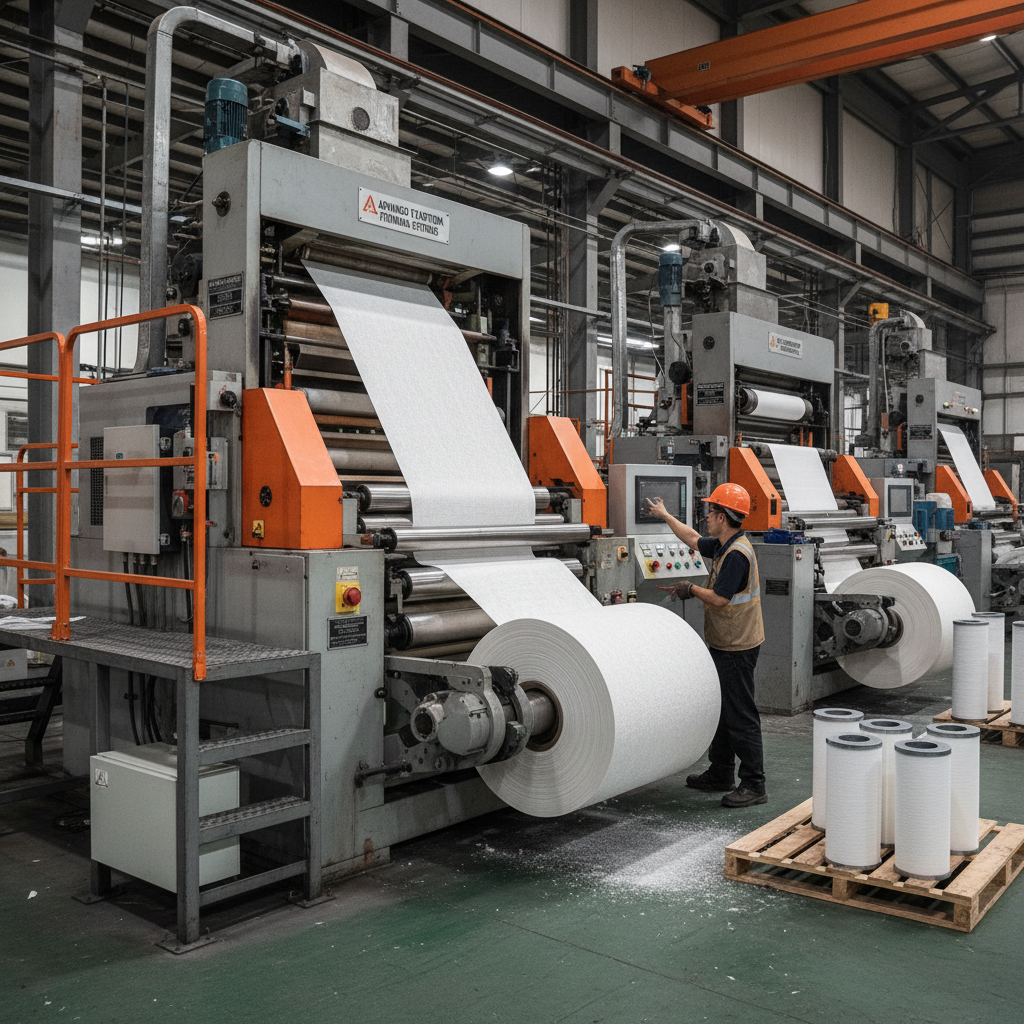
At its core, a media air cleaner is a specialized porous structure designed to trap particles through mechanisms such as interception, inertial impaction, and diffusion. Unlike basic screens, these systems utilize advanced materials like meltblown non-wovens and fiberglass composites to capture sub-micron particles without completely blocking airflow.
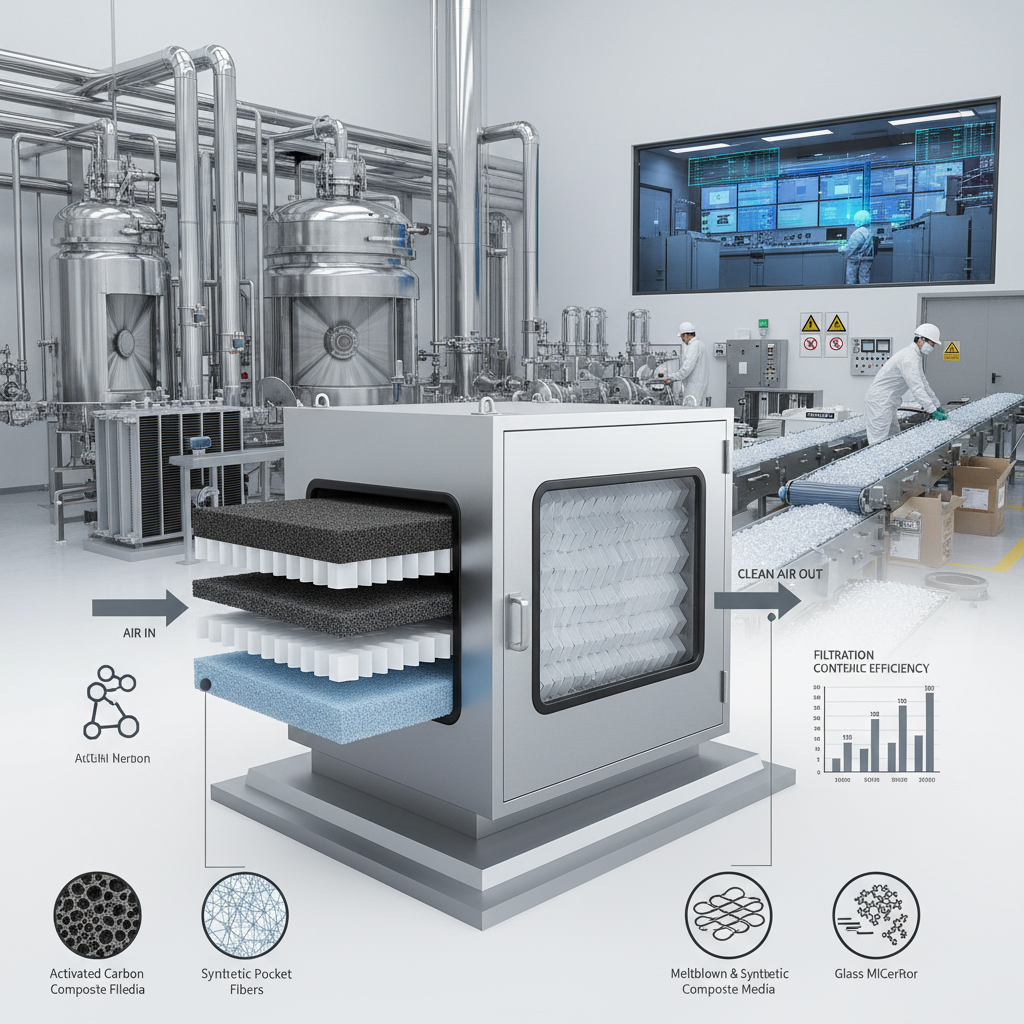
In the context of modern manufacturing, this means the "media" refers to the actual filtration substrate—be it activated carbon for chemical odors or laminated synthetic fibers for oily mists. The effectiveness of a media air cleaner is measured by its efficiency rating (such as MERV or HEPA) and its ability to handle high air volumes with minimal energy loss.
Ultimately, the meaning of these systems extends beyond hardware; they represent the intersection of material science and public health. By deploying a precise media air cleaner, industries can reduce their carbon footprint by optimizing HVAC energy use and preventing the contamination of high-value chemical products.
Core Components and Performance Factors
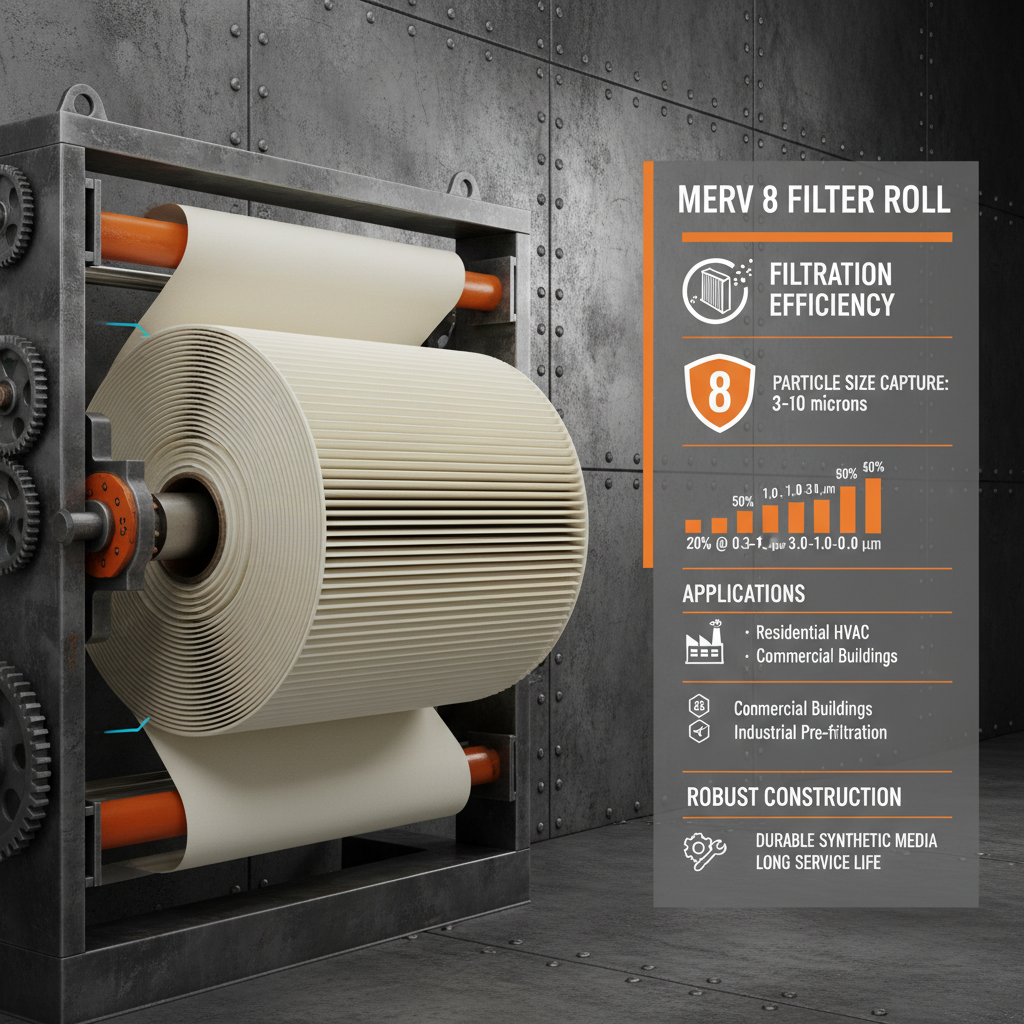
The durability of a media air cleaner is primarily determined by the tensile strength of its base material. Whether using composite fiberglass or synthetic roll filters, the media must withstand varying pressure loads without tearing or collapsing, ensuring a consistent seal around the filter frame.
Scalability and cost-efficiency are achieved through the use of laminated composite structures. By layering different materials—such as a coarse pre-filter layer followed by a fine glass microfiber layer—a media air cleaner can extend its service life by preventing premature clogging of the most expensive filtration stages.
Furthermore, chemical resistance is a non-negotiable factor for filters used in the chemical raw materials industry. A high-performance media air cleaner must employ polymers that do not degrade when exposed to corrosive vapors, ensuring that the filtration integrity remains intact over thousands of operating hours.
Global Applications and Industrial Use Cases
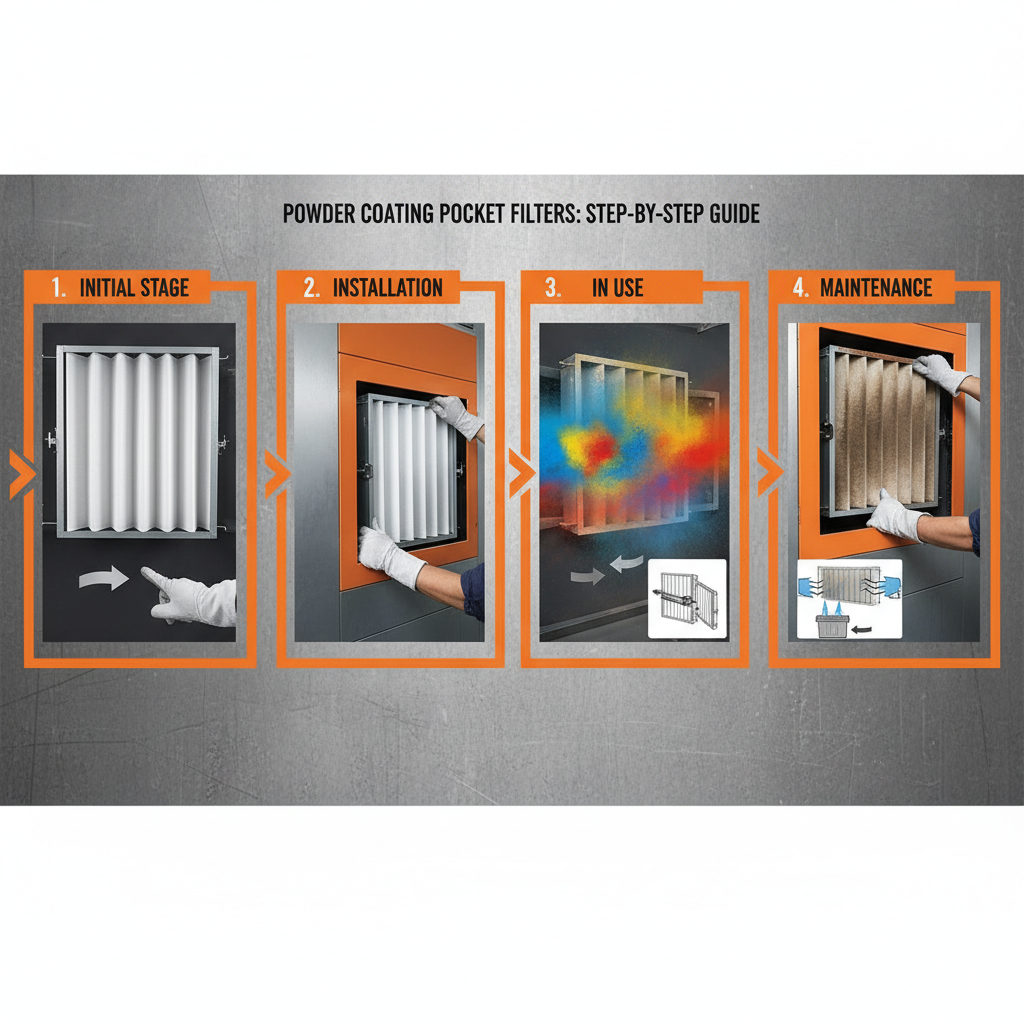
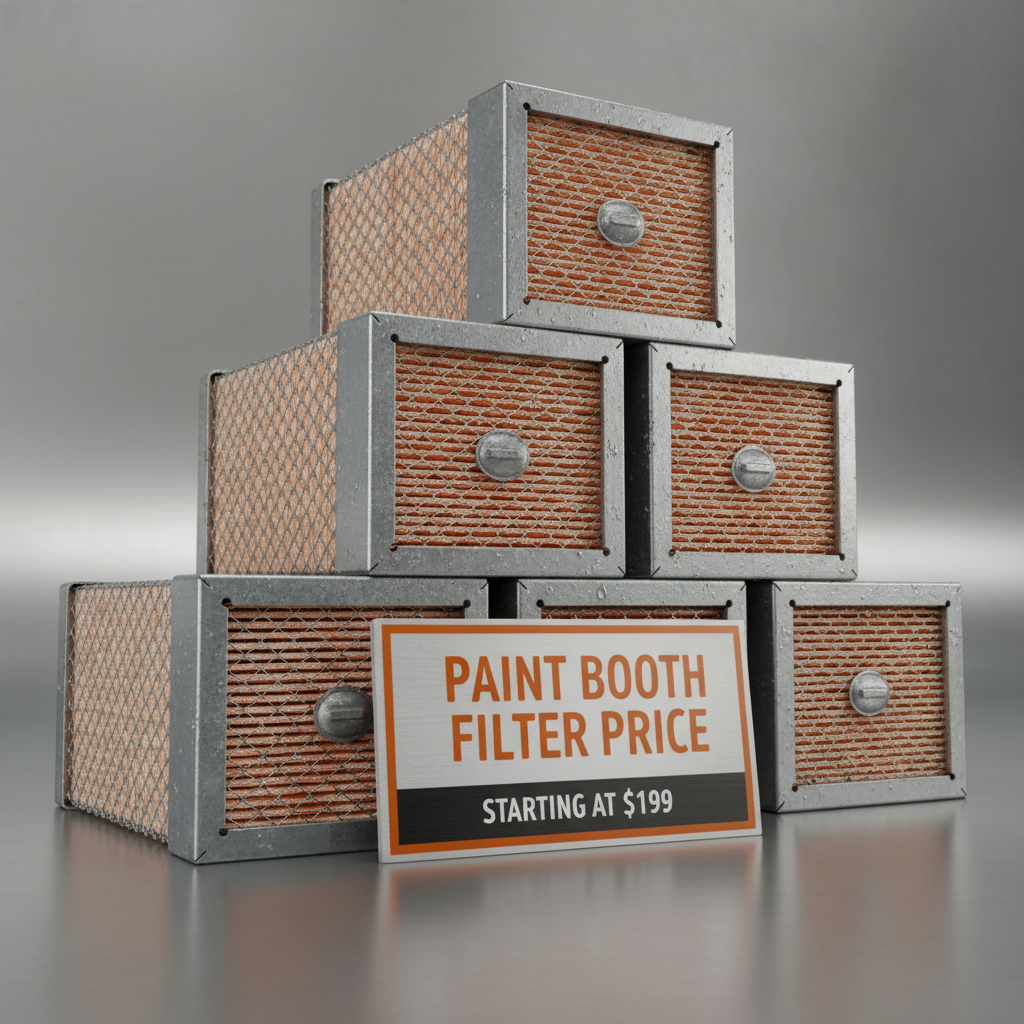
From the sprawling automotive plants in Germany to the high-tech semiconductor fabs in Taiwan, the media air cleaner is omnipresent. In automotive paint shops, for example, spray booth ceiling filters and paint stop media are used to prevent overspray from contaminating the final finish, ensuring premium product quality.
In remote industrial zones or post-disaster relief operations, portable media air cleaner units are deployed to remove hazardous dust and smoke from temporary shelters, proving that advanced filtration is as much a humanitarian tool as it is an industrial one.
Performance Efficiency of Various Media Air Cleaner Types
Tangible Advantages and Long-Term Value
The adoption of a high-quality media air cleaner translates directly into reduced operational overhead. By lowering the frequency of filter replacements through the use of high-capacity composite materials, companies can significantly decrease waste and maintenance labor costs.
Beyond the financial metrics, there is a profound emotional and ethical value in providing a clean breathing environment. Trust in a brand is often built on the safety and dignity of its workforce; an investment in a superior media air cleaner demonstrates a commitment to employee health and sustainable innovation.
Future Trends in Filtration Innovation
The future of the media air cleaner is leaning heavily toward nanotechnology and bio-based materials. We are seeing the rise of nanofiber coatings that can capture viral particles with almost zero increase in air resistance, blending extreme efficiency with energy sustainability.
Digital transformation is also playing a key role, with the integration of IoT sensors directly into the media air cleaner frames. This allows for predictive maintenance, where the filter notifies the operator exactly when it needs replacement based on actual particle load rather than a generic calendar schedule.
Furthermore, there is a strong push toward "Green Filtration." New composite materials are being developed from recycled ocean plastics and biodegradable polymers, ensuring that the media air cleaner of tomorrow does not contribute to the landfill crisis.
Overcoming Current Challenges in Air Cleaning
One of the most persistent challenges in the industry is the "Trade-off Dilemma": as filtration efficiency increases, air permeability typically decreases. To solve this, engineers are developing gradient-density media air cleaner substrates, where the pore size gradually decreases from the upstream to the downstream side.
Another hurdle is the management of moisture in humid industrial environments, which can lead to microbial growth on the filter media. The solution lies in the application of antimicrobial coatings to the media air cleaner, preventing mold and bacteria from compromising the air quality.
Finally, the cost of high-end materials like glass microfiber can be prohibitive. By utilizing hybrid "Composite Fiberglass" blends, manufacturers can offer a media air cleaner that provides HEPA-like performance at a fraction of the cost.
Comparative Analysis of Air Cleaning Media Solutions
| Media Material |
Filtration Grade |
Pressure Drop |
Lifespan Score |
| Glass Microfiber |
Ultra-Fine (HEPA) |
High |
7/10 |
| Synthetic Composite |
Medium-Fine |
Low |
9/10 |
| Activated Carbon |
Molecular/Gas |
Medium |
6/10 |
| Meltblown Non-woven |
Fine |
Medium |
8/10 |
| Laminated Mesh |
Coarse/Pre-filter |
Very Low |
10/10 |
| Fiberglass Pocket |
Medium-Fine |
Low-Medium |
8/10 |
FAQS
A standard filter often relies on a simple mechanical screen to block large debris. In contrast, a media air cleaner utilizes engineered materials—such as electrostatic meltblowns or activated carbon composites—to capture microscopic particles and chemical gases through advanced physical and chemical interactions, offering much higher efficiency and precision.
Replacement intervals depend on the dust load and the type of media air cleaner used. Generally, pre-filter media are replaced every 1-3 months, while high-efficiency final stages may last 6-12 months. We recommend monitoring the pressure drop; once it reaches a specific threshold (e.g., 2x initial resistance), the media must be replaced.
Yes, provided the media air cleaner includes an activated carbon layer. While fiberglass captures particles, activated carbon uses adsorption to trap volatile organic compounds (VOCs) and odors. Using a laminated composite that combines both materials provides a comprehensive solution for both dust and chemical vapors.
Both have their place. Fiberglass is superior for high-temperature environments and ultra-fine filtration. Synthetic media, however, are often more resistant to moisture and do not shed glass fibers. The "safest" choice for your media air cleaner depends on the specific environmental hazards and the required efficiency rating.
If the media is too dense, the fan must work harder to push air through, increasing energy costs. Modern media air cleaner designs focus on maximizing "dust-holding capacity" while minimizing "initial pressure drop," ensuring that clean air is delivered without spiking electricity bills.
Absolutely. The industry is moving toward biodegradable polymers and recycled synthetic fibers. Many manufacturers now offer a media air cleaner made from sustainable non-woven materials that reduce the environmental impact without sacrificing the filtration efficiency required for industrial standards.
Conclusion
In summary, the strategic selection of a media air cleaner is a cornerstone of industrial operational excellence. By balancing the technical requirements of filtration efficiency, pressure drop, and material durability, businesses can protect their equipment, satisfy regulatory mandates, and most importantly, safeguard the health of their employees. From the versatility of laminated composites to the precision of glass microfiber, the right media ensures a sterile and productive environment.
Looking ahead, the integration of smart sensors and sustainable materials will further refine the capabilities of air cleaning systems. We encourage facility managers and engineers to audit their current filtration substrates and consider upgrading to advanced composite media to achieve a more sustainable and energy-efficient future. For high-performance filtration solutions, visit our website: www.filtersmaterials.com