The modern industrial landscape is facing an unprecedented challenge in air quality management, where the efficiency of a media air filter can be the deciding factor between operational excellence and costly system failures. As particulate matter and volatile organic compounds increase in industrial environments, the demand for high-performance filtration materials has shifted from simple barriers to complex, engineered composite structures. Understanding the nuances of these materials is essential for engineers and facility managers aiming to optimize airflow while maximizing pollutant capture.
Globally, the integration of advanced synthetic and fiberglass materials has revolutionized how we approach atmospheric purification. From pharmaceutical cleanrooms to automotive engine intakes, the choice of filtration media directly impacts energy consumption, equipment longevity, and human health. The evolution of the media air filter represents a broader shift toward precision manufacturing, where material science meets environmental stewardship to create sustainable, long-term filtration solutions.
By exploring the intersection of meltblown synthetics, glass microfibers, and activated carbon composites, industries can achieve a balance between low pressure drop and high filtration efficiency. This guide provides a comprehensive deep dive into the technical specifications, application scenarios, and future trends of air filter media, ensuring that stakeholders can make informed decisions based on the latest E-E-A-T (Experience, Expertise, Authoritativeness, and Trustworthiness) principles of material engineering.
Global Industry Context of Media Air Filter
The global demand for high-efficiency air filtration has surged as ISO standards (such as ISO 16890) become more stringent regarding indoor air quality and industrial emissions. In many developed economies, the shift toward "Industry 4.0" has highlighted the critical role of the media air filter in protecting sensitive electronic components and maintaining sterile environments in biotechnology sectors.
Data from environmental agencies suggest that particulate pollution in urban industrial zones continues to rise, necessitating the deployment of more robust composite filter papers and synthetic pocket filter media. The challenge lies in creating a medium that can trap sub-micron particles without creating an excessive energy burden on the HVAC systems, leading to a global race for innovation in non-woven material science.
Defining Media Air Filter and Its Technical Meaning
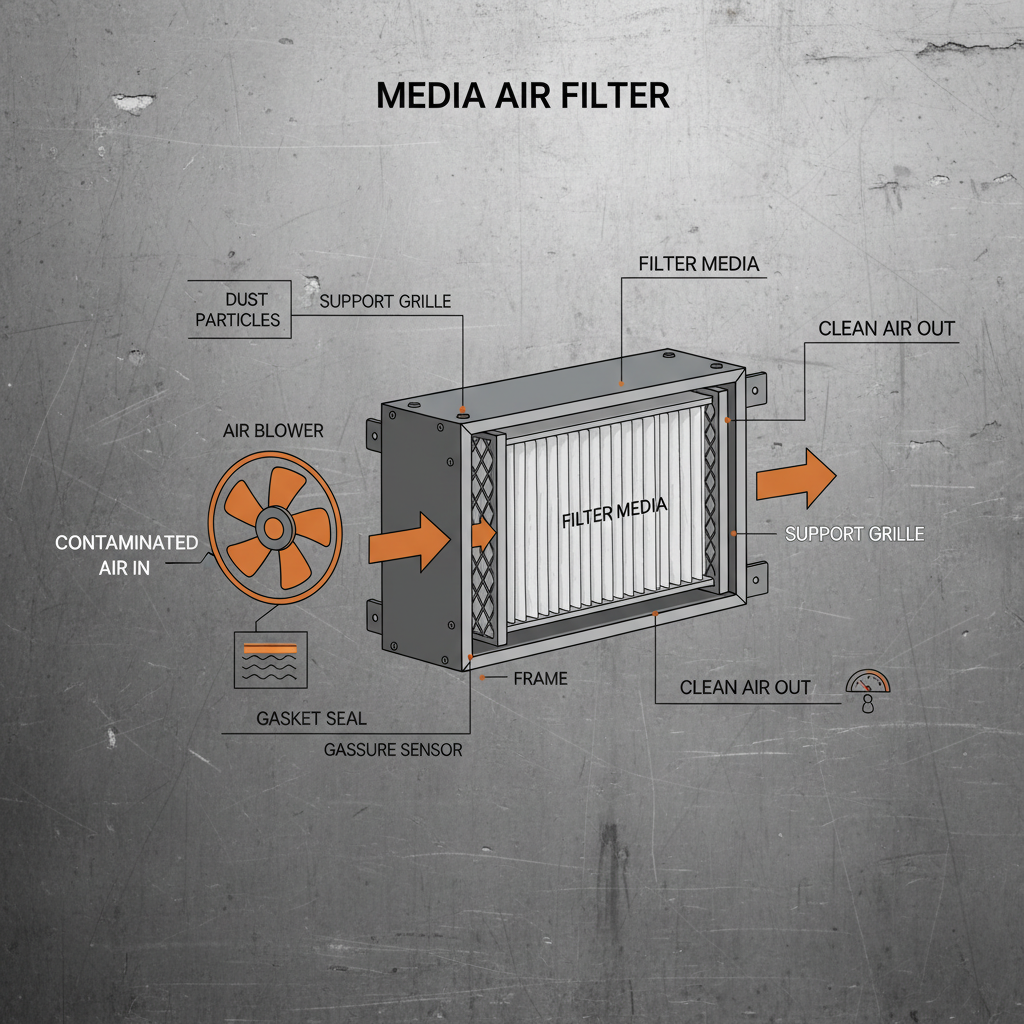
In simple terms, a media air filter is the active material layer—the "heart" of a filtration system—responsible for separating airborne contaminants from the air stream. Unlike the filter frame or housing, the media is the engineered fabric or paper that utilizes mechanisms such as interception, impingement, and diffusion to capture dust, pollen, smoke, and hazardous chemicals.
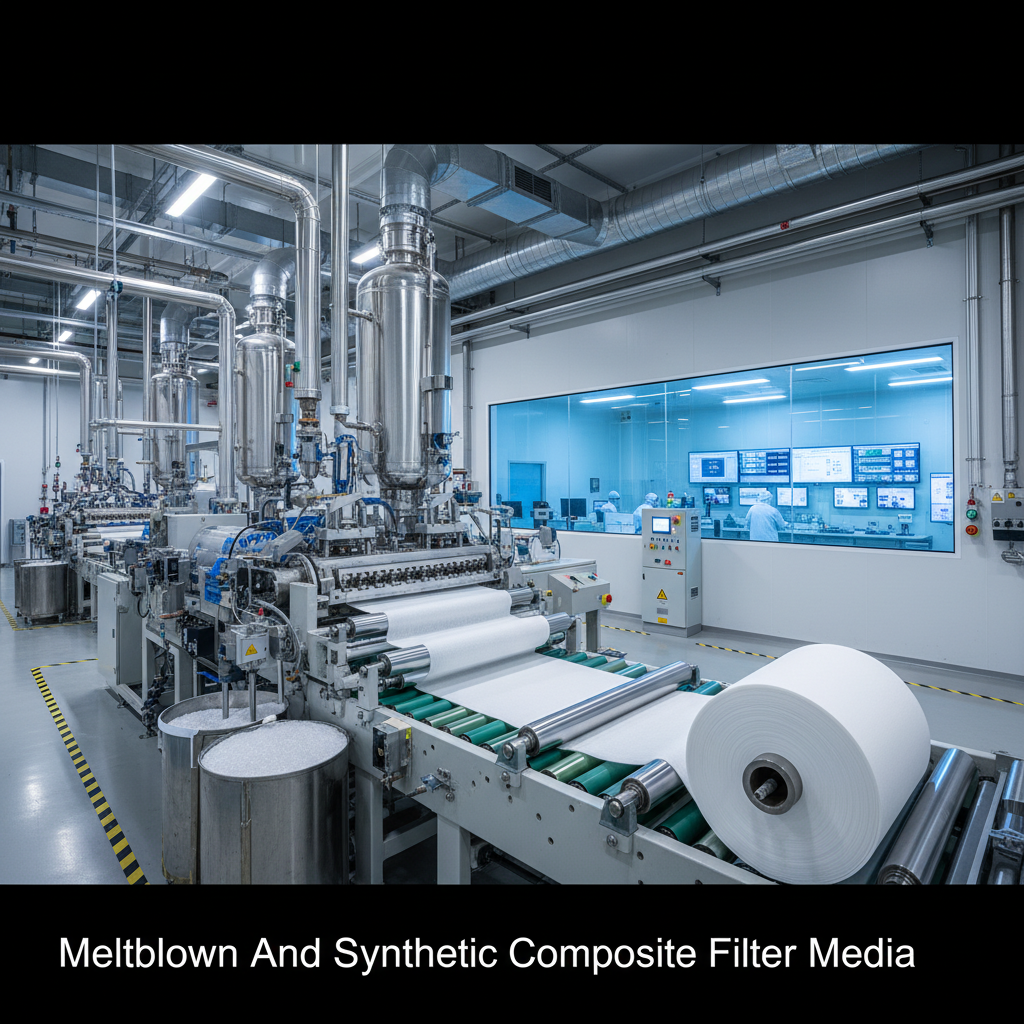
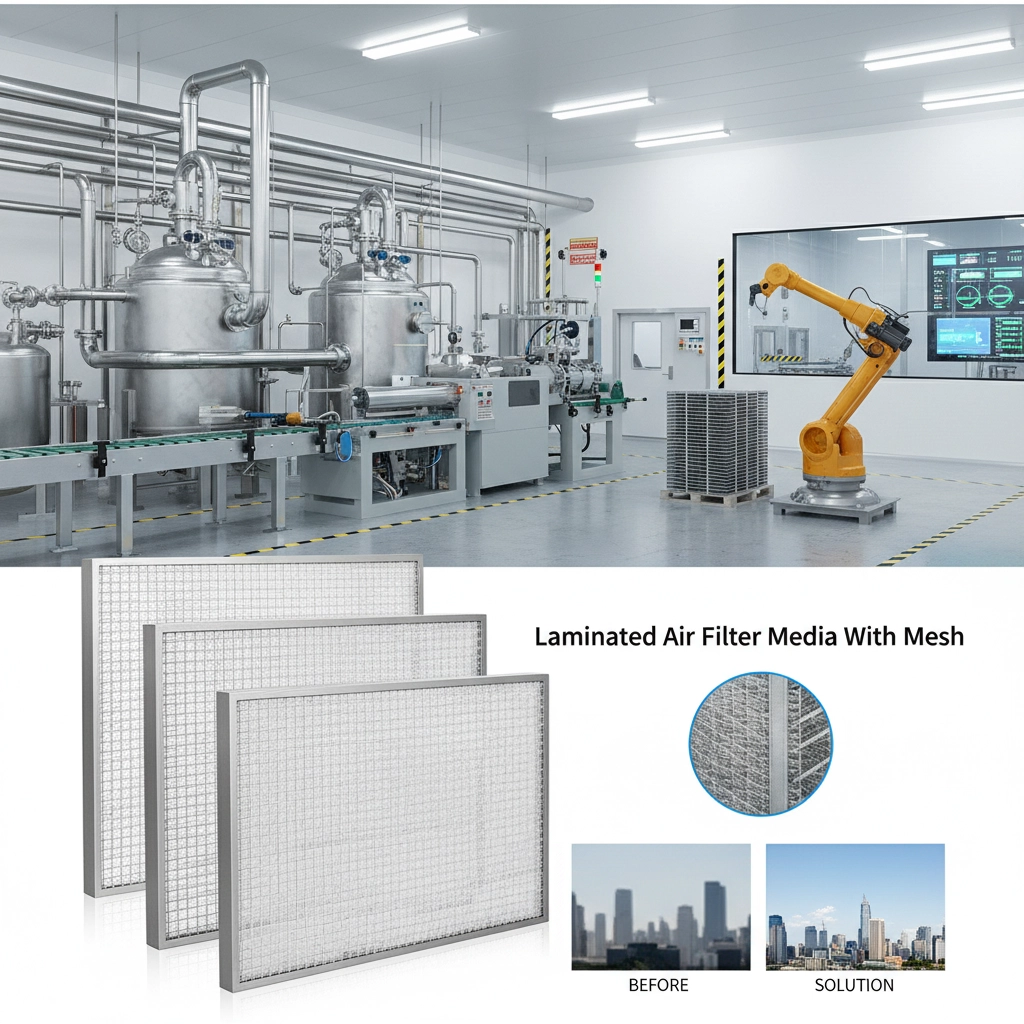
From a technical perspective, this media can range from simple fiberglass sheets to complex multi-layered laminates. For instance, Laminated Composite Filter Media combine the mechanical strength of a scrim with the high-efficiency capture of meltblown fibers, creating a synergistic effect that handles both coarse and fine particles simultaneously.
In the context of modern industry, this material is no longer just a disposable commodity but a precision-engineered tool. Whether it is an oil filter paper designed for extreme automotive heat or a paint spray booth filter media designed to stop overspray, the "meaning" of the media is defined by its ability to maintain a specific pressure drop while ensuring a certified filtration grade.
Core Components and Performance Factors
Durability is a cornerstone of any high-quality media air filter. The material must withstand fluctuating humidity, temperature extremes, and the mechanical stress of high-velocity airflow without tearing or collapsing. This is often achieved by incorporating synthetic binders or using reinforced composite fiberglass.
Pressure Drop and Airflow Efficiency are the most critical KPIs for engineers. A superior media air filter optimizes the "void volume" within its fiber matrix, ensuring that air passes through easily while contaminants remain trapped. This reduces the energy load on fans and blowers, directly lowering operational costs.
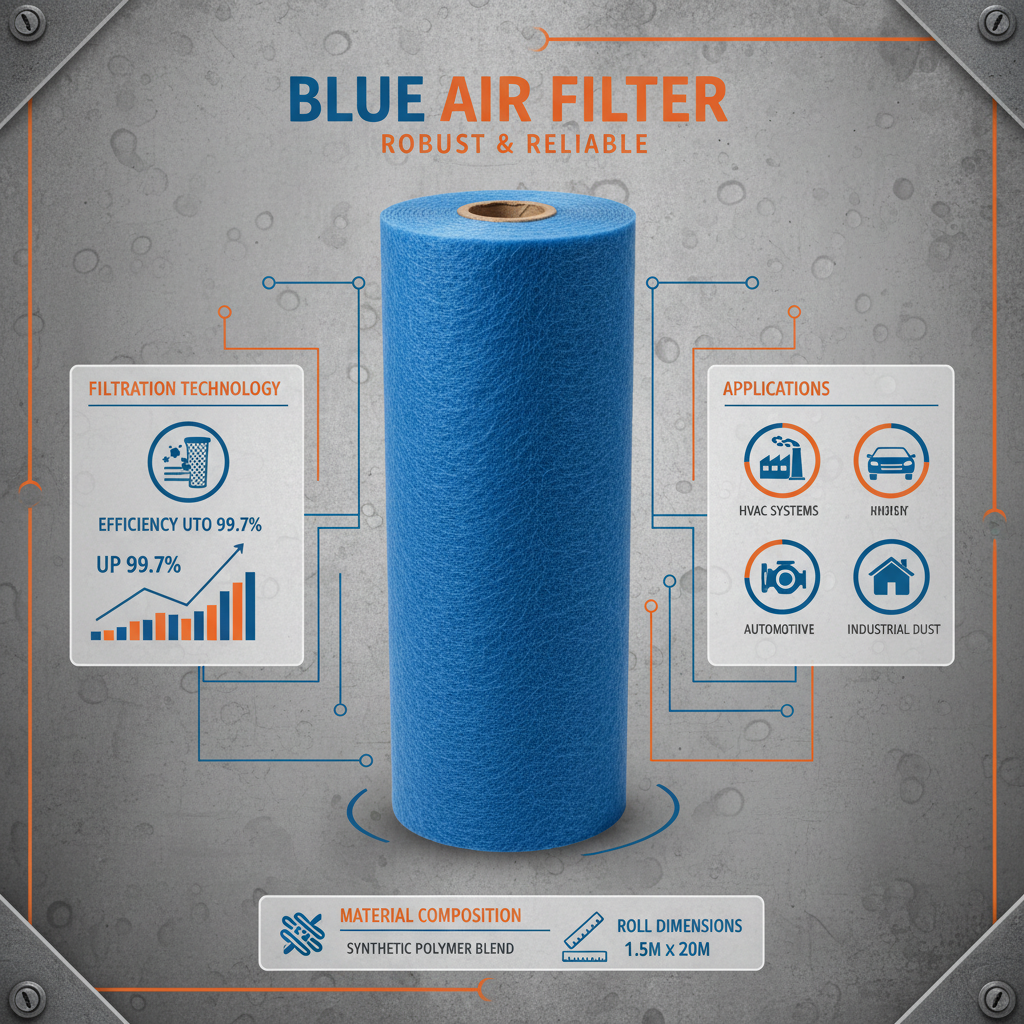
Filtration Grade and Particle Capture Range determine the suitability of the media for specific environments. For example, glass microfiber filter paper is often utilized for its ability to capture ultra-fine particles in HEPA applications, whereas synthetic roll filters are more appropriate for pre-filtration tasks where larger debris is the primary concern.
Global Applications and Real-World Use Cases
The versatility of media air filter technology allows it to be deployed across wildly different sectors. In automotive manufacturing, fuel and oil filter papers are engineered to survive chemically aggressive environments, ensuring engine longevity by removing microscopic metallic shavings and carbon deposits.
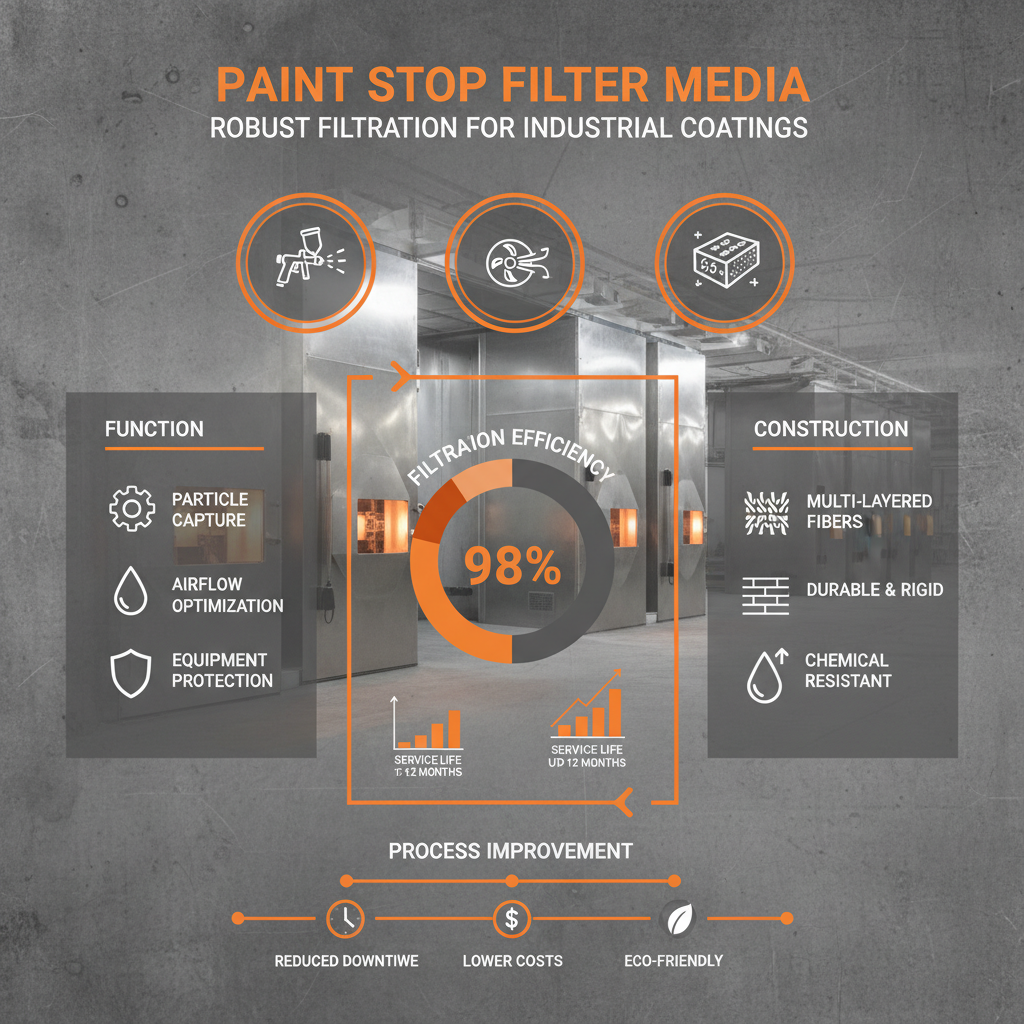
In the realm of industrial painting and coating, Paint Stop Filter Media are indispensable. In large-scale automotive paint shops across Europe and North America, these media prevent paint droplets from entering the exhaust system, protecting the environment and allowing for the recycling of air within the spray booth.
Performance Comparison of Media Air Filter Types
Tangible Advantages and Long-Term Value
Investing in a high-grade media air filter provides immediate economic benefits through reduced energy consumption. When a filter is designed with an optimized composite structure, it maintains a lower pressure drop for a longer period, meaning HVAC motors don't have to work as hard to move the same volume of air.
Beyond the balance sheet, there is a profound human impact. In healthcare and pharmaceutical settings, the reliability of fiberglass pocket filter media ensures the safety of patients and the purity of medications. This builds a foundation of trust and institutional dignity, knowing that the air being breathed is free from hazardous pathogens and contaminants.
Future Trends and Material Innovations
The future of the media air filter is leaning heavily toward sustainability and "smart" materials. We are seeing a rise in the development of biodegradable synthetic fibers that offer the same efficiency as traditional plastics but break down safely after their service life, reducing the global landfill burden.
Another major trend is the integration of nanotechnology. Nano-fiber coatings are being applied to standard air filter papers to create an electrostatic charge, which allows the media to attract particles like a magnet. This significantly increases the efficiency of the filter without increasing the thickness or the pressure drop.
Furthermore, the digital transformation of the industry is introducing "intelligent media" equipped with embedded sensors. These sensors can monitor the loading level of the media air filter in real-time, alerting facility managers exactly when a replacement is needed, thereby eliminating wasteful early changes and preventing dangerous overdue replacements.
Common Challenges and Engineering Solutions
One of the most persistent challenges in filtration is the trade-off between efficiency and breathability. Many operators find that as they increase the filtration grade of their media air filter, the airflow drops precipitously. The engineering solution here is the use of gradient density media, where the fiber structure becomes progressively tighter from the upstream to the downstream side.
Moisture sensitivity is another hurdle, especially for cellulose-based filter papers. When exposed to high humidity, these materials can swell or succumb to microbial growth. The industry has responded by developing Laminated Filter Paper with water-separation properties and synthetic composite blends that are inherently hydrophobic.
Finally, the cost of high-performance materials can be a barrier for some regions. To overcome this, manufacturers are focusing on modular media designs. By using a "pre-filter" of synthetic roll filter material to catch larger particles, the life of the expensive high-efficiency media air filter is extended, drastically lowering the total cost of ownership.
Comparison of Media Air Filter Material Specifications
| Material Type |
Dust Holding Capacity |
Initial Pressure Drop |
Recommended Use |
| Meltblown Synthetic |
High |
Low |
HVAC Pre-filtration |
| Glass Microfiber |
Medium |
High |
HEPA/Ultra-fine Air |
| Activated Carbon Comp. |
Medium |
Medium |
Gas & Odor Removal |
| Composite Fiberglass |
Very High |
Low-Medium |
Industrial Pocket Filters |
| Oil Filter Paper |
Medium |
Medium |
Automotive Engines |
| Laminated Mesh |
Low |
Very Low |
Heavy Coarse Particles |
FAQS
Synthetic media are typically made from polymers like polypropylene and offer better moisture resistance and durability. Fiberglass media, on the other hand, consist of very fine glass fibers that can capture much smaller particles, making them ideal for high-efficiency applications like HEPA filters, although they can be more brittle than synthetics.
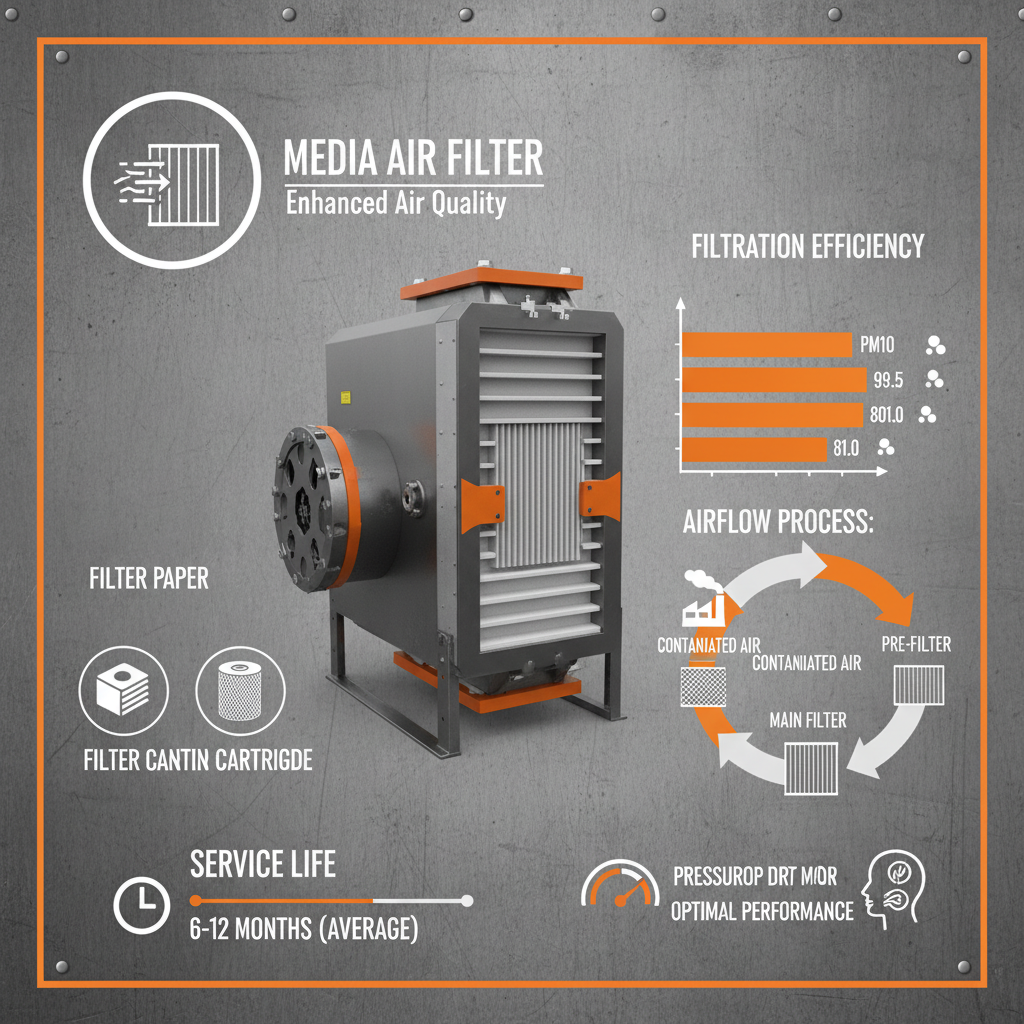
Replacement intervals vary based on the dust load of your environment. However, the best practice is to monitor the differential pressure across the filter. Once the pressure drop reaches the manufacturer's recommended "final pressure drop" limit, the media is saturated and must be replaced to avoid system strain and air leakage.
Yes, this is common in "composite" filters. An activated carbon layer is often laminated with a synthetic or fiberglass media. This allows the filter to capture both physical particulates (via the fibers) and chemical vapors or odors (via the carbon adsorption), providing a complete air purification solution in a single stage.
Meltblown media generally offers superior filtration efficiency for fine particles due to its extremely small fiber diameter. Traditional filter papers are often better for higher flow rates and coarser particles. For most modern applications, a composite of both is used to achieve the "best of both worlds" in terms of efficiency and airflow.
Pressure drop is the difference in air pressure between the upstream and downstream sides of the media air filter. A high pressure drop means the air is struggling to pass through the media, which increases energy costs. The goal is to maximize particle capture while keeping this drop as low as possible.
Most high-efficiency synthetic pocket filters are disposable because washing them can damage the delicate fiber structure and create "holes" that allow pollutants to pass through. However, some coarse pre-filter media are designed to be cleaned. Always check the manufacturer's specifications to avoid compromising the filtration grade.
Conclusion
The selection of a media air filter is a critical engineering decision that impacts everything from energy overheads to the health of the workforce. By understanding the synergy between different materials—such as the strength of composites, the precision of glass microfibers, and the adsorption power of activated carbon—industries can build air systems that are not only efficient but sustainable. The transition from basic filtration to engineered media reflects a global commitment to higher purity standards and operational intelligence.
Looking forward, the integration of nano-materials and smart sensors will likely turn air filtration from a passive process into an active, data-driven utility. We recommend that facility managers audit their current media types and move toward gradient-density composites to optimize their lifecycle costs. For those seeking the highest quality materials and expert guidance on filtration media, we invite you to explore our professional range. Visit our website: www.filtersmaterials.com