Having spent over 15 years working around industrial equipment—mostly with booths, filters, and ventilation systems—I’ve come to appreciate how a good filter paint booth really can make or break a facility’s efficiency and safety. If you’re in automotive refinishing, aerospace, or even heavy machinery, you’ll understand the constant headache of managing paint overspray and solvent fumes. Oddly enough, while the concept sounds straightforward, the right filter paint booth technology is surprisingly intricate.
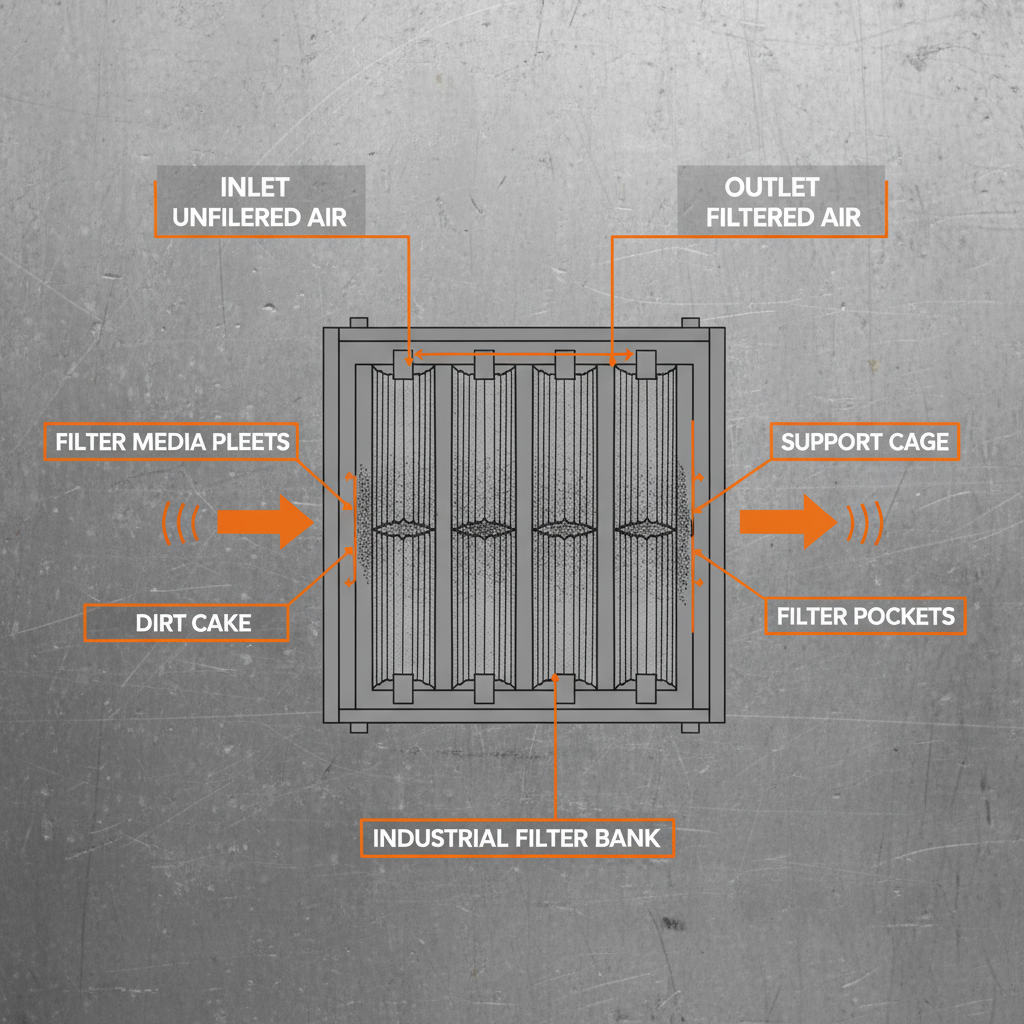
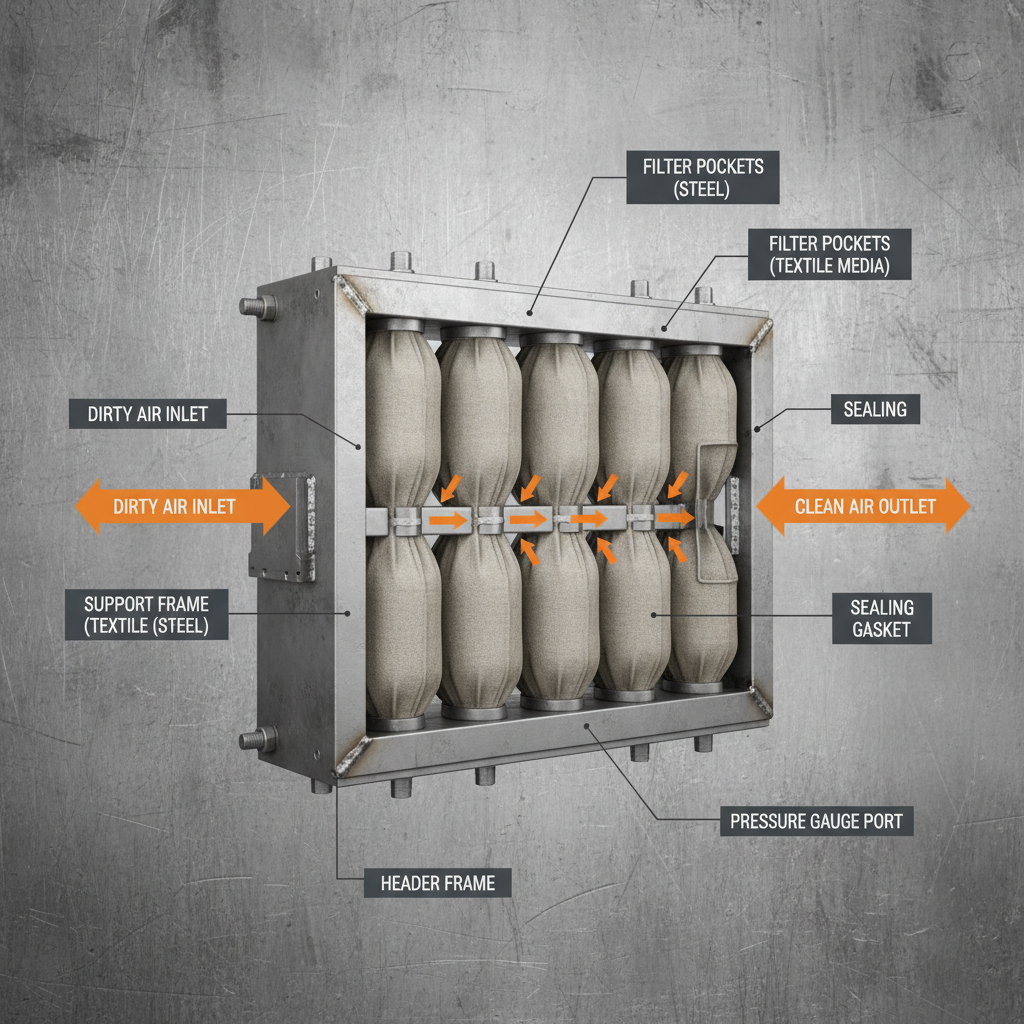
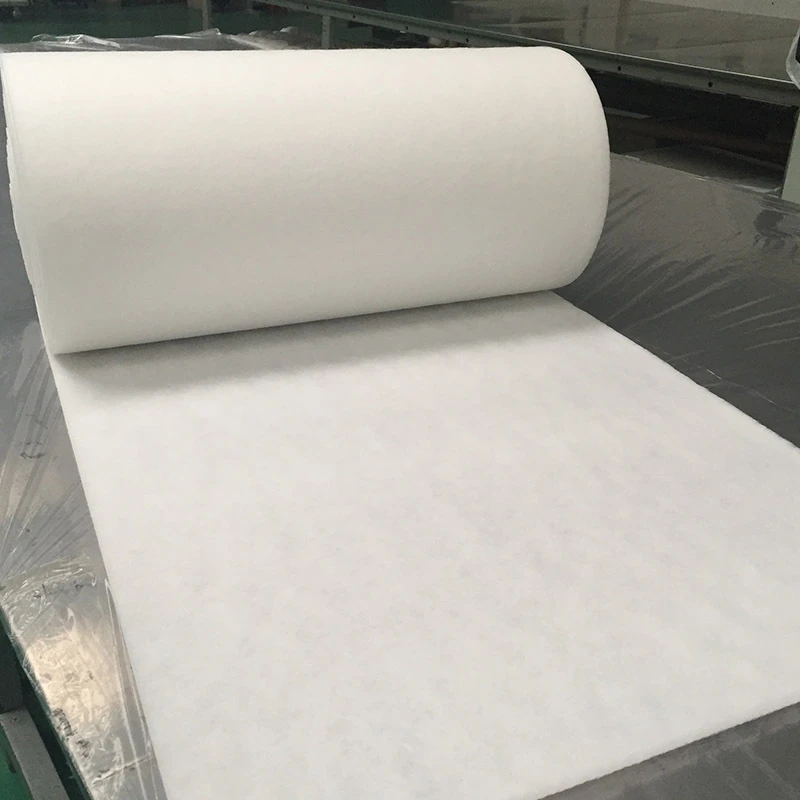
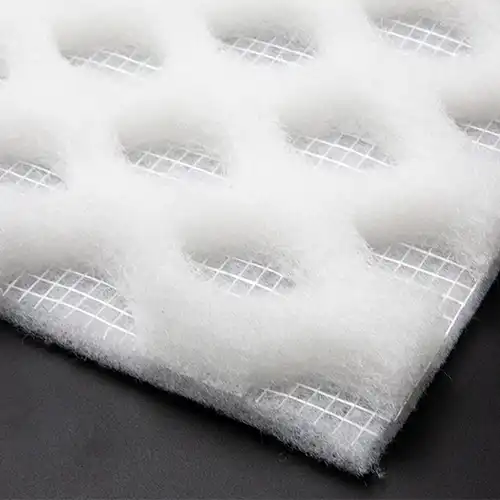
So, what exactly makes a filter paint booth valuable? Well, for starters, it’s all about the filters themselves filter paint booth units use to trap airborne particulates. Those sprays can be vicious—tiny paint droplets and chemical vapors that if inhaled or allowed to spread unchecked, pose serious health risks and regulatory headaches. In my years dealing with these systems, I noticed brands that prioritize both filtration efficiency and airflow design create booths that last longer and perform better over time.
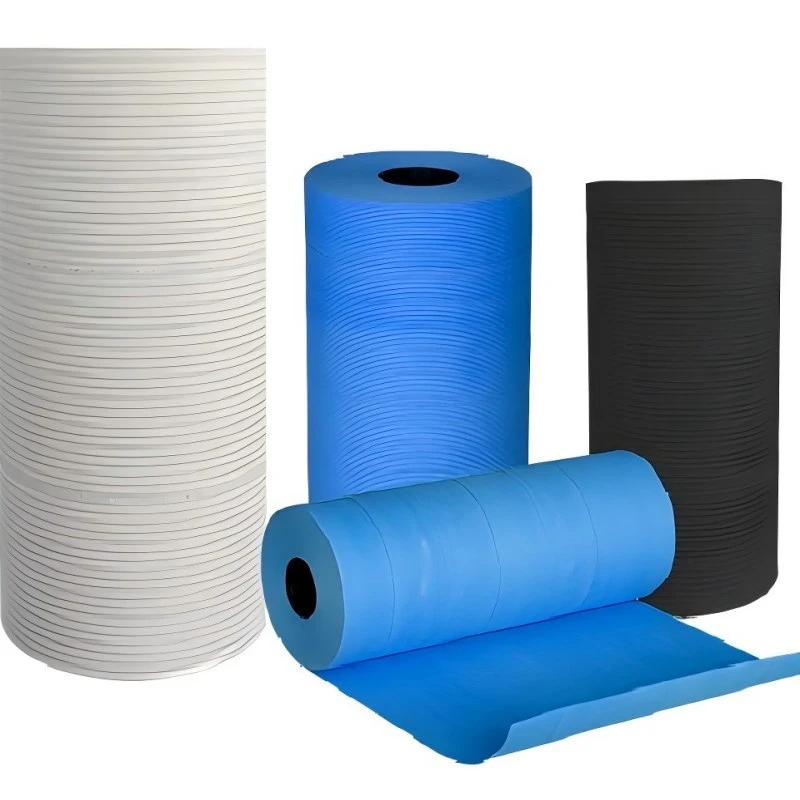
Many engineers I worked with swear by filtering media that balance high dust-holding capacity with low pressure drop. You see, the booth has to suck contaminated air in but keep its power and operate quietly, so a clogged or poorly designed filter is more than just an annoyance—it’s downtime and maintenance bills. The industry seems to be trending toward pleated filter panels or nanofiber composite materials, which are lightweight yet very effective. Frankly, it’s amazing how much tech goes into what seems like “just a filter.”
| Specification | Typical Range | Notes |
|---|---|---|
| Airflow Velocity | 100-150 FPM (feet/min) | Maintains safe overspray capture without drawing in dust |
| Filter Type | Fiberglass, Pleated, Nanofiber | Nanofiber emerging for higher efficiency |
| Efficiency Rating | 85% - 99.97% (HEPA) | Depends on filter; HEPA units for high-end applications |
| Filter Life | 3-12 months | Heavily usage-dependent |
| Dimensions | Varies by booth size | From small repair booths to full production lines |
In the real world, customization is king. A friend of mine in the auto restoration business swears by working with manufacturers who offer tailored solutions—replacing generic filters with ones that match their production volume and paint types increased their booth’s uptime dramatically. They noticed fewer clogs, better air quality, and lower electricity bills because the motors weren’t working as hard.
From a vendor perspective, I’ve compared three leading companies who supply filters for paint booths. It’s not just about price; it’s about trust, turnaround time, and quality assurance. Oddly enough, smaller vendors sometimes outpace giants simply by focusing on customer service and fast customization.
| Vendor | Filter Range | Lead Time | Custom Options | Approx. Price |
|---|---|---|---|---|
| Alpha Filters Inc. | Fiberglass, Pleated | 5-7 Days | No | $30-$100 per filter |
| Beta Filtration | Nanofiber, HEPA | 10-14 Days | Yes - size and efficiency | $80-$200 per filter |
| Gamma Supplies | Pleated, Fiberglass | 3-5 Days | Limited | $25-$75 per filter |
What I really admire about the filter paint booth market is that it’s constantly evolving. Materials improve, manufacturing techniques get more precise, and environmental regulations push suppliers to higher standards. If you ever face headaches with overspray or compliance inspections, upgrading filters or even the whole booth system isn’t just an expense; it’s an investment in your people’s health and your bottom line.
In closing, if you’re shopping for filters, don’t just grab the cheapest option. Seek advice, test samples, and consider how filters will perform in your specific environment. I suppose the lesson from my years is simple: quality matters, and sometimes paying a bit more upfront prevents a ton of headaches later.
Here’s to cleaner air and smoother operations—one filter at a time.