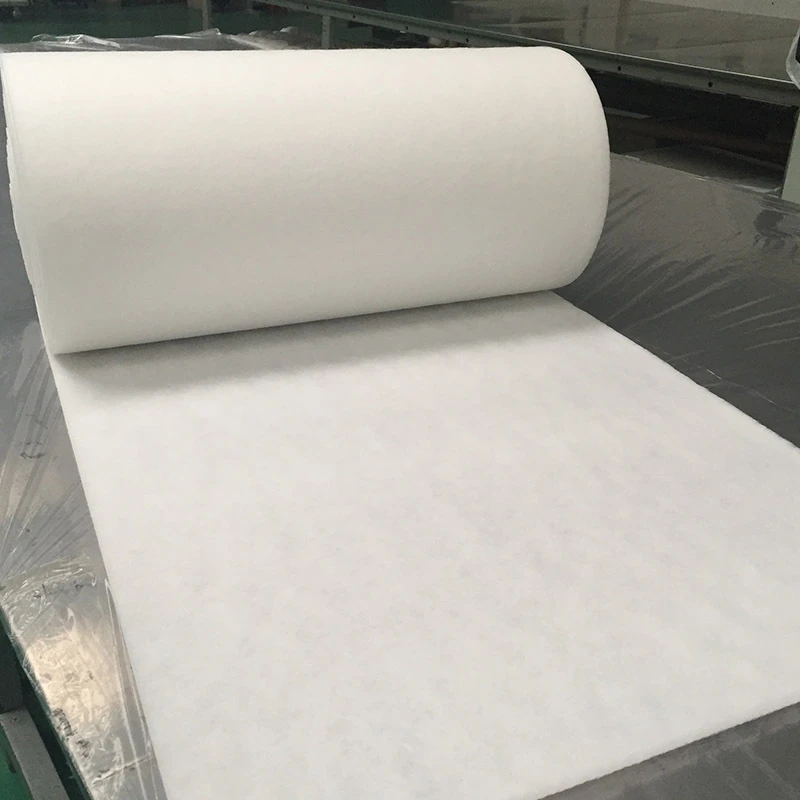
At first glance, a fiberglass paint arrestor roll might sound like something out of a high-tech lab, but it’s actually an everyday hero in many industrial and commercial paint applications around the world. Simply put, this product is designed to capture overspray and airborne paint particles, preventing them from drifting into undesired spaces, which can otherwise cause costly cleanup and safety problems.
Globally, manufacturing plants, automotive workshops, and even large warehouses are increasingly deploying these rolls, driven by strict environmental regulations, concerns for worker safety, and a greater push towards reducing waste. Understanding fiberglass paint arrestor rolls isn't just a niche interest; it taps into broader themes of sustainability, efficiency, and industrial hygiene.
Mini takeaway: Fiberglass paint arrestor rolls are vital in controlling paint overspray worldwide, enabling cleaner, safer operations and supporting environmental standards.
Paint overspray is a surprisingly pesky challenge. According to ISO standards for industrial painting safety, airborne paint particles are a significant source of workplace contamination. The World Bank and UN Environmental Program have repeatedly stressed that improving industrial micro-particle control is key to reducing urban pollution.
In regions with booming manufacturing hubs like Southeast Asia, Eastern Europe, and parts of South America, paint arrestor materials — especially those made from fiberglass — are becoming a crucial component of spray booth design. These rolls address common problems like clogged filters, fire hazards, and VOC emissions.
For many businesses, failing to manage overspray properly can mean regulatory fines and operational slowdowns. Fiberglass arrestor rolls offer an affordable, scalable solution that’s been proven across continents.
Mini takeaway: As industries expand globally, fiberglass paint arrestor rolls are a frontline defense against pollution, health hazards, and compliance risks.
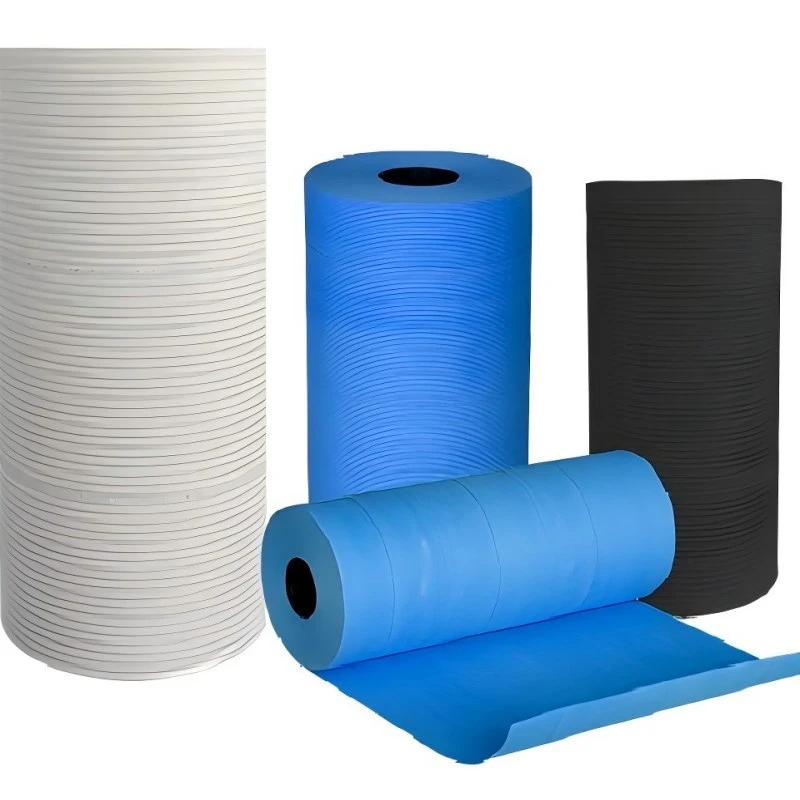
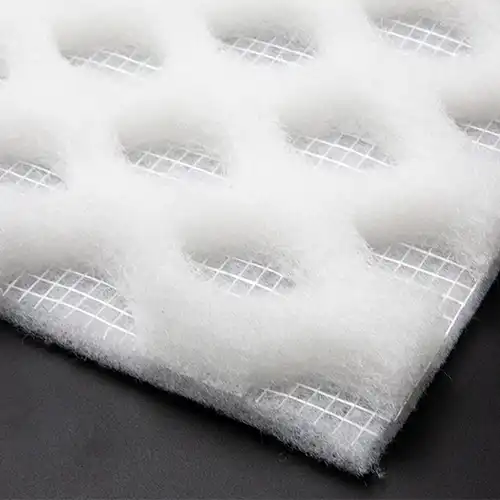
Put plainly, a fiberglass paint arrestor roll is a flexible, perforated roll made primarily of fiberglass fibers arranged in a dense mesh-like structure designed to trap paint overspray inside spray booths.
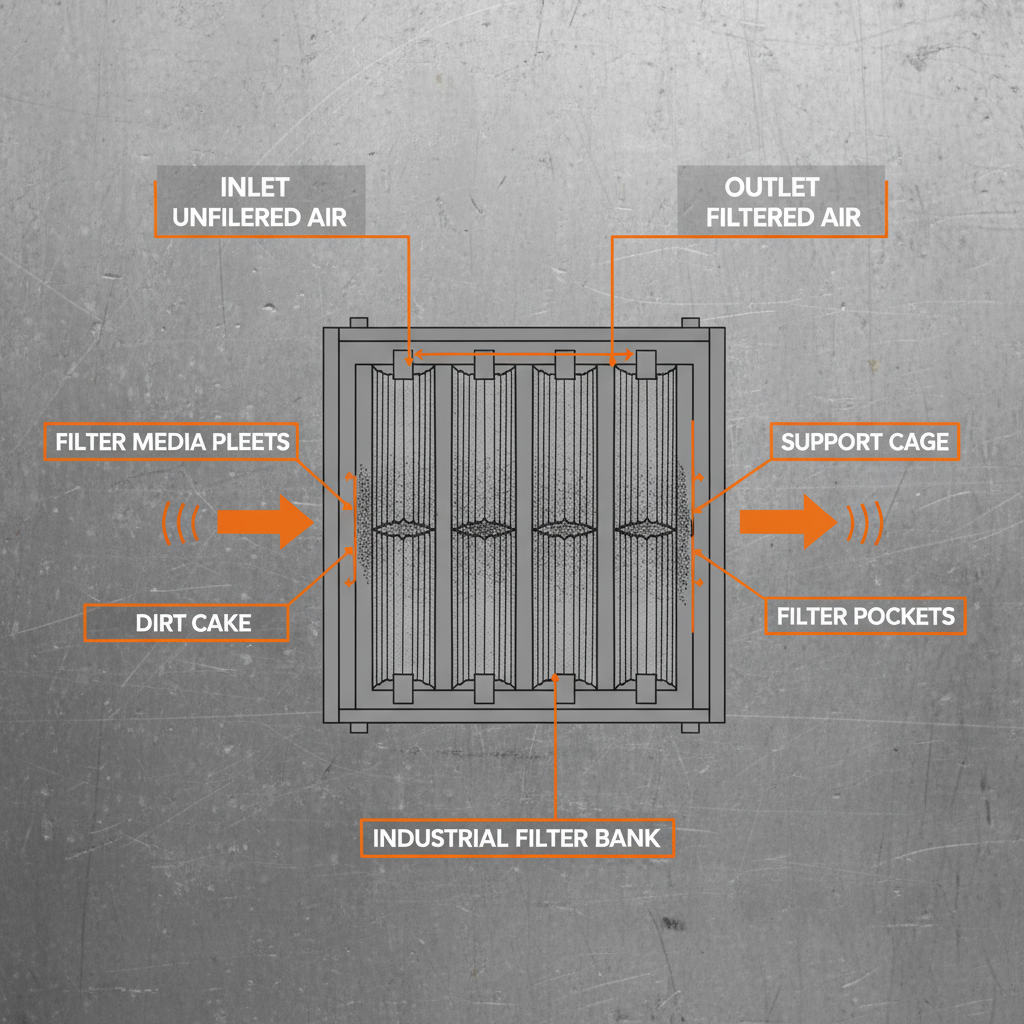
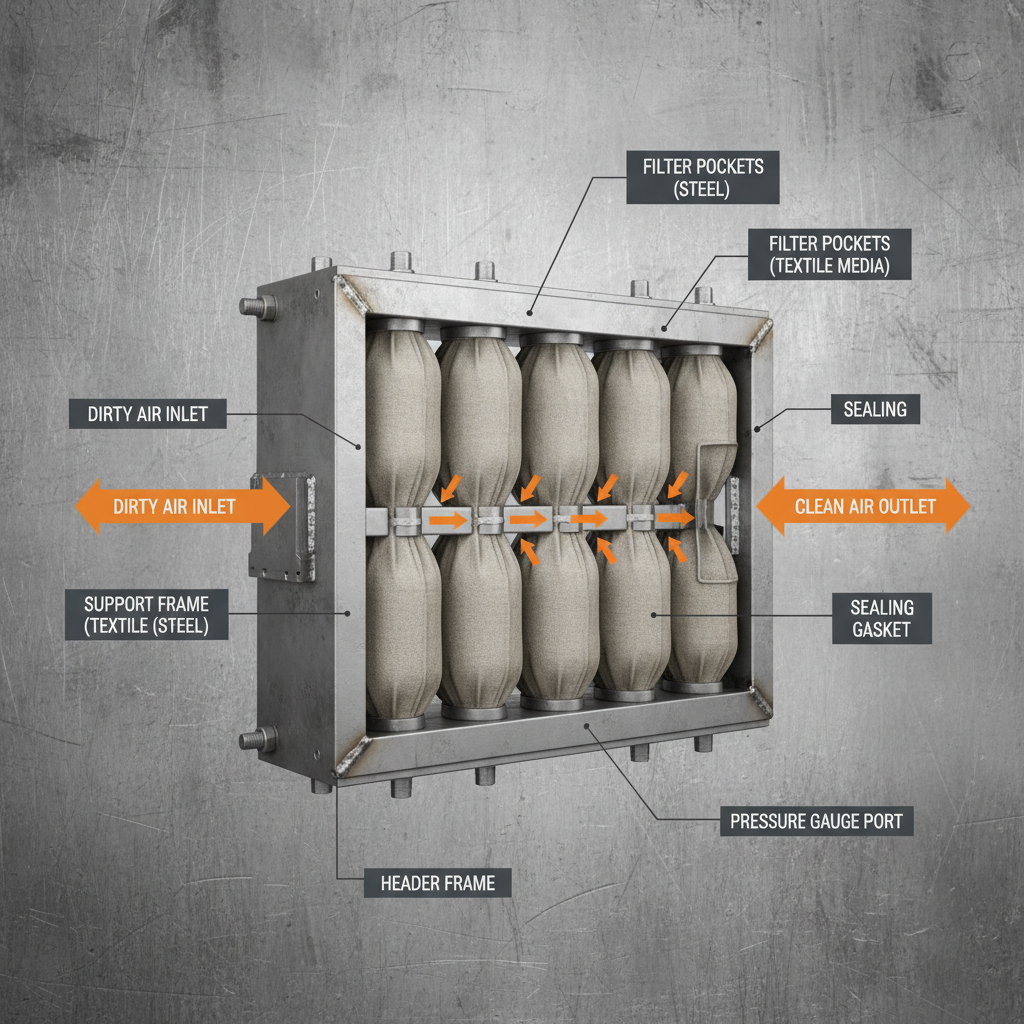
This mesh allows airflow to continue but captures paint droplets before they settle on unintended surfaces or escape into the environment. It's sort of like a very tough, paint-friendly net. Beyond preventing mess, these rolls help maintain paint finish quality by reducing airborne contaminants.
While the concept sounds simple, the fiberglass composition offers remarkable durability and resistance to volatile organic compounds (VOCs), heat, and chemical impacts, which many other materials lack.
Fiberglass paint arrestor roll solutions have become staples in the automotive refinishing industry, aerospace manufacturing, and even furniture coating applications.
Mini takeaway: These rolls are resilient, cost-effective filters that make modern paint spraying cleaner and safer.
Fiberglass fibers resist high temperatures and corrosive solvents found in paints and primers. This ensures the roll lasts longer without degrading or shedding fibers into the spray booth.
One of the challenges is balancing paint capture with airflow so sprayers maintain an efficient booth environment without excess pressure loss. Fiberglass rolls strike this balance quite well.
Typically available in standard widths and lengths, these rolls are user-friendly for quick swaps without specialized tools, minimizing downtime in busy workshops.
Compared to disposable paper or foam filters, fiberglass rolls offer longer service times, reducing labor and material costs over the long haul.
Many manufacturers now offer recycled-material fiberglass options, helping facilities lower their ecological footprint.
| Feature | Specification |
|---|---|
| Width | 24 inches (standard sizes vary: 12–48 inches) |
| Roll Length | 50 to 100 feet |
| Fiber Material | Fiberglass (E-glass), UV-resistant |
| Weight | 180–220 grams/m² |
| Temperature Resistance | Up to 350°F (175°C) |
| Paint Arrestor Efficiency | 85–90% overspray capture |
It's fascinating—no matter if you're in a state-of-the-art automotive plant in Germany or a modest spray booth in Mexico City, fiberglass paint arrestor rolls help keep paint confined and quality high.
Each of these contexts shares the need for reliable, cost-effective contaminant control and operational safety.
Mini takeaway: Fiberglass paint arrestor rolls are universal workhorses that fit seamlessly into various industries globally.
From an operational standpoint, they’re not just inexpensive—they’re smart investments.
There’s also a psychological angle. Operators often speak of the “peace of mind” they gain knowing paint overspray won’t sabotage days of work or lead to regulatory fines.
Now here’s where things get interesting. In recent years, manufacturers have been refining fiberglass rolls with nano-coatings that make them even more resistant to harsh chemicals and extend their service life.
Some companies are integrating smart sensors that monitor the roll’s saturation level in real-time, something industry watchers say could prevent costly downtime.
Meanwhile, sustainability drives innovation. Experimental biobased binders are replacing traditional resins, reducing the carbon footprint associated with manufacturing these rolls.
Digital transformation is also influencing spray booth designs, creating synergy between paint arrestor roll performance data and overall plant airflow management.
Fiberglass paint arrestor rolls, while impressive, aren’t a cure-all. A few pain points crop up frequently:
Leading experts recommend using modular roll sections combined with frequent maintenance checks and pairing rolls with pre-filters to extend lifespan.
Innovative recycling programs and chemical-resistant coatings have emerged as industry favorites to address disposal and durability issues.
| Vendor | Material Quality | Price/Unit | Sustainability Initiatives | Range of Sizes |
|---|---|---|---|---|
| FibraTech Co. | High-grade E-Glass Fibers | $45 per roll (50 ft) | Recycled content + take-back program | 12" - 48" widths |
| CoverGuard Industries | Standard fiberglass blend | $38 per roll (50 ft) | Limited recycling options | 18" - 36" widths |
| ProArrestor Solutions | Advanced composite fiberglass with coating | $52 per roll (50 ft) | Eco-friendly binders, carbon-neutral process | 12" - 48" widths |
A: Typically, when the roll surface becomes heavily clogged and airflow is noticeably reduced, it's time for replacement. Most spray booths rely on pressure gauges or sensor data to monitor this; otherwise, visual inspection every few weeks is a good rule of thumb.
A: While fiberglass itself is not biodegradable, many vendors offer take-back and recycling programs. Additionally, specialized disposal protocols ensure environmental safety, so always check local regulations and vendor options.
A: They perform well with most solvent- and water-based paints, but extremely aggressive solvents or materials can shorten lifespan. It's advisable to consult your supplier for compatibility with specialty coatings.
A: Yes. Many manufacturers provide custom sizing to fit specific spray booth designs or industrial needs, often at a slightly higher cost but with improved efficiency.
A: They reduce overspray accumulation on booth surfaces, minimizing fire hazards and improving air quality, which collectively enhances worker safety and health compliance.
When you think about it, the humble fiberglass paint arrestor roll packs an outsized punch. It manages the invisible menace of overspray, safeguards workers and the environment, and keeps operations humming smoothly from the local garage to global plants.
Long-term, these rolls represent cost savings, sustainability, and confident compliance — all things every industrial manager dreams about. So whether you take the plunge for your automotive shop or scale up in a manufacturing hub, it feels like a wise move.
For more insights and high-quality products, don’t hesitate to visit our site: fiberglass paint arrestor roll.
Mini takeaway: The fiberglass paint arrestor roll is more than a filter — it’s the quiet backbone of modern, responsible painting operations worldwide.