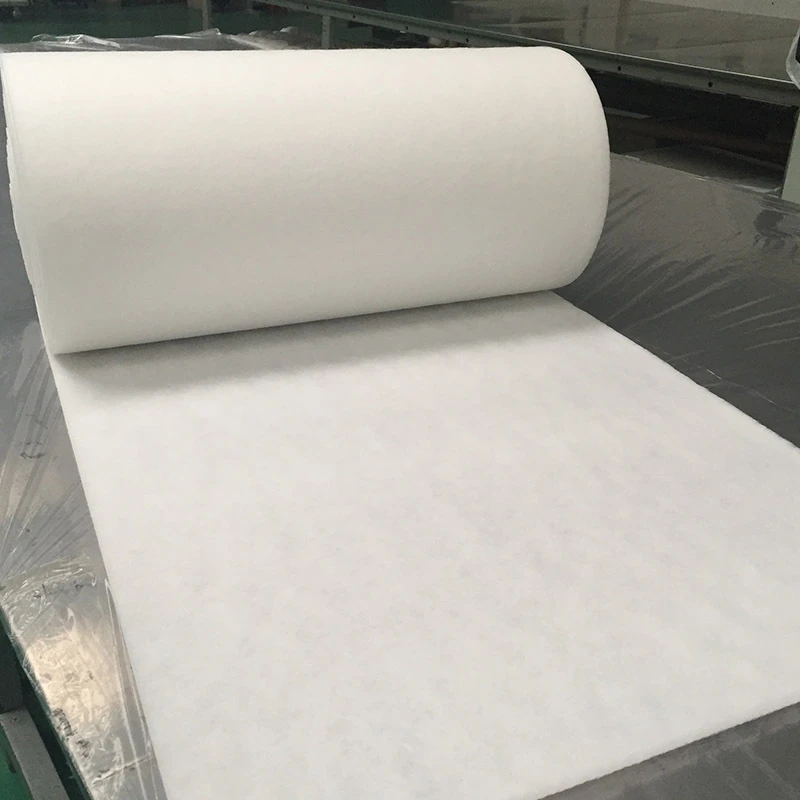
Having spent more years than I care to count working with industrial painting setups, I’ve learned a thing or two about the surprisingly crucial role paint booth filter material plays. Frankly, it’s one of those unsung heroes in the whole coating process—often overlooked until dust or overspray sneaks through and ruins a perfectly good finish.
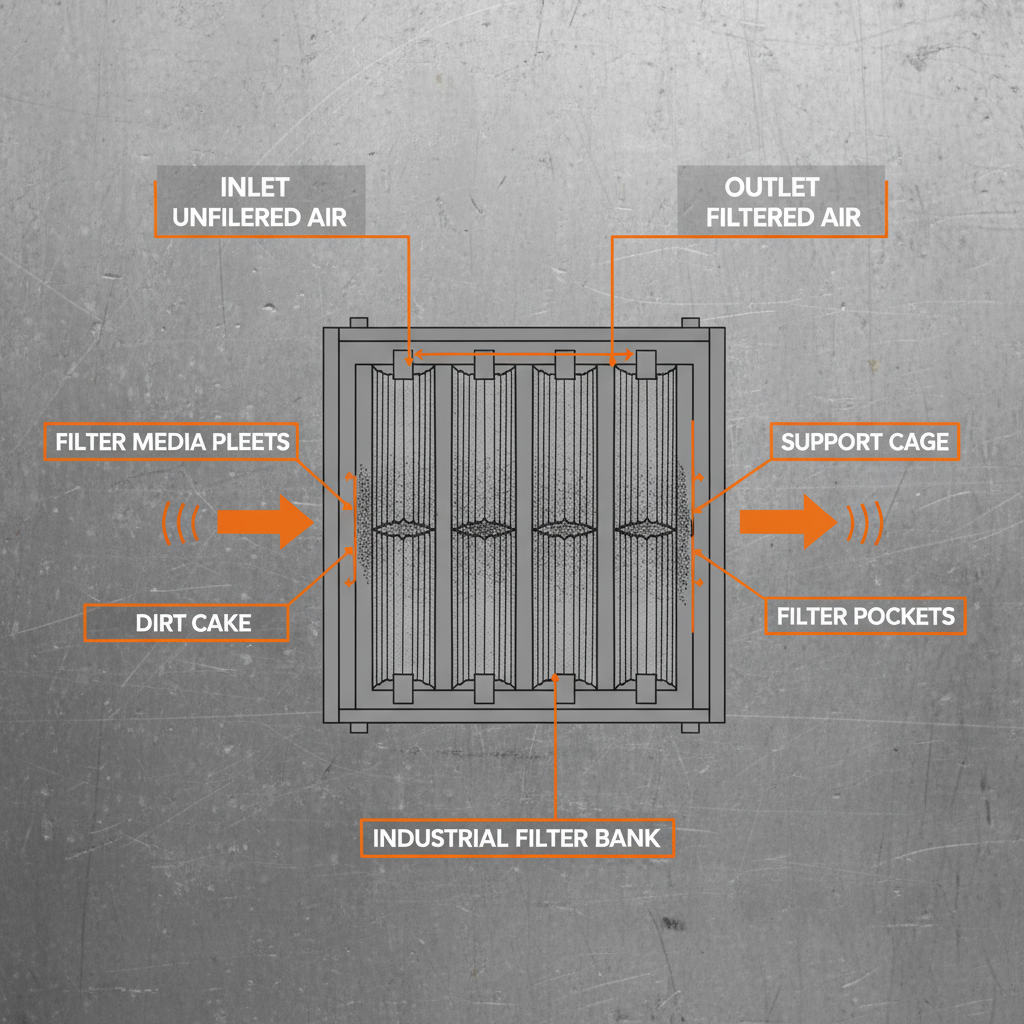
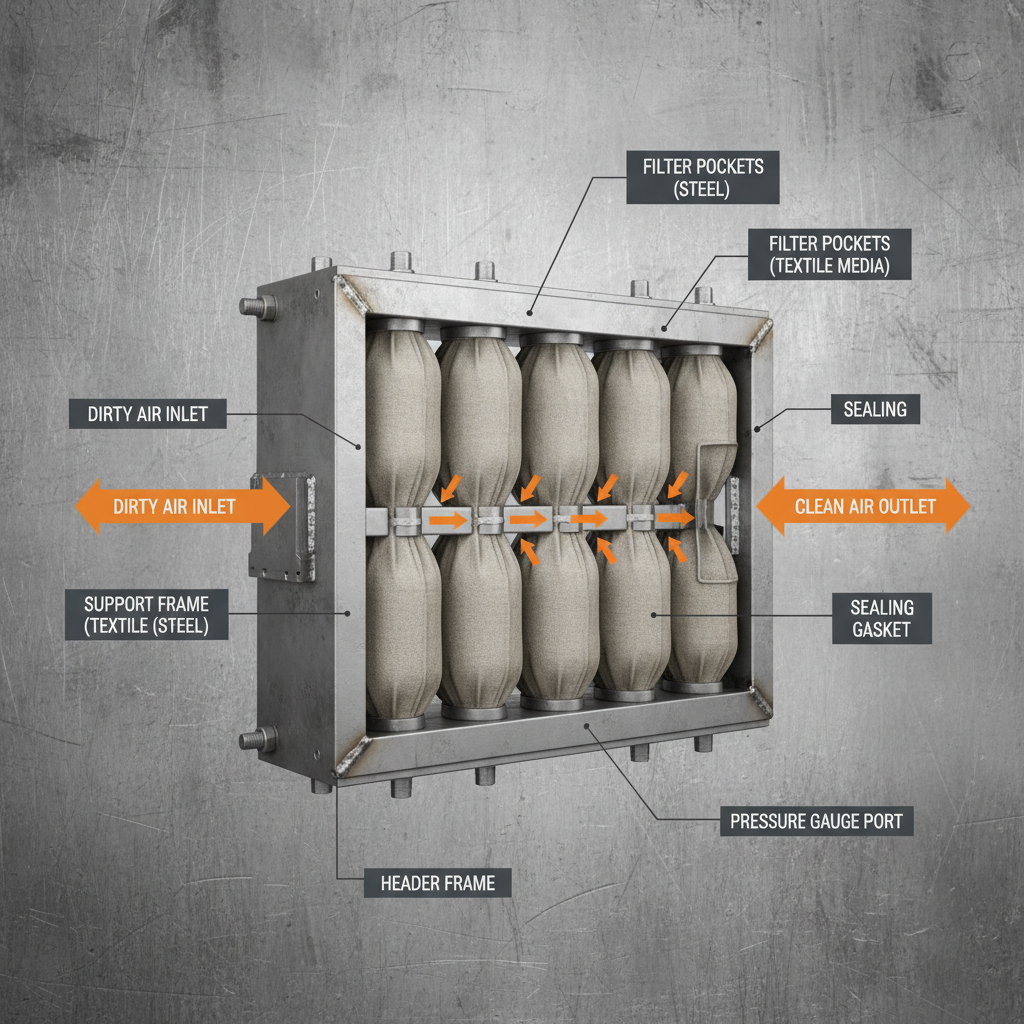
So, what's the big deal with paint booth filter media? It’s not just about catching stuff floating in the air. The right filter impacts airflow, paint quality, booth cleanliness, and even worker safety. I suppose some might view it as mundane, but when your entire plant’s productivity depends on flawless paint jobs, it suddenly feels pretty vital.
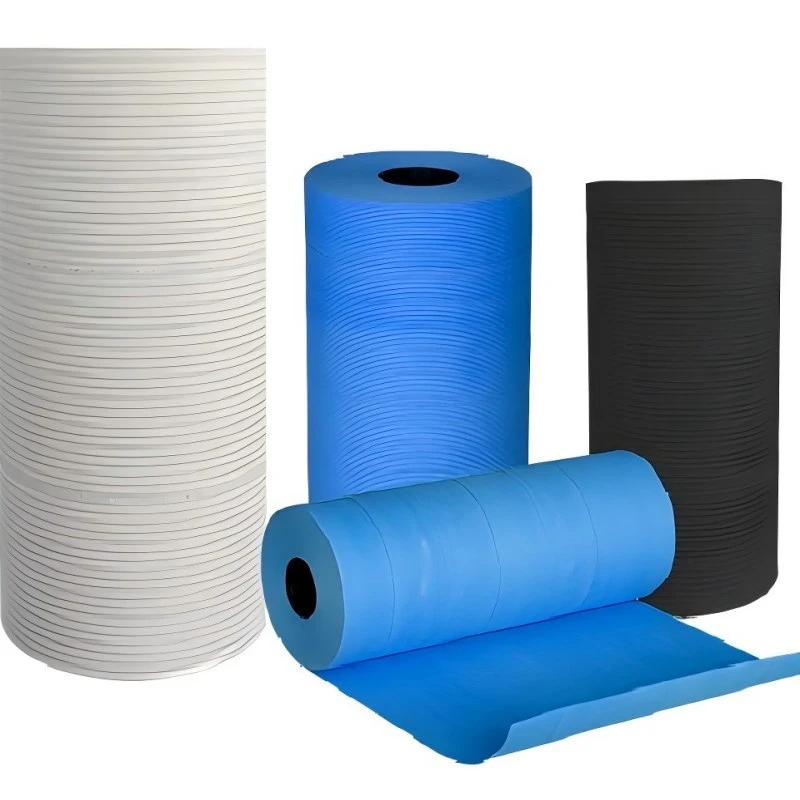
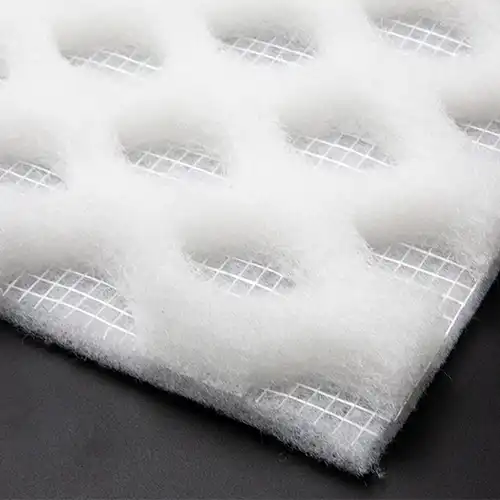
Traditionally, paint booth filters are made from fiberglass, synthetic fibers, or cellulose blends. Each has its quirks. Fiberglass filters are tough and provide excellent particle capture, especially for aggressive spray environments, but they can be brittle. Synthetic mats, on the other hand, often offer improved airflow and durability, which translates into longer filter life and less frequent replacements.
Oddly enough, I’ve noticed that some plants still rely heavily on cellulose-based filters. These tend to be cheaper upfront but often saturate quickly, especially with waterborne paint systems becoming more popular. In real terms, that means more downtime swapping filters and potentially increased waste costs.
When considering filter media, the most trusted specs include MERV rating (Minimum Efficiency Reporting Value), airflow resistance, and particle retention size. Most paint booths operate best with filters in the MERV 8 to 13 range — balancing efficiency with maintaining proper airflow. Too restrictive a filter and your booth ventilation suffers; too loose, and you get paint defects. I’ve learned this the hard way.
| Filter Type | MERV Rating | Max Airflow (fpm) | Typical Usage | Lifespan |
|---|---|---|---|---|
| Fiberglass | 8-12 | 400-600 | Heavy-duty overspray environments | 4-6 weeks |
| Synthetic | 10-13 | 500-700 | Waterborne paint, extended use | 6-8 weeks |
| Cellulose blend | 8-10 | 350-550 | Low-budget, light-duty booths | 3-5 weeks |
Most engineers I talk to agree that a supplier's reliability trumps flashy specs. The last thing you want is an inconsistent batch of filters that clog prematurely or don't fit properly. The subtle variations in fiber density and thickness can make all the difference — it’s something you notice after a few months on the job.
| Vendor | Material Options | Customization Available | Delivery Lead Time | Pricing |
|---|---|---|---|---|
| FiltersMaterial | Fiberglass, Synthetic, Cellulose mixes | Cut-to-size & thickness options | 1-2 weeks | Mid-range, volume discounts |
| Vendor B | Synthetic only | Standard sizes only | 3-4 weeks | Higher |
| Vendor C | Fiberglass & Cellulose blends | Custom cuts & bulk orders | 2-3 weeks | Competitive |
Years ago, I visited a metal fabrication shop that was struggling. Their booths were using generic filters—they changed them routinely, but still plagued with orange peel textures and surface imperfections. After switching to a synthetic paint booth filter material tailored for their waterborne processes, the improvement was night and day. Not only did the finish quality improve, but the engineering team saw fewer downtime hours. It's a reminder that filters aren’t just consumables — they’re part of the quality system.
So if you’re sourcing filter media, consider it an investment in finishing quality, process efficiency, and even environmental compliance. You’ll thank yourself later.
In conclusion, whether fiberglass, synthetic, or cellulose, the key is matching the filter to your specific booth environment and paint type. And working with a flexible, experienced supplier like FiltersMaterial definitely makes all the difference.
As with many things in industrial equipment, sometimes the small details keep your lines humming—and the perfect finish just a filter change away.