Essential Guide to Spray Booth Ceiling Filters – Improving Air Quality & Finish Quality

  • Home
  • news
  • Essential Guide to Spray Booth Ceiling Filters – Improving Air Quality & Finish Quality
Essential Guide to Spray Booth Ceiling Filters – Improving Air Quality & Finish Quality
Nov . 29, 2025

Spray Booth Ceiling Filters: The Unsung Hero of Clean Industrial Air

If you’ve ever wondered how paint finishes in automotive factories or aircraft maintenance hangars come out perfectly smooth and free of dust, the answer often lies just above your head—literally in the spray booth ceiling filters. These filters may sound like a small piece of the puzzle, but they play a vital role in ensuring clean, contaminant-free air during spray painting operations.

Understanding spray booth ceiling filters is important on a global scale, as industries worldwide seek cleaner production methods and better workplace safety. The benefits go beyond aesthetics — they encompass environmental responsibility, worker health, and even regulatory compliance. By grasping the core concepts behind these filters, manufacturers and facility managers can optimize efficiency and reduce costly defects.

Why Spray Booth Ceiling Filters Matter Globally

Spray painting is a universal process spanning automotive, aerospace, furniture, and even electronics manufacturing. The global spray booth market has been projected to grow steadily, fueled by stricter environmental norms from organizations like the ISO and government bodies worldwide. For instance, the EPA regulates air filtration standards in the U.S., while the UN data demonstrate the increasing industrial output in emerging economies.

One problem these filters tackle is particulate contamination. Dust, overspray, and airborne particles can ruin a painting job, causing uneven textures or defects. Moreover, unchecked airborne particles pose health risks to workers, especially in enclosed spaces.

Without effective ceiling filters, spray booths lose efficiency, waste materials, and potentially endanger workers—a lose-lose situation in any industry.

Mini takeaway: Spray booth ceiling filters are essential for cleaner air, better product quality, and regulatory compliance worldwide.

What Exactly Are Spray Booth Ceiling Filters?

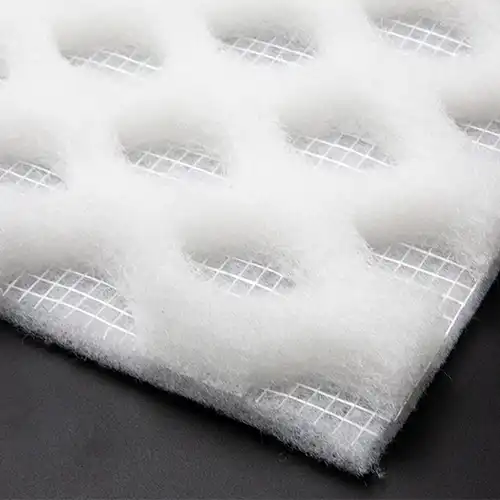
In simple terms, spray booth ceiling filters are specially designed filters installed in the ceilings of spray booths. Their job is to draw clean, dust-free air into the booth while capturing overspray and contaminants before they escape into the environment or settle on freshly painted surfaces.

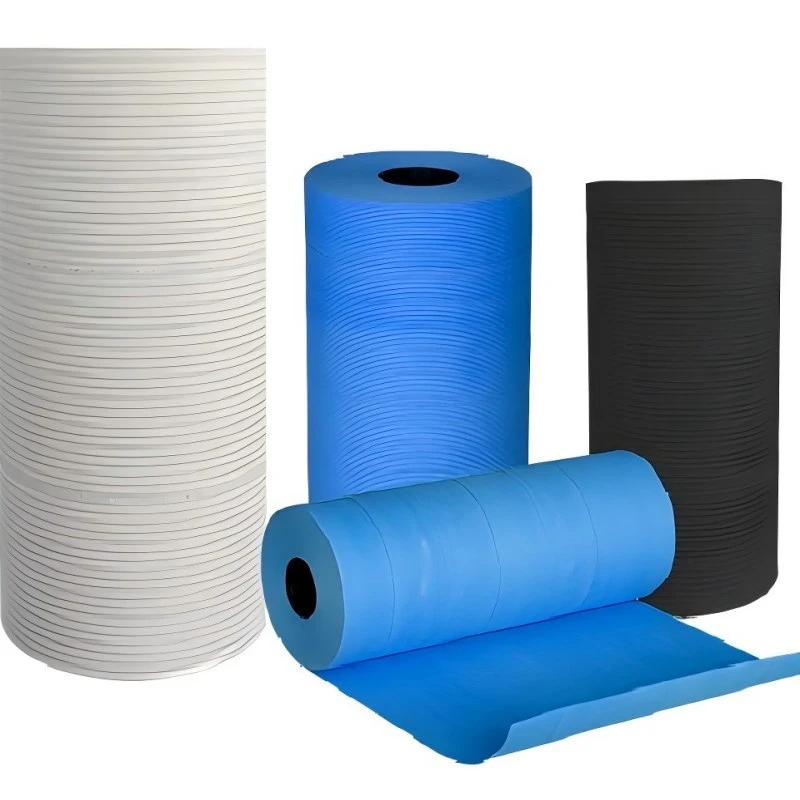
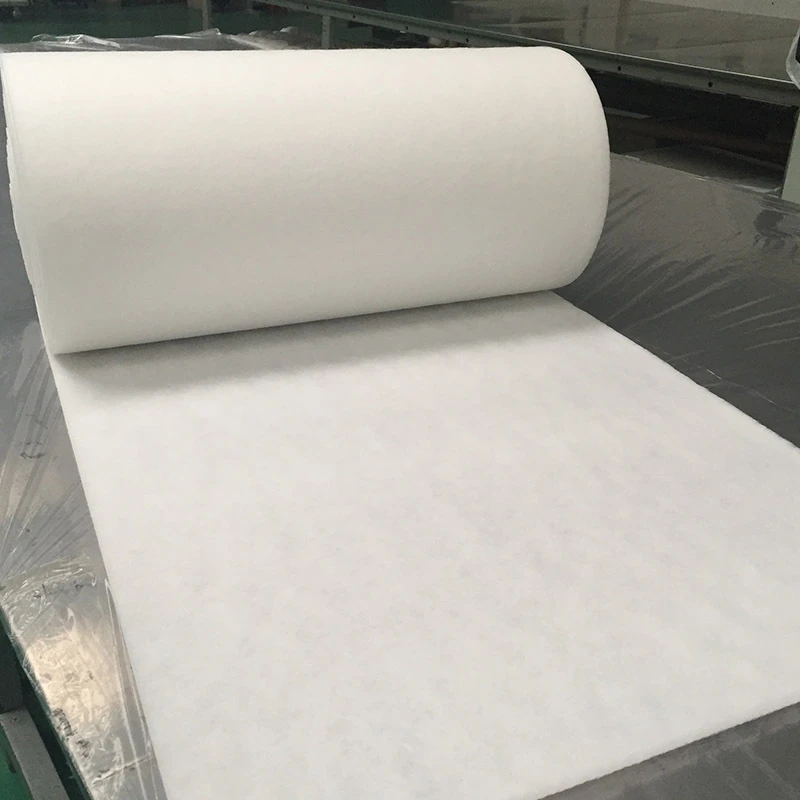
They are typically made from materials like fiberglass, polyester, or synthetic fibers arranged in layers to ensure optimal filtration without hampering airflow. These filters complement other filtration systems, like exhaust filters, to maintain a controlled atmosphere inside the booth.

Beyond the industrial setting, these filters also have humanitarian implications. In operations like vehicle refurbishments for emergency services or rebuilding efforts in disaster zones, high-quality spray booth filtration ensures equipment is safely and efficiently maintained—critical to saving lives indirectly.

Key Factors in Choosing Spray Booth Ceiling Filters

1. Filtration Efficiency

The primary factor is how well the filters trap particles. Filters are rated by their Minimum Efficiency Reporting Value (MERV) or similar standards. High-efficiency filters reduce defects and help meet stringent environmental limits.

2. Durability & Material Quality

Filters must withstand moisture, paint chemicals, and variable airflows. For example, synthetic fibers often outlast traditional fiberglass by resisting sagging and degradation.

3. Airflow and Pressure Drop

There's a thin balance: enough filtration to catch contaminants without choking airflow or overwhelming the HVAC system. Too much pressure drop means higher energy costs and uneven paint coverage.

4. Size & Installation Compatibility

Filters come in various sizes and thicknesses. Choosing the right size minimizes gaps and ensures a tight seal, helping maintain booth performance.

5. Cost Efficiency & Maintenance

Filters vary widely in price. While cheaper filters can be tempting, they often require more frequent replacement and may compromise quality, harming long-term costs.

Specification Typical Value Notes
Filter Media Synthetic Fiber / Fiberglass Varies by application
Efficiency Rating MERV 8 - 13 Higher for fine finishes
Airflow Capacity 500 - 1500 CFM per filter Depends on booth size
Thickness 2 - 4 inches Impacts pressure drop
Lifespan 4 - 12 weeks Depends on usage & overspray

Mini takeaway: A good spray booth ceiling filter balances airflow and filtration, is durable, and fits your budget—parameters every facility manager should weigh carefully.

Where Are Spray Booth Ceiling Filters Making a Difference?

These filters find use in far more places than you'd think. Here are a few notable spots worldwide:

  • Automotive factories in Germany and Japan rely heavily on advanced filtration to meet strict emissions and finish quality standards.
  • Aerospace maintenance hangars in the United States and France use high-efficiency booth filters to protect to-the-micron paint finishes.
  • Furniture manufacturing hubs in China and Italy use ceiling filters to limit particulate matter escaping into worker areas.
  • Emergency vehicle refurbishment centers in Australia require rapid, clean paint applications for ambulances and fire trucks.
  • Post-disaster rebuilding sites sometimes operate mobile spray booths with specialized filters to ensure safety despite challenging conditions.

These examples highlight the adaptability and necessity of quality ceiling filters across diverse environments, each with unique challenges.

Long-Term Advantages of Investing in Quality Ceiling Filters

Stopping overspray and dust isn’t just about appearances. The perks range from cost savings to social benefits:

  • Reduced rework and waste: Clean air means fewer defects, less paint waste, and lower material costs.
  • Improved worker health: Less airborne contaminants translate to fewer respiratory issues over time.
  • Environmental compliance: Effective filtration helps companies meet regulations, avoiding fines and reputational damage.
  • Longevity of equipment: Clean air prolongs HVAC and spray equipment life.
  • Innovation and trust: Companies investing in high-quality filters send a message about their commitment to quality and safety.

Mini takeaway: While the upfront cost of premium spray booth ceiling filters might be noticeable, the long-term savings and benefits tend to far outweigh these expenses.

The Future: Trends & Innovations in Spray Booth Ceiling Filters

Looking ahead, several exciting trends are reshaping this humble component:

  • Eco-friendly materials: Biodegradable and recyclable filters are emerging to reduce environmental footprints.
  • Smart filters: Integrated sensors can now monitor filter status and airflow, signaling replacement times proactively.
  • Hybrid filtration systems: Combining electrostatic and mechanical filtration ensures even finer particle capture.
  • Automation in maintenance: Robotic filter changes and environmental controls promise to reduce downtime and human error.

Adopting these trends can give manufacturers a competitive edge by aligning with sustainability goals and operational efficiency.

Common Challenges—and How to Solve Them

Despite their benefits, spray booth ceiling filters aren’t without challenges:

  • Clogging and pressure drop: A clogged filter reduces airflow, risking poor finishes. Regular monitoring and smart sensor installation help manage this.
  • Short lifespan in heavy-use environments: Filters may need frequent replacement in high-overspray settings. Choosing denser or multi-layer filters extends life.
  • Installation difficulties: Ill-fitting filters cause air leaks. Proper sizing, routine inspection, and professional installation are key.

Some manufacturers now offer tailored solutions—custom sizes, specialty media, and ongoing support—to smooth these bumps.

FAQ: Your Practical Questions on Spray Booth Ceiling Filters

How often should I replace spray booth ceiling filters?
Typically, filters last between 4 to 12 weeks depending on usage intensity and overspray volume. It's crucial to inspect them regularly and replace when airflow diminishes or visible clogging occurs.
Can I use universal filters for all spray booths?
While some filters are designed with universal sizes in mind, the best practice is to match filters to your booth’s specifications for optimal sealing and efficiency.
Do better filters impact energy consumption?
Yes, higher-efficiency or denser filters usually increase pressure drop, causing fans to work harder. But modern design balances this, and smart monitoring helps optimize usage.
Are ceiling filters recyclable?
Recycling depends on the filter media and usage. Some companies now offer recyclable or biodegradable filters, but many still end up as waste due to contamination.
How do spray booth ceiling filters affect workplace safety?
They substantially improve air quality by capturing harmful particulates, reducing respiratory hazards and supporting a safer working environment.

Summing It Up: Why Spray Booth Ceiling Filters Are Worth the Attention

At the end of the day, spray booth ceiling filters might not be flashy, but their impact is undeniable. They help improve product quality, keep workers safe, and ensure compliance—all crucial to sustainable, successful operations. Whether you manage a small shop or a sprawling factory, choosing the right filters is a decision that pays off in many ways.

Curious to dig deeper or upgrade your spray booth filtration? Visit our website: spray booth ceiling filters for expert advice and solutions tailored to your needs.

Vendor Filter Types Offered Typical Lead Time Price Range (USD) Notable Features
CleanAir Filters Inc. Fiberglass & Synthetic 1-2 weeks $30-$50 per filter High efficiency, custom sizes
EcoFilter Solutions Biodegradable media 2-3 weeks $40-$70 Eco-friendly, smart sensor compatible
ProVent Technologies Hybrid mechanical-electrostatic 3-4 weeks $60-$90 Advanced filtration, automation ready

Final thoughts

There's a quiet sophistication in how these ceiling filters blend material science, engineering, and practical needs. Next time you admire a flawless finish, spare a thought for the clear air flowing above it all...


References
  1. ISO Standards for Paint Spray Booths
  2. EPA Guidelines on Spray Painting and Air Quality
  3. UN Industrial Statistics Database
Share:
High Efficiency Industrial Filter Pockets for Better Air Quality
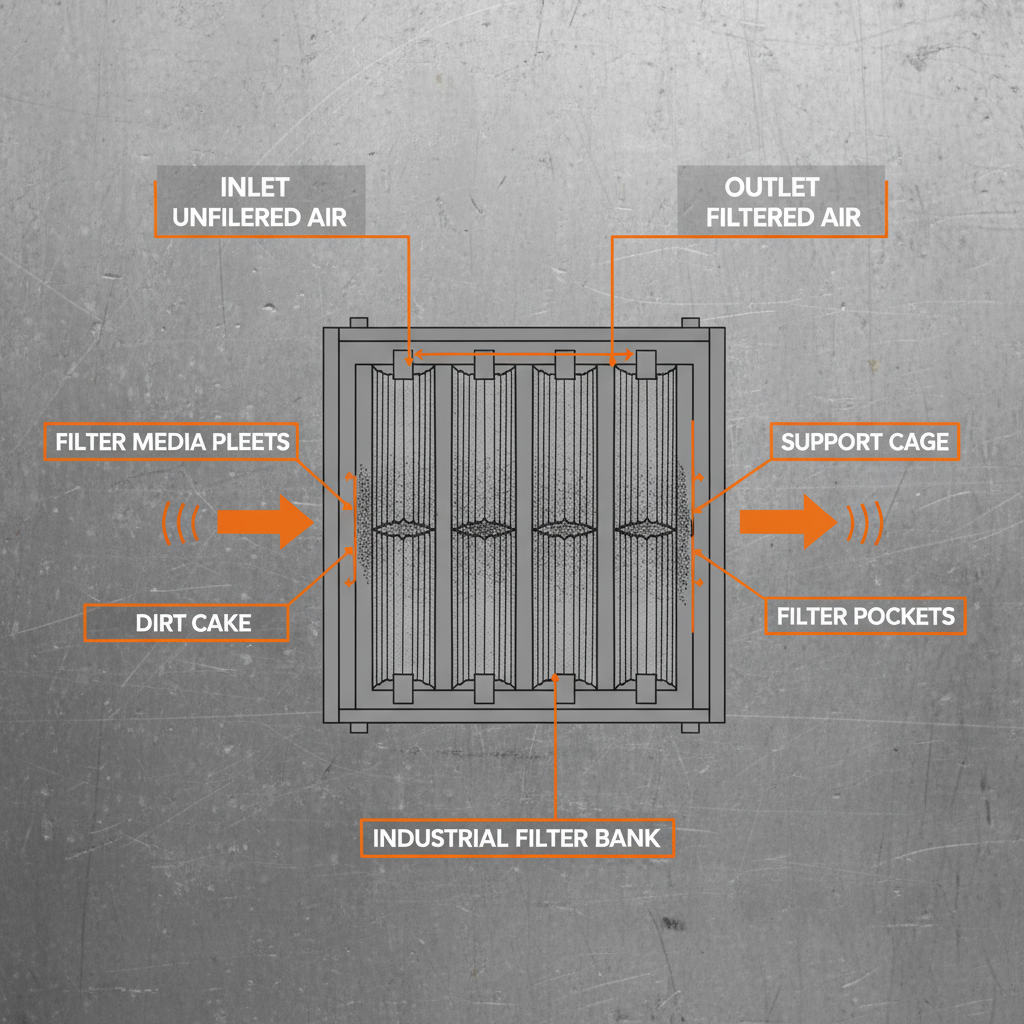
In the realm of industrial air filtration, maintaining air quality is not just about compliance—it is about operational efficiency and health. filter pockets serve as a critical component in HVAC systems and industrial ventilation, designed to capture airborne particulates while maintaining a high flow rate. Whether you are managing a pharmaceutical cleanroom or a large-scale manufacturing plant, understanding the nuances of pocket filter technology can lead to significant energy savings and improved indoor air quality. This guide provides a deep dive into how these filters work, their specifications, and how to choose the right one for your facility.
Industrial Air Purification Guide for the F8 Bag Filter
In the realm of industrial air purification, precision and efficiency are the cornerstones of a healthy working environment. The f8 bag filter serves as a critical component in multi-stage filtration systems, designed specifically to capture fine particulate matter before air reaches more sensitive high-efficiency filters. Whether you are managing a pharmaceutical cleanroom, a food processing plant, or a high-tech manufacturing facility, understanding the mechanics and benefits of F8 rated filtration is essential. This guide provides a professional deep dive into why this specific grade of filtration is indispensable for modern industrial standards.
Comprehensive Guide to Pocket Filters for Optimal Air Quality and Performance
Pocket filters are a widely used air filtration solution across various industries. They are known for their efficiency in capturing particles and protecting sensitive equipment. This article provides a detailed look into pocket filters, exploring their functionality, applications, advantages, and how to choose the right filter for your specific needs. Whether you're involved in HVAC systems, manufacturing, or general air quality control, understanding pocket filters is crucial for maintaining optimal performance and a healthy environment.

If you are interested in our products, you can choose to leave your information here, and we will be in touch with you shortly.