If you've ever been near a car repair shop or a manufacturing plant that paints metal parts, you might have noticed faint chemical smells, or perhaps some visible fluff collecting near vents. That fluff often comes from paint booth exhaust filters, specifically the popular 20 x 20 inch size. These filters aren't just about keeping paint particles from drifting everywhere—they are a crucial part of modern industry and environmental responsibility worldwide.
As industries expand globally, especially in automotive, aerospace, and industrial manufacturing, demand for efficient paint booth exhaust filters increases. They protect worker health, improve air quality, and reduce contamination.
Key benefits of understanding this filter type:
So, beyond just a piece of foam or fabric, these filters serve as silent but impactful guardians of clean air and product quality.
Industries worldwide are under pressure to meet environmental guidelines. According to the ISO 14001 Environmental Management standards, effective air filtration in industrial paint booths plays a big role in reducing volatile organic compounds (VOCs) and particulate matter released into the atmosphere.
Consider this: The European Union reported a 15% increase in regulated paint booth installations in the last 5 years alone. In Asia, particularly China and India, rapid industrialization means paint booths — and thus exhaust filters — are critical in pollution control in major manufacturing hubs.
Here’s the challenge: paint overspray, airborne particles, and VOCs pose health risks, degrade equipment, and pollute local air. Ensuring the right size and type of exhaust filters—like the common 20 x 20 inch size—helps address this globally shared problem.
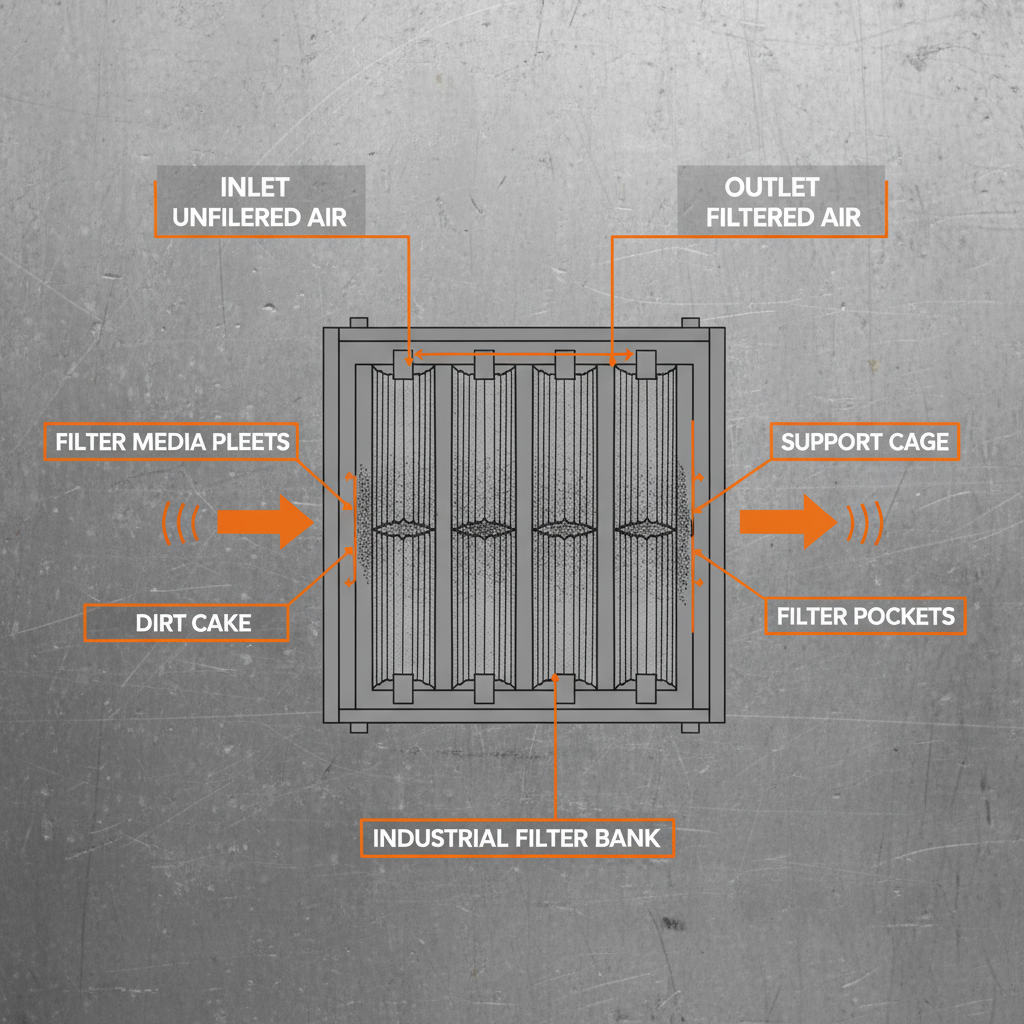
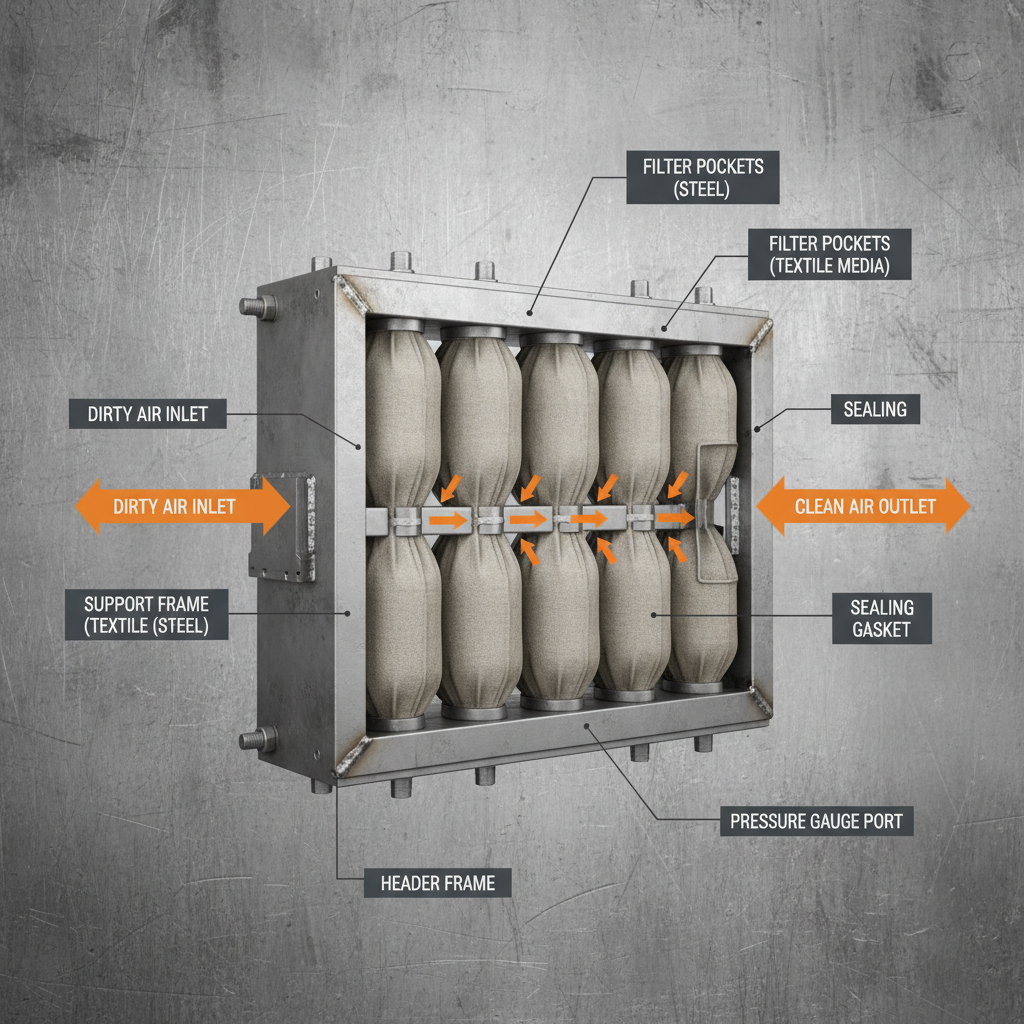
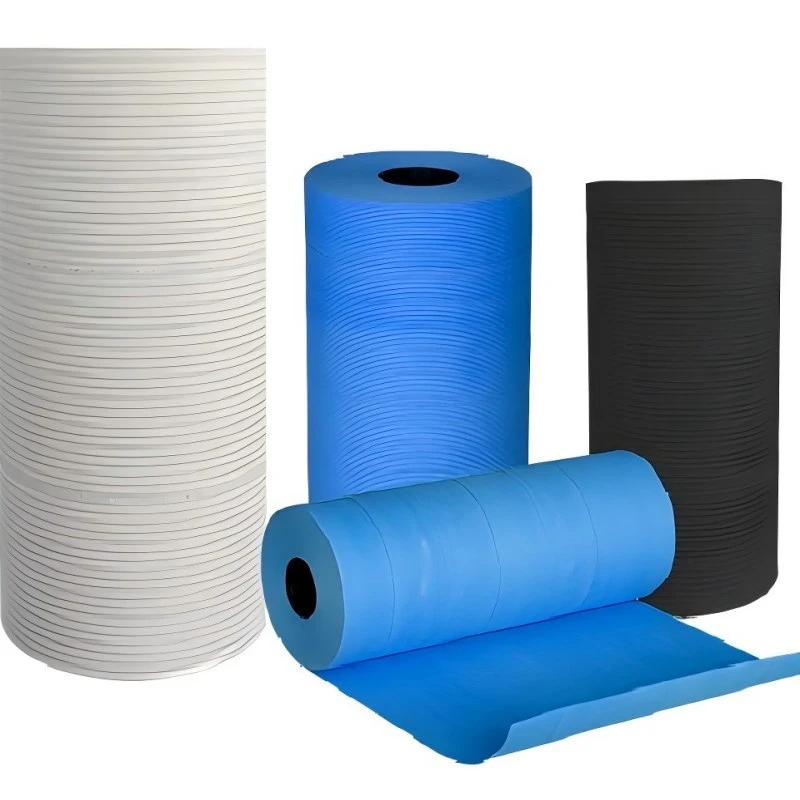
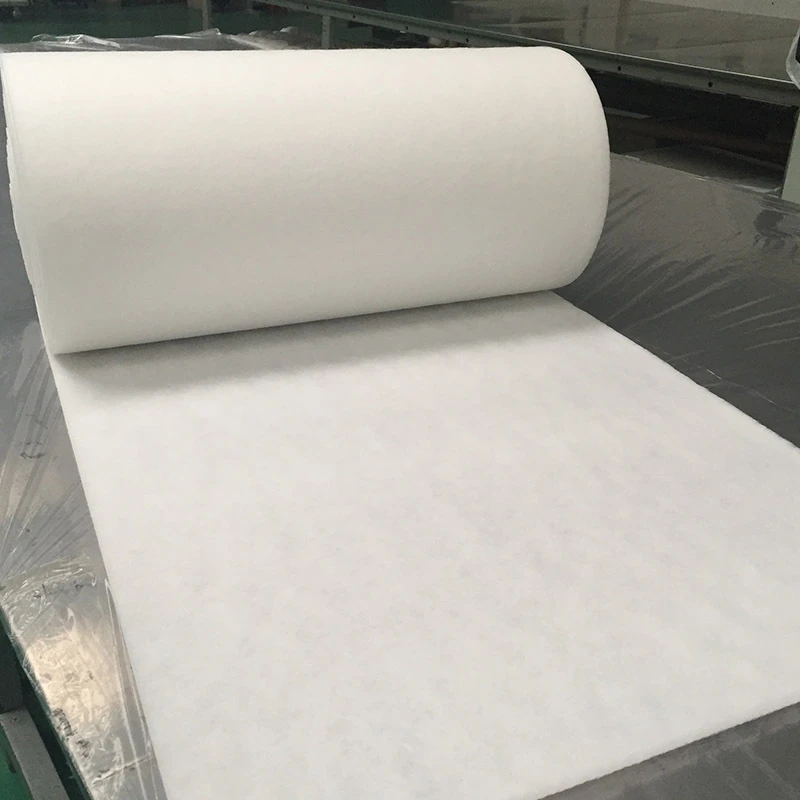
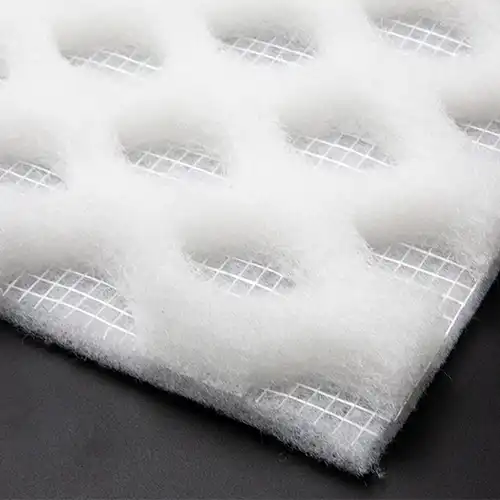
In simple terms, a paint booth exhaust filter 20 x 20 is a filter panel measuring 20 inches by 20 inches designed to capture overspray and airborne contaminants expelled during spray painting operations. They typically consist of layers of synthetic fibers or paper media that trap paint droplets and particulate matter.
This specific size - 20 x 20 inches - has emerged as a standard due to its compatibility with a wide range of booth designs and the convenience of handling. It balances adequate surface area for airflow and filtration efficiency without becoming unwieldy during installation and maintenance.
Technically, these filters connect deeply with industrial demands to minimize pollution and promote worker health, which aligns closely with international occupational safety benchmarks like OSHA and EPA recommendations.
Filters need to withstand exposure to volatile chemicals, temperature fluctuations, and airflow without disintegrating. Many brands use multi-layer synthetic fibers to ensure structural integrity over multiple usage cycles. Durability translates to fewer replacements and better cost efficiency.
Good paint booth exhaust filters capture even the finest particulate matter (PM2.5 and smaller). High-efficiency media minimize paint particle escape and reduce VOC emissions. This efficiency is sometimes rated by MERV (Minimum Efficiency Reporting Value) scores, with many paint booth filters aiming for a MERV 8-11 range.
While trapping particles, filters must allow sufficient airflow to maintain booth pressure balance. Too dense a filter chokes exhaust fans, causing energy waste and reduced performance. The 20 x 20 size cleverly optimizes area for this balance.
Replacement costs and service life matter. Filters that clog quickly can drive up energy bills and downtime. Conversely, long-lasting filters reduce labor and material costs over time.
Many filters use eco-friendly, recyclable materials or are designed for low disposal impact, supporting greener industrial production lines.
Mini takeaway: The 20 x 20 paint booth exhaust filter is more than a face value size — it’s a result of balancing durability, efficiency, airflow, and cost for real-world industrial needs.
Globally, automotive plants in Germany and Japan rely heavily on these filters to meet strict emissions rules while keeping paint jobs flawless. In the US aerospace sector, they ensure delicate components aren’t contaminated. In China, rapidly growing electronics and metal processing industries extensively use these filters to meet local and international environmental mandates.
It’s kind of cool, if you think about it: behind every shiny car or airplane fuselage is a system of filters working quietly to keep toxic overspray away from workers’ lungs and the environment.
Even smaller workshops or custom paint shops use these filters to maintain air quality and comply with local regulations. In post-disaster rebuilding, portable paint booths equipped with these filters help quickly refine infrastructure repairs with minimal environmental footprint.
Beyond financials, it feels reassuring knowing that your facility invests in people’s health and the planet’s future. It’s that melding of emotion and reason that makes these filters quietly heroic.
| Specification | Details |
|---|---|
| Filter Size | 20 x 20 inches (508 x 508 mm) |
| Material | Synthetic fiber media / cellulose blends |
| MERV Rating | 8 - 11 |
| Airflow Resistance | Low to moderate, optimized for booth systems |
| Service Life | 4 - 8 weeks typical, varies by usage |
| Environmental Compliance | Meets EPA and OSHA air quality guidelines |
| Vendor | Filter Material | Durability (weeks) | MERV Rating | Price (per unit) | Eco Features |
|---|---|---|---|---|---|
| AirPure Filters | Multi-layer synthetic | 6-8 | 11 | $12 | Recyclable media |
| EcoGuard Filters | Cellulose blend | 4-6 | 9 | $10 | Biodegradable |
| ProShield Filters | High-efficiency synthetic | 7-9 | 10 | $14 | Low VOC binders |
We’re seeing some fascinating strides in filter technology lately: from nanofiber coatings enhancing particle capture without blocking airflow, to digital filter monitoring systems that tell you exactly when to change filters—no guesswork needed.
Green energy integration is another area. Filters made from sustainable or recycled materials combined with solar-powered ventilation systems could soon revolutionize how paint booths maintain air quality sustainably. Automation is creeping in too—say, robot arms that swap filters safely without human exposure.
Oddly enough, innovation here is quietly transformative, not headline-seizing. But over the next decade? These filters will be smarter, greener, and more efficient—helping factories everywhere breathe easier.
One persistent issue is filter clogging, leading to increased energy use and poor air quality if not replaced in time. Some operators underestimate the importance of scheduled maintenance, partly due to downtime concerns.
Experts recommend using paint booth exhaust filters 20 x 20 embedded with indicators that change color when saturated—removing guesswork entirely.
Another problem: disposal of used filters can create waste. Recycling programs and biodegradable filter media are growing, although adoption remains uneven globally. The takeaway? Awareness combined with smart purchasing choices can mitigate many challenges.
In the end, these air filters might seem like humble parts, but they’re vital for safe, clean, and efficient paint operations worldwide. Using the right size and material reduces costs, protects workers, and supports the environment—three wins you don’t see every day.
Curious to explore your options or upgrade your filters? Visit our website at https://a1466.exportstart.com — because clean air and quality finishes really do start here.
When was the last time you thought about the unseen heroes in your manufacture process? Paint booth exhaust filters 20 x 20 quietly make modern industry possible, protecting health and our planet a spoonful of filtered air at a time.
References: