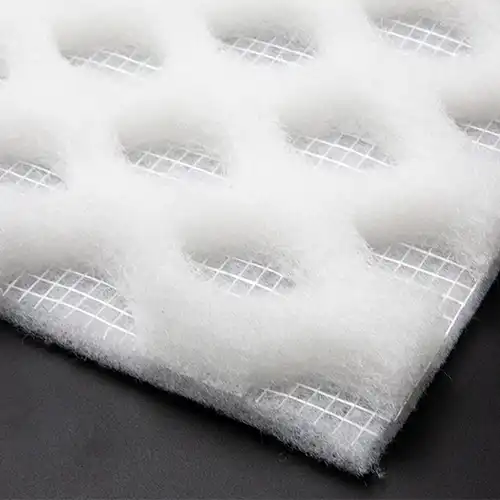
Glass wool filter paper is not just a niche industrial material; it’s an unsung hero in air filtration and industrial safety worldwide. As air quality and environmental sustainability have become global priorities, materials like glass wool filter paper have surged in importance — providing reliable filtration to keep machinery safe, workers healthier, and emissions cleaner.
Whether you’re in manufacturing, HVAC maintenance, pharmaceuticals, or even environmental monitoring, knowing what glass wool filter paper is and why it’s favored can unlock benefits in efficiency, cost savings, and regulatory compliance that you might not expect.
According to reports by the International Organization for Standardization (ISO) and the United Nations Environment Programme (UNEP), air pollution remains one of the leading causes of disease worldwide — linked to over 7 million premature deaths annually. Industrial emissions contribute heavily, so controlling particulates in exhaust and ventilation systems isn’t just a technical challenge; it’s a public health imperative.
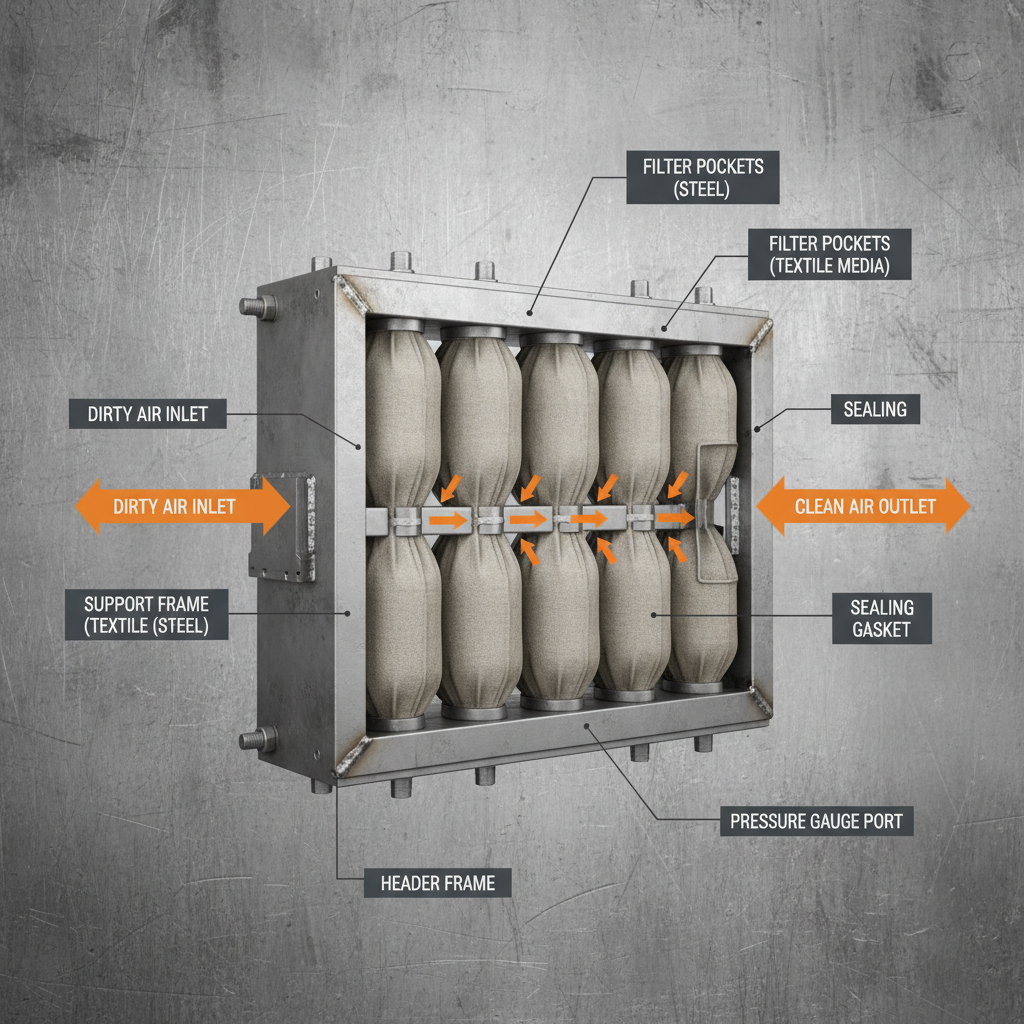
Glass wool filter paper tackles this issue head-on by trapping micro-particles with remarkable efficiency while maintaining airflow — crucial in everything from power plants in Europe to automotive factories in Asia.
Interestingly, the reliability of these filters can directly affect energy consumption, as poorly maintained or inefficient filtering increases system load. So, the stakes are higher than just clean air—they play into global energy use and carbon footprints too.
Mini takeaway: Glass wool filter paper stands at a critical intersection of industry, environmental safety, and human health worldwide.
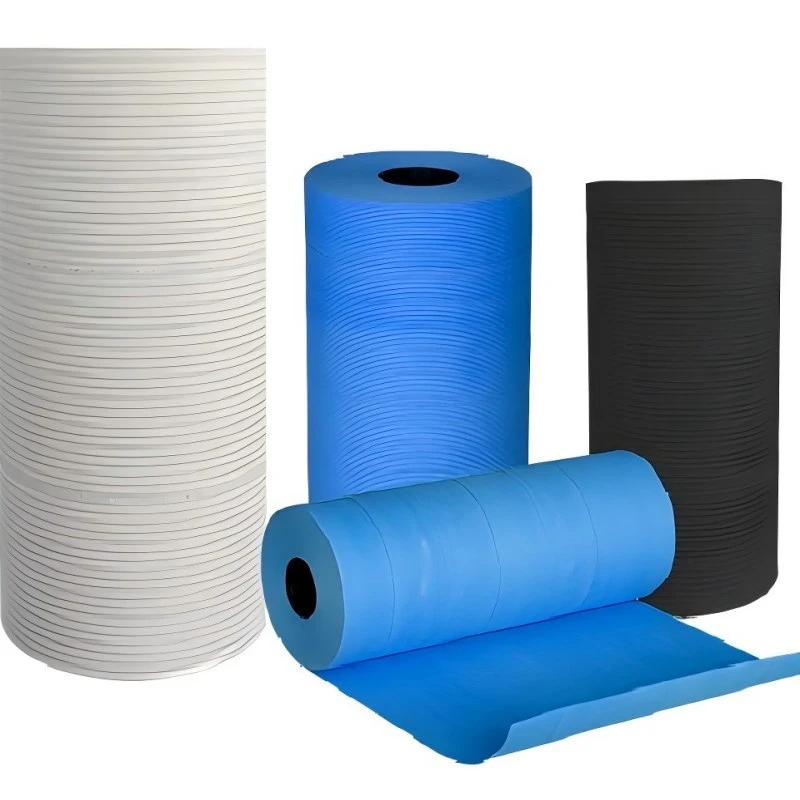
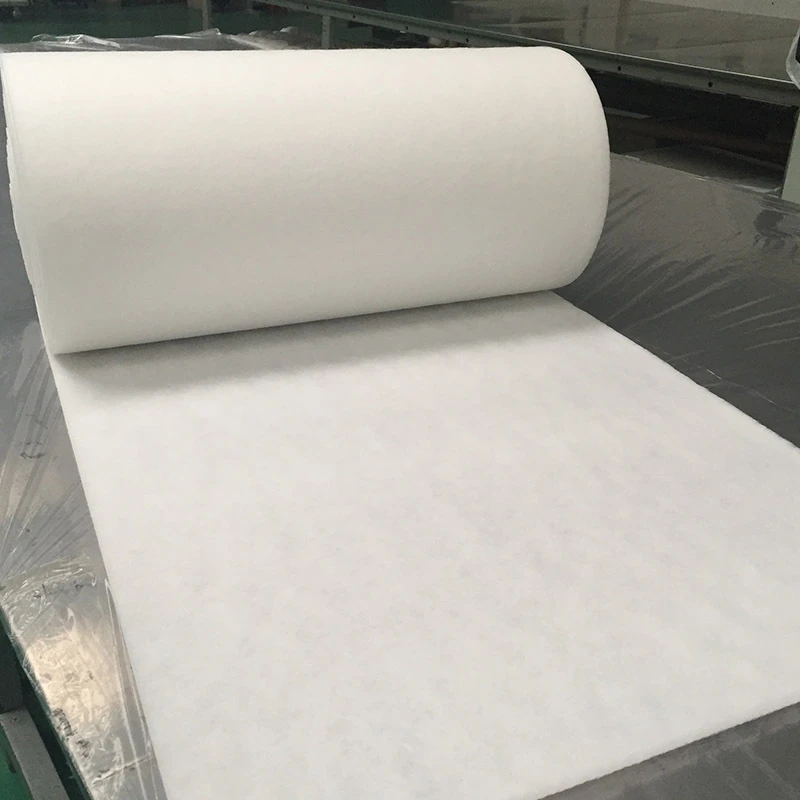
In simple terms, glass wool filter paper is a fibrous filtration medium made by spinning thin strands of glass into an interwoven mat. This mat is then processed into paper-like sheets used primarily for filtering air or liquids. Think of it as a very fine, highly porous glass mesh designed for maximum surface area.
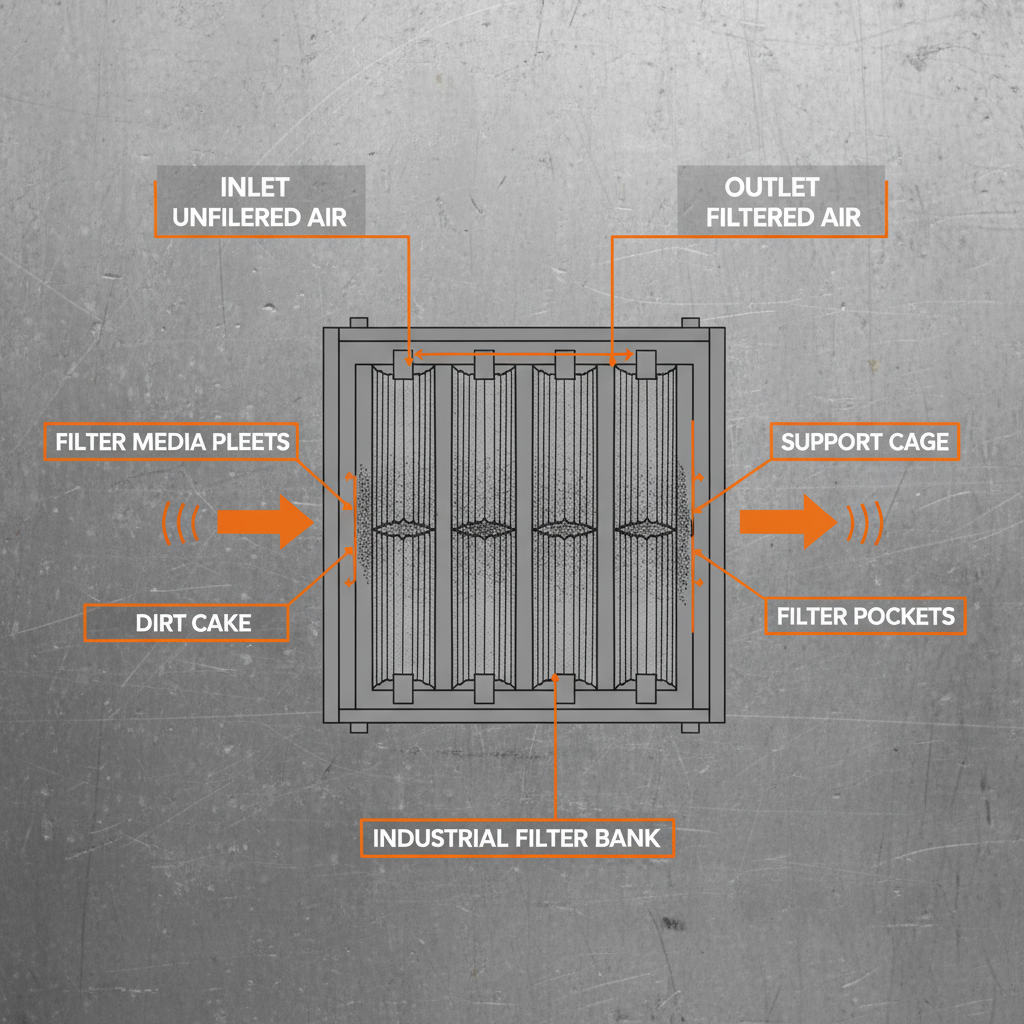
Its structure allows it to trap dust, aerosols, and fine particulates while letting air or fluids pass through — sort of like nature’s sieve but engineered with precision.
This isn’t some old-fashioned filter, either. Today’s versions are often treated to resist moisture, heat, and chemical corrosion, adapting it perfectly to modern industrial demands and even emergency relief scenarios where reliable filtration could literally save lives.
One thing many users appreciate is how durable glass wool filter papers can withstand high temperatures, often up to 280°C or more. That means they’re ideal for harsh environments like foundries or power plants where heat and dust coexist.
With fiber diameters typically in the micrometer scale, these filters catch fine particulates ranging from 0.3 microns upwards, adhering to strict ISO or EN standards. For many engineers, this balance between filtration and flow rate is the sweet spot that makes glass wool filter paper so attractive.
Compared to synthetic alternatives, glass wool offers impressive longevity and better thermal stability, reducing replacement frequency and downtime—a real money-saver in large-scale operations.
Its inert components and recyclability make glass wool a more eco-conscious choice compared to petroleum-based filters. Given industry trends toward green manufacturing, this is increasingly persuasive.
| Parameter | Typical Value | Unit |
|---|---|---|
| Fiber Diameter | 2–5 | Microns |
| Max Operating Temp | 280 | °C |
| Thickness | 1.0–3.0 | mm |
| Filtration Efficiency | > 95 | % |
| Weight | 250–450 | g/m² |
In Europe, it’s a staple in HVAC systems for office buildings, hospitals, and transit hubs. The reliability is key — once installed, changing them frequently isn’t feasible or cost-effective.
Over in Asia’s booming manufacturing centers, glass wool filter paper is often adapted for machines that generate a dusty environment — like textile mills, car part producers, or electronics factories.
Non-governmental organizations (NGOs) also depend on it during disaster relief. In places struck by wildfires or dust storms, deploying tents and mobile filtration units with these filters helps protect vulnerable communities from respiratory hazards.
In real terms, even small factories in remote areas rely on these filters to keep smoke and dust from clogging engines or polluting worker habitats.
Mini takeaway: The versatility of glass wool filter paper makes it a global workhorse across vastly different contexts.
There's also something to be said about trust. When engineers pick glass wool, they know it's been tried and tested — not some fly-by-night novelty. This confidence is crucial when downtime can cost thousands hourly.
| Vendor | Product Range | Typical Lead Time | Eco Cert. | Price Level |
|---|---|---|---|---|
| FilterTech Co. | Standard & Customized Specs | 2 weeks | ISO14001 | Mid-range |
| EcoFilter Solutions | Sustainable Materials Focus | 3 weeks | EcoLabel Certified | Premium |
| PureMat Fibers | Budget & Bulk Orders | 1 week | None | Economy |
Frankly, it feels like glass wool filter paper is poised for an exciting evolution. With sustainability mandates pushing industries toward greener solutions, manufacturers are experimenting with bio-resins and hybrid fiber blends to reduce carbon footprints further without sacrificing performance.
Digital transformation allows better monitoring of filter health via sensors, integrating filter paper into IoT-enabled filtration systems that predict maintenance needs before failures happen.
And oddly enough, some research points to combining nanofiber layers atop glass wool, enhancing particle capture for ultra-cleanroom environments — critical in pharmaceuticals and semiconductor fabs.
One common gripe? Glass wool filter paper can be brittle and difficult to handle without damage, especially in thin gauges. This fragility sometimes raises installation costs or risks.
Manufacturers respond by reinforcing materials with binders or laminates — though this can trade off recyclability, leading to interesting debates on sustainability versus durability.
Another hurdle is moisture sensitivity; if conditions aren’t tightly controlled, filter efficiency drops. Advanced treatments and coatings are underway to tackle this.
Glass wool is made from spun glass fibers, offering excellent heat resistance and inertness. Synthetic filters may be cheaper but often have lower temperature and chemical tolerance.
Yes, most glass wool papers are recyclable, but recycling depends on local facilities and whether binders or coatings are used.
While commonly used for industrial and HVAC filtration, enhanced versions with tighter tolerances are required for sterile environments to meet strict standards.
Thickness depends on filtration needs and airflow rates. Thicker paper traps more dust but may reduce flow, so consulting experts or vendors is recommended.
From improving indoor air standards to helping manufacturers meet global environmental regulations, glass wool filter paper quietly underpins countless systems we rely on daily. Its durability, efficiency, and sustainability make it not just relevant but essential going forward.
If you want reliable, cost-effective filtration material with a proven track record, exploring the options at glass wool filter paper suppliers is a smart next step.
Have a filter challenge? Chances are the right glass wool product is out there — maybe even waiting just one inquiry away.
References: