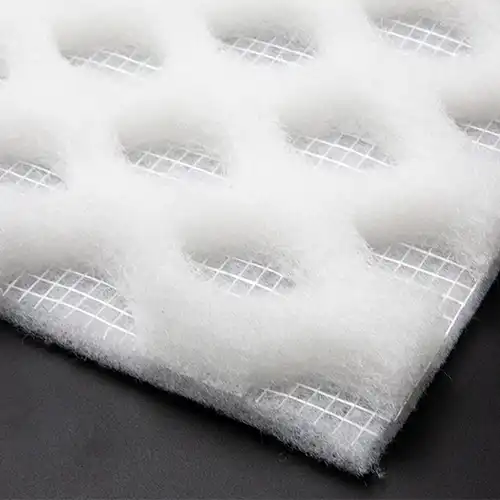
Filter paper for oil filter machines might seem like a niche topic, but it plays a surprisingly pivotal role in many global industries—especially automotive, manufacturing, and heavy machinery sectors. As the world’s reliance on machinery intensifies, the importance of clean oil can’t be overstated. Without high-quality filtering materials, wear and tear accelerate, machinery efficiency plummets, and environmental hazards increase. This article seeks to peel back the layers on what filter paper for oil filter machines really is, why it matters, and how it’s evolving to meet pressing needs worldwide.
Oddly enough, the humble filter media acts as an unsung hero—keeping engines humming smoothly, lowering operational risks, and ultimately contributing to sustainability in industries from transportation to agriculture.
Globally, oil filtration technology is embedded deep inside sectors generating over $10 trillion in annual revenue (World Bank data). With over 1.4 billion vehicles on roads worldwide (UN data), plus countless industrial engines, the use of filter paper specifically designed for oil filter machines is critical. It’s the frontline defense against contaminants like metal particles, dirt, and gels that degrade oil quality. This means better parts longevity, fewer breakdowns, and lower maintenance costs.
However, here lies the challenge: not all filter papers are created equal. Variations in fiber types, pore size, and manufacturing standards can drastically affect performance. Choosing the right filter media is key—especially in developing regions or harsh environments where equipment repair is costly or slow.
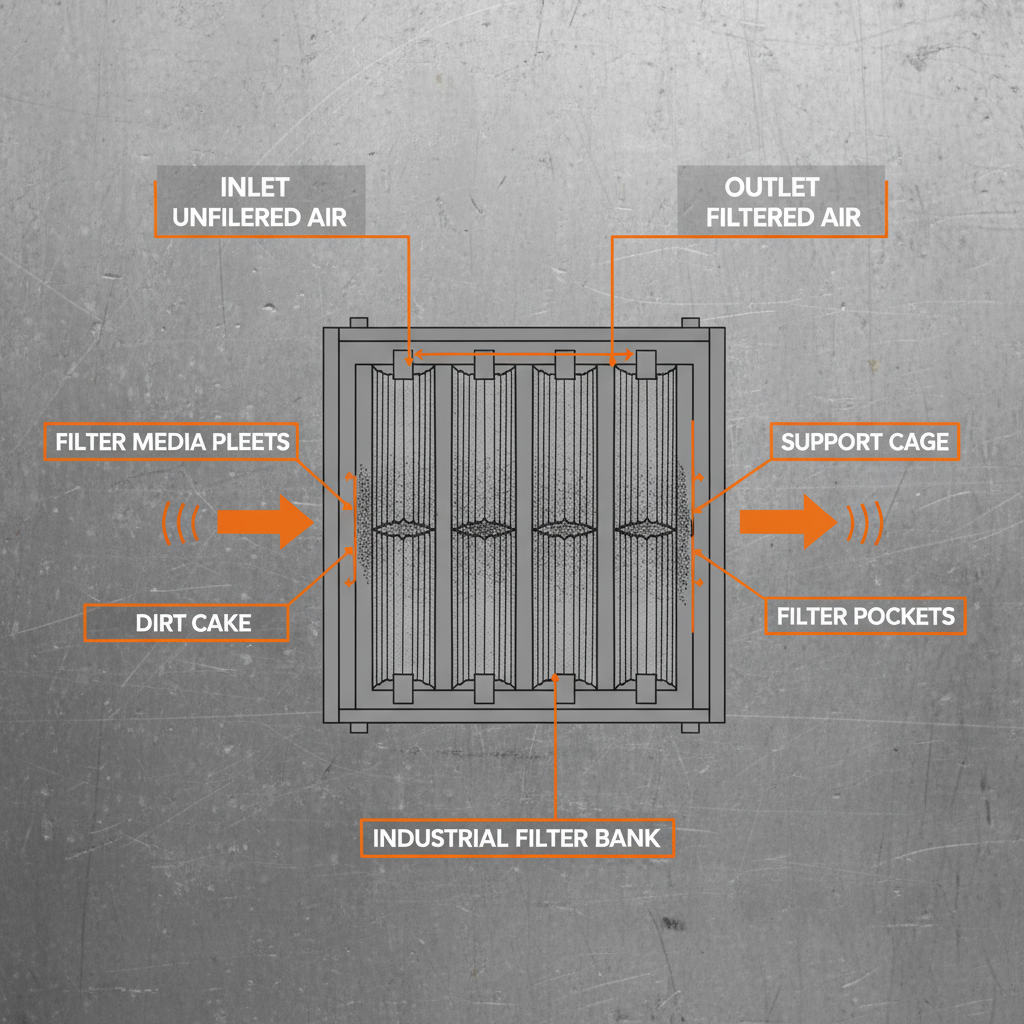
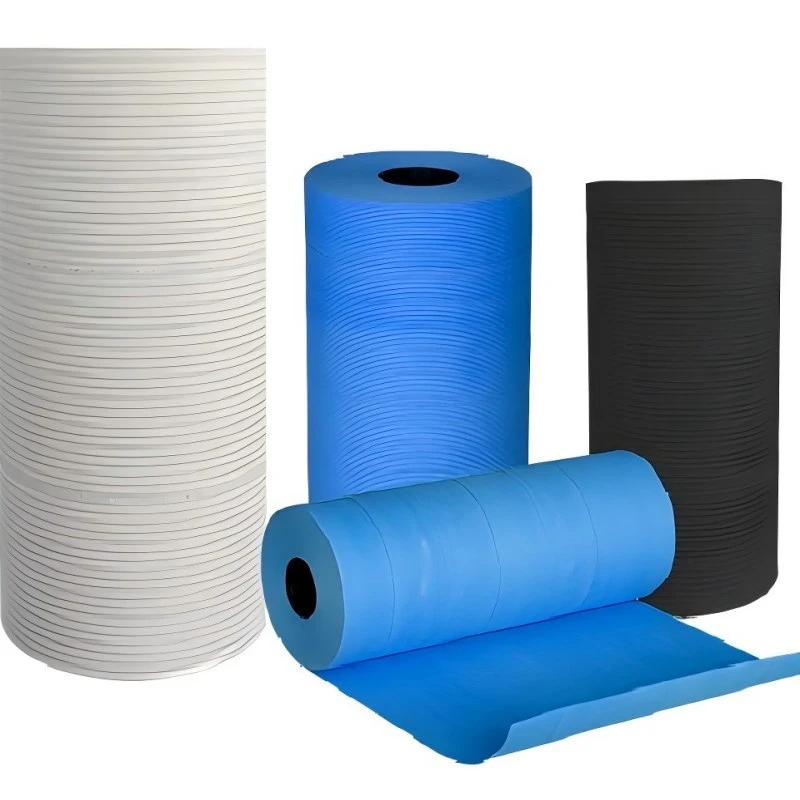
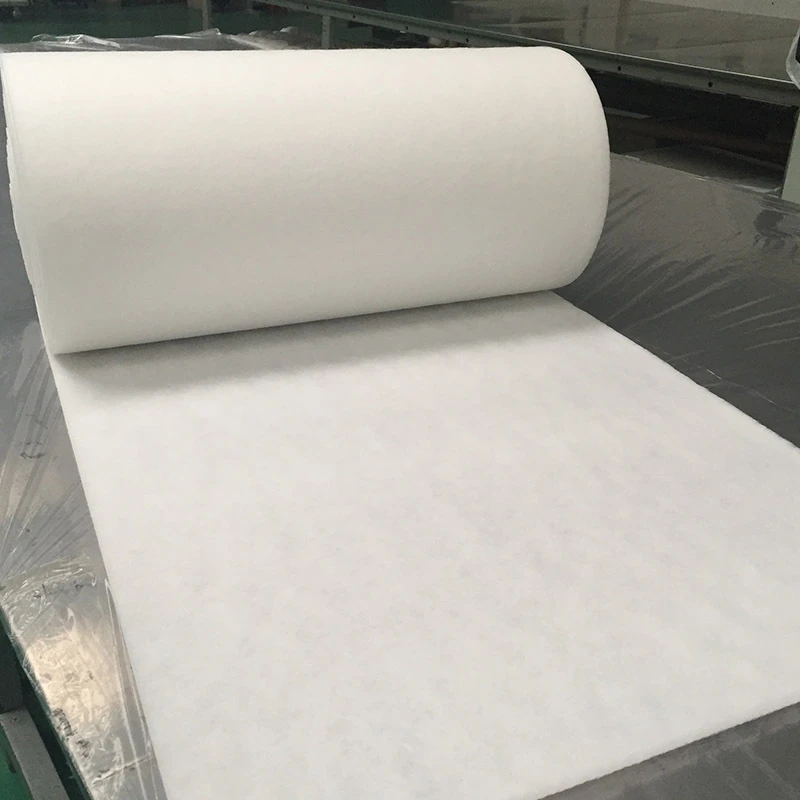
In simple terms, filter paper for oil filter machines is a specialized sheet or roll made from cellulose fibers (or synthetic blends), engineered to capture contaminants suspended in oil circulating through machinery. These materials are designed to balance two primary factors: filtration efficiency—removing as many particulates as possible—and permeability—maintaining adequate oil flow.
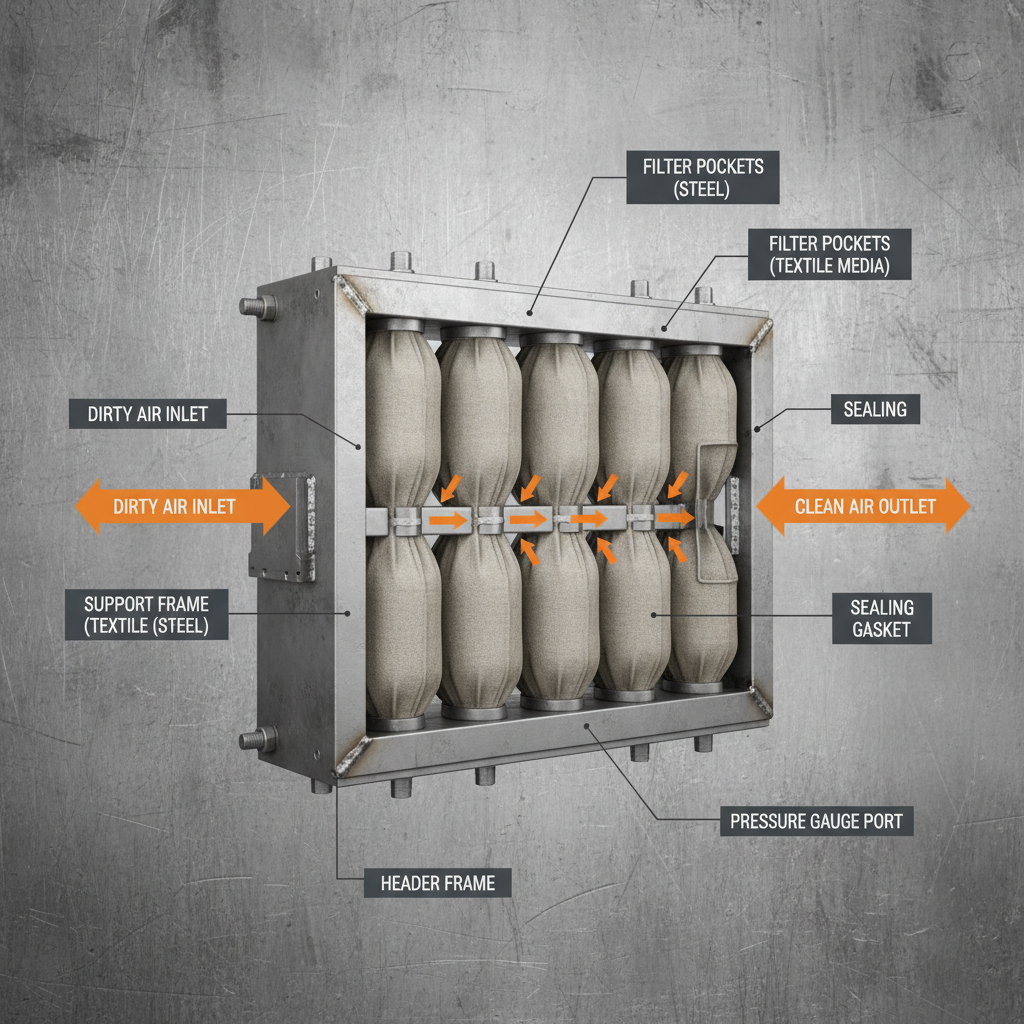
This is more than just a paper product; it’s a precision engineered component critical to modern industry. Whether embedded inside automotive oil filters, hydraulic filters, or heavy equipment filtration units, the paper’s quality directly affects equipment reliability and the longevity of lubricants.
You can think of it as a microscopic sieve designed to get the dirtiest and smallest particles out while letting oil flow freely.
Efficiency rates typically range between 90-99%, depending on the grade and pore size. The ability to trap dirt particles as small as 5 microns is especially critical for engines and hydraulic systems.
Filter papers must withstand pressure differentials and not collapse or tear during operation. Wet strength additives are often incorporated to prevent degradation when soaked in hot, viscous oil.
The material must resist chemical degradation from prolonged contact with base oils and additives. Compatibility testing is essential, especially in synthetic oil environments.
A balance is required: thinner papers improve flow but may sacrifice contaminant capture, while thicker sheets offer better filtration but may reduce oil circulation efficiency.
Given their disposable nature, these papers must be affordable enough to replace regularly without driving maintenance budgets sky-high.
| Specification | Typical Value | Description |
|---|---|---|
| Fiber Material | Cellulose / Synthetic Blends | Ensures strength and filtration characteristics |
| Pore Size | 5 - 20 microns | Controls contaminant capture size |
| Thickness | 0.1 - 0.3 mm | Affects flow rate and strength |
| Wet Strength | High | Maintains integrity in oily environments |
| Oil Compatibility | All mineral & synthetic oils | Critical for durability |
Filter paper for oil filter machines is widely applied across continents, from North American automotive workshops to heavy machinery manufacturing hubs in Asia. Its role in resource extraction equipment (mining, drilling) is crucial, helping maintain hydraulic systems under extreme conditions.
In post-disaster recovery efforts, for instance, reliable oil filtration keeps relief vehicles operational in rugged terrain. In remote industrial zones, where downtime can cost thousands daily, effective filter media minimizes machine failures.
Also, various international organizations stress the environmental importance of such filtration materials, as they prevent harmful oil contaminants from polluting soil and waterways, in line with ISO environmental standards.
| Vendor | Filtration Efficiency | Wet Strength | Price Range (per sqm) | Lead Time |
|---|---|---|---|---|
| CleanFlow Filters | 98% | High | $12 - $15 | 2 Weeks |
| PureOil Media | 95% | Medium | $10 - $13 | 1 Week |
| EcoFilter Solutions | 96% | High | $13 - $16 | 3 Weeks |
Frankly, good filter paper acts like insurance. When you think about what’s at stake—hardware replacement, huge repair bills, environmental damage—it’s a small but mighty investment with big payoff.
Manufacturers are increasingly exploring biodegradable fibers and nanotechnology-enhanced materials that improve filtration without compromising flow. Digital sensors embedded into oil filter systems promise real-time monitoring of filter health and contaminant loads, fitting nicely into Industry 4.0 automation trends.
Meanwhile, sustainability drives innovation—there’s pressure to reduce waste by developing reusable or recyclable filter media. The push for greener lubricants also demands more chemically resilient filter papers.
Despite advances, challenges persist: some filters clog quickly due to lack of uniformity in pore size or poor fiber adhesion. Additionally, regional manufacturers may struggle to maintain consistent quality, especially in developing economies.
Solutions include tighter quality controls, investing in advanced production equipment, and better end-user education to select the right filter paper grade for specific oil and machine types. Collaboration between OEMs and filter paper producers further enhances product fitment and longevity.
To sum it up, filter paper for oil filter machines remains an unsung but vital element in machinery upkeep, environmental stewardship, and operational cost control. Its continual evolution in materials and technology is a response to increasing demands for efficiency and sustainability worldwide. If you want to delve deeper or source high-quality filter papers tailored to your needs, don’t hesitate to visit our website: filter paper for oil filter machine.
Mini takeaway: The small, unseen filter paper silently extends machine life and protects our environment — definitely worth paying attention to.