HVAC Filter Material in Modern Infrastructure
In the contemporary landscape of urban development and industrial expansion, the quality of indoor air has shifted from a luxury to a fundamental necessity. As we spend approximately 90% of our lives indoors, the systems that manage the air we breathe—Heating, Ventilation, and Air Conditioning (HVAC)—have become the silent guardians of public health and operational efficiency. At the heart of these complex systems lies the hvac filter material, a specialized layer of engineering designed to capture everything from coarse dust to microscopic pathogens.
The demand for high-performance filtration is driven by more than just comfort. In commercial hubs like shopping malls and airports, it is about public safety and the prevention of "Sick Building Syndrome." In industrial settings, it is about protecting sensitive machinery and ensuring product purity. To meet these diverse needs, the industry relies on a sophisticated hierarchy of filtration, ranging from simple pre-filtration to the absolute precision of HEPA standards.
Engineering Excellence: The Versatility of HVAC Filter Material
The foundation of any effective ventilation system begins with the quality of the hvac filter material. This is not a "one size fits all" commodity; rather, it is a highly engineered substrate designed to balance two competing forces: filtration efficiency and pressure drop.
The Science of Media Selection
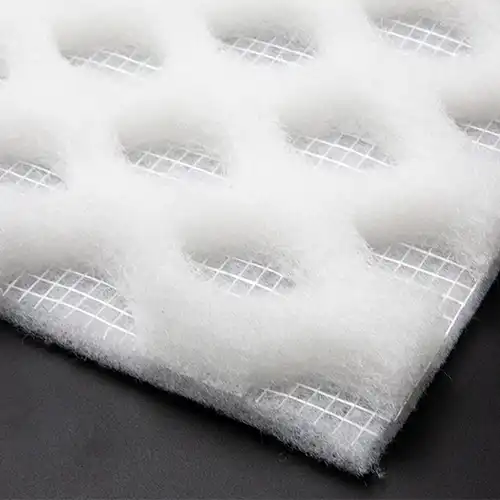
The choice of material—whether synthetic fibers, fiberglass, or multi-layered composites—determines how well a system can perform. High-quality filter materials are designed to utilize several physical mechanisms to trap particles:
Interception: Where particles follow a line of flow and come within one particle radius of a fiber.
Inertial Impaction: Where larger particles, unable to adjust to the quick changes in airflow direction around a fiber, strike the fiber directly.
Diffusion: Where the smallest particles (often less than 0.1 microns) move erratically and eventually collide with a fiber.
In large-scale commercial applications such as hotels and office buildings, the hvac filter material must be durable enough to withstand high humidity and varying air velocities without shedding fibers or collapsing. By selecting the right material grade, facility managers can ensure that their systems provide a "clean and stable airflow," reducing the frequency of maintenance and protecting the downstream components of the HVAC unit.
Scalability and Customization: The HVAC Filter Media Roll
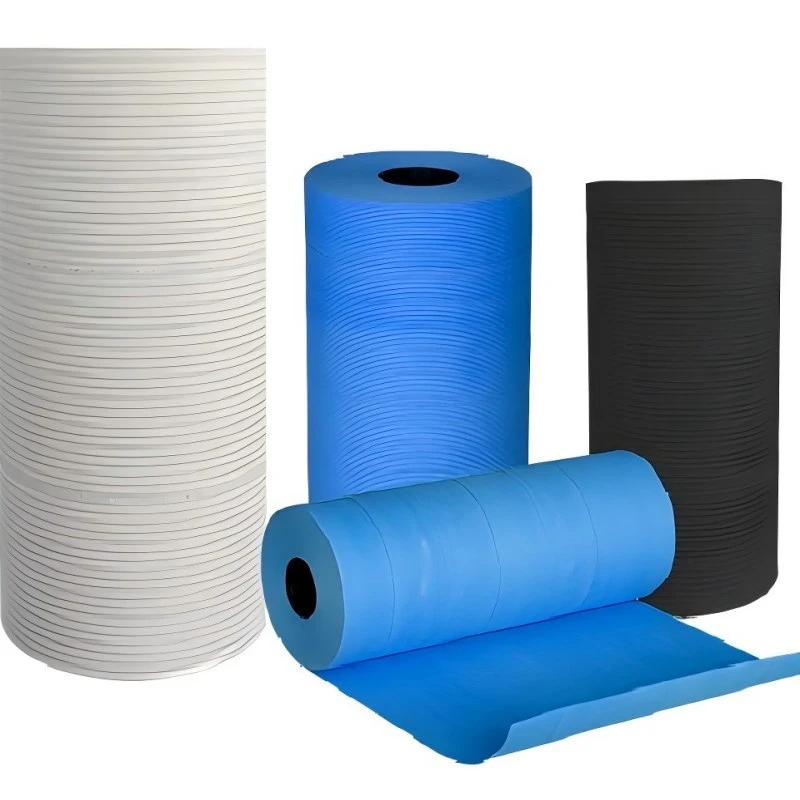
For large-scale industrial operations and filter manufacturers, efficiency isn't just about particle capture; it’s about logistics and adaptability. This is where the hvac filter media roll becomes indispensable.
Why Rolls are the Industry Standard
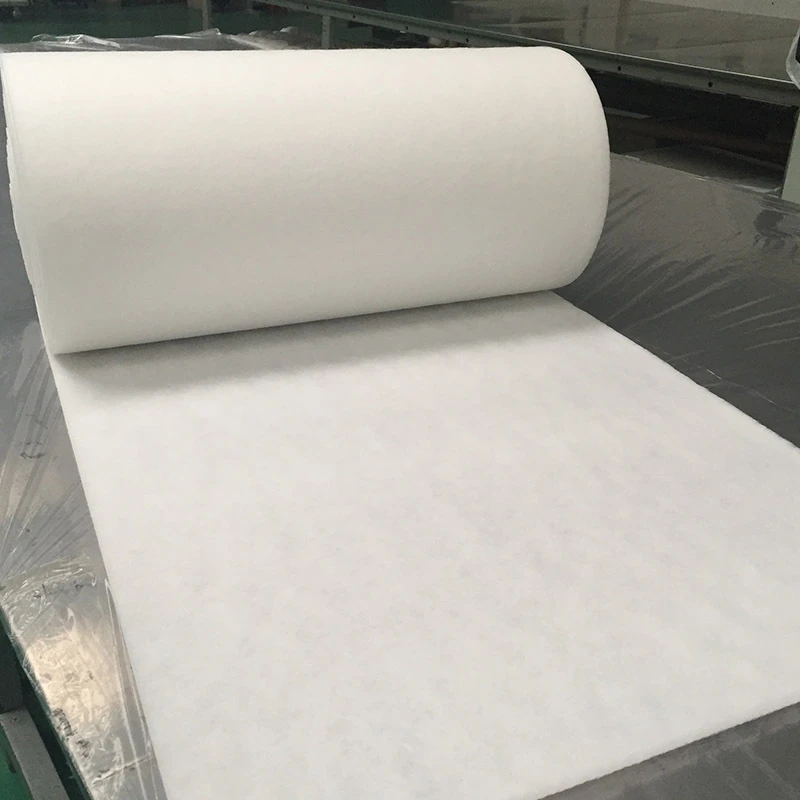
Buying filtration media in bulk rolls allows for maximum flexibility. Whether a facility needs to custom-cut pads for unique ventilation grilles or manufacture standard-sized pleated filters, the hvac filter media roll provides the raw material needed to scale operations.
Applications in High-Traffic Zones
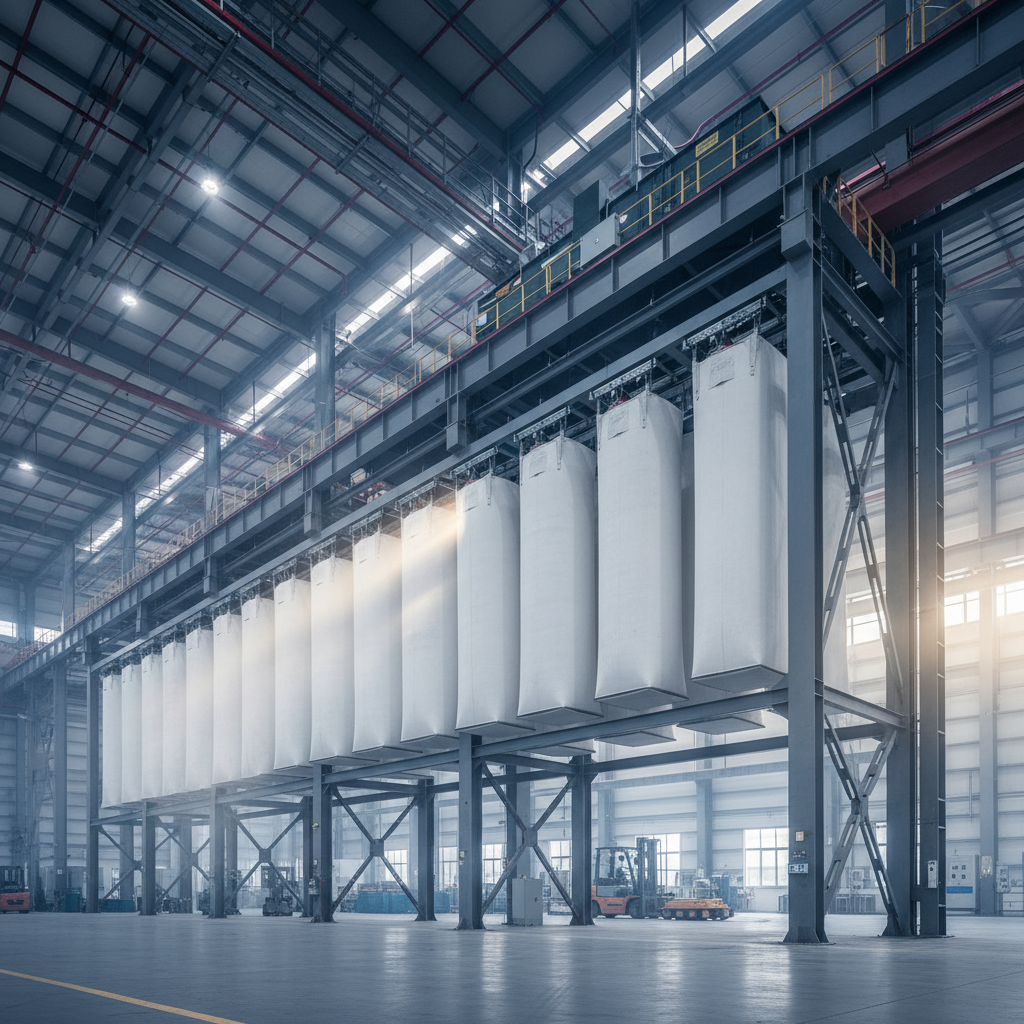
In environments like airports and mega-malls, the sheer volume of air being processed is staggering. These facilities often use automatic roll filters or custom-sized frames that require constant replenishment. Having a steady supply of hvac filter media roll ensures that:
Waste is Minimized: Technicians can cut exactly what is needed for specific dimensions.
Consistency is Maintained: Using the same roll stock ensures that the pressure drop remains predictable across the entire building.
Cost-Effectiveness: Bulk purchasing of media rolls significantly lowers the "cost per square foot" of filtration compared to buying pre-framed individual units.
High-Performance Solutions: Specialized HVAC Filtration Media
When we move beyond general ventilation and into specialized environments—such as laboratories, hospitals, or high-tech manufacturing—the requirements for hvac filtration media become significantly more stringent.
Navigating EN779 and ISO 16890 Standards
The industry traditionally categorized hvac filtration media under the EN779 standard (classifying filters as G1-G4, M5-M6, and F7-F9). While the industry is transitioning to ISO 16890, the core mission remains the same: identifying the media's ability to capture particulate matter (PM1, PM2.5, and PM10).
Pre-filters (G-class): These are the "front-line" defenders, catching large debris and extending the life of more expensive secondary filters.
Medium-Efficiency (M & F class): Often used in office buildings and hotels to capture fine dust and pollen.
HEPA Filters: The gold standard, capable of removing 99.97% of particles as small as 0.3 microns.
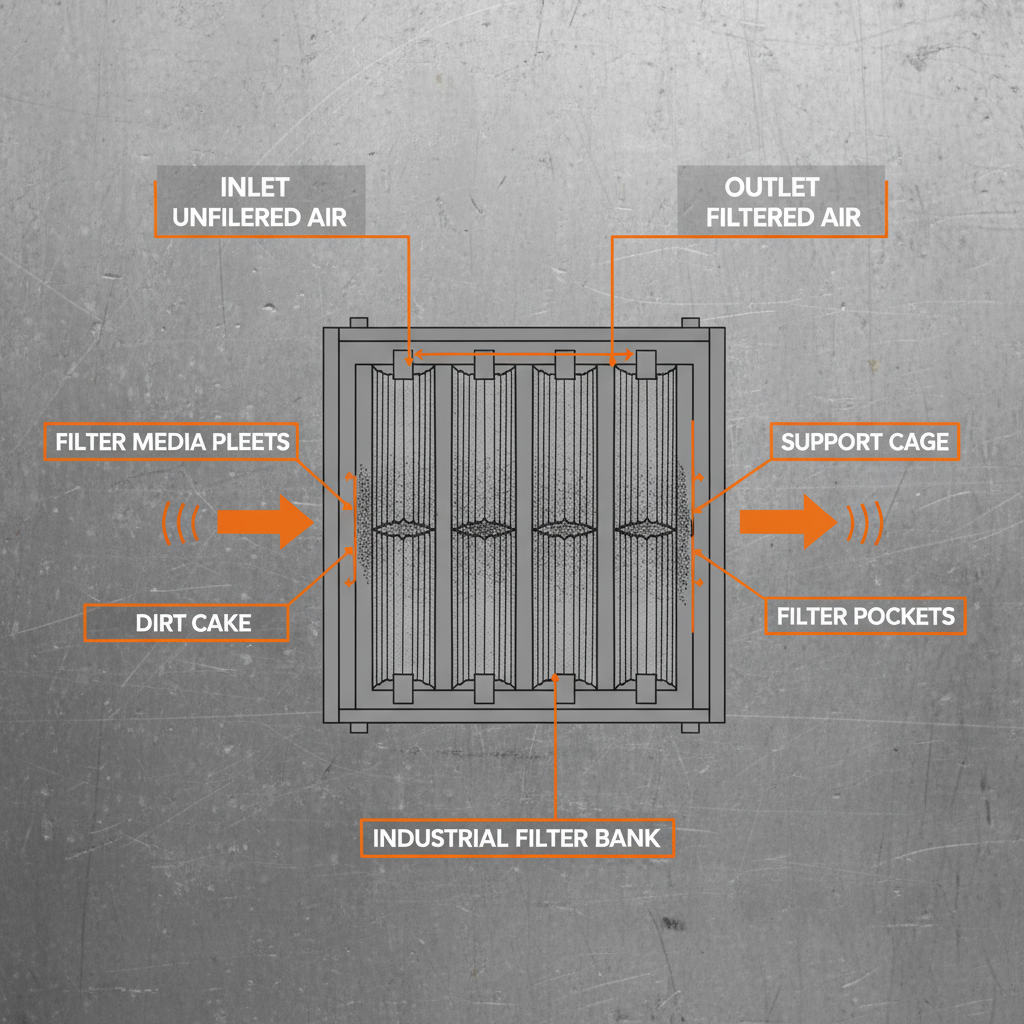
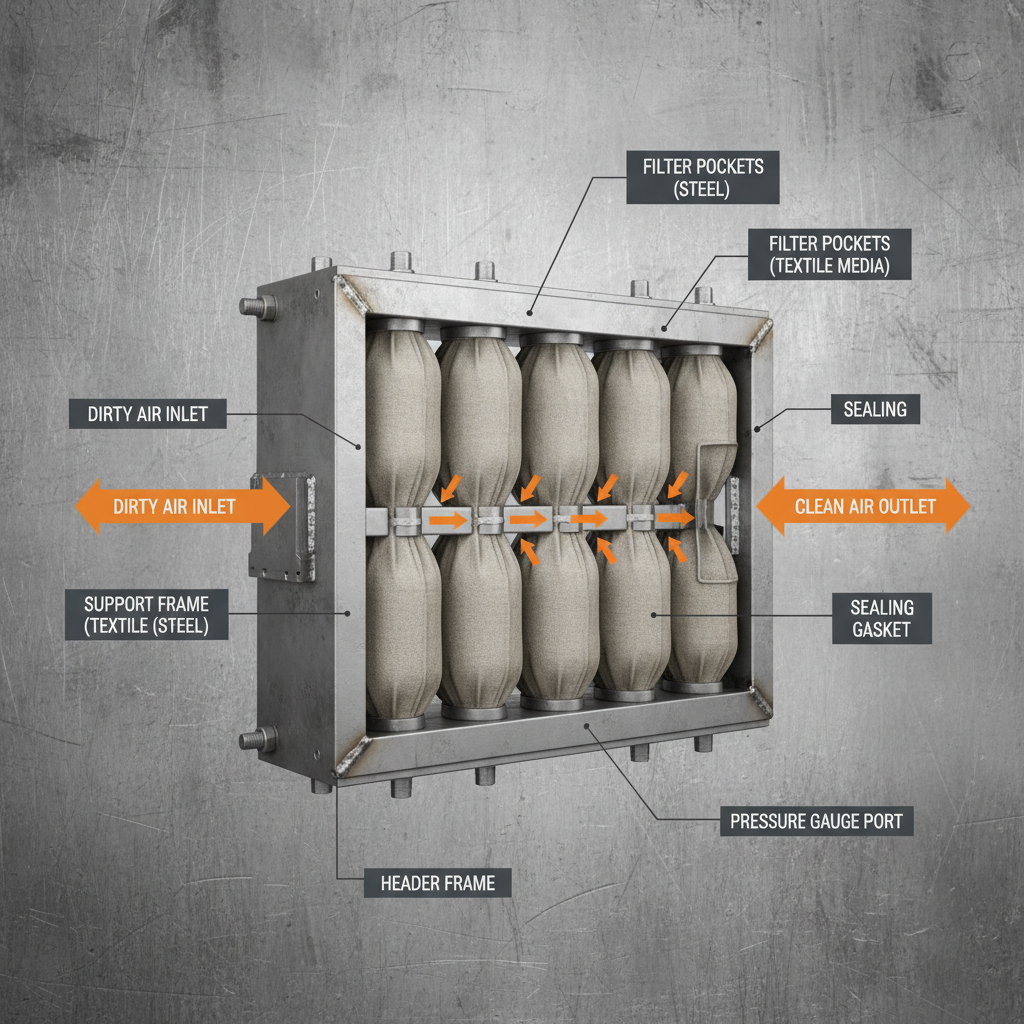
The application of advanced hvac filtration media in bag filters is particularly noteworthy. Bag filters (or pocket filters) utilize a large surface area to manage high dust loads without significantly obstructing airflow. This is crucial for industrial ventilation where maintaining a "stable airflow" is a prerequisite for the safety of the workforce and the integrity of the manufacturing process.
Total System Integration: The Future of HVAC Filter Media
As we look toward the future, the role of hvac filter media is evolving to incorporate smart technology and sustainable practices. The "Green Building" movement (LEED certification) places a heavy emphasis on energy efficiency, and the filter media plays a direct role in this.
Energy Efficiency and Pressure Drop
The more "clogged" or restrictive a filter is, the harder the fans must work to move air. High-tech hvac filter media is now being developed with "gradient density" structures. This means the media is more open on the air-intake side and becomes progressively denser toward the air-exit side. This design allows particles to be trapped throughout the entire depth of the media rather than just on the surface, significantly extending the filter's life and reducing energy consumption.
Sustainability in Commercial Spaces
Airports and large malls are increasingly looking for recyclable or biodegradable hvac filter media options. By reducing the carbon footprint of the filtration cycle—from the production of the hvac filter media roll to its eventual disposal—corporations can meet their ESG (Environmental, Social, and Governance) goals while still providing pristine air quality for their patrons.
HVAC Filter Media: Ensuring Clean and Stable Airflow
From the initial pre-filtration stage to the high-stakes environment of a HEPA-filtered cleanroom, the quality of your hvac filter material is the determining factor in system success. By understanding the nuances of hvac filtration media and leveraging the logistical advantages of the hvac filter media roll, facilities can achieve a perfect balance of air purity, energy efficiency, and cost management.
In an era where "breathable air" is no longer taken for granted, investing in superior filtration substrates is an investment in the longevity of your building and the health of everyone inside it.