Auto Filter Paper in Modern Mobility
In the modern era of transportation, the vehicle cabin has evolved into a "third living space." Whether it is a daily commute in a passenger car, a long-haul journey in a commercial truck, or a high-speed transit via rail, the quality of the air within that enclosed environment is paramount. As urbanization increases and traffic congestion leads to higher concentrations of pollutants on roadways, the reliance on high-performance auto filter paper has never been more critical. The automotive industry is no longer just moving people from point A to point B; it is tasked with protecting them from an increasingly invisible array of environmental threats.
The engineering behind these systems involves a complex interplay of physics and chemistry. To achieve a "clean and stable airflow" within a moving vehicle, manufacturers must utilize materials that can withstand rapid changes in temperature, humidity, and external pressure. This is where the expertise of leading automotive filter paper manufacturers becomes the backbone of the industry, providing the specialized substrates necessary to maintain passenger health and comfort across all modes of transportation.
Engineering Excellence: The Functionality of Auto Filter Paper
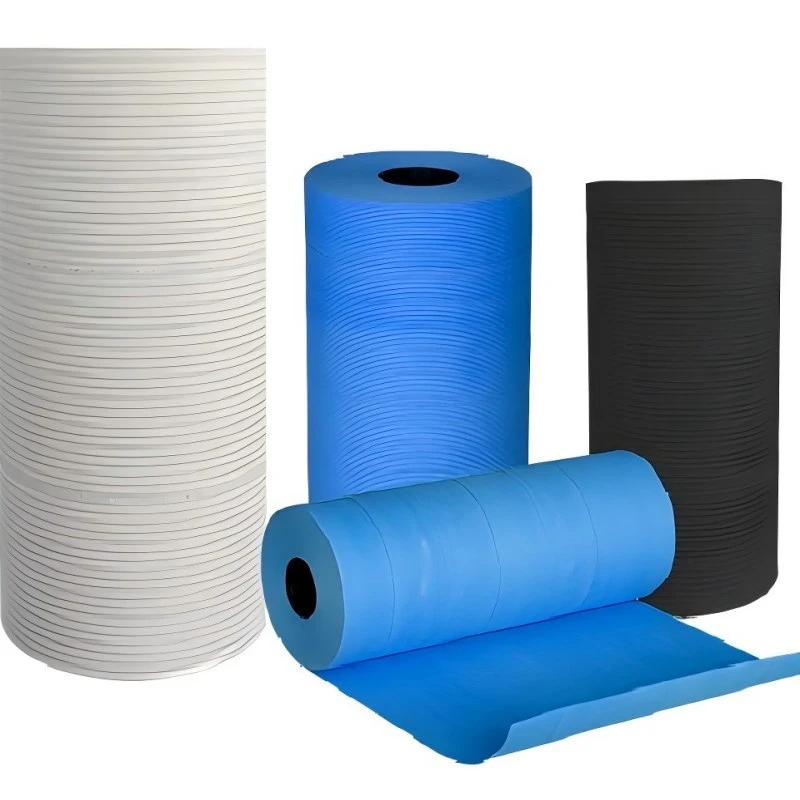
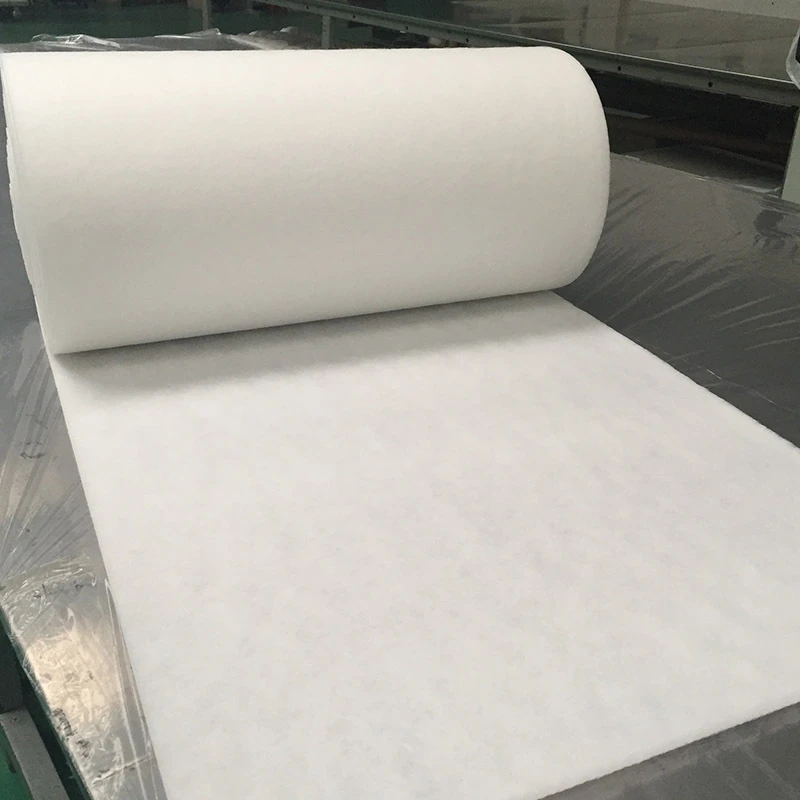
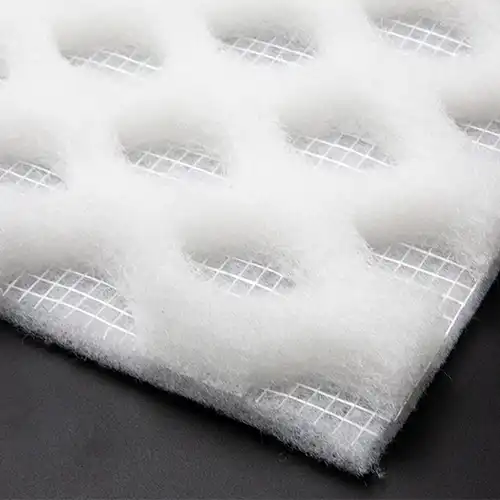
The primary defense mechanism in any vehicle’s climate control system is the cabin air filter, and the core of this component is the auto filter paper. Unlike standard industrial paper, this material is a highly sophisticated composite, often involving multi-layered synthetic fibers or cellulose treated with specialized resins. The goal is to create a labyrinthine structure that allows air molecules to pass through with minimal resistance while capturing particulate matter ranging from large dust grains to microscopic soot.
In the context of passenger vehicles, the auto filter paper must perform several roles simultaneously. It acts as a physical barrier against pollen and road debris, but when laminated with activated carbon, it transitions into a chemical shield. This lamination allows the filter to adsorb harmful gases such as nitrogen oxides, sulfur dioxide, and various Volatile Organic Compounds (VOCs) that are prevalent in heavy traffic. By utilizing advanced auto filter paper, manufacturers can ensure that the air inside the cabin remains significantly cleaner than the air outside, even in the middle of a smog-heavy metropolitan area.
The durability of this material is equally important. Vehicles are subjected to extreme environmental swings—from the freezing temperatures of winter to the scorching heat of a car parked in the sun. High-quality auto filter paper is engineered to resist moisture and mold growth, ensuring that the filter does not become a source of contamination itself. This stability is what allows for the "stable airflow" required to keep defrosting and cooling systems functioning at peak efficiency.
Global Standards and the Role of Automotive Filter Paper Manufacturers
The production of these high-stakes materials is a specialized field dominated by automotive filter paper manufacturers who adhere to rigorous international standards. These manufacturers are the innovators behind the "laminated filter materials" used in heavy-duty commercial vehicles and rail transportation. In these larger-scale applications, the volume of air to be treated is immense, and the stakes for passenger comfort and safety are even higher.
For instance, in rail transportation, a single filtration system must serve dozens of passengers in a confined space for extended periods. Automotive filter paper manufacturers develop high-capacity media that can handle high face velocities without a significant pressure drop. If the filter paper is too restrictive, the HVAC system consumes excessive energy; if it is too porous, it fails to protect the passengers. Finding the "sweet spot" requires a deep understanding of fiber diameter, pore size distribution, and mechanical strength.
Furthermore, these manufacturers are increasingly focused on sustainability. The shift toward electric vehicles (EVs) has changed the requirements for filtration. Without a noisy internal combustion engine, the "quietness" of the cabin becomes a selling point, meaning the air filtration system must operate with minimal acoustic disruption. Modern auto filter paper is now designed not just for purity, but for its acoustic properties, ensuring that the movement of air through the media does not create unwanted whistling or humming.
Beyond the Cabin: The Criticality of Automotive Spray Booth Filters
While passenger comfort is a primary focus, the automotive industry also relies heavily on filtration during the manufacturing and maintenance phases. This is particularly evident in the finishing stages of vehicle production, where automotive spray booth filters are essential for achieving a flawless exterior. The relationship between the air quality inside the vehicle and the air quality during its creation is intrinsically linked by the science of filtration.
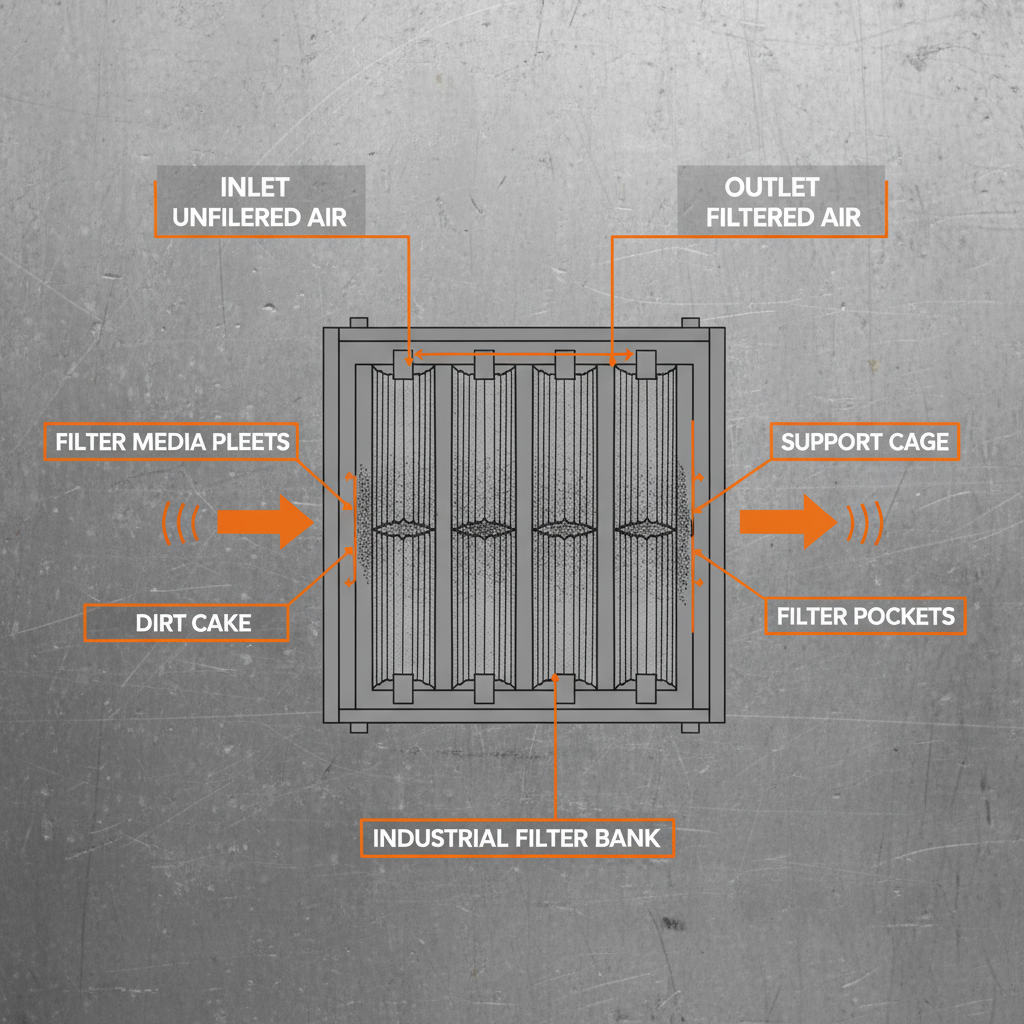
In a professional paint environment, even a single microscopic dust particle can ruin a high-end finish, leading to costly reworks and wasted material. Automotive spray booth filters are designed to capture "overspray"—the excess paint mist that does not adhere to the vehicle—while simultaneously ensuring that the air entering the booth is perfectly pristine. These filters often use a multi-stage approach:
Intake Filtration: Using high-loft media to ensure the air entering the booth is free of ambient dust.
Exhaust Filtration: Using specialized automotive spray booth filters to trap paint particulates before the air is vented back into the atmosphere or recirculated.
The technology used in automotive spray booth filters shares many characteristics with cabin filtration. Both require a deep understanding of airflow dynamics and particle retention. In high-volume production facilities, these filters must maintain a constant "stable airflow" to ensure that the paint dries evenly and that hazardous fumes are efficiently removed from the technician's breathing zone. Whether it is a local repair shop or a massive assembly plant, the integrity of the paint job is only as good as the filtration system protecting it.