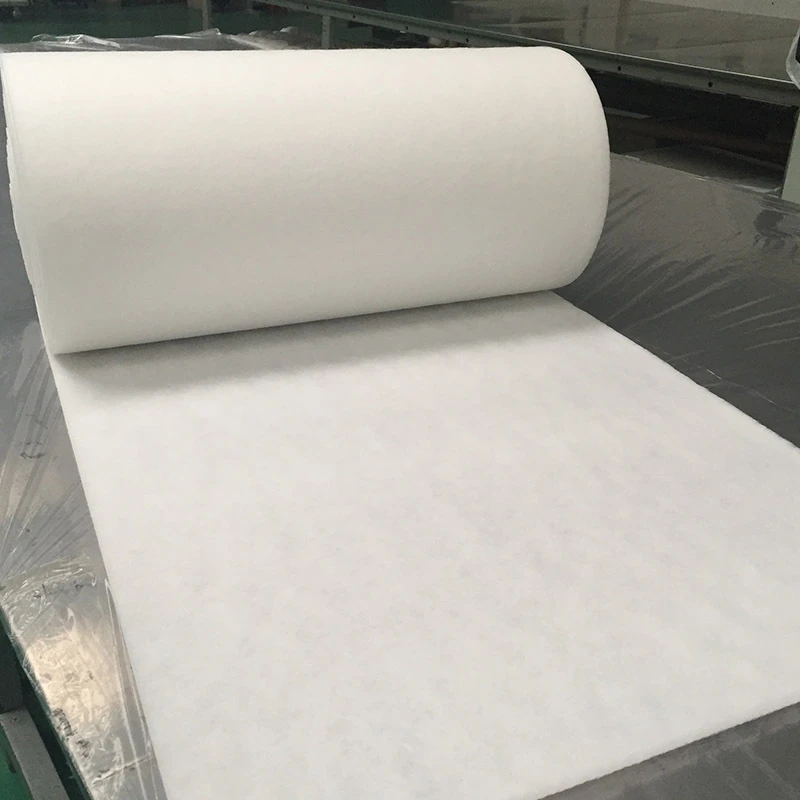
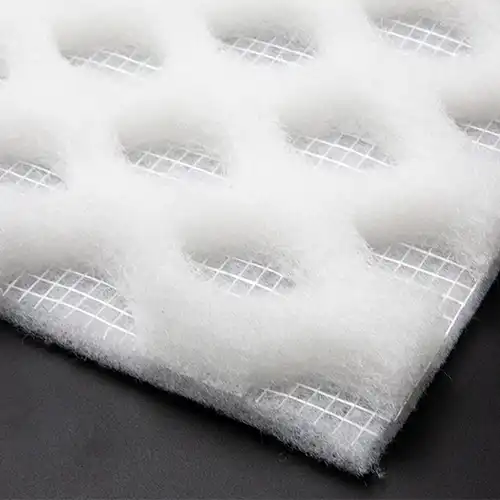
In a world increasingly focused on air and liquid purification, non woven synthetic filter media plays a critical role. This versatile material is found in countless applications, from HVAC systems and automotive cabins to industrial processes and cleanroom environments. This article delves into the properties, benefits, applications, and advancements surrounding this essential component, highlighting why choosing the right filter media is vital for optimal performance and efficiency. We'll explore its diverse applications and key features, providing insights for engineers, purchasers, and anyone seeking a deeper understanding of this crucial technology.
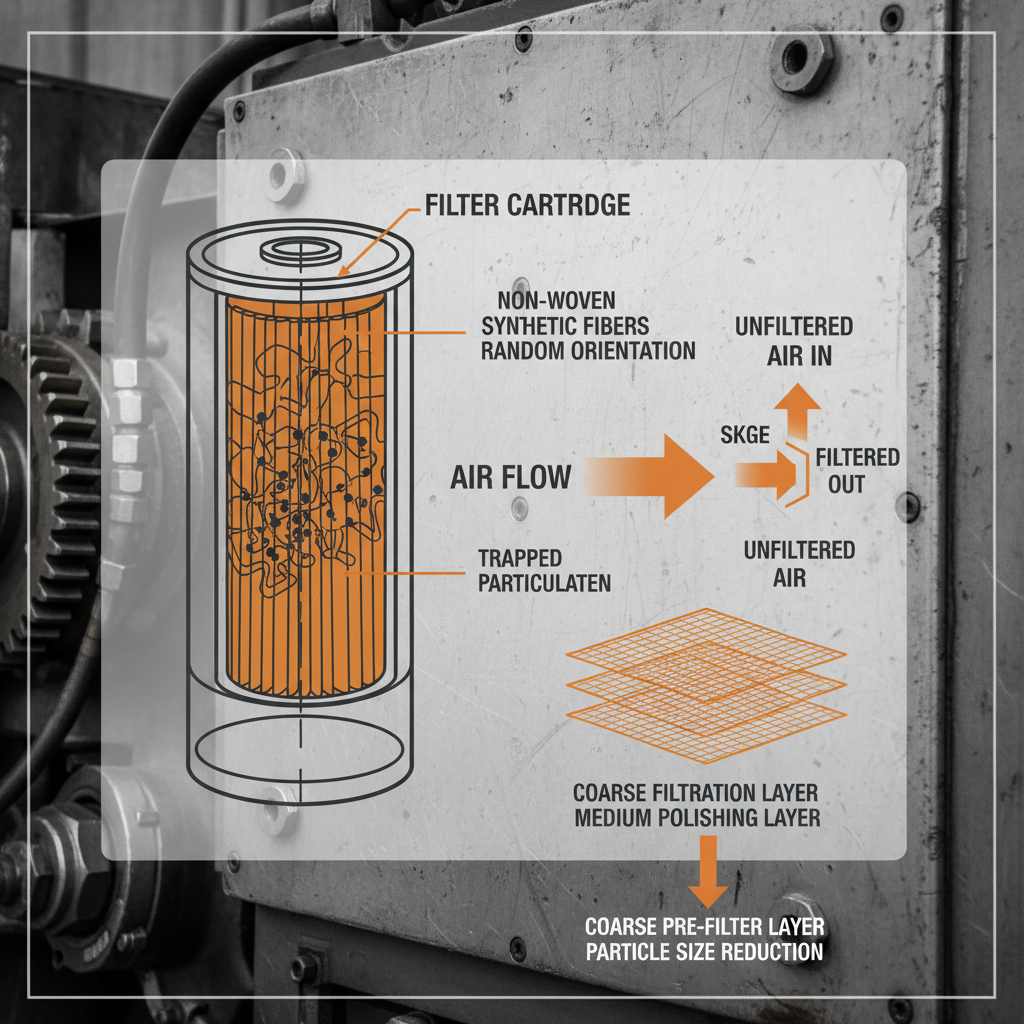
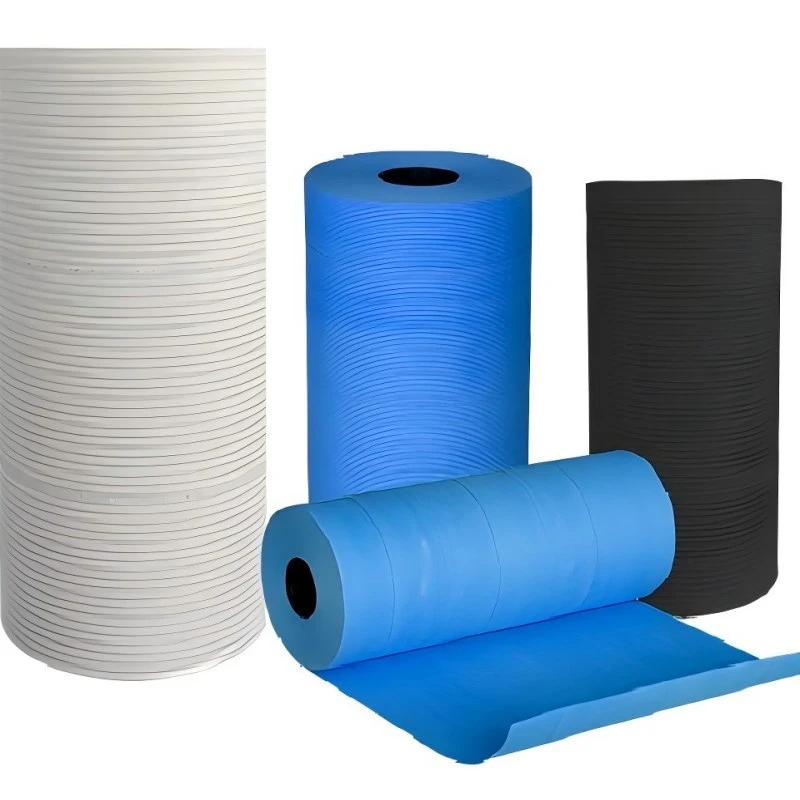
Non woven synthetic filter media is a fabric-like material created by bonding fibers together through mechanical, chemical, or thermal processes, rather than weaving or knitting. Unlike traditional woven fabrics, nonwovens offer a unique combination of properties making them highly effective as filtration materials. The fibers used are typically synthetic polymers such as polypropylene, polyester, or polyamide, selected for their resistance to chemicals, temperature stability, and ability to be engineered with specific pore sizes. This allows for precise control over the filtration process. The inherent structure of nonwovens provides a large surface area, crucial for capturing particulate matter efficiently. You can explore our diverse range of synthetic filter media options at Filtersmaterials.com.
Key Highlights: Manufactured from various synthetic polymers, offering customized pore sizes, and a large surface area for efficient particulate capture. Available in various weights and thicknesses to suit different applications.
Compared to traditional filter materials, non woven synthetic filters offer several compelling advantages. They exhibit excellent efficiency in capturing a wide range of particle sizes, from dust and pollen to bacteria and viruses. Their isotropic properties (consistent performance in all directions) ensure uniform filtration. Furthermore, their low pressure drop minimizes energy consumption in systems like HVAC. Nonwovens are also lightweight, cost-effective, and can be easily customized to meet specific application requirements. The ability to create gradients in fiber density further enhances performance, increasing dirt-holding capacity and extending filter life.
Advantages at a Glance:
• High Filtration Efficiency
• Low Pressure Drop
• Lightweight & Cost-Effective
• Customizable & Versatile
The versatility of non woven synthetic filter media makes it suitable for a remarkably diverse range of applications. In the HVAC industry, it's used for pre-filters, fine filters, and bag filters, removing dust, pollen, and other airborne contaminants. Automotive cabin air filters rely on nonwovens to provide clean air for vehicle occupants. Industrial applications include dust collection, liquid filtration, and process separation. Furthermore, it’s critical in cleanroom environments, medical applications, and even in respirators to protect against harmful particles. Each application requires a specific type of nonwoven media, tailored to the target contaminants and operating conditions.
Several factors influence the performance of non woven synthetic filter media. Fiber diameter is critical; smaller fibers generally lead to higher efficiency. The pore size distribution, determined by the fiber arrangement and bonding process, dictates the ability to capture particles of specific sizes. The media's basis weight (grams per square meter) impacts its dirt-holding capacity and overall robustness. The type of polymer used influences its resistance to chemicals, temperature, and humidity. Proper media selection requires careful consideration of these factors, tailored to the specific demands of the application. Our team at Filtersmaterials.com can assist you in selecting the optimal media for your needs.
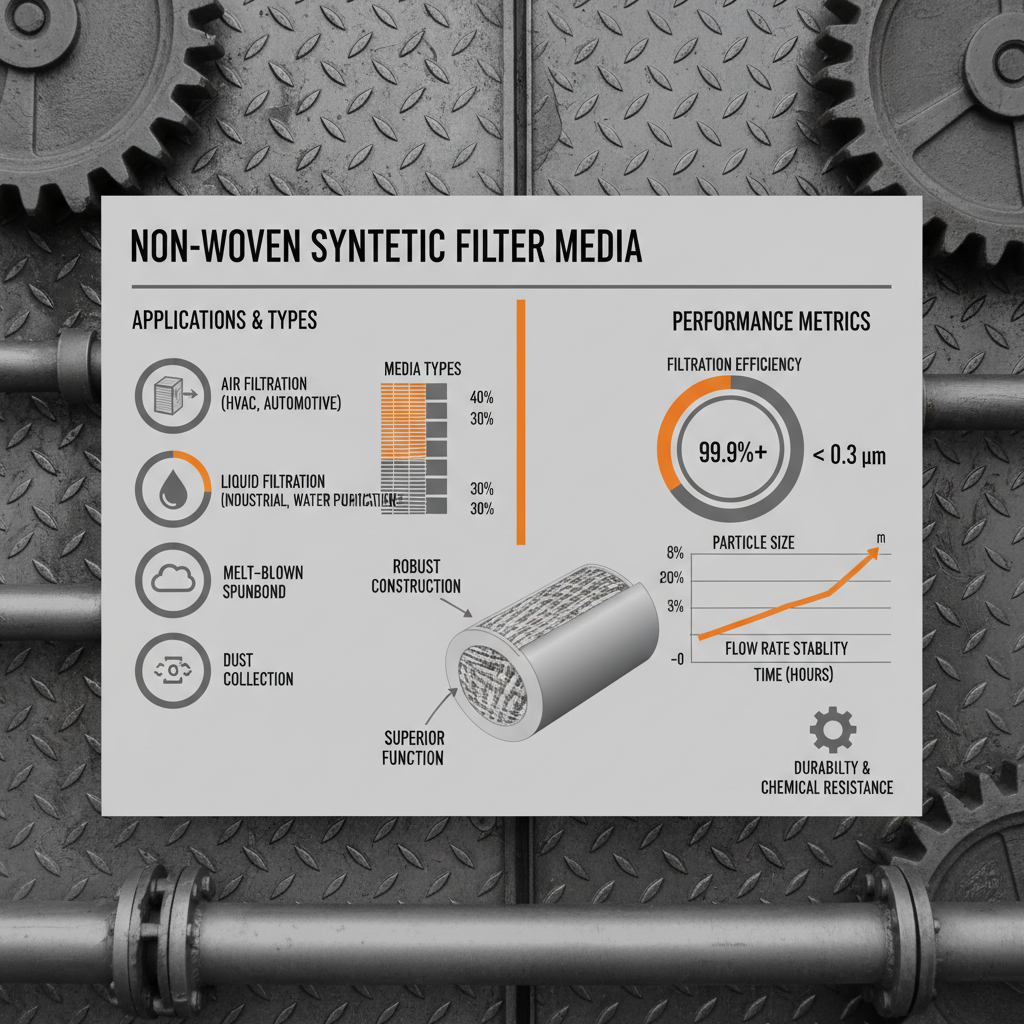
The field of non woven synthetic filter media is continuously evolving. Current research focuses on developing media with enhanced filtration efficiency, improved dirt-holding capacity, and reduced pressure drop. Nanofiber technology is gaining prominence, enabling the creation of filters with extremely fine pore sizes, capable of capturing even the smallest particles. The use of sustainable and biodegradable polymers is also a growing trend, addressing environmental concerns. Smart filters, equipped with sensors to monitor filter performance and predict replacement needs, are also emerging as a potential innovation. These advancements promise to further enhance the performance and sustainability of filter solutions.
Non woven synthetic filter media remains a crucial component across numerous industries, driving advancements in air and liquid purification. Its versatility, efficiency, and cost-effectiveness make it an indispensable material for protecting human health and ensuring optimal system performance. As technology progresses, we can expect even more innovative solutions based on nonwoven technology, leading to cleaner air, safer environments, and more sustainable practices. Explore our extensive catalog at Filtersmaterials.com to find the ideal filter media for your application.
Polypropylene is generally more cost-effective and offers good chemical resistance, making it suitable for a wide range of applications. However, it has lower temperature resistance compared to polyester. Polyester, on the other hand, exhibits superior temperature stability, higher strength, and better dimensional stability. It’s often preferred for applications involving high temperatures or demanding mechanical stress. The best choice depends on the specific operating conditions and performance requirements of your application. For assistance in selecting the ideal material, please contact our team at Filtersmaterials.com.
The basis weight, measured in grams per square meter (gsm), directly impacts the filter's dirt-holding capacity and robustness. Higher basis weights generally indicate greater dirt-holding capacity but also higher pressure drop. For applications with high dust loads, a higher basis weight is recommended. For applications prioritizing low pressure drop, a lower basis weight may be suitable. A proper evaluation of the contaminant load, flow rate, and desired filter life is essential to determine the optimal basis weight. We offer a range of basis weights to meet diverse application requirements.
The recyclability of non woven filters varies depending on the polymer used and the presence of any coatings or additives. Polypropylene is challenging to recycle due to its low density and the difficulty in separating it from contaminants. However, polyester can be recycled through mechanical or chemical processes. There's a growing trend towards developing biodegradable nonwoven filters using sustainable polymers like PLA. We are actively exploring and offering eco-friendly filter media options to minimize environmental impact.
Meltblown technology is a common process used to create very fine-fibered non woven fabrics. It involves extruding molten polymer through a die and using high-velocity air to draw the filaments into extremely small diameters. This creates a web with a very large surface area and excellent filtration efficiency. Meltblown polypropylene is frequently used in applications requiring high filtration rates, such as respirators, surgical masks, and air filters. At Filtersmaterials.com, we specialize in manufacturing high-quality meltblown filter media.