Comprehensive Guide to Air Filter Roll Selection and Applications

  • Home
  • news
  • Comprehensive Guide to Air Filter Roll Selection and Applications
Comprehensive Guide to Air Filter Roll Selection and Applications
Mar . 11, 2026

Understanding Air Filter Roll: A Comprehensive Guide

Air filter rolls are an essential component in maintaining indoor air quality across various industries and applications. From HVAC systems to industrial machinery, these rolls provide effective filtration, protecting equipment and ensuring a healthy environment. This article will delve into the world of air filter rolls, exploring their types, applications, benefits, and how to choose the right one for your specific needs. We'll cover everything from basic filter media to advanced synthetic options, offering a thorough understanding for professionals and consumers alike.
Comprehensive Guide to Air Filter Roll Selection and Applications

What Are Air Filter Rolls?

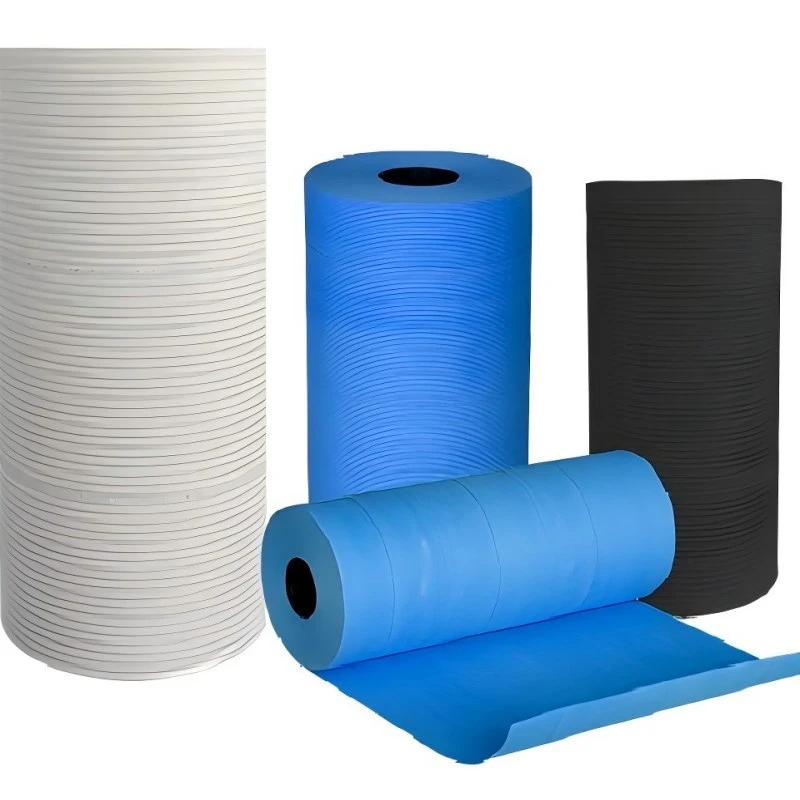
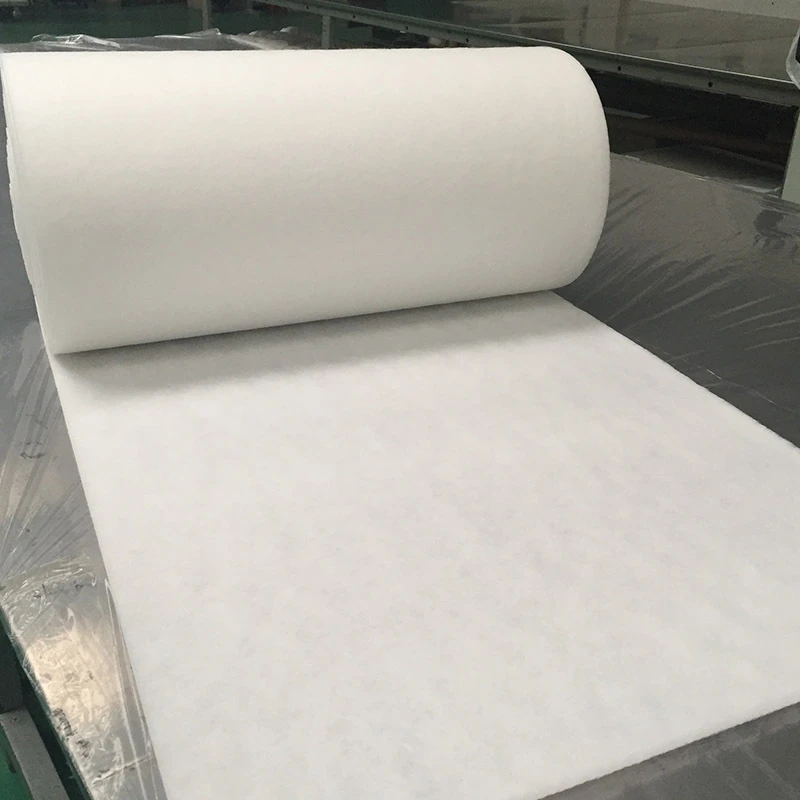
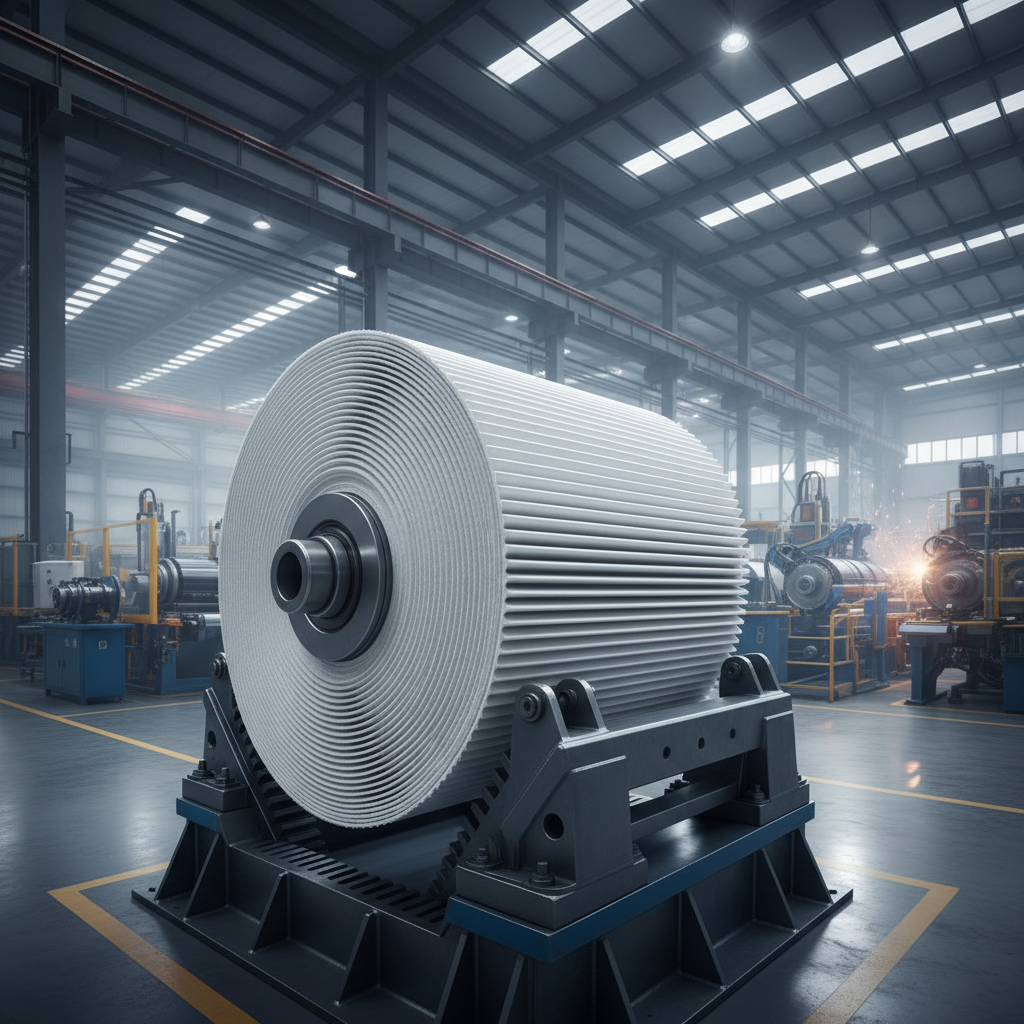
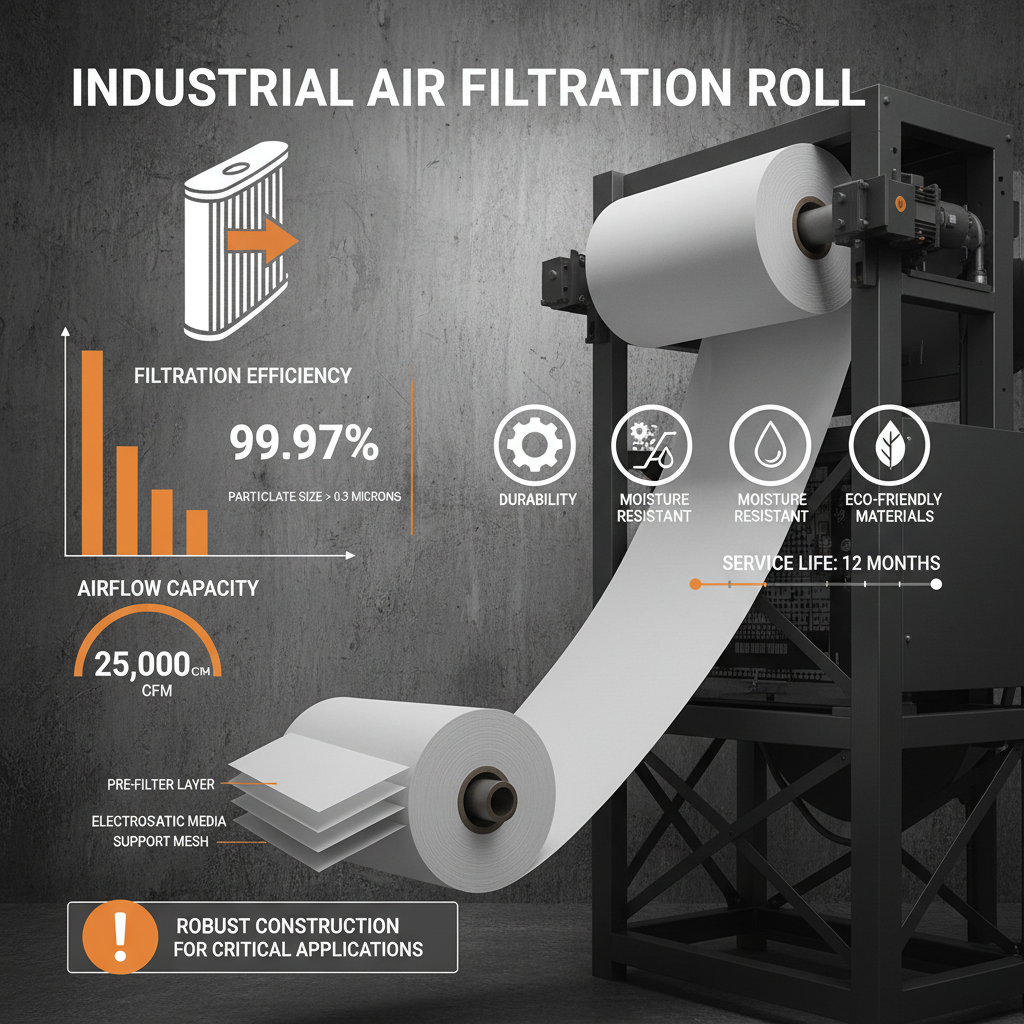
Air filter rolls consist of continuous lengths of filter media wound onto a core. This format offers flexibility, allowing users to cut the material to custom sizes for various applications. Unlike pre-fabricated filters, rolls provide cost-effectiveness and reduced waste, especially for non-standard filter dimensions. They are commonly used in DIY filtration projects, industrial ventilation systems, and as a convenient solution for ongoing filter replacement. The versatility of air filter roll makes it an indispensable tool for maintaining clean air.

Key Highlights: Air filter rolls offer cost-effectiveness, custom sizing, and versatility, making them suitable for a wide range of applications.

Types of Air Filter Roll Media

Air filter rolls are available in a variety of media types, each with unique characteristics and performance capabilities. Common materials include:

  • Polyester: Widely used for general filtration, offering good efficiency and durability.
  • Polypropylene: Cost-effective and suitable for pre-filtration, capturing larger particles.
  • Fibreglass: Provides high efficiency at a lower cost but may release particles over time.
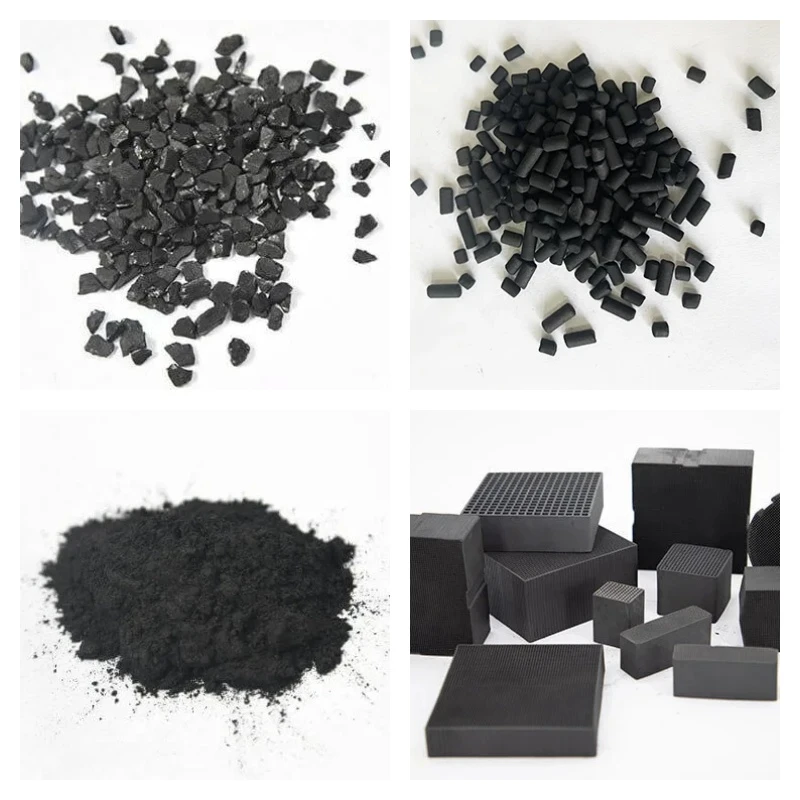
  • Activated Carbon: Effective at removing odors, gases, and VOCs (Volatile Organic Compounds).
  • Synthetic Blends: Offer a combination of features, often providing excellent efficiency and longevity.

The choice of media depends on the specific contaminants you need to remove and the airflow requirements of your system.

Media Type Benefits:

• Polyester: Good efficiency & durability

• Polypropylene: Cost-effective, pre-filtration

• Fibreglass: High efficiency, low cost

• Activated Carbon: Odor & gas removal

Air Filter Roll Applications: From HVAC to Industry

The applications for air filter rolls are diverse. In HVAC systems, they’re used to protect equipment from dust, pollen, and other airborne particles, improving indoor air quality. Industrial settings utilize them for pre-filtering incoming air to protect sensitive machinery and processes. Other common uses include:

  • Painting Booths: Capturing overspray and ensuring a clean painting environment.
  • Cleanrooms: Maintaining strict air purity standards.
  • Electronics Manufacturing: Protecting sensitive components from contamination.
  • Automotive Industry: Filtering air for painting and assembly processes.

Choosing the correct air filter roll for each application is crucial for optimal performance and protection.

Application Recommended Media MERV Rating (Approx.)
HVAC Systems Polyester, Polypropylene 1-4
Painting Booths Polyester, Synthetic Blends 8-12
Cleanrooms Synthetic Blends, HEPA-Grade 13-16+
Industrial Pre-filtration Polypropylene, Fibreglass 1-8

Choosing the Right Air Filter Roll: Key Considerations

Selecting the appropriate air filter roll involves several factors:

  • MERV Rating: Minimum Efficiency Reporting Value. Higher MERV ratings indicate better filtration of smaller particles.
  • Airflow Resistance: The amount of resistance the filter offers to airflow. Higher efficiency filters typically have higher resistance.
  • Media Type: Consider the specific contaminants you need to capture.
  • Roll Dimensions: Ensure the roll width and length meet your requirements.
  • Cost: Balance performance with budget considerations.

Consulting with a filtration specialist can help you determine the optimal filter roll for your application.
Comprehensive Guide to Air Filter Roll Selection and Applications

Benefits of Using Air Filter Rolls

Using air filter rolls provides several advantages:

  • Cost-Effective: Reduces waste compared to pre-fabricated filters.
  • Customizable: Allows for tailored filter sizes.
  • Versatile: Suitable for a wide range of applications.
  • Convenient: Easy to install and replace.
  • Improved Air Quality: Enhances indoor air quality and protects equipment.

Conclusion: Optimizing Air Quality with Air Filter Rolls

Investing in high-quality air filter rolls is a proactive step towards maintaining optimal air quality and protecting valuable equipment. By understanding the different media types, applications, and key considerations, you can make informed decisions that benefit your health, safety, and operational efficiency. Don't compromise on air quality – choose the right air filter roll for your needs.

Frequently Asked Questions (FAQs)

What is the difference between MERV 8 and MERV 13 air filter rolls?

MERV (Minimum Efficiency Reporting Value) indicates a filter’s ability to capture particles of different sizes. A MERV 8 filter captures larger particles like pollen and dust mites, making it suitable for basic HVAC systems. MERV 13 filters capture smaller particles, including bacteria, mold spores, and some viruses, offering a higher level of air purification. Choosing between them depends on your air quality needs. MERV 13 filters are recommended for individuals with allergies or respiratory issues or in environments requiring a higher degree of cleanliness.

How often should I replace air filter rolls?

The replacement frequency depends on several factors, including the level of air contamination, the type of filter media, and the airflow rate. Generally, it's recommended to replace air filter rolls every 1-3 months. Check the filter regularly for dirt buildup. If it appears significantly dirty, it's time for a replacement. Ignoring this can lead to reduced airflow, increased energy consumption, and diminished air quality.

Can I use an air filter roll as a substitute for a pleated filter?

While you can use an air filter roll to create a custom filter, it's important to consider the MERV rating and airflow resistance. A pleated filter often has a higher MERV rating and a more structured design for consistent airflow. If using a roll, ensure the media you choose has a comparable MERV rating to your existing pleated filter and that it's properly installed to avoid gaps and bypasses. Always prioritize maintaining the same level of filtration performance.

What is the benefit of using activated carbon air filter rolls?

Activated carbon air filter rolls excel at removing odors, gases, and volatile organic compounds (VOCs) from the air. This makes them ideal for environments with strong smells, such as paint shops or kitchens, or where VOCs are present, like industrial settings. Activated carbon works by adsorbing these contaminants, effectively purifying the air and improving indoor air quality. However, activated carbon filters have a limited lifespan and need to be replaced regularly to maintain their effectiveness.
Share:
Best Air Filter Material for Ducted Air Conditioner Systems
Selecting the Best Air Filter Material for Ducted Air Conditioner Systems Maintaining indoor air quality in commercial and industrial settings depends heavily on the efficiency of the filtration system. Choosing the right air filter material for ducted air conditioner units is critical to ensuring a balance between high particle capture and optimal airflow. From nanofiber composites to high-strength wood pulp paper, the materials pore size and breathability directly impact energy consumption and equipment longevity. In this guide, we will explore the technical specifications and material choices that allow HVAC professionals to optimize their air purification strategies for diverse environments.
Premium High Performance Ducted Air Conditioner Filter Material
Maintaining indoor air quality is critical for both residential comfort and industrial efficiency. The selection of the right ducted air conditioner filter material is the first line of defense against airborne pollutants, dust, and allergens. In complex HVAC systems, the filter material must balance high filtration efficiency with low air resistance to prevent strain on the blower motor. Whether it is for a high-rise office or a manufacturing plant, using a professional-grade synthetic material ensures that the air entering the ventilation ducts remains pristine. This guide explores the technical aspects and selection criteria for premium filtration media.
Industrial Guide to High Efficiency air filter media types
Exploring Air Filter Media Types: A Comprehensive Guide for Industrial Filtration Selecting the correct filtration material is critical for maintaining air quality and ensuring the longevity of industrial machinery. Understanding the various air filter media types allows engineers and procurement specialists to optimize airflow, minimize pressure drops, and maximize particle capture efficiency. From basic synthetic fibers to advanced laminated composites, the choice of media directly impacts the operational cost and environmental compliance of a facility. In this guide, we will examine the technical nuances of different media and how to choose the right one for your specific application.

If you are interested in our products, you can choose to leave your information here, and we will be in touch with you shortly.