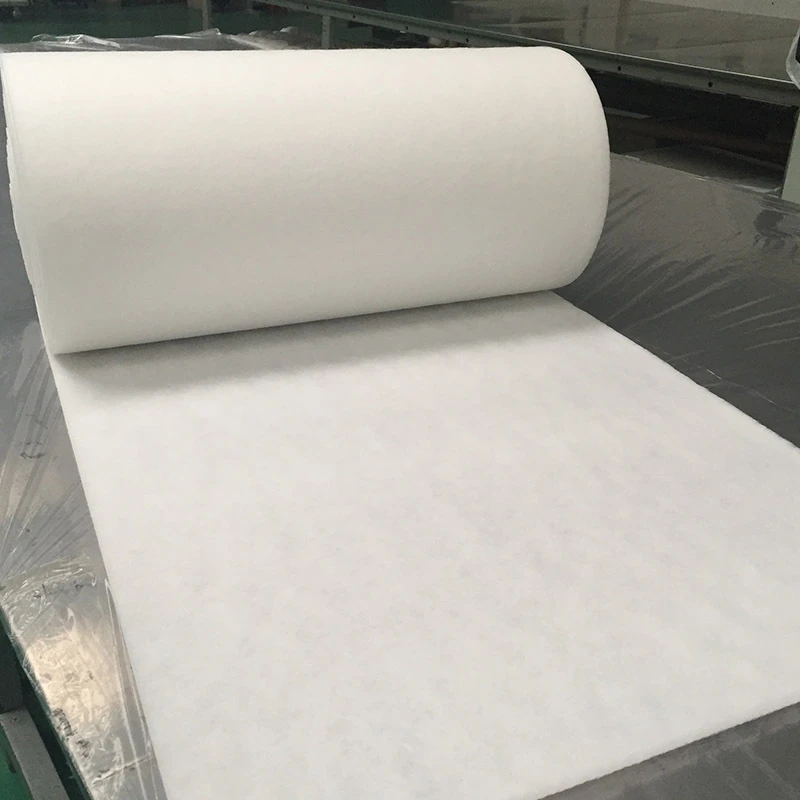
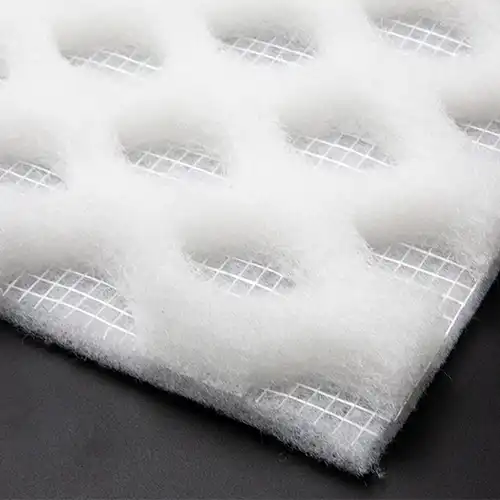
Air filter rolls are an essential component in maintaining indoor air quality across various industries and applications. From HVAC systems to industrial machinery, these rolls provide effective filtration, protecting equipment and ensuring a healthy environment. This article will delve into the world of air filter rolls, exploring their types, applications, benefits, and how to choose the right one for your specific needs. We'll cover everything from basic filter media to advanced synthetic options, offering a thorough understanding for professionals and consumers alike.
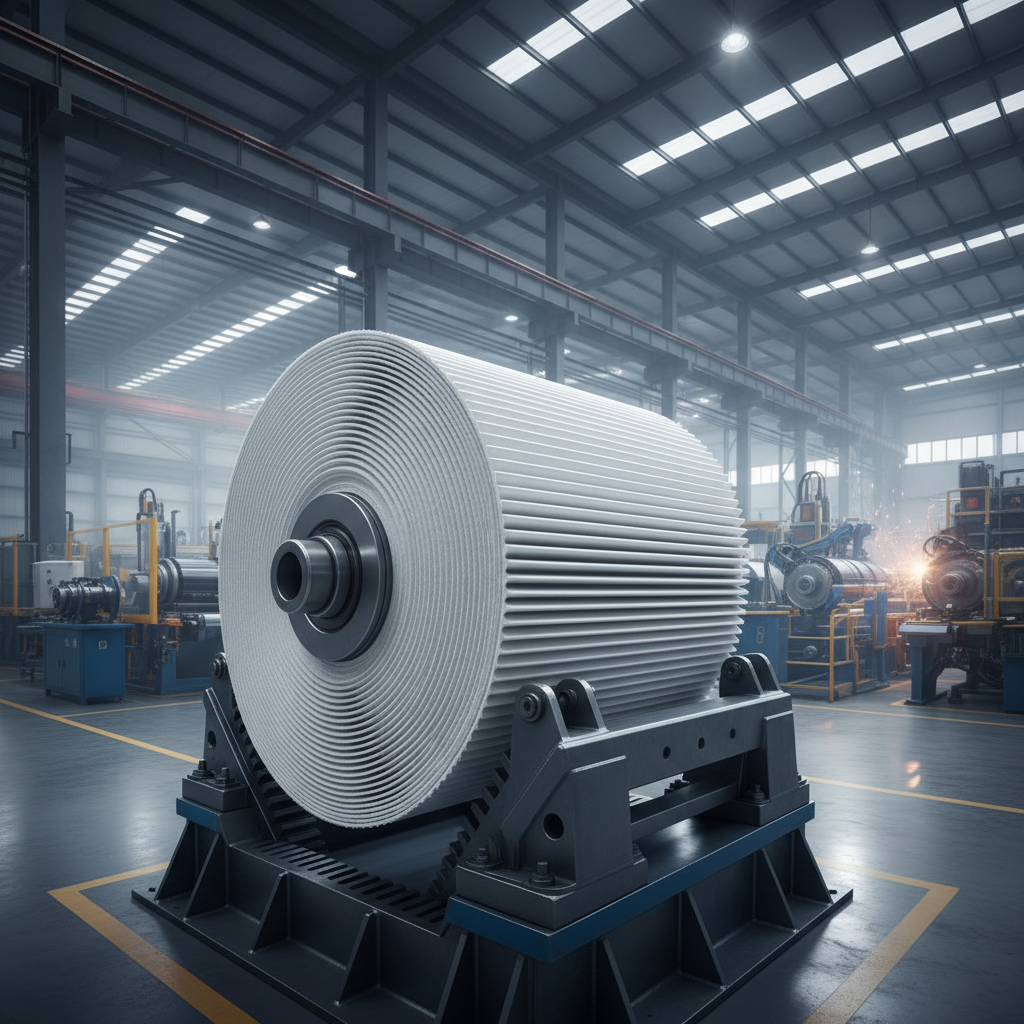
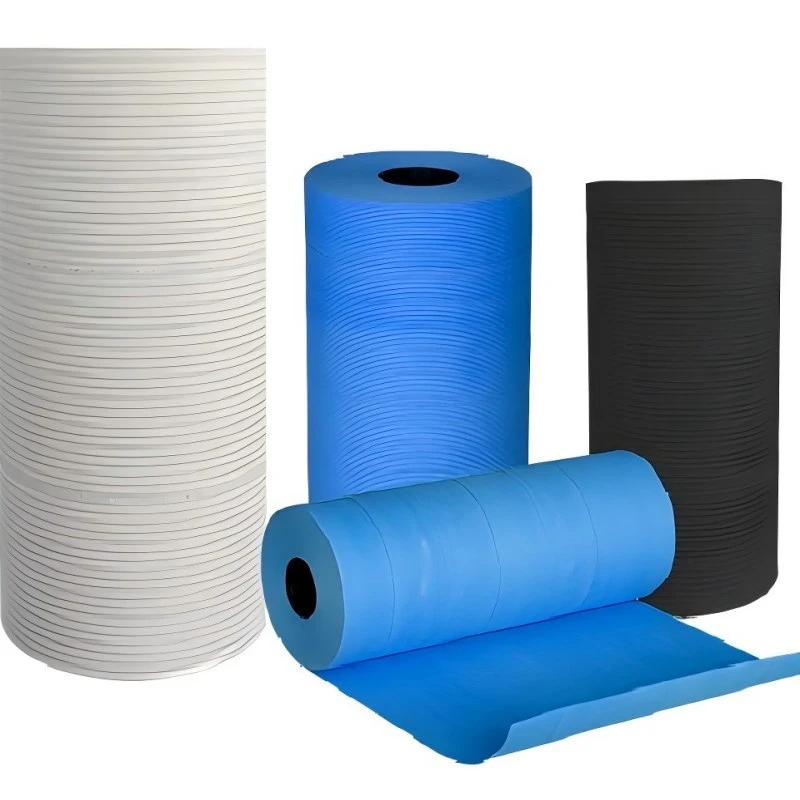
Air filter rolls consist of continuous lengths of filter media wound onto a core. This format offers flexibility, allowing users to cut the material to custom sizes for various applications. Unlike pre-fabricated filters, rolls provide cost-effectiveness and reduced waste, especially for non-standard filter dimensions. They are commonly used in DIY filtration projects, industrial ventilation systems, and as a convenient solution for ongoing filter replacement. The versatility of air filter roll makes it an indispensable tool for maintaining clean air.
Key Highlights: Air filter rolls offer cost-effectiveness, custom sizing, and versatility, making them suitable for a wide range of applications.
Air filter rolls are available in a variety of media types, each with unique characteristics and performance capabilities. Common materials include:
The choice of media depends on the specific contaminants you need to remove and the airflow requirements of your system.
Media Type Benefits:
• Polyester: Good efficiency & durability
• Polypropylene: Cost-effective, pre-filtration
• Fibreglass: High efficiency, low cost
• Activated Carbon: Odor & gas removal
The applications for air filter rolls are diverse. In HVAC systems, they’re used to protect equipment from dust, pollen, and other airborne particles, improving indoor air quality. Industrial settings utilize them for pre-filtering incoming air to protect sensitive machinery and processes. Other common uses include:
Choosing the correct air filter roll for each application is crucial for optimal performance and protection.
Selecting the appropriate air filter roll involves several factors:
Consulting with a filtration specialist can help you determine the optimal filter roll for your application.
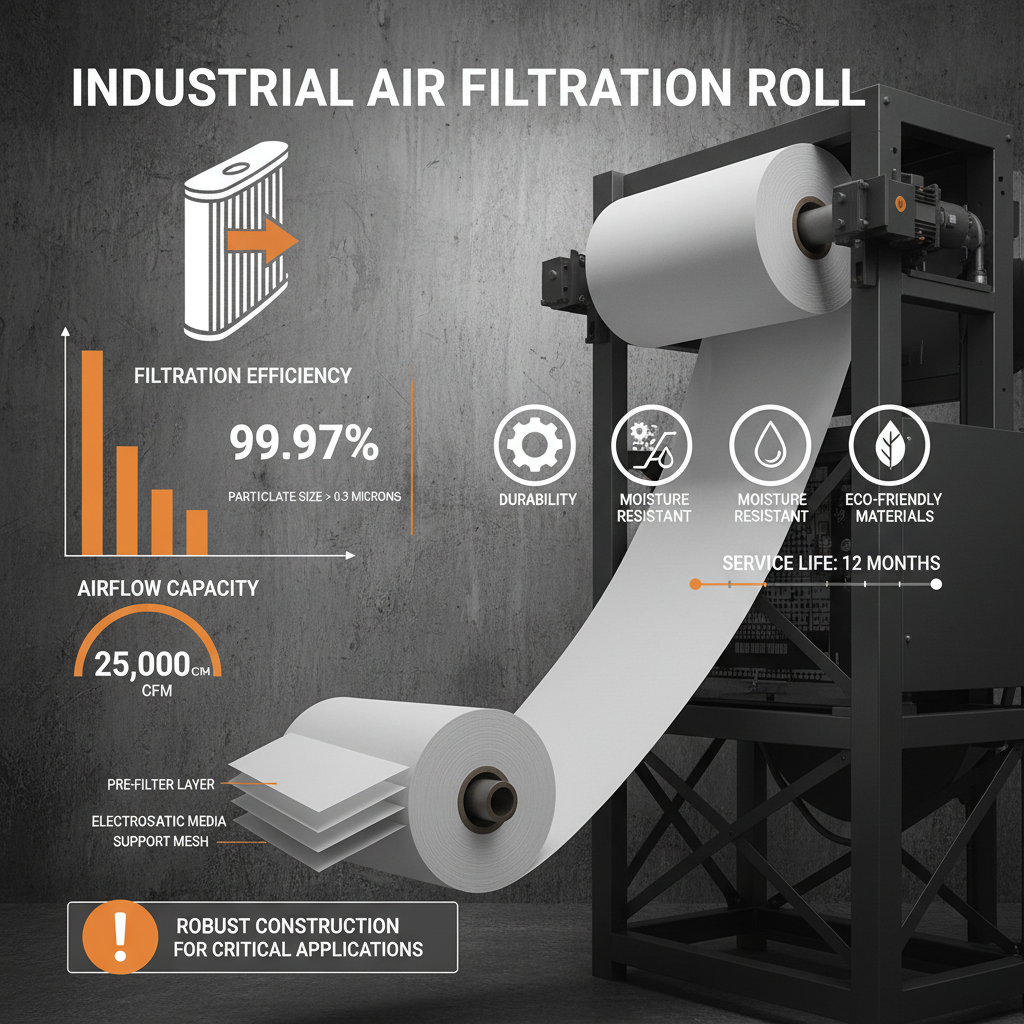
Using air filter rolls provides several advantages:
Investing in high-quality air filter rolls is a proactive step towards maintaining optimal air quality and protecting valuable equipment. By understanding the different media types, applications, and key considerations, you can make informed decisions that benefit your health, safety, and operational efficiency. Don't compromise on air quality – choose the right air filter roll for your needs.
MERV (Minimum Efficiency Reporting Value) indicates a filter’s ability to capture particles of different sizes. A MERV 8 filter captures larger particles like pollen and dust mites, making it suitable for basic HVAC systems. MERV 13 filters capture smaller particles, including bacteria, mold spores, and some viruses, offering a higher level of air purification. Choosing between them depends on your air quality needs. MERV 13 filters are recommended for individuals with allergies or respiratory issues or in environments requiring a higher degree of cleanliness.
The replacement frequency depends on several factors, including the level of air contamination, the type of filter media, and the airflow rate. Generally, it's recommended to replace air filter rolls every 1-3 months. Check the filter regularly for dirt buildup. If it appears significantly dirty, it's time for a replacement. Ignoring this can lead to reduced airflow, increased energy consumption, and diminished air quality.
While you can use an air filter roll to create a custom filter, it's important to consider the MERV rating and airflow resistance. A pleated filter often has a higher MERV rating and a more structured design for consistent airflow. If using a roll, ensure the media you choose has a comparable MERV rating to your existing pleated filter and that it's properly installed to avoid gaps and bypasses. Always prioritize maintaining the same level of filtration performance.
Activated carbon air filter rolls excel at removing odors, gases, and volatile organic compounds (VOCs) from the air. This makes them ideal for environments with strong smells, such as paint shops or kitchens, or where VOCs are present, like industrial settings. Activated carbon works by adsorbing these contaminants, effectively purifying the air and improving indoor air quality. However, activated carbon filters have a limited lifespan and need to be replaced regularly to maintain their effectiveness.