Glass Microfiber Filter Paper in Critical Environments
In the modern industrial and scientific landscape, the definition of "cleanliness" has undergone a radical transformation. While a standard office environment might tolerate millions of microscopic particles per cubic foot, the stakes in pharmaceutical manufacturing, semiconductor fabrication, and advanced medical facilities are far higher. In these "critical environments," a single speck of dust can be a catastrophic contaminant, leading to the failure of a multi-million dollar batch of medicine or the short-circuiting of a microscopic processor. To combat these invisible threats, the world relies on the highest tier of air purification technology: high-efficiency filtration.
The cornerstone of this technology is the ability to achieve nearly absolute air purity. This is not achieved through simple barriers but through complex physical interactions at the sub-micron level. As industries push the boundaries of what is possible in biotechnology and nanotechnology, the demand for specialized media that can meet strict air purity and contamination control requirements has never been greater. At the heart of this movement is a specialized material known as papier filtracyjny z mikrofibry szklanej, a substance engineered to trap the untrappable.
The Physics of Precision: Glass Microfiber Filter Paper
When discussing high-cleanliness environments like laboratories and pharmaceutical plants, the primary material of choice is almost always papier filtracyjny z mikrofibry szklanej. Unlike synthetic fibers, which are often produced through extrusion and can have relatively large diameters, glass microfibers are produced through a specialized process that results in incredibly fine, borosilicate glass filaments. These fibers are often hundreds of times thinner than a human hair, allowing them to be felted into a dense, paper-like web with an extraordinarily high surface area.
The effectiveness of papier filtracyjny z mikrofibry szklanej comes from its ability to utilize multiple filtration mechanisms simultaneously. While large particles are caught through simple mechanical straining, the true power of this media lies in its ability to capture sub-micron particles through "Interception" and "Diffusion." In the realm of HEPA (High-Efficiency Particulate Air) and ULPA (Ultra-Low Penetration Air) standards, the media must capture particles as small as 0.3 microns with an efficiency of 99.97% or higher. Because glass fibers are rigid and do not carry a static charge that degrades over time, they provide a stable and consistent level of protection. This stability is vital for medical facilities where "clean and stable airflow" is a matter of patient safety, ensuring that pathogens and airborne contaminants are permanently removed from the breathing zone.
Structural Integrity: From Raw Fiber to HVAC Filter Material
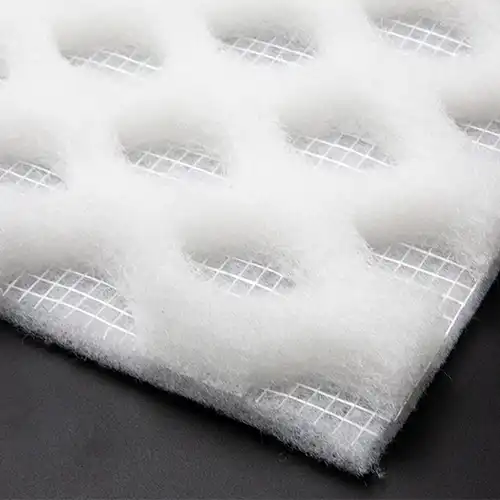
While the microfiber itself is the "engine" of the filter, it must be integrated into a larger system to be effective. This transition from a delicate sheet of paper to a robust hvac filter material is a feat of modern engineering. In large-scale electronics manufacturing or food processing plants, the filtration media is subjected to significant air pressure and velocity. If the media were to tear or "shed" its own fibers, it would become a source of contamination itself.
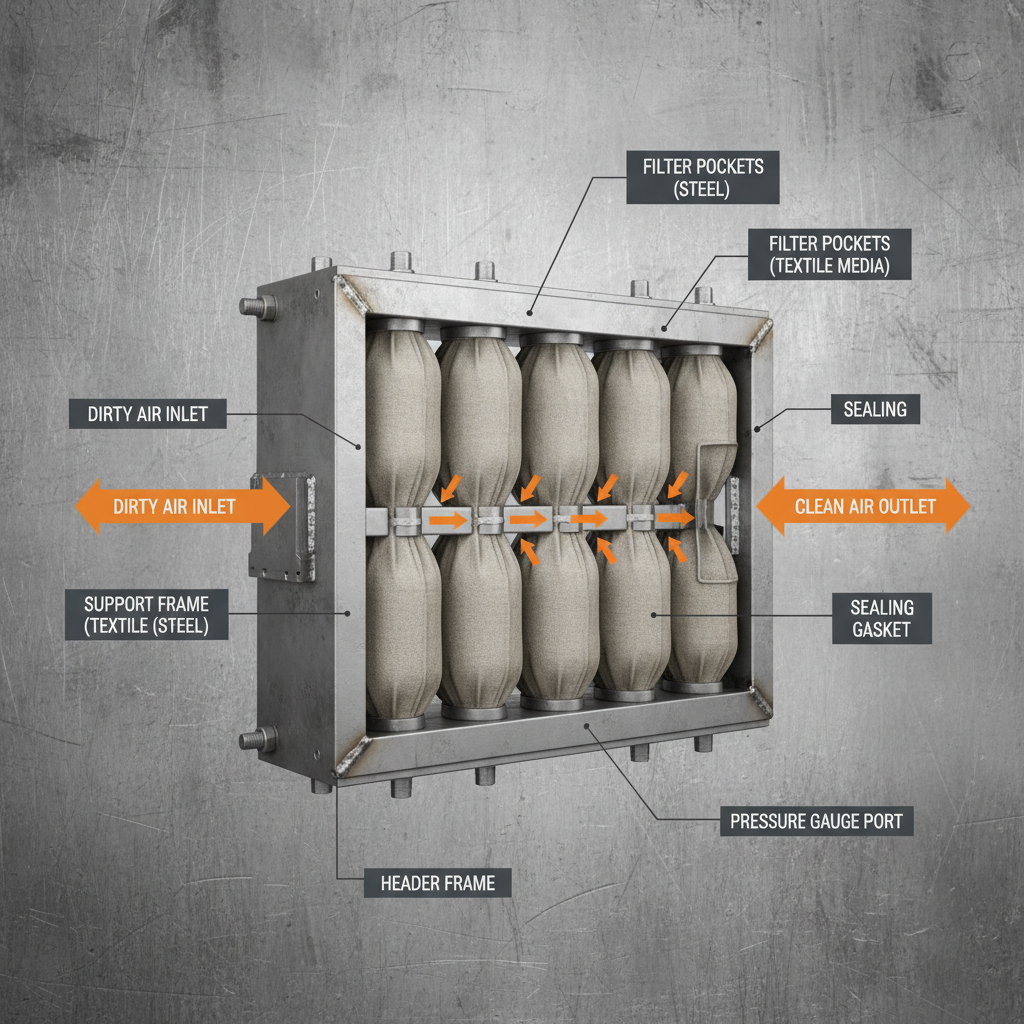
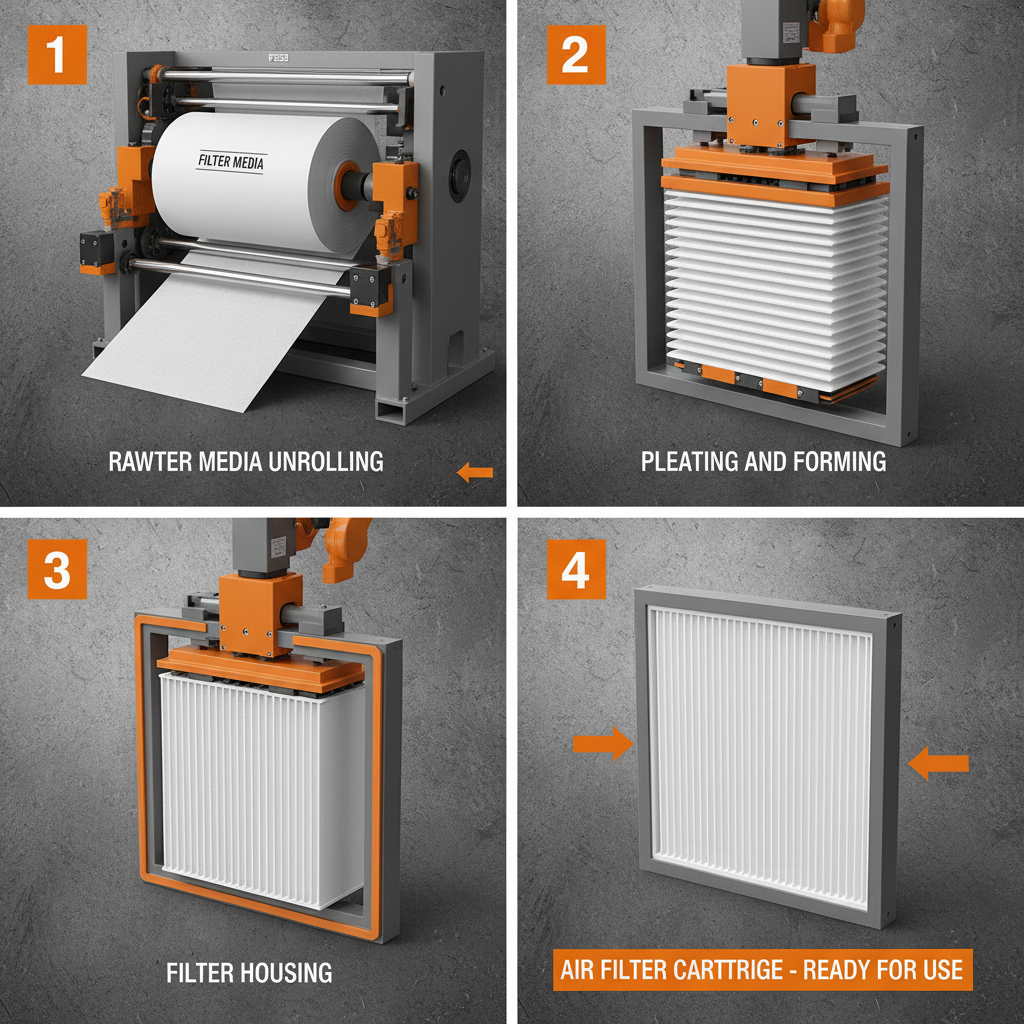
To prevent this, the hvac filter material used in cleanrooms is often reinforced or pleated. Pleating involves folding the filter paper into a series of V-shapes, which dramatically increases the total surface area available for filtration within a compact frame. This design allows for a lower "face velocity"—the speed at which air moves through the media—which actually improves the efficiency of the papier filtracyjny z mikrofibry szklanej. By slowing the air down, the smallest particles have more time to wander (via Brownian motion) and eventually collide with a glass fiber. This sophisticated integration ensures that the HVAC system can deliver massive volumes of purified air without compromising the delicate balance of the cleanroom environment.
Beyond the Surface: The Longevity of HVAC Filter Media
One of the most significant challenges in high-efficiency filtration is the trade-off between purity and energy consumption. As hvac filter media captures more dust and microbial life, the resistance to airflow (known as pressure drop) naturally increases. In a 24/7 pharmaceutical production line, an inefficient filter can lead to staggering energy costs as the system's fans work harder to maintain the required air change rates.
To address this, modern hvac filter media is engineered for "depth loading." Instead of the particles forming a thin, impenetrable "cake" on the surface of the filter, the glass microfiber structure allows particles to penetrate into the depths of the media. This distributed loading keeps the pathways for air open for a longer period, extending the service life of the filter. For laboratories and medical facilities, this means fewer filter changes and less downtime. Moreover, the chemical resistance of glass microfibers ensures that the hvac filter media does not degrade when exposed to the aggressive disinfecting agents often used in hospital environments. This durability is essential for maintaining strict contamination control requirements over months of continuous operation.
The Human Impact: Clean Air in Healthcare and Food Processing
The application of papier filtracyjny z mikrofibry szklanej extends beyond the "dry" world of electronics into the "wet" and biological worlds of food and medicine. In food processing, the goal is to prevent the introduction of mold spores and bacteria that could spoil products or cause illness. Here, the filter acts as a biological shield. Because glass is inorganic, it does not provide a food source for microbes, making it the ideal hvac filter material for damp or humid environments where synthetic or organic filters might facilitate fungal growth.
In medical facilities, especially in operating theaters and isolation wards, the role of high-efficiency filtration is even more direct. The air must be stripped of viral and bacterial aerosols to prevent cross-infection. The precision of papier filtracyjny z mikrofibry szklanej allows hospitals to create "laminar flow" environments, where air moves in a single, unidirectional stream, carrying contaminants away from the patient and into the high-efficiency exhaust. This level of control is only possible when the hvac filter media is manufactured to the most exacting standards, ensuring that there are no pinholes or "weak spots" in the filter's surface.